Screws
Screws are what hold the job together, from first-fix timber to final fit-out. Get the right type, size and thread, and the work stays put.
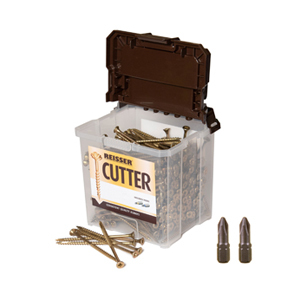
On site, picking screws is less about guessing and more about matching the fixing to the material, load and finish. Whether you need screws for wood, self tapping screws for sheet and metal, or countersunk screws that sit flush, buy for the job in front of you. If you are sorting the whole kit, start with Fixings & Fasteners, then choose the screw types that save you time, stop splitting, and hold properly.
What Are Screws Used For?
- Fixing timber studwork, carcassing and sheet material where you need a reliable hold without the mess and wait time of adhesive.
- Running in screws for wood on flooring, battens and joinery jobs where the right thread and length stop movement, squeaks and pull-out later on.
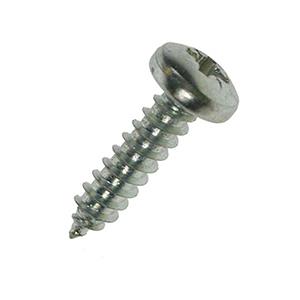
- Using self tapping screws on thin metal, trunking, brackets and sheet materials where you need the fixing to bite cleanly and pull components tight.
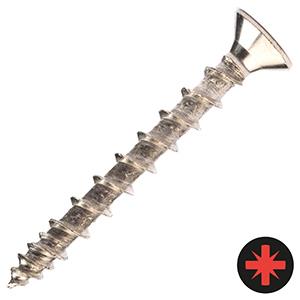
- Finishing kitchens, second-fix trim and ironmongery with countersunk screws where the head needs to sit flush and not foul hinges, plates or covers.
- Keeping a box of screws in the van for snagging, repairs and quick site fixes when you do not have time to keep walking back for the one size you are missing.
Choosing the Right Screws
Sorting the right screws is simple: match the screw to the material, the thickness and whether the job is inside or out.
1. Match the Screw to the Material
If you are fixing timber to timber, use proper Wood Screws that bite cleanly and pull the work together. If the job changes from timber to mixed materials, Multi-Purpose Screws are the safer shout for general site work.
2. Get the Length Right
If the screw is too short, it will not hold. Too long, and you are blowing through faces, snagging cables or spoiling the finish. As a rule, you want enough length to get a solid bite into the base material without overcooking it.
3. Pick the Head for the Finish
Countersunk screws are the standard when you need the head flush in timber, boards and fittings. If the fixing needs to clamp a bracket or spread load over a softer surface, look at broader head styles instead of burying the fixing where it does not belong.
4. Do Not Ignore Weather and Treatment
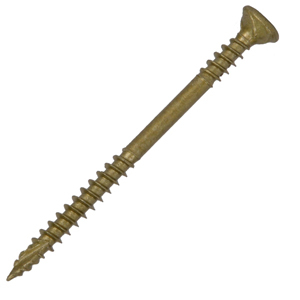
For decks, fencing and anything exposed, standard bright screws are a false economy. Use corrosion-resistant options from the Decking & Exterior Screws range so the heads do not rust out and stain the job six months down the line.
Who Uses These on Site?
- Chippies use screws all day for stud, sheeting, flooring and second-fix because they go in fast, hold tight and are easier to pull back out when something needs adjusting.
- Kitchen fitters and joiners rely on the right screw sizes and head styles for cabinets, hinges and trims where a poor fixing can split the board or sit proud.
- Sparkies and plumbers keep assorted screws handy for clips, back boxes, brackets and containment, especially on refurb work where the original fixings are missing or shot.
- Roofers, landscapers and external trades reach for coated or stainless options when fixing decking, fencing and treated timber that has to stay put through weather.
- Maintenance teams swear by a decent screw assortment for snagging and day-to-day repairs because it saves losing time hunting for one odd fixing on a live job.
Screw Accessories That Save Time on Site
A few basic extras make screw fixing quicker, cleaner and a lot less frustrating when you are working through a full box.
1. Screwdriver Bits
Buy the right Screwdriver Bits for the screw head you are using. The wrong bit cams out, chews heads and slows the whole job, especially when you are driving hundreds into sheet or timber.
2. Bit Holders
A decent bit holder gives you better reach and keeps the bit seated properly, which matters when you are fixing into awkward corners, carcasses or overhead runs.
3. Pilot Drill Bits
Keep pilot bits close for hardwood, neat joinery and any edge fixing where splitting is a risk. It is quicker to pre-drill than remake a spoiled piece of timber.
Choose the Right Screws for the Job
Use this quick guide to narrow down the screw type before you fill the basket.
| Your Job | Screw Type | Key Features |
|---|---|---|
| Fixing studwork, battens or timber framing | Wood screws | Deep thread, strong pull-in, usually countersunk for a flush finish in timber |
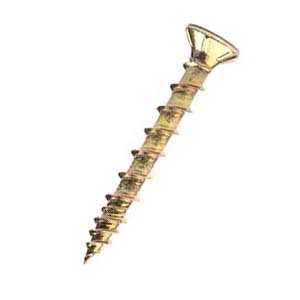
| General first-fix and mixed material work | Multi-purpose screws | Fast bite, reduced splitting, useful when the job moves between softwood, sheet and light fixings |
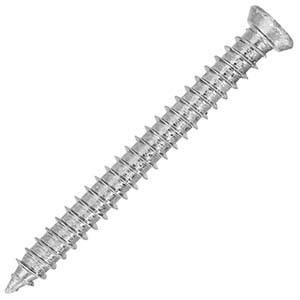
| Fixing brackets, sheet metal or trunking | Self tapping screws | Cut their own thread into thinner material and pull fittings up tight |
| Second-fix work where the head must sit flush | Countersunk screws | Tidy finish, sits below or level with the surface, less snagging on fittings and trims |
| Decking, fencing and outdoor timber | Exterior screws | Corrosion-resistant coating, better weather protection, made for treated timber and exposed jobs |
Common Buying and Usage Mistakes
- Buying one screw type for every job is where trouble starts. Timber, sheet metal and exterior work all want different threads, coatings and head styles, so match the screw to the material.
- Choosing screw length by eye usually ends with poor hold or a point sticking through the face. Check the material thickness properly and make sure the screw gets enough bite into the base.
- Driving screws with the wrong bit wrecks the head and wastes time. Use the correct driver size and replace worn bits before they start camming out.
- Skipping pilot holes in hardwood or near board edges can split the material and ruin the finish. Pre-drill where the timber is dense or the fixing is close to the end.
- Using standard screws outside is a cheap mistake that turns expensive later. For wet or treated timber, switch to exterior-rated screws so the fixing does not corrode and fail early.
Wood Screws vs Multi-Purpose Screws vs Self Tapping Screws
Wood Screws
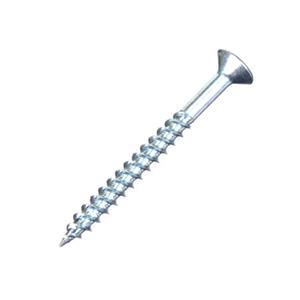
Best when the job is mainly timber. They pull softwood and sheet down well, give a clean countersunk finish, and suit first-fix and joinery better than a general mixed-use screw.
Multi-Purpose Screws
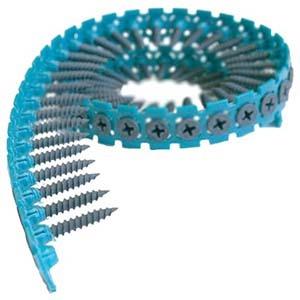
The handiest all-rounder for van stock and mixed site work. If you are moving between timber, board and general fixings all day, these save carrying five different boxes, though they are not always the best pick for specialist outdoor or metal jobs.
Self Tapping Screws
These are for thinner metal and sheet where the fixing needs to cut its own thread. They are not your go-to screws for wood, but they make light work of brackets, covers and containment.
Which One Should You Buy?
If most of your work is timber, buy wood screws first. If you need one box to cover a spread of jobs, go multi-purpose. If you are fixing into metal, stop guessing and use self tapping screws.
Maintenance and Care
Keep Boxes Dry
Store screws somewhere dry in the van or workshop. Damp gets into opened boxes fast, and once the coating starts to go, especially on cheaper fixings, they are not worth trusting on decent work.
Sort by Type and Size
Do not tip half-used fixings into one tub and hope for the best. Keeping screw types and screw sizes separated saves time on site and stops the wrong fixing ending up in the wrong material.
Check for Damaged Heads and Rust
If heads are already burred, bent or showing rust, bin them. A damaged screw head will just spin, snap or cost you extra time trying to extract it from finished work.
Look After the Driver Bits
Most screw problems start with a worn bit, not the screw itself. Swap bits before they round off the recess, especially when driving long fixings into dense timber.
Why Shop for Screws at ITS?
Whether you need a single box of screws for a quick repair, trade screws for first-fix timber, or a full screw assortment for the van, we have the range ready. That means screw types for wood, metal, interior and exterior work, plus the sizes and pack counts trades actually use. It is all stocked in our own warehouse and ready for next day delivery, so you can get the fixings sorted without holding the job up.
Screws FAQs
What are the different types of screws?
The main ones most trades use are wood screws, multi-purpose screws, self tapping screws and exterior screws. Wood screws are for timber, multi-purpose screws cover general mixed jobs, self tapping screws suit thinner metal and sheet, and exterior screws are coated or stainless for weather-exposed work. The trick is not buying by name alone. Buy by material, finish and where the job is going.
How do I choose the right screw length and gauge?
Go by what you are fixing and what you are fixing into. You want enough length to pass through the top material and get a solid bite into the base without poking through the far side. Gauge affects strength and how aggressive the fixing is. For heavier timber or load-bearing jobs, step up the thickness. For neater second-fix work, do not oversize it and split the material.
What's the difference between a wood screw and a multi-purpose screw?
A wood screw is aimed squarely at timber and usually gives you better pull-in and a cleaner finish in wood-based materials. A multi-purpose screw is the one you keep handy when the day jumps between timber, board and general fixings. It is more flexible, but if you are doing proper timber work all day, a dedicated wood screw is usually the better fixing.
Do I need to pre-drill before screwing?
Not always, but there are plenty of times when you should. In softwood and general first-fix, many trade screws will drive straight in. In hardwood, near board edges, on fine joinery, or where accuracy matters, pre-drilling is worth the extra minute. It cuts splitting, keeps the fixing straight and makes the finished job look sharper.
Which screws are best for outdoor use?
Use screws made for exterior work, not leftover indoor fixings. For decking, fencing and treated timber, go for corrosion-resistant coated or stainless screws built to deal with weather and timber treatment. Standard bright screws might go in fine on day one, but they can rust, stain the timber and weaken long before the job should need attention.