Nuts, Bolts & Washers
Bolts and nuts are for jobs where timber screws will not cut it, from steel brackets to plant repairs, with washers stopping pull-through and shake loose fixings.
When you are fixing heavy brackets, bolting steel together or replacing tired hardware on gates, frames and machinery, this is the kit you reach for. Good bolts and nuts matter when vibration, load and weather get involved. Use the right thread, grade and finish, and add washers where the fixing needs to spread load or stay tight. Start with our Fixings & Fasteners range, then sort the right Bolts, Nuts, Washers and Set Screws for the job.
What Are Bolts and Nuts Used For?
- Fixing steel brackets, channels and support frames where you need a proper clamped joint that will not work loose like a basic screw can.
- Assembling gates, fencing hardware, plant guards and outdoor fixtures where a washer helps spread the load and stops the fixing pulling into softer material.
- Replacing worn or missing fixings on machinery, trailers and site kit where matching the thread and grade matters more than just making it fit.
- Bolting timber to timber or timber to steel on sheds, workbenches and structural joinery where through fixing gives a stronger hold than driving screws alone.
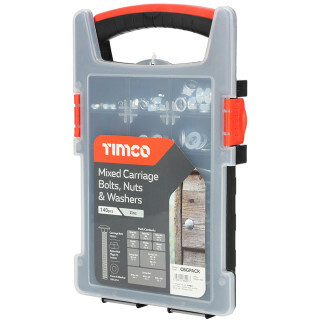
- Handling repair work on vans, racking and workshop gear where keeping assorted nuts bolts and washers in stock saves a wasted run to the merchant.
Choosing the Right Bolts and Nuts
Sorting the right bolts and nuts is simple. Match the fixing to the load, the material and the environment, not just whatever happens to fit the hole.
1. Thread Size and Length First
If the thread does not match exactly, do not force it. Pick the correct diameter and pitch, then choose a length that gives full engagement on the nut without leaving loads of wasted thread sticking out.
2. Choose the Right Finish for the Job
If the fixing is going outside, into damp areas or anywhere it will see weather, go stainless or a suitable corrosion resistant finish. Zinc plated is fine for indoor and general dry work, but it is not the one for long term exposure.
3. Do Not Ignore Strength Grade
If the fixing is taking real load, vibration or movement, check the grade. For brackets, machinery and structural type tasks, a random mixed fixing from the bottom of the van is asking for stretch, failure or constant re tightening.
4. Add Washers Where They Actually Help
If you are fixing into softer material, slotted holes or painted steel, fit washers. They spread load, protect the surface and help stop nuts working loose, especially on gates, plant guards and outdoor frames.
Who Uses These on Site?
- Steel erectors and fabricators use bolts and nuts for joining brackets, plates and frames where a solid mechanical fixing is non negotiable.
- Joiners and chippies reach for them when coach bolts or set fixings are the better answer for gates, heavy timber assemblies and bench work.
- Groundworkers and fencing teams rely on nuts bolts and washers for rails, posts, edge restraints and site hardware that takes knocks and weather.
- Plant fitters and maintenance teams keep assortments in the van for repairs on machines, guards, trailers and storage racks where the original fixing has gone missing or failed.
- Site managers and workshop staff usually keep a bolt and nut set on hand because there is always one last fixing needed to get a repair signed off properly.
Accessories That Make Bolts and Nuts Easier to Fit
A few simple extras save stripped threads, loose fixings and wasted time when you are fitting or replacing nuts bolts and washers on site.
1. Washers
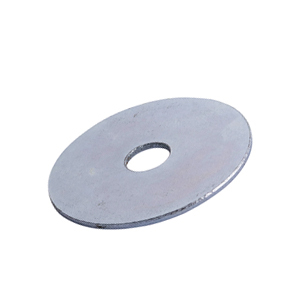
Do not skip them just to save pennies. A washer stops the nut biting into softer material, spreads the load properly and helps keep the fixing tight when the joint sees vibration or movement.
2. Threadlock
If the bolt is going on plant, gates, racking or anything that shakes about, threadlock saves you coming back to a loose joint a few weeks later. It is a simple fix for repeat loosening on moving kit.
3. Sockets and Spanners
Using the wrong size rounds flats and wastes time fast. Keep the right sockets or spanners to hand so you can tighten properly without chewing up the head or nut on first install.
Choose the Right Bolts and Nuts for the Job
Use this quick guide to sort the right fixing before you start tightening.
| Your Job | Category or Type | Key Features |
|---|---|---|
| General indoor brackets and framework | Zinc plated bolts and nuts | Good for dry internal work, common sizes, solid clamping without paying for outdoor grade fixings. |
| Outdoor gates, fencing and exposed metalwork | Stainless nuts bolts and washers | Better corrosion resistance, suited to wet conditions, less chance of seized or stained fixings later on. |
| Machinery, plant guards and vibrating equipment | Higher grade bolt and nut set with washers | Built for stronger clamping, better under load, washers and threadlock help stop the joint working loose. |
| Timber through fixing on gates, benches and frames | Longer bolts with washers | Enough shank and thread to get through the section cleanly, washer spreads load and stops pull through. |
| Van stock for repairs and snagging | Nuts and bolts assortment | Handy mixed sizes for replacement work, emergency fixes and small jobs where you need options straight away. |
Common Buying and Usage Mistakes
- Buying by eye instead of checking thread size and pitch. A nut that almost fits will cross thread, jam or fail, so match the fixing properly before you put a spanner on it.
- Using zinc plated fixings outside and expecting them to last forever. They will corrode in exposed conditions, so move to stainless or a more suitable finish for weather facing jobs.
- Skipping washers on soft timber, slotted holes or thin sheet. That is how you end up with crushed material, loose joints and fixings pulling through under load.
- Mixing random grades in load bearing or vibrating jobs. The wrong bolt can stretch or loosen off, so use a fixing with the correct strength rating for the work.
- Over tightening and stripping the thread. Tight is one thing, wrecked is another, so use the right tool and stop before you damage the bolt or nut.
Hex Bolts vs Set Screws vs Coach Bolts
Hex Bolts
Best when you need a partly threaded fixing for heavier assemblies, steelwork or thicker sections. They are a solid choice for proper clamped joints, but you need the right length and thread engagement.
Set Screws
Set screws are fully threaded, which suits thinner materials, brackets and jobs where full thread along the shank helps. They are handy for general assembly, but not always the best pick where a plain shank is preferred through the joint.
Coach Bolts
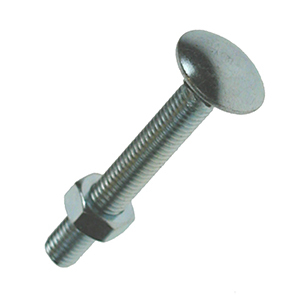
Coach bolts are the go to for timber work such as gates, sleepers and framed sections. The domed head gives a neater finish and the square neck grips into timber, but they are less suited to steel to steel fixing.
Maintenance and Care
Keep Threads Clean
Dirt, paint and swarf wreck threads quickly. Before fitting, make sure bolts and nuts are clean so they run on properly and tighten down without binding.
Store by Size and Type
Chuck everything loose in one tub and you will waste half the morning searching. Keep nuts bolts and washers sorted by diameter, length and finish so replacements are easy to grab.
Replace Damaged Fixings
If the flats are rounded, the thread is chewed or the shank is bent, bin it. Reusing damaged fixings usually ends with stripped threads or a joint that never tightens properly.
Watch for Rust
Check stored stock for corrosion, especially if it lives in the van or a damp container. Surface rust is a warning sign that the finish is breaking down and the fixing may not be right for exposed work.
Do Not Mix Unknown Grades
Keep marked and unmarked stock separate where possible. If you do not know the grade, do not use it for anything critical or load bearing just because it happens to fit.
Why Shop for Bolts and Nuts at ITS?
Whether you need a few replacement nuts and bolts, a full nuts and bolts assortment or nuts bolts and washers for repeat site work, we stock the range that matters. Sizes, finishes, packs and trade staples are all in our own warehouse, ready for next day delivery straight to site or workshop.
Bolts and Nuts FAQs
Which is bold and which is nut?
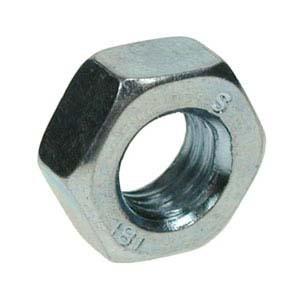
The bolt is the threaded fixing with a head on it. The nut is the separate piece that winds onto the thread to clamp the joint. If you can hold one side with a spanner and tighten the other, the headed part is the bolt and the threaded ring is the nut.
What are nuts and bolts used for?
They are used for joining materials where you need a stronger, serviceable fixing than a screw alone. On site that usually means brackets, frames, gates, plant guards, racking, machinery repairs and timber assemblies where you want proper clamping force and the option to undo it later.
How do I match a nut to a bolt?
Match the thread diameter and thread pitch exactly. An M10 nut needs an M10 bolt, and if the thread form is wrong it will bind or cross thread fast. Also match the grade and finish where it matters, especially on load bearing or outdoor jobs.
What do the numbers on bolts and nuts mean?
Usually they tell you the size, thread and sometimes the strength grade. On bolts, numbers such as 8.8 or 10.9 show tensile grade, which matters when the fixing is under load. The higher the grade, the stronger the fixing, but only if the rest of the joint is suited to it.
What's the difference between zinc plated and stainless nuts and bolts?
Zinc plated fixings are the usual choice for general indoor and dry site work. Stainless nuts and bolts are better where moisture, weather or corrosion are a problem. If it is going outside or into a damp environment, stainless is usually the safer long term call.