Tapes
Tape sorts the jobs that slow everything down from sealing and bundling to masking, marking and quick repairs when proper fixings are overkill.
On site, a decent adhesive tape saves time, keeps finishes clean, and gets you out of trouble when something needs holding, sealing or protecting there and then. From duct tape and gaffer tape to electrical and masking options, this is the sort of kit every van ends up carrying. If you are sealing membranes, bundling cables, protecting surfaces or doing a fast patch before handover, match the tape to the job and buy the one that will actually stay put.
What Are Tapes Used For?
- Sealing laps, joints and temporary coverings on site helps keep dust, draughts and water out while other trades finish their part of the job.
- Masking off skirtings, frames and finished surfaces before painting or sealing saves a lot of snagging and stops you scraping cured product off later.
- Bundling cables, conduit, pipe runs and loose materials in the van or on first fix keeps gear organised and stops bits getting damaged or tangled.
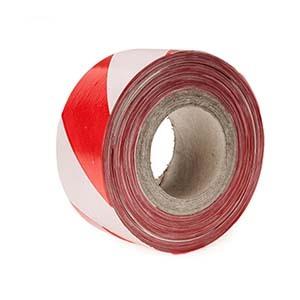
- Marking floors, hazards and work areas with the right tape gives teams a clear visual guide during fit out, maintenance and handover work.
- Carrying out quick repairs to sheets, dust barriers, packaging and temporary protection is where general purpose tape, duct tape and gaffer tape earn their keep.
Choosing the Right Tape
Sorting the right tape is simple: match it to the surface, the environment and how long it actually needs to stay there.
1. Temporary Hold or Proper Seal
If you just need to hold sheeting, bundle materials or make a quick repair, general purpose tape or cloth tape will usually do it. If you need an airtight or weather-resistant seal on membranes, boards or joints, buy a tape made for that exact job or you will be redoing it.
2. Smooth Surfaces vs Rough Site Materials
If you are sticking to clean glass, plastic or painted trim, you can use a cleaner, lighter adhesive tape. If you are working on dusty blockwork, rough timber or worn protection boards, go for a more aggressive adhesive or cloth-backed option that can bite and stay put.
3. Indoor Finishing vs Outside Abuse
For decorating and internal fit out, use tapes that remove cleanly and will not drag finishes off with them. For external jobs, damp areas or rough handling in the van, pick tape that can cope with moisture, temperature changes and a bit of punishment.
4. Do Not Guess on Specialist Jobs
If the job is electrical, membrane sealing or surface masking, do not make do with whatever roll is nearest. Use the right type, because the wrong tape either fails early, leaves a mess behind or creates a safety problem you did not need.
Who Uses These on Site?
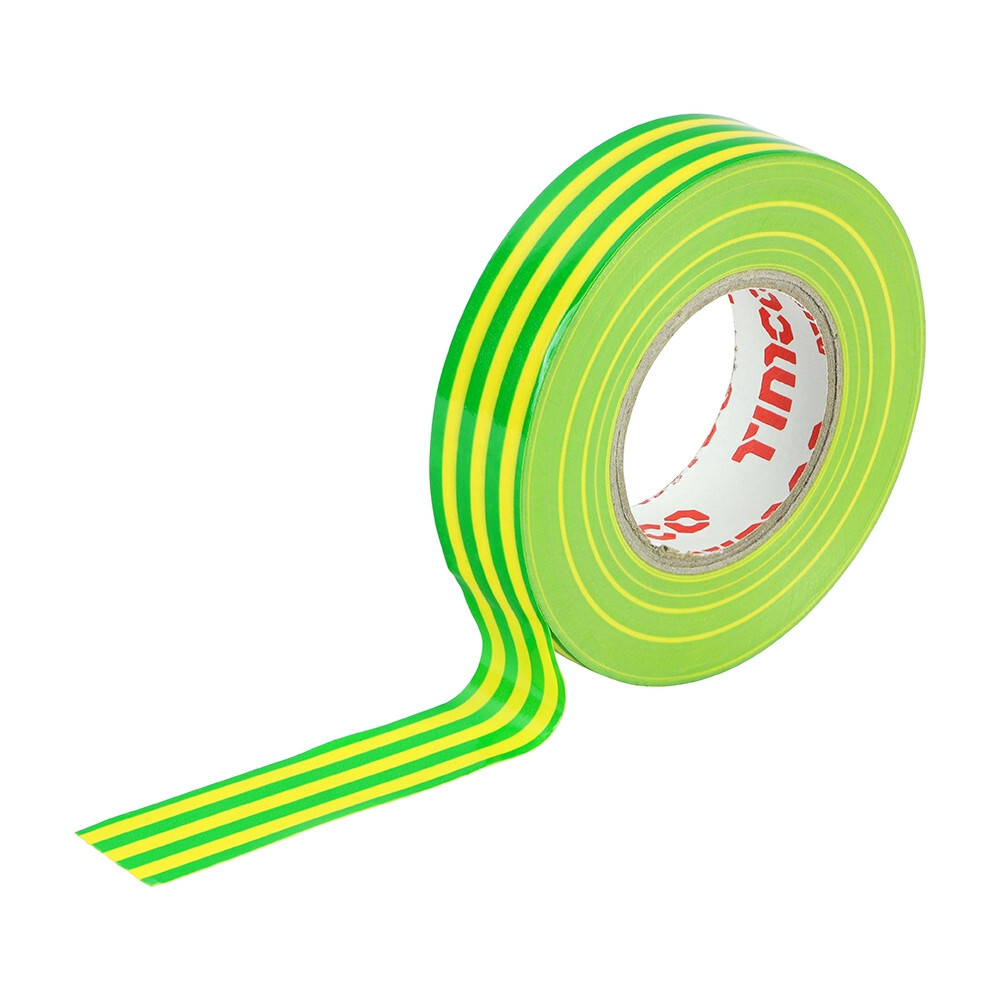
- Sparkies use tape for wrapping, marking and tidying cable runs, with insulating types kept close for safe finishing and quick identification work.
- Decorators reach for masking and repair tapes when protecting edges, covering fittings and keeping paint lines clean on snagging and finish jobs.
- Builders and general trades keep duct tape and general purpose tape in the van for temporary fixes, sheet repairs and sealing up materials in poor weather.
- HVAC fitters and plumbers use adhesive tape for marking runs, securing insulation edges and dealing with awkward little jobs that do not justify a full rework there and then.
- Site managers and maintenance teams swear by a few rolls on hand for cordoning off areas, patching temporary protection and sorting fast fixes before handover.
Useful Extras That Make Tape Work Harder
A few simple extras save wasted rolls, poor adhesion and messy rework.
1. Knife or Safety Cutter
Tearing tape by hand sounds quick until you end up with ragged edges and wasted lengths. A decent cutter gives you clean starts and neat finishes, especially when you are masking up or sealing long runs.
2. Surface Cleaner or Wipes
A lot of tape failures come down to dust, damp or grease on the surface. Wipe it down first and the adhesive has half a chance of sticking properly instead of peeling off before the job is finished.
3. Marker Pens
If you are using tape for labelling cable runs, marking zones or identifying protected areas, a marker saves confusion later and stops other trades pulling the wrong thing apart.
Choose the Right Tape for the Job
Use this quick guide to avoid buying the wrong roll for the work in front of you.
| Your Job | Tape or Type | Key Features |
|---|---|---|
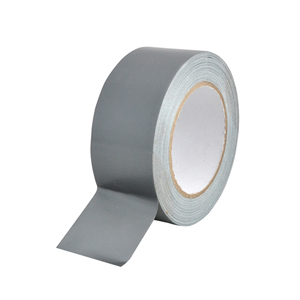
| Quick repairs, bundling and rough site fixes | Duct tape or general purpose tape | Strong adhesive, fast tear, useful on uneven materials and temporary patch jobs |
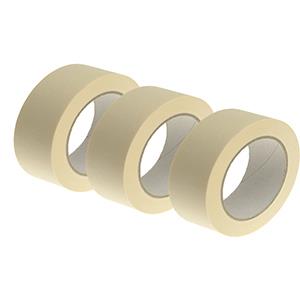
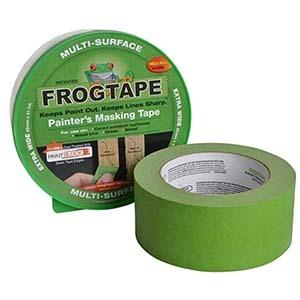
| Protecting edges before painting or sealing | Masking tape | Clean removal, neat lines, less chance of damaging finished surfaces |
| Holding floor protection, signs or temporary covers in place | Gaffer tape or cloth tape | Good grip, flexible backing, easier to handle on site than flimsy plastic tape |
| Joining membranes or sealing building details | Building tape | Made for sealing laps and joints, better long-term hold than a general purpose roll |
| Wrapping and identifying wiring work | Electrical tape | Flexible, insulating and suited to electrical finishing rather than general repairs |
Common Buying and Usage Mistakes
- Buying general purpose tape for specialist work is the usual one. It might hold for an hour, but it will not replace proper electrical, masking or building tape when the job needs a specific adhesive or backing.
- Sticking tape onto dusty, damp or greasy surfaces is asking for it to lift. Give the area a quick clean and dry first or do not be surprised when corners start peeling back.
- Leaving the wrong tape on finished surfaces for too long can mark paint, leave residue or pull off the finish. If clean removal matters, buy the right masking or surface-safe option from the start.
- Using duct tape where a neat finish matters usually creates more snagging. It is fine for rough work, but for visible areas or customer-facing jobs you want a tape that comes off clean and sits tidy.
- Keeping rolls loose in a dirty van shortens their life fast. Once the edges get clogged with dust and grit, the tape stops bonding properly and half the roll becomes waste.
Duct Tape vs Gaffer Tape vs Masking Tape
Duct Tape
This is the rough-and-ready choice for patching, bundling and temporary holding on site. It grips well and deals with awkward materials, but it is not the one to use where clean removal or a tidy finish matters.
Gaffer Tape
Gaffer tape is a better shout when you still need a tough cloth tape but want cleaner handling and easier removal. It suits floor runs, temporary protection and event-style fixing better than heavy repair work.
Masking Tape
Masking tape is for prep and finish work, not abuse. It is what decorators and finish trades use for crisp edges and cleaner removal, but it will not stand up to the same punishment as duct tape or gaffer tape.
Which One Should You Buy
If the job is rough, dirty and temporary, start with duct tape. If you need cloth-backed tape that is easier to work with on visible areas, go gaffer tape. If the aim is protecting finishes and peeling it off later without a mess, use masking tape.
Maintenance and Care
Keep Rolls Clean
Store tape where the edges will not pick up dust, plaster and grit. Once the roll gets contaminated, the adhesive loses grip and you end up fighting it on the job.
Avoid Heat and Damp
Leaving tape on a van dash or in a damp box can ruin it. Too much heat softens the adhesive, and damp conditions can affect how well it sticks when you need it.
Seal the Loose End
Press the end back neatly after use so the roll stays tidy and ready to grab. If it folds back on itself or gets buried, you waste time peeling and tearing at the next job.
Use Older Rolls First
Rotate stock if you keep several types in the van or stores. Older rolls can dry out or lose tack over time, so use them up before opening fresh packs.
Replace Failed or Dry Rolls
If a tape has gone brittle, keeps splitting badly or will not bond to a clean surface, bin it. For the price of a new roll, it is not worth risking a failed seal or a botched finish.
Why Shop for Tape at ITS?
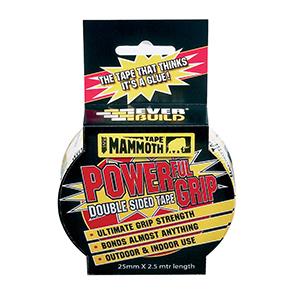
Whether you need a single roll for a quick repair or a full trade stock of tape for site, van and workshop use, we have the range ready. That includes Building Tapes, Cloth Tapes, Double Sided and Repair Tapes, Electrical Tape and Masking Tapes. It is all stocked in our own warehouse, in ready-to-go quantities, for next day delivery when the job cannot wait.
Tape FAQs
What tapes does ITS stock for trade use?
We stock tape for the jobs trades actually deal with, including adhesive tape for sealing, masking, insulating, repairing and fixing. That covers duct tape, gaffer tape, general purpose tape, electrical tape, masking tape and more specialist options for building and repair work.
What is the difference between duct tape and gaffer tape?
Duct tape is usually the tougher all-rounder for patching, sealing and rough site repairs. Gaffer tape is still strong, but it is often easier to handle and remove, so it suits temporary fixing, floor runs and jobs where you do not want loads of sticky residue left behind.
Will general purpose tape actually hold on a dusty site?
It will for light temporary work, but be honest about the surface. On dusty blockwork, rough timber or damp protection sheets, even a decent general purpose tape can struggle. Wipe the surface first and step up to a more aggressive cloth or building tape if the hold really matters.
Can I use one adhesive tape for every job in the van?
No, and that is where people waste money. A roll of duct tape is handy, but it is not a substitute for masking tape on finished paint, electrical tape on wiring, or proper sealing tape on membranes and joints.
Does tape leave a mess behind when you pull it off?
Some does, especially if it has been left on too long, baked in the sun or stuck to the wrong surface. If clean removal matters, use masking or surface-safe tape instead of assuming a rough repair tape will peel away neatly.
Is cheap tape ever worth it for trade use?
Usually not. Cheap tape splits badly, curls at the edges and lets go when the surface is less than perfect. You end up using more of it and redoing the job, which costs more than buying the right roll first time.