Fixings & Fasteners

Fixings and fasteners are the backbone of any construction job, securing materials from timber frames to steel beams. Essential for joinery, masonry, and metalwork, these components ensure solid, reliable connections in structures. Whether it's screws, nails, or bolts, you need fixings that withstand site conditions and deliver strength you can count on.

What Are Fixings & Fasteners Used For?

  • Timber Framing Ensures robust joints in stud walls and roof trusses, keeping structures stable.
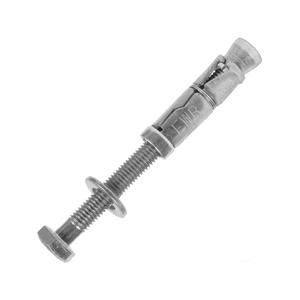
  • Masonry Work Anchors heavy loads into brick and blockwork, providing secure fixtures.
  • Metal Fabrication Joins metal sheets and profiles, critical for creating frameworks and supports.
  • Finishing Touches Fixes skirting, architraves, and other trim with precision for a polished look.

Who Uses These Fixings & Fasteners?

  • Joiners and carpenters constructing frames and fitting out interiors.
  • Bricklayers and masons anchoring structural elements and fittings.
  • Metalworkers and fabricators assembling frames and supports on-site.
  • DIY enthusiasts tackling home improvements and repair projects.

Choosing the Right Fixings & Fasteners

Selecting the right fixing or fastener is crucial for job safety and durability. Consider these factors:

1. Material Compatibility

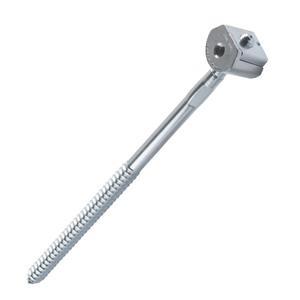
Ensure your fixings match the materials-wood screws for timber, masonry anchors for brick, and self-tapping screws for metal.

2. Load Requirements

For structural applications, choose fasteners rated for the load. Use high-tensile bolts for heavy-duty connections.

3. Environmental Conditions

Opt for galvanised or stainless steel fixings for outdoor or damp locations to prevent rust and corrosion.

Essential Accessories for Fixings & Fasteners

Enhance your fixings with these must-have accessories for efficient and secure installations.

1. Washers

Distribute load and prevent damage to surfaces when tightening bolts and screws.

2. Wall Plugs

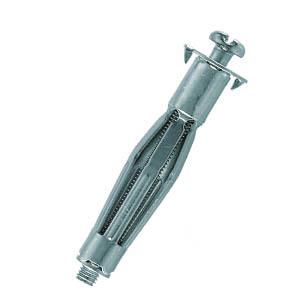
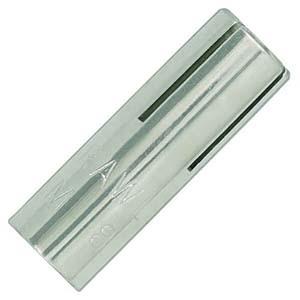
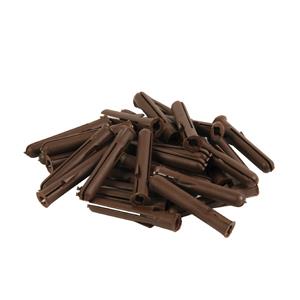
Provide a secure hold in masonry or plasterboard, essential for hanging heavy items.

Fixings & Fasteners FAQs

What type of screw should I use for outdoor projects?

For outdoor work, use galvanised or stainless steel screws to resist rust and corrosion from weather exposure.

How do I choose the right size of fixing?

Consider the thickness of the materials and the load they will bear. Use longer screws for thicker materials and bolts for heavy loads.

Can I use wood screws in masonry?

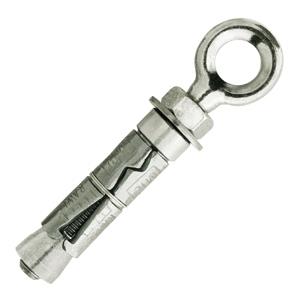
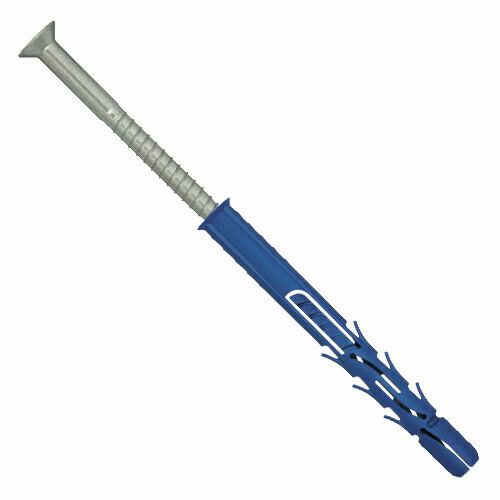
No, wood screws are not suitable for masonry. Use masonry anchors or plugs with screws designed for brick or concrete.

Are there specific fixings for plasterboard?

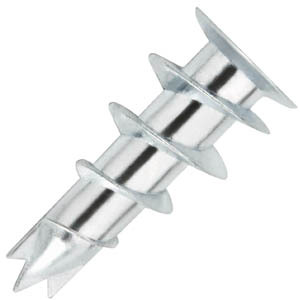
Yes, use drywall anchors or toggle bolts for secure fixing in plasterboard without damaging the surface.
Read more

Fixings & Fasteners

Fixings and fasteners are the backbone of any construction job, securing materials from timber frames to steel beams. Essential for joinery, masonry, and metalwork, these components ensure solid, reliable connections in structures. Whether it's screws, nails, or bolts, you need fixings that withstand site conditions and deliver strength you can count on.

What Are Fixings & Fasteners Used For?

  • Timber Framing Ensures robust joints in stud walls and roof trusses, keeping structures stable.
  • Masonry Work Anchors heavy loads into brick and blockwork, providing secure fixtures.
  • Metal Fabrication Joins metal sheets and profiles, critical for creating frameworks and supports.
  • Finishing Touches Fixes skirting, architraves, and other trim with precision for a polished look.

Who Uses These Fixings & Fasteners?

  • Joiners and carpenters constructing frames and fitting out interiors.
  • Bricklayers and masons anchoring structural elements and fittings.
  • Metalworkers and fabricators assembling frames and supports on-site.
  • DIY enthusiasts tackling home improvements and repair projects.

Choosing the Right Fixings & Fasteners

Selecting the right fixing or fastener is crucial for job safety and durability. Consider these factors:

1. Material Compatibility

Ensure your fixings match the materials-wood screws for timber, masonry anchors for brick, and self-tapping screws for metal.

2. Load Requirements

For structural applications, choose fasteners rated for the load. Use high-tensile bolts for heavy-duty connections.

3. Environmental Conditions

Opt for galvanised or stainless steel fixings for outdoor or damp locations to prevent rust and corrosion.

Essential Accessories for Fixings & Fasteners

Enhance your fixings with these must-have accessories for efficient and secure installations.

1. Washers

Distribute load and prevent damage to surfaces when tightening bolts and screws.

2. Wall Plugs

Provide a secure hold in masonry or plasterboard, essential for hanging heavy items.

Fixings & Fasteners FAQs

What type of screw should I use for outdoor projects?

For outdoor work, use galvanised or stainless steel screws to resist rust and corrosion from weather exposure.

How do I choose the right size of fixing?

Consider the thickness of the materials and the load they will bear. Use longer screws for thicker materials and bolts for heavy loads.

Can I use wood screws in masonry?

No, wood screws are not suitable for masonry. Use masonry anchors or plugs with screws designed for brick or concrete.

Are there specific fixings for plasterboard?

Yes, use drywall anchors or toggle bolts for secure fixing in plasterboard without damaging the surface.
ITS Click and Collect Icon
What3Words:
Get Directions
Store Opening Hours
Opening times