Electrical Essentials for Everyday Work
From sockets, switches and cable reels to junction boxes, site lighting and fused spurs, our Everyday Electrical range is packed with the core gear trades rely on day in, day out. Whether it’s a quick fix or a full install, you’ll find quality, trade-rated products in stock and ready for next-day delivery.

Shop By Department















Electrical
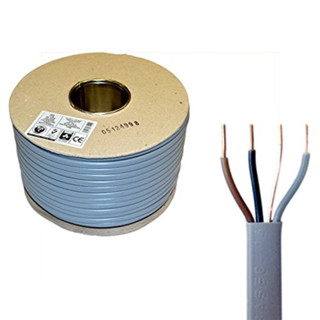
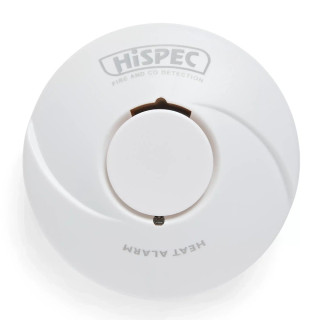
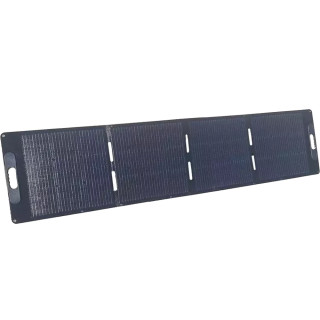
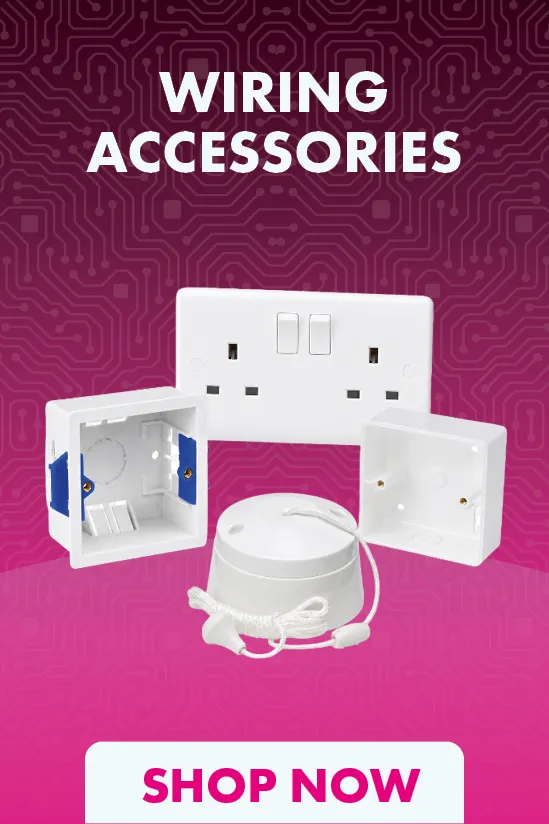
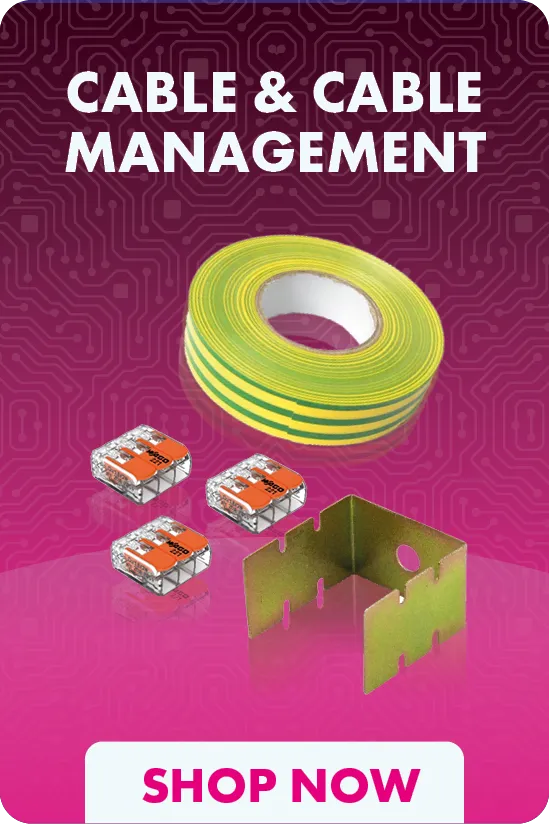
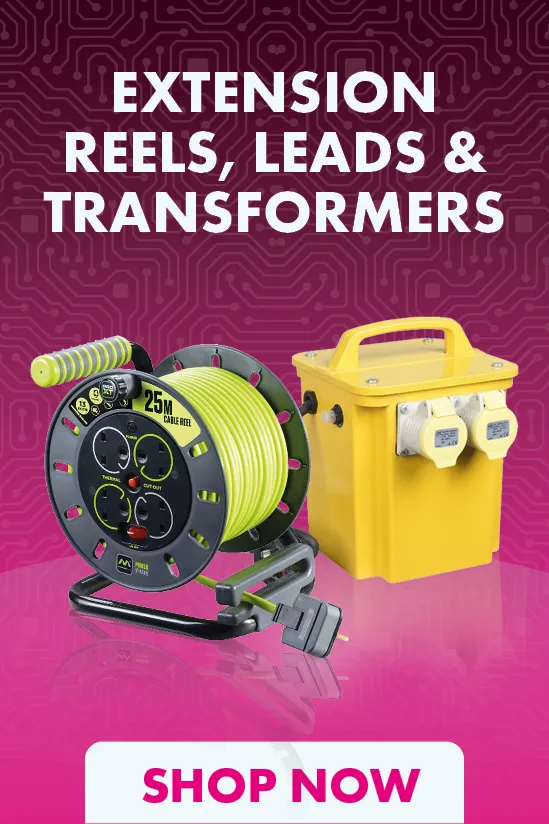
Electrical essentials keep site power running safely, from site lighting and extension leads to cable reels, transformers and wiring accessories.
When you're fitting out, fault finding or just trying to keep a job moving in poor light, these are the bits that stop hold-ups. Proper electrical essentials cover temporary power supply, site lighting, cable management, consumer units and wiring accessories that stand up to daily site use. Pick the right voltage, lead length and protection for the job, then get your electrical tools sorted.
What Are Electrical Essentials Used For?
- Powering drills, chargers and lighting from a safe temporary power supply when first fix starts before the permanent electrics are signed off.
- Lighting lofts, voids, hallways and external work areas so sparkies, fitters and snagging teams can see properly and work safely.
- Running cable reels and transformers across site to get power where it is needed without trailing unsafe leads through busy access routes.
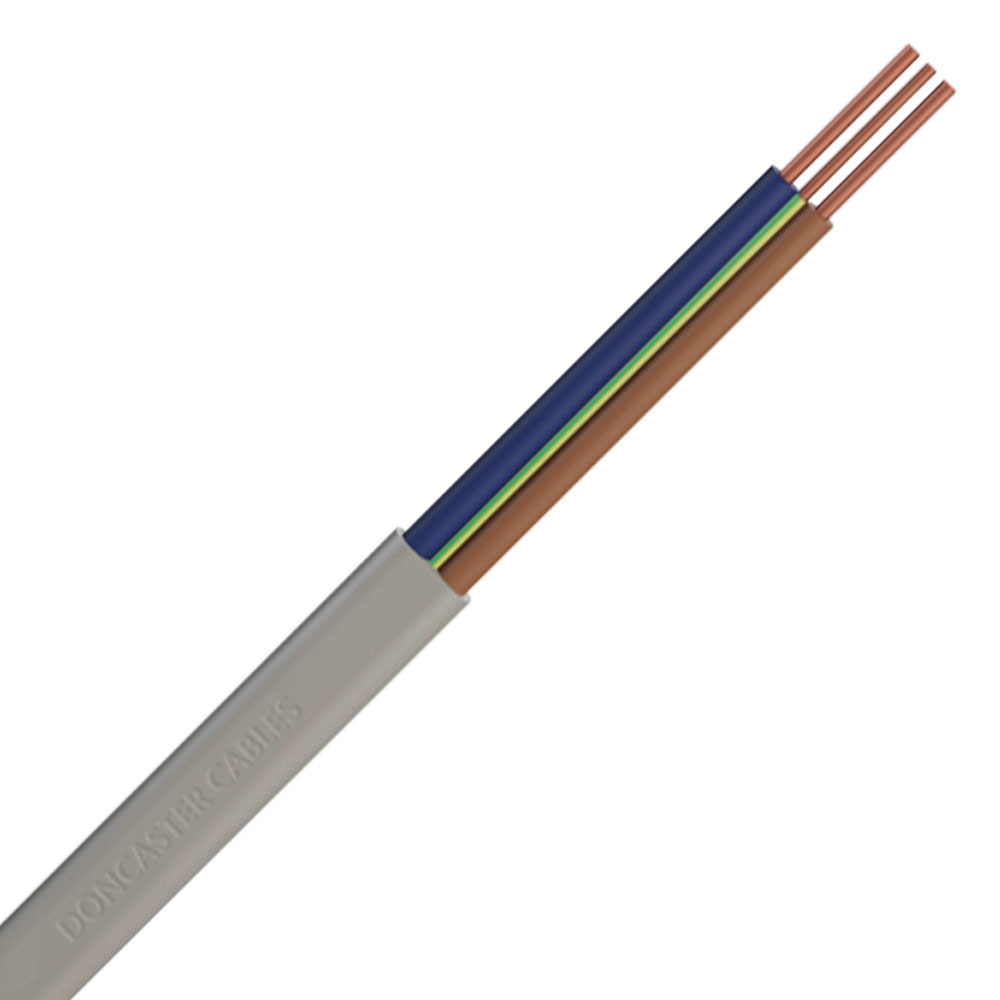
- Fitting consumer units, wiring accessories and connection gear during installs, refurb work and planned maintenance on domestic and commercial jobs.
- Managing extension leads and cable management properly in workshops, plant rooms and site cabins where damaged or tangled leads waste time fast.
Who Uses These on Site?
- Sparkies use electrical essentials every day for first fix, second fix and temporary power setups, especially when they need safe site lighting and dependable wiring accessories.
- Site managers and foremen rely on cable reels and transformers to keep different trades powered up without patching together unsafe leads from the back of the van.
- Maintenance teams keep extension leads, site lighting and electrical tools close by for plant rooms, emergency call-outs and fault finding in poorly lit areas.
- Builders, chippies and fitters reach for temporary power supply gear on refurbs and shell jobs where there is no finished power but the work still has to carry on.
- Handover and snagging teams use portable lighting and cable management kit to work cleanly through final checks without turning finished areas into a trip hazard.
Choosing the Right Electrical Essentials
Match the gear to the site setup first. If the power source, environment and load are wrong, the rest of the job gets awkward quickly.
1. Temporary Power First
If you are working on a bare site or early-stage refurb, sort your temporary power supply before anything else. Go for the right transformers, cable reels and extension leads for the tools and lighting actually being used, not just whatever is nearest the van door.
2. Pick Lighting by Area, Not Guesswork
If you are in lofts, cupboards or service risers, compact site lighting is easier to position and less likely to get knocked over. If you are lighting open floors, external work zones or full rooms, you need broader coverage and a stable base, otherwise you just create shadows and wasted trips.
3. Check Lead Length and Site Abuse
Do not buy short extension leads and expect them to cover a full plot or floor plate. If the job means dragging power through corridors, up stairs or around scaffold, choose cable reels and transformers built for heavy-duty site use with enough reach to avoid daisy chaining.
4. Fit the Accessories to the Install
If you are doing board changes or final connections, make sure your wiring accessories and consumer units match the spec and the environment. There is no point saving a few quid on the wrong fitting if it slows the install or leaves you short on the day.
The Basics: Understanding Electrical Essentials
This category covers the practical kit that keeps power available, work areas lit and installations moving. The important part is knowing which bits handle supply, which bits handle distribution, and which bits finish the install.
1. Temporary Power Supply
This is the setup that gets power around site before the permanent system is live. Cable reels, transformers and extension leads let you run tools and site lighting safely where fixed sockets are not ready yet.
2. Site Lighting
Site lighting is there to make the job safer and quicker, not just brighter. Good lighting cuts mistakes during wiring, testing, cutting in and snagging, especially in lofts, corridors, basements and external work areas.
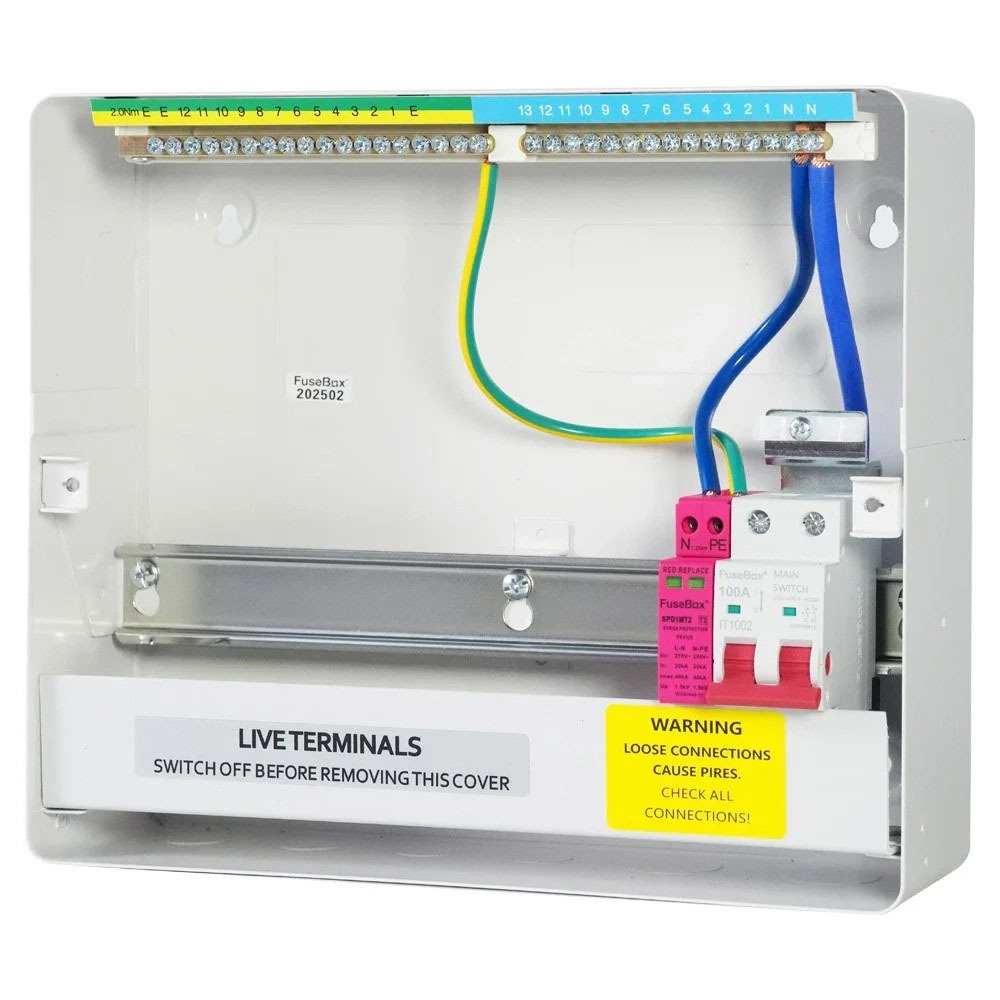
3. Wiring Accessories and Consumer Units
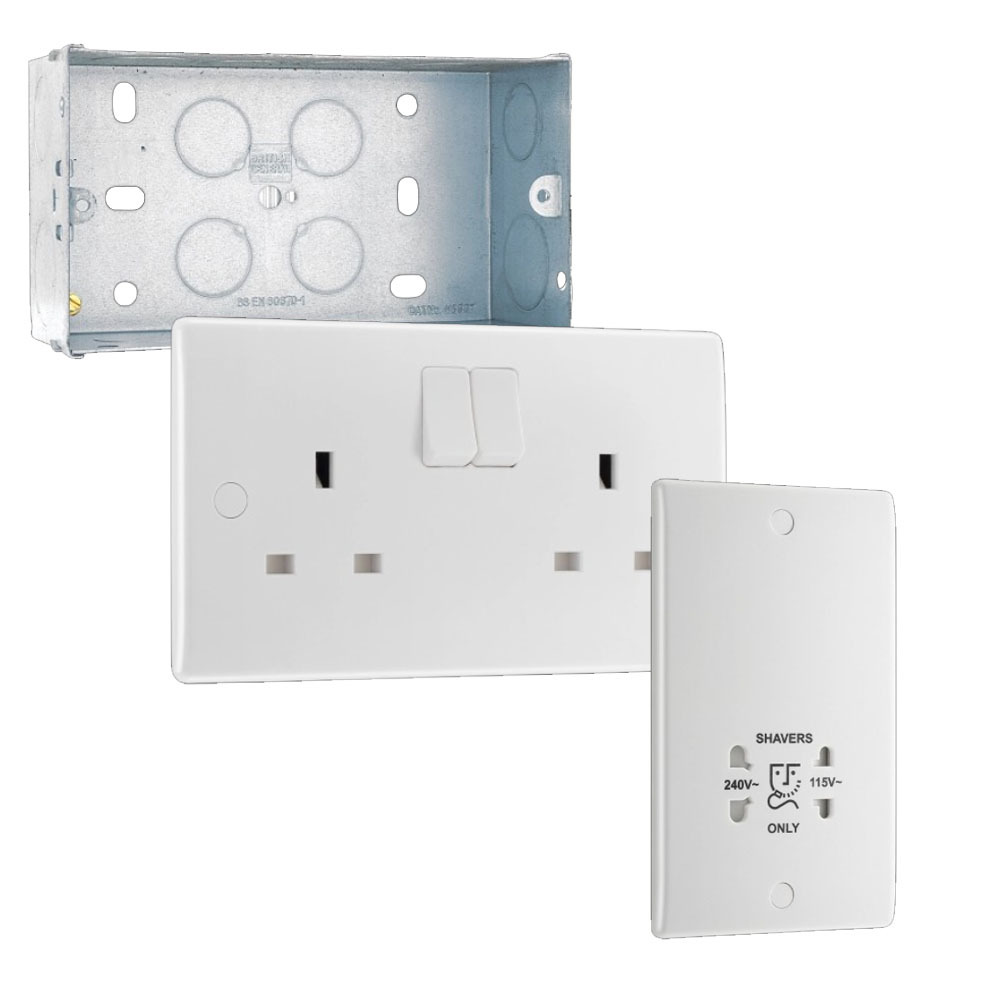
These are the install side of the job. Wiring accessories finish the points you use every day, while consumer units control and protect the circuits feeding the building.
Electrical Accessories That Keep the Job Moving
A few sensible add-ons stop downtime, reduce trip hazards and make temporary power setups far less painful.
1. Spare Extension Leads
Keep a proper spare lead on hand so one damaged cable does not shut down half the floor. It also saves the usual bad idea of joining too many short leads just to reach one last room.
2. Lead Stands and Cable Management
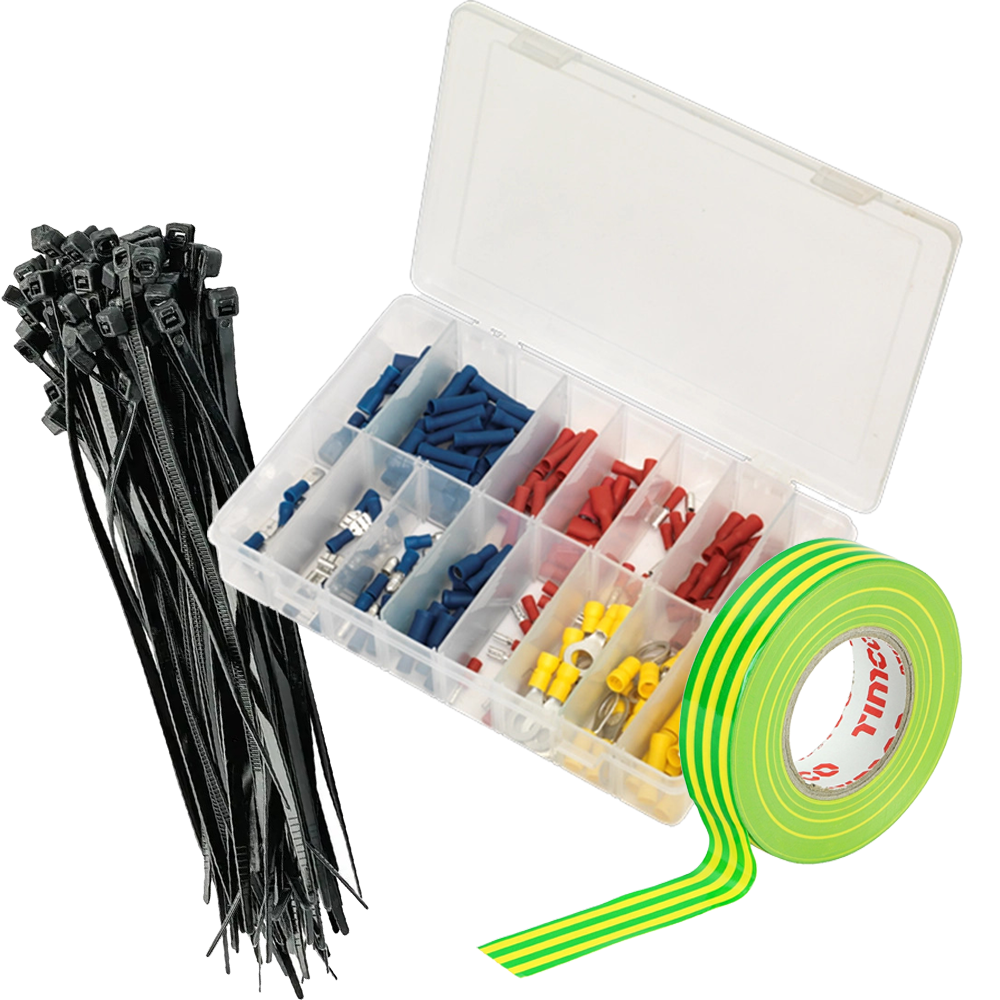
These stop reels and loose cables becoming a mess around access routes, stairs and doorways. You will be glad of it when the site stays safer and your leads are not getting crushed under every trolley and foot.
3. Spare Lamps or Portable Light Heads
If your only site light fails late in the day, the whole task slows down. A spare light head or replacement lamp keeps inspections, fix work and snags going without waiting until tomorrow.
Choose the Right Electrical Essentials for the Job
Use this quick guide to match the kit to the work in front of you.
| Your Job | Category or Type | Key Features |
|---|---|---|
| Early stage site work with no fixed sockets live | Cable reels and transformers | Safe temporary power supply, site-ready build, enough output for tools and lights |
| Working in dark rooms, lofts or corridors | Portable site lighting | Good spread of light, stable positioning, easy to move between work areas |
| Running power across large plots or refurb floors | Heavy-duty extension leads | Long reach, robust cable, plugs and sockets that cope with regular site abuse |
| Board changes and new circuit installs | Consumer units and wiring accessories | Correct configuration, reliable connections, suitable for the install spec |
| Keeping leads tidy in busy access routes | Cable management | Reduces trip risks, protects cables from damage, keeps work areas organised |
Common Buying and Usage Mistakes
- Choosing domestic-grade leads for rough site work usually ends in damaged insulation, broken plugs and lost time. Buy heavy-duty site gear if it is being dragged through dust, doorways and wet ground.
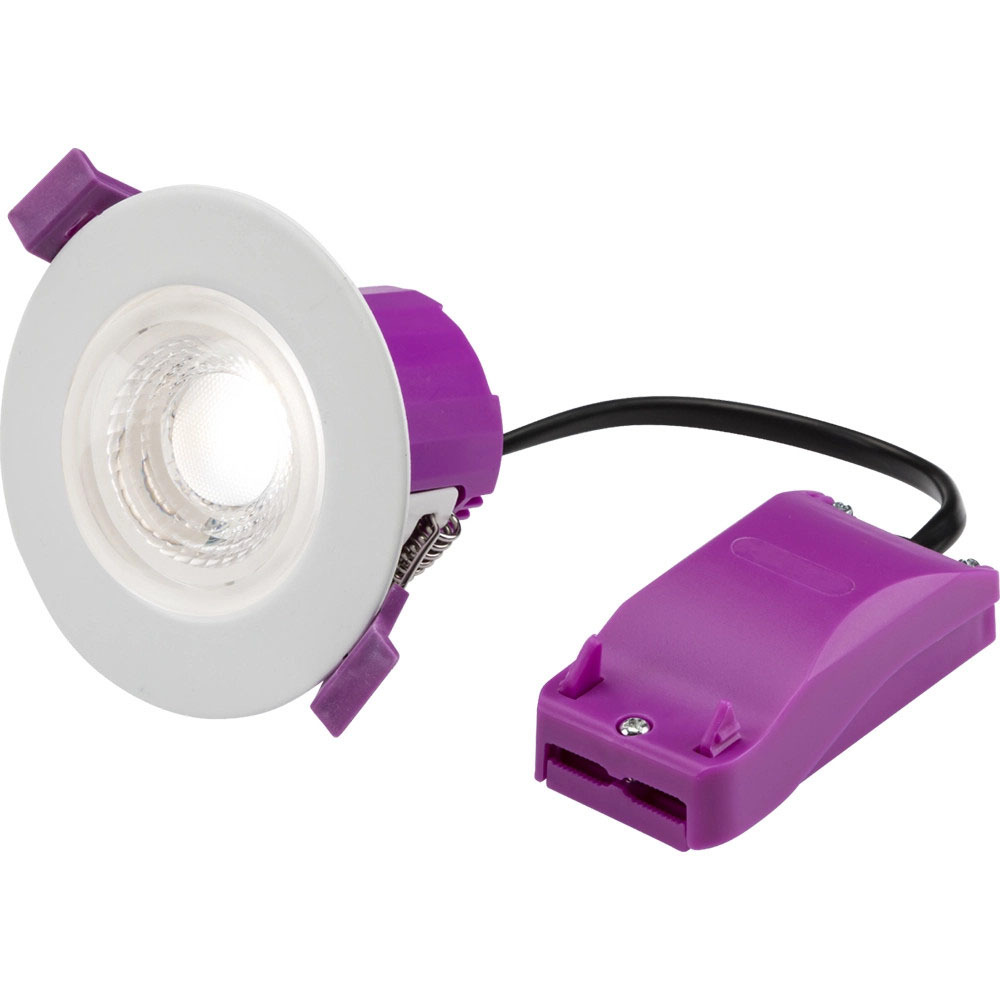
- Using site lighting that is too small for the area leaves dark patches and poor visibility. Match the light output and spread to the room, landing or external zone you are actually working in.
- Buying the wrong cable length means leads get daisy chained across the floor. That creates trip hazards and voltage drop issues, so get one proper length instead of making do with three poor ones.
- Ignoring cable management ruins leads faster than most people admit. If reels and extension leads are left twisted, crushed or run through traffic routes, they will not last and they will not stay safe.
- Picking wiring accessories or consumer units without checking the install requirements wastes time on the day. Confirm the spec first so you are not stuck with the wrong configuration halfway through the job.
Site Lighting vs Cable Reels and Transformers vs Wiring Accessories
Site Lighting
Best when the main problem is visibility. Use it for loft work, plant rooms, first fix areas and late finishes where poor light slows the job or causes mistakes. It will not solve your power distribution issues, but it makes detailed work safer.
Cable Reels and Transformers
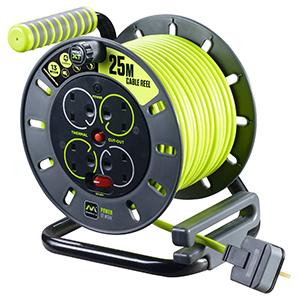
These are for getting temporary power supply around site safely. They are the right call when the fixed supply is not ready, tools need feeding across distance, or multiple work zones need power. They do the hard work before the permanent install is live.
Wiring Accessories
Choose these when you are finishing or modifying the actual electrical install. They are about proper connections, final points and usable circuits rather than temporary setup. If the job is fit-out or board work, this is the range you are really in.
Maintenance and Care
Check Leads Before Every Shift
Look over extension leads, cable reels and plugs for cuts, crushed sections and loose ends before they go back into use. Catching damage early is better than finding it when the power drops mid-job.
Keep Lighting Clean
Dust, plaster and site muck soon dull light output. Wipe site lighting down regularly so you get the brightness you paid for and do not mistake a dirty lens for a weak unit.
Store Cables Properly
Coil leads neatly and keep them off damp floors where possible. Throwing cables in a knot at the end of the day shortens their life and guarantees frustration on the next setup.
Replace Damaged Fittings Promptly
If sockets, plugs or housings are cracked or loose, change them out straight away. Trying to squeeze one more week from damaged electrical gear is false economy on any site.
Keep Install Parts Dry and Organised
Store wiring accessories and consumer unit parts in clean boxes or cases so nothing gets damp, bent or lost. It speeds up the install and stops those last-minute missing-part hold-ups.
Why Shop for Electrical Essentials at ITS?
Whether you need site lighting, cable reels and transformers, wiring accessories, consumer units or heavy-duty extension leads, we stock the full range for real site work. It is all held in our own warehouse, in stock and ready for next day delivery, so you can get the right electrical essentials on site without hanging the job up.
Electrical Essentials FAQs
Can these lighting tools handle outdoor conditions?
Yes, many site lighting options are built for outdoor use, but check the rating before you buy. For exposed work, go for units made to deal with damp, knocks and dirt rather than a light meant for clean indoor areas.
What power options are available for these tools?
You will find mains powered options, temporary power supply setups using cable reels and transformers, and portable lighting that suits fast-moving jobs. The right choice depends on whether the site has a live supply, how far you need to run power, and how often the kit needs moving.
What are electrical essentials used for on site?
They cover the practical gear that keeps a job running safely. That means powering tools before the permanent supply is live, lighting dark work areas, managing cables properly, and fitting the wiring accessories and consumer units needed to complete the install.
Which electrical essentials are best for temporary power supply?
Cable reels and transformers are the main bits to look at first, backed up by proper extension leads rated for site use. They are what you need when the job is live but the building electrics are not ready yet.
How do I choose the right site lighting for my job?
Start with the work area, not the light itself. Small spaces and inspection work need compact lights you can position easily, while open areas and whole-room tasks need wider coverage and a more stable setup so you are not working in your own shadow.
Are cable reels and extension leads suitable for heavy-duty site use?
Yes, if you choose site-ready versions built for rough handling. Heavy-duty reels and extension leads are made for repeated use, longer runs and harsher conditions, but they still need checking regularly for damage and safe routing.