Site Lighting & Torches
LED work light kit keeps dark rooms, lofts and outdoor jobs properly lit, whether you need battery site lights, 240v work lights or a quick grab site lamp.
When you're working in half-finished rooms, loft voids or out on a late handover, bad lighting slows everything down and hides mistakes. These work lights are built for proper site use, from rechargeable site lights for quick snagging to 240v site lights and tripod setups for bigger areas. If you already run cordless kit, battery powered site lights make sense; if you're in one spot all day, mains site lighting is usually the better shout.
What Are LED Work Lights Used For?
- Lighting up first fix in dark plots, loft spaces and basements where you need both hands free and cannot rely on poor temporary lighting.
- Flooding larger rooms, corridors and external work areas during fit-out, snagging and handover so missed fixings, uneven finishes and cable runs are easier to spot.
- Working outside on winter afternoons, roofing jobs and groundworks where a rechargeable site light or battery site light keeps you going without hunting for power.
- Backing up generators and temporary power on refurbs and new builds where 240v work lights give you longer runtime for all-day decorating, boarding or install work.
- Keeping vans, containers, plant areas and service cupboards visible when you are fault-finding, loading gear or sorting kit before first light.
Choosing the Right LED Work Light
Match the light to the area and the power you have on site. That matters more than buying the biggest lamp on the page.
1. Battery or 240v
If you are moving room to room, up ladders or working outside, go for a rechargeable site light or battery site light so you are not dragging leads through wet ground and fresh finishes. If you are set up in one area all day, 240v work lights usually give you longer uninterrupted lighting with no battery swaps.
2. Spot Light or Area Flood
If you are inspecting a board, tracing pipework or checking a detail, a tighter beam is more useful than raw output. If you are lighting a whole room, stairwell or external work zone, pick wider flood-style site lights that spread light evenly instead of blasting one bright patch.
3. Mounting and Positioning
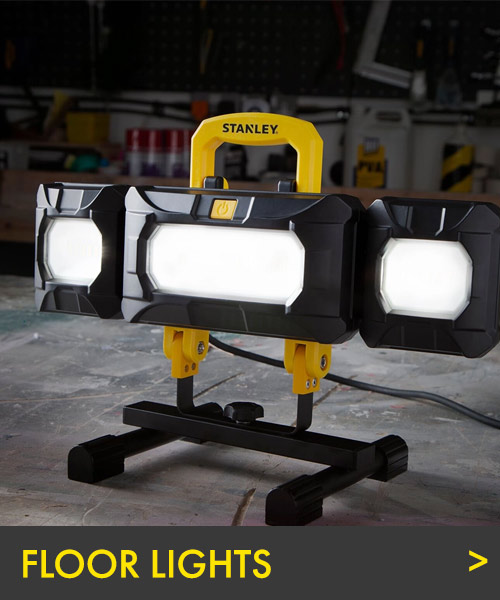
Floor units are fine for small rooms and local tasks, but they get blocked easily once materials start piling up. If you need light over a wider area or above head height, a stand or tripod setup makes far more sense and cuts the harsh shadows that make finishing jobs awkward.
4. Runtime and Shift Length
Do not just look at max brightness figures. If the job runs into a full evening shift, check what the light gives you on the setting you will actually use. A battery powered site light that lasts all shift on medium is often more useful than one that is blinding for an hour then dies.
Who Uses These on Site?
- Sparkies use LED work light kit for board changes, cable pulls and fault-finding in cupboards, risers and ceiling voids where shadows waste time.
- Chippies and dryliners rely on site lights when cutting in darker rooms or boarding late because bad light is how wonky lines and missed fixings happen.
- Decorators and snagging teams swear by a decent builders light because it shows filler marks, flashing paint and uneven prep that ordinary room light hides.
- Groundworkers, roofers and landscapers reach for battery site lights on outdoor jobs where there is no tidy power source and daylight disappears long before the work does.
- Site managers and maintenance teams keep a rechargeable site light in the van for inspections, emergency call-outs and quick checks in unlit plant rooms.
The Basics: Understanding Site Lighting
Site lighting is not just about brightness. The useful bit is getting the right spread, power source and setup for the area you are working in.
1. Flood Light vs Task Light
A flood-style LED site light throws light across a room or work area so everyone can see properly. A more focused task light is better when you are checking fixings, reading markings or working inside cupboards and voids.
2. Battery vs Mains
Battery site lights are built for mobility and quick setup, which is why they suit snagging, outdoor work and jobs with no proper power yet. Mains site lights are the better option when you need steady output in one place for hours at a time.
3. Height Changes the Result
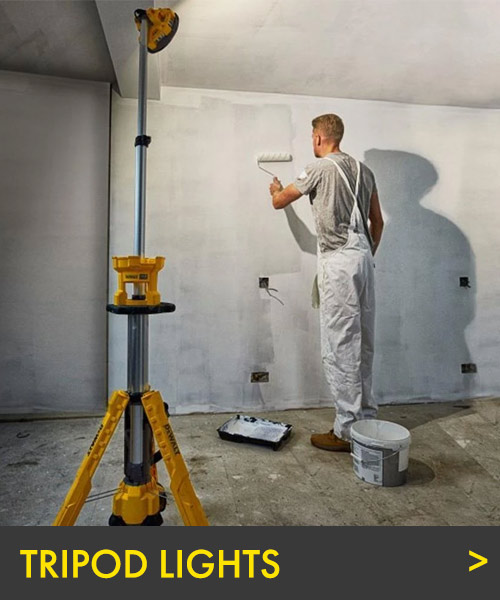
A site lamp on the floor will light the lower half of a room, but it also throws hard shadows behind materials and across your work. Get the light higher on a stand or tripod and the whole area becomes easier to work in, especially for decorating, boarding and inspections.
Site Lighting Extras That Make the Job Easier
A decent light is only half the story. The right extras save setup time and stop the usual site-lighting faff.
1. Spare Batteries and Chargers
If you are running a cordless site light on late shifts or outdoor jobs, a spare battery is the obvious one. It saves that annoying point where the light drops out halfway through a fix and you are left finishing by phone torch.
2. Tripods and Stands
Getting the light off the floor makes a massive difference in bigger rooms and external areas. A proper stand stops shadows behind stacks of board, buckets and boxes, and means you are lighting the work instead of your boots.
3. Extension Leads
For 240v site lights, a good extension lead keeps you working where the power point is nowhere near the room you are in. It is basic kit, but it beats daisy-chaining whatever tired lead happens to be lying around site.
4. Carry Cases and Protective Storage
Lights get thrown in vans with drills, fixings and offcuts, which is how lenses get cracked and brackets bent. A case or protected storage keeps the light usable instead of turning it into another damaged bit of kit by Friday.
Choose the Right LED Work Light for the Job
Use this as a quick guide before you pick your site lighting.
| Your Job | Category or Type | Key Features |
|---|---|---|
| Quick inspections, fault-finding and van checks | Compact rechargeable site light | Portable size, fast setup, decent beam control, easy charging |
| Room-by-room fit-out and snagging | Battery site light | Cordless use, solid runtime, adjustable head, stable base |
| All-day decorating, boarding or install work in one area | 240v work light | Constant output, no battery changes, wide flood beam, robust cable setup |
| Lighting a wide room, hallway or external work zone | Tripod site light | Raised beam height, broad light spread, fewer shadows, better area coverage |
| Outdoor evening work in plots and unfinished areas | Battery powered site lights | No leads, easy repositioning, weather-ready build, strong runtime on working settings |
Common Buying and Usage Mistakes
- Buying on max brightness alone is a common mistake. A light can look brilliant on paper but be useless if the beam is too narrow or the runtime collapses on the setting you actually need.
- Picking 240v site lights for jobs with no reliable temporary power just creates hassle. If you are working across plots, outdoors or in unfinished spaces, battery site lights are usually the smarter choice.
- Leaving lights on the floor in busy rooms causes shadows, glare and plenty of knocks. If the area is large or cluttered, get the light up higher on a stand or tripod.
- Ignoring runtime catches loads of people out on late shifts. Check how long the rechargeable site light lasts at usable output, not just the lowest economy mode nobody works on.
- Using one small task light to cover a whole room wastes time and misses defects. Match the light spread to the area so you can actually see the work properly.
Battery Site Lights vs 240v Work Lights vs Tripod Lights
Battery Site Lights
Best when you are moving about, working outside or on sites where power is patchy. They are quicker to place and safer where leads would be in the way, but you need to stay on top of batteries if the shift runs long.
240v Work Lights
The better choice for fixed work areas and long days in one room. They give steady output without battery swaps, but they are less convenient on changing jobs and need safe cable runs.
Tripod Lights
Built for area coverage where floor-level lighting just is not enough. They are ideal for larger rooms, halls and external spaces, though they take up more room and make less sense for quick one-man snagging jobs.
Handheld and Compact Lights
These are the ones for inspections, cupboards, loft hatches and quick checks. Handy to keep in the van, but they are not a replacement for a proper builders light when the whole area needs lighting.
Maintenance and Care
Clean the Lens and Housing
Dust, paint mist and plaster build-up cut light output faster than people think. Wipe the lens and body down after use so you are getting the brightness you paid for.
Check Cables, Plugs and Battery Contacts
On 240v site lights, keep an eye on damaged leads and plugs before every shift. On cordless units, make sure battery contacts are clean and free from site muck so charging stays reliable.
Store Them Properly in the Van
Do not just throw a site lamp under a pile of breakers and fixings. Protecting the bracket, lens and switches will add a lot more life than any spec sheet ever will.
Charge Batteries Before They Are Needed
A rechargeable site light is no use if it has been left flat since the last job. Rotate batteries, top them up before late work and do not rely on one pack for every evening call-out.
Replace Bent Stands and Cracked Lenses Early
Once a light will not stand straight or the lens is badly damaged, the beam pattern suffers and the unit becomes more of a nuisance than a help. Sort the damaged parts early or replace it before it slows the job down.
Why Shop for LED Work Lights at ITS?
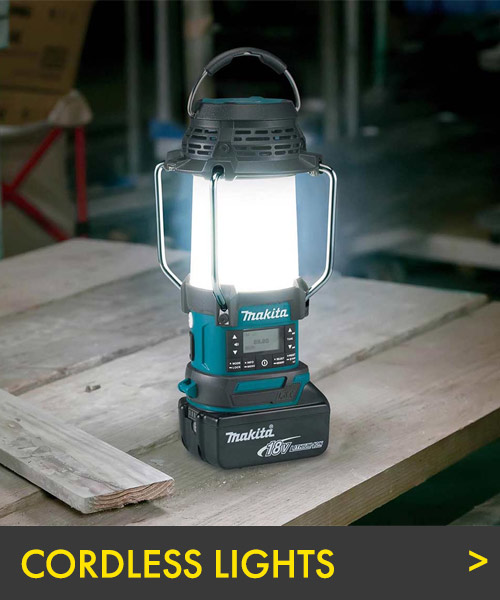
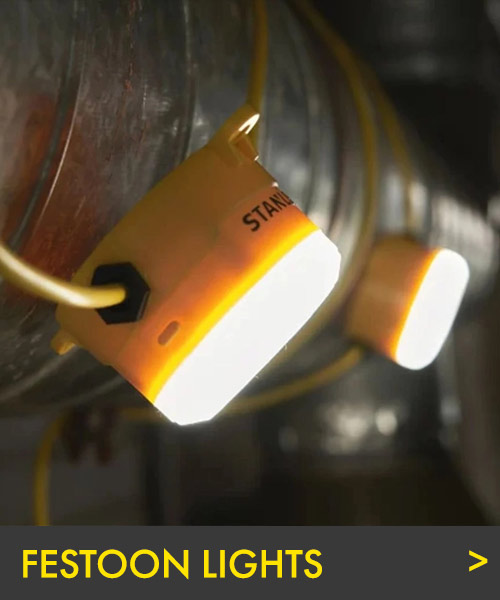
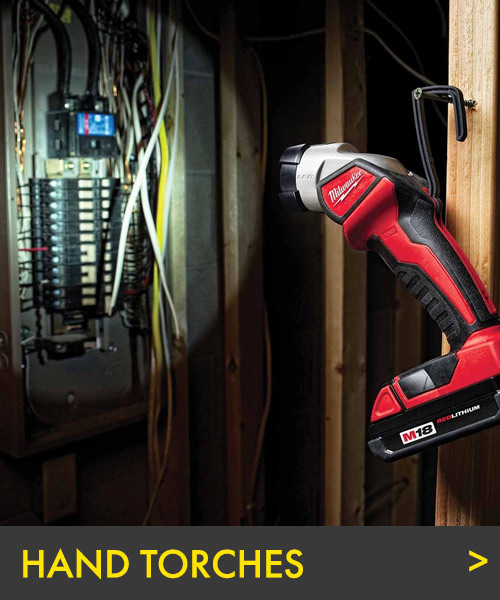
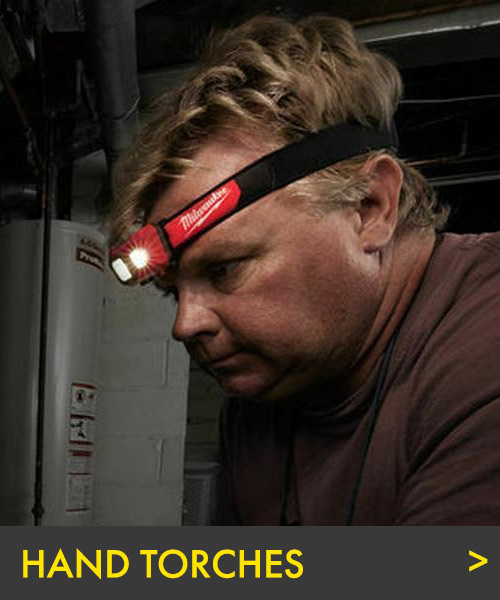
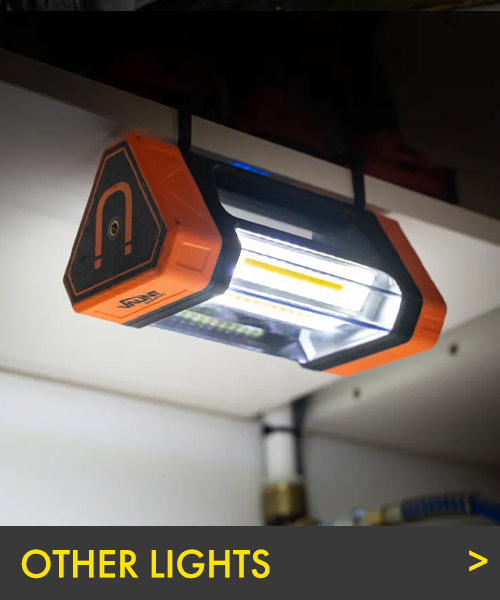
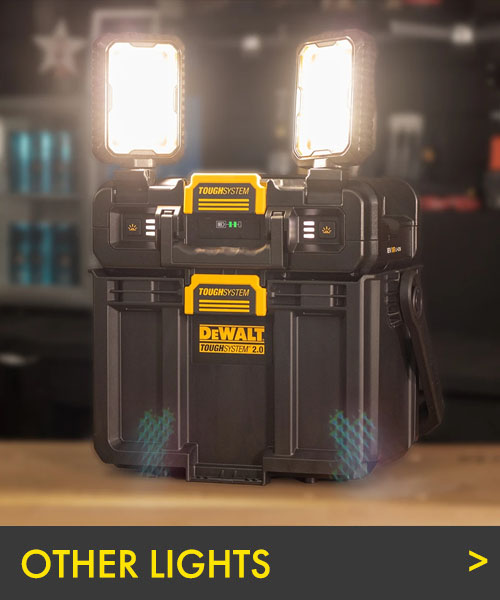
Whether you need a compact rechargeable site light for inspections, battery site lights for moving round plots, or 240v site lights for full-room coverage, we stock the full range. That includes cordless lights and torches, festoon lights, floor lights, head torches and tripod lights. It is all stocked in our own warehouse and ready for next day delivery, so you can get the right site lighting on the job without hanging about.
LED Work Light FAQs
Are LED work lights any good?
Yes. For site use, LED work lights are the standard for good reason. They give strong light output, run cooler than older halogen units, use less power and take more day to day abuse. You still need the right type for the job, but a decent LED site light is far more practical on modern sites.
What is the difference between 240v and battery site lights?
240v site lights are better when you are staying in one area for hours and have reliable power on hand. Battery site lights are better when you are moving around, working outdoors or have no proper supply yet. In simple terms, mains wins on steady runtime, battery wins on convenience and speed.
How bright should a site light be for outdoor work?
For outdoor work, brighter is usually better, but spread matters as much as output. Small local jobs can get by with a compact light, but larger areas, access routes and work zones need a wider flood beam and enough output to cut through poor weather and winter afternoons. If you are lighting a proper work area, do not underspec it.
Will a rechargeable site light last a full shift?
Some will, some will not. The honest answer depends on the battery size and the brightness setting you actually work on. Full power usually drains faster than people expect, so if you are doing a long evening shift, plan for spare batteries or run a lower setting that still gives usable coverage.
Are battery powered site lights bright enough for full rooms?
Yes, plenty are, especially the larger flood-style units. The key is not just brightness but how the light is spread and positioned. A good cordless site light on a stand will often light a room better than a smaller, brighter unit dumped on the floor.
Do site lights cope with rough treatment in the van and on site?
Most proper builders lights are built to handle knocks, dust and regular moving about, but they are not indestructible. Brackets, lenses and cables are the first bits to suffer if the light is thrown in loose with heavier tools, so basic care still matters.

More Site Lighting & Torches Promotions
Shop Lights By Brand






 a>
a>
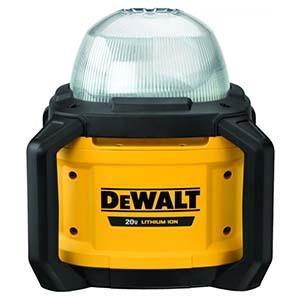
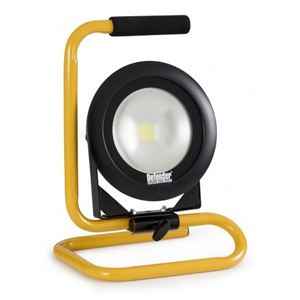
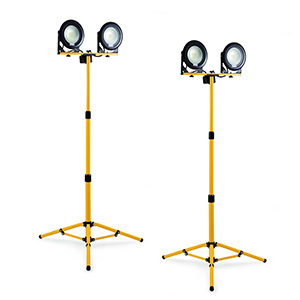
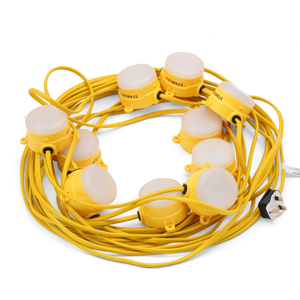
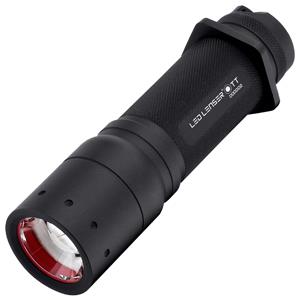
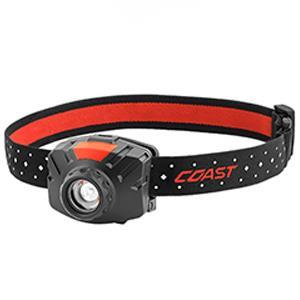
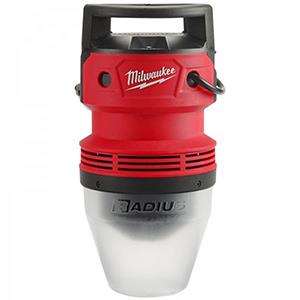
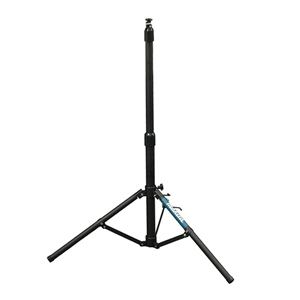
SHOP SITE LIGHTING
Keep working when the daylight disappears. From cordless work lights and tripod lighting to festoon lights, torches and head torches, find the right lighting for every job and every site.
Shop Lighting By Brand
Already invested in a battery platform? Shop site lighting, torches and work lights from the brands you use every day.