Vaunt Lighting & Electrical
Vaunt lighting is built for dark site corners, lofts, voids and late finishes, with work lights and torches that give you proper usable light.
When you're working in a loft with no boards down, under a sink, or finishing snagging after the light's gone, decent lighting stops bad cuts and missed details. The vaunt lighting range covers vaunt site lighting, vaunt work lights, vaunt torches and inspection lights that earn their keep on real jobs. If you need hands-free options, start with Vaunt Head Torches, or step up to Vaunt Tripod Lights for wider area coverage.
What Are Vaunt Lighting Products Used For?
- Working in dark lofts, risers and ceiling voids is where vaunt torches and a vaunt head torch come into their own, giving you both hands free while you trace cables, pipe runs or insulation gaps.
- Lighting up first fix rooms, garages and refurbs is easier with vaunt led work light options that throw out a wider beam, so you can mark out, drill and cut without chasing shadows round the room.
- Checking under boilers, behind units and inside cupboards is exactly what a vaunt inspection light is for, especially when you need to spot leaks, fixings or missed snags in awkward spaces.
- Setting up for late finishes, power cuts or dim winter jobs is where vaunt site lighting helps, giving site teams enough clear light to keep working safely without dragging extension leads everywhere.
- Cleaning vans, sorting stores and loading out before first light is a good use for vaunt work lights, because proper portable light makes it easier to find fittings, consumables and tools first time.
Choosing the Right Vaunt Lighting
Sorting the right one is simple: match the light to the space and the way you work, not just the brightest number on the box.
1. Torch, Head Torch or Work Light
If you're moving about, fault finding or working in cupboards and lofts, go for Vaunt Torches or a head torch. If you're fixing, cutting or fitting in one spot for an hour or more, a vaunt led work light is the better shout because it lights the whole job, not just the bit in front of your nose.
2. Area Lighting vs Close-Up Inspection
If you need to light a full room, landing or work bay, buy vaunt site lighting with a wider spread. If you're checking pipework, terminals, clips or snagging details, an inspection light gives you more controlled light without washing everything out.
3. Portable or Fixed Position
If you're in and out of the van all day, keep it portable and compact. If you're staying in one work area and need light up high and out the way, a tripod setup is worth it because you get better spread and fewer shadows across the job.
4. Battery Platform and Runtime
If the light is only for quick inspections, smaller torches are fine. If it's covering long snagging sessions or late finishes, check runtime properly and buy around how long the job lasts, otherwise you'll be back at the charger before the room is finished.
Who Uses These on Site?
- Sparkies rely on vaunt lighting for board changes, loft work and fault finding, especially when they need a vaunt head torch to keep both hands on cables and test gear.
- Plumbers and heating engineers use vaunt torches and inspection lights for tight cupboards, under baths and behind boilers, where a broad beam is no good and you need light exactly where you're looking.
- Joiners, kitchen fitters and snagging teams use vaunt work lights to pick up scribe lines, missed marks and finish issues that poor ambient light hides until it's too late.
- Site managers and general builders keep vaunt site lighting in the van for early starts, winter afternoons and rooms with no permanent power, because bad lighting slows everyone down.
The Basics: Understanding Vaunt Lighting
Lighting choice is less about gimmicks and more about getting the right beam in the right place. Here is the simple version that matters on site.
1. Torches for Directional Light
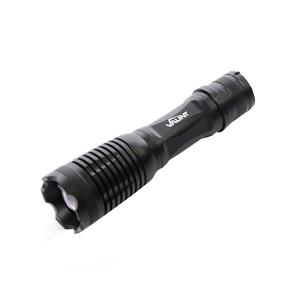
A torch throws light where you point it, which is why it works well for inspection, access panels, loft routes and quick checks under units. It is the right pick when the job keeps moving and you do not want to carry a larger light around.
2. Head Torches for Hands Free Work
A head torch follows your line of sight, so both hands stay free for tools, fixings and testing. That makes it a far better option for cable pulling, pipe clips, loft work and any job where holding a torch in your teeth gets old fast.
3. Work Lights for Area Coverage
Work lights spread light over a wider patch, which helps when you are fitting kitchens, decorating, snagging or working in unfinished rooms. Instead of a bright hotspot and dark corners, you get enough even light to see the whole task properly.
Accessories That Make Vaunt Lighting More Useful
The right add-ons save time, improve light positioning and stop small jobs turning into a faff.
1. Tripods
A tripod gets the light up off the floor, which means fewer shadows, less glare in your face and less chance of someone booting it over in the middle of the job.
2. Spare Batteries or Charging Leads
If your light is earning its keep on late shifts or long snagging sessions, a spare power option stops you finishing the last room by phone torch.
3. Mounting and Positioning Accessories
Clips, brackets and similar fittings help you aim the light where it is actually useful, especially in cupboards, plant rooms and awkward corners where floor space is tight.
4. Protective Cases and Storage
Good storage keeps lenses, stands and charging bits from getting smashed in the van under other kit, which is usually how site lights get killed before their time.
Choose the Right Vaunt Lighting for the Job
Use this as a quick guide before you pick your light.
| Your Job | Category or Type | Key Features |
|---|---|---|
| Loft work, cable runs and underfloor access | Vaunt head torch | Hands free use, compact fit, directional beam that follows your sight line |
| Checking boilers, cupboards, plant and snagging details | Vaunt inspection light | Close range visibility, controlled beam, easier viewing in tight spaces |
| General van stock, callouts and moving room to room | Vaunt torch | Portable size, quick grab use, easy to carry in the tool bag or pocket |
| Refurbs, fitting work and full room coverage | Vaunt led work light | Wider light spread, steadier setup, better visibility across benches and floors |
| Large spaces, late finishes and broader area lighting | Tripod work light | Raised beam height, fewer shadows, better coverage across bigger work areas |
Common Buying and Usage Mistakes
- Buying a torch when you actually need an area light is a common one. You end up with a bright centre and dark corners, which is no good for fitting work or snagging, so match the beam spread to the size of the job.
- Ignoring runtime catches plenty of people out. A light that is fine for ten minute checks may be useless on a full evening finish, so check how long it will realistically stay on before you commit.
- Leaving lights loose in the van shortens their life fast. Lenses get scratched, brackets bend and charging leads disappear, so store them properly if you want them to last.
- Setting the light too low is another easy mistake. It throws hard shadows across your work and makes marking out harder, so get it higher up or use a tripod where you can.
- Choosing the wrong type for close-up tasks wastes time. A big work light is clumsy for boiler cupboards and service voids, while a small inspection light is too limited for room work, so keep both covered if that is your kind of day.
Torches vs Head Torches vs Work Lights
Vaunt Torches
Best for quick inspections, callouts and moving between areas. They are easy to carry and ideal for pointing light exactly where you need it, but they are not the best choice when both hands need to stay on the job.
Vaunt Head Torches
Best for lofts, cupboards, cable runs and any task where you are climbing, holding materials or working overhead. They keep both hands free, though they do not light a full room as well as a dedicated work light.
Vaunt Work Lights
Best for room lighting, refurbs, fitting and snagging where you need even coverage over a wider area. They are less convenient to carry around all day, but much better when the job stays put and proper visibility matters.
Maintenance and Care
Keep the Lens Clean
Dust, plaster and finger marks knock the light output down more than most people think. Wipe lenses and covers regularly so you get the beam you paid for.
Check Mounts and Hinges
Stands, clips and pivot points take plenty of abuse in the van and on site. Give them a quick check before each job so the light stays where you set it instead of sagging halfway through.
Charge Before the Shift
Do not assume it has enough left from the last job. Top batteries up or charge the unit before an early start, especially if the light is for access work or finishing after dark.
Store It Properly in the Van
Chuck a light in with breakers, drills and fixings and it will not stay tidy for long. Store it where the lens, switch and charger lead are not getting battered every mile.
Replace Damaged Cables and Parts Early
If a charging lead, mount or casing is split, sort it before it becomes a dead light on a live job. Small repairs are cheaper than replacing the whole unit after one avoidable knock.
Why Shop for Vaunt Lighting at ITS?
Whether you need a compact torch for callouts, a head torch for loft work, or a full room work light, we stock the proper Vaunt Site Lighting & Torches range in one place. That includes Vaunt Site Lighting Accessories to keep your setup working properly. It is all in our own warehouse, in stock and ready for next day delivery.
Vaunt Lighting FAQs
What lighting does Vaunt make?
Vaunt makes a practical spread of site lighting including work lights, torches, head torches and inspection lights. The range is aimed at real trade jobs, from lighting a full room during fitting work to checking pipework, voids and service spaces up close.
Are Vaunt work lights suitable for outdoor site use?
Yes, for normal outdoor site use they are a solid option, especially for early starts, winter afternoons and exposed work areas. Just check the individual light for its housing and weather resistance, because not every work light is built for the same level of rain and abuse.
What battery do Vaunt torches use?
That depends on the torch. Some Vaunt torches are self-contained rechargeable units, while others may use a specific battery setup listed on the product page. Best advice is simple. Check the power source before buying, especially if you want something ready for long shifts or regular van use.
Does Vaunt make a head torch?
Yes, Vaunt does make a head torch, and it is the right kind of kit for loft work, cupboard work and first fix tasks where both hands need to stay free. If that is what you are after, go straight to Vaunt Head Torches.
Are Vaunt torches bright enough for proper site inspections?
Yes, for routine site checks, service voids, meter cupboards and van work they do the job well. The trick is buying the right style. A compact torch is fine for quick checks, but for wider visibility or longer jobs you will want one of the larger vaunt work lights instead.
Do I need a work light or will a torch do?
If you are just inspecting, fault finding or moving constantly, a torch will do. If you are fitting, cutting, decorating or snagging in one area, buy a work light because it gives a much better spread and stops you working in your own shadow.