Milwaukee Tool Boxes and Storage Milwaukee Tool Boxes and Storage

Milwaukee Tool Boxes and Storage

A Milwaukee tool box keeps your kit together when the van's rammed, the site is muddy, and cheap cases have already split at the corners.

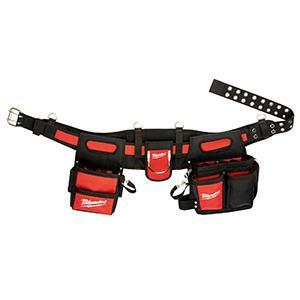
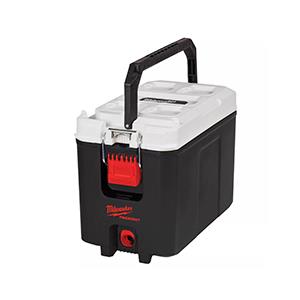
If you're hauling gear through plots, up stairwells, or in and out the workshop all week, Milwaukee tool storage is built for that kind of abuse. The PACKOUT setup is what most lads go for because it stacks properly, locks together cleanly, and saves endless trips back to the van. For smaller grab-and-go jobs, a Milwaukee box or compact case keeps fixings, hand tools, and kit where you left them. If you need a full setup, look at Milwaukee Tool Boxes & Organisers, wheel-in options under Milwaukee Trolleys, bench and cabinet setups in Milwaukee Workshop, site food storage with Milwaukee Coolers, and lighter carry options in Milwaukee Tool Bags & Totes. Match the box to the way you actually work and buy storage that earns its space.

What Are Milwaukee Tool Boxes Used For?

  • Loading out a first fix van is quicker with a Milwaukee tool box set up by trade, so your fixings, power tools, testers, and bits are not rattling loose in the back.
  • Moving through large sites or new-build plots is easier with a Milwaukee tool box on wheels, especially when you are carrying heavy kit, batteries, and consumables over rough ground.
  • Keeping workshop gear in order is where a Milwaukee tool chest or cabinet earns its keep, giving mechanics, fitters, and maintenance teams one place for sockets, hand tools, and small parts.
  • Protecting expensive gear on damp, dirty jobs is a big reason lads buy Milwaukee storage boxes, because the tougher cases put up with site knocks far better than the moulded cases tools come with.
  • Running snagging, service, or maintenance calls is easier with a Milwaukee compact tool box or drill box, where you only carry the kit needed for the task instead of dragging the whole van in.

Choosing the Right Milwaukee Tool Box

Sort the right one by how you move, what you carry, and whether the kit lives in a van, workshop, or on active site.

1. Wheeled or Hand-Carried

If you are covering big sites, plots, or yard work, go for a Milwaukee tool box on wheels. If you mostly carry kit from van to room and back, a hand-carried Milwaukee box is usually quicker and takes up less space.

2. Open Tote, Box, or Drawer Setup

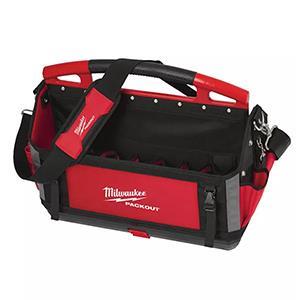
If you need fast access to hand tools all day, an open tote or shallow box makes sense. If you want better protection for power tools, batteries, or kit that gets thrown in the van, choose a closed Milwaukee storage box with proper latches.

3. Compact Stack or Full System

If you only need a drill, impact driver, and bits, do not overbuy a massive stack. If your work covers tools, fixings, testers, blades, batteries, and site gear, a full Milwaukee tool box set will save time every single day.

4. Workshop Storage or Mobile Storage

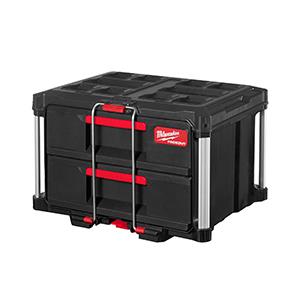
For bench work and fixed locations, a Milwaukee tool chest uk setup or cabinet is the better call because drawers beat stacked boxes for daily access. For van work and live jobs, stick with modular Milwaukee storage you can move in one hit.

Who Uses These on Site?

  • Sparkies swear by Milwaukee tool storage for keeping testers, fixings, sockets, and small power tools sorted by job, especially when they are moving room to room on first and second fix.
  • Plumbers and heating engineers use a Milwaukee box to separate press tools, pipe fittings, hand tools, and consumables, so they are not digging through one mixed crate under a sink.
  • Mechanics and workshop fitters tend to go for a Milwaukee tool chest or Milwaukee cabinet because drawers and stackable cases keep sockets, ratchets, and heavier kit laid out properly.
  • Joiners and kitchen fitters like a Milwaukee tool box on wheels for taking drills, drivers, fixings, blades, and site essentials through finished properties without endless back-and-forth trips.
  • Maintenance teams and site managers use Milwaukee storage boxes for grab-and-go repairs, inspections, and snagging, where having the right bits to hand saves walking back across site.

The Basics: Understanding Milwaukee Tool Storage

The main thing to understand is how Milwaukee storage is meant to work as a system. Get that right and you waste less time hunting for kit, carrying loose gear, or unstacking the wrong box first.

1. Stackable Modular Storage

This is the setup most site users want. Boxes and organisers lock together so you can move more kit in one trip and keep your usual loadout together from van to work area.

2. Wheeled Base Systems

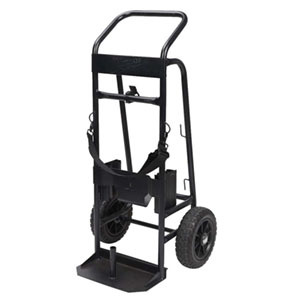
A wheeled Milwaukee tool box or trolley base carries the heavier stuff like power tools, batteries, and fixings. That matters on bigger jobs where hand-carrying everything soon gets old.

3. Workshop Drawers and Cabinets

A Milwaukee tool chest or cabinet is more about layout than transport. Drawers let you see and grab the right tool quickly, which is what mechanics and workshop teams need when the job keeps changing.

Milwaukee Tool Storage Extras That Make Life Easier

A good box is only half the job. The right add-ons stop the usual site annoyances like mixed fixings, dead tools buried at the bottom, and extra trips back to the van.

1. Organisers and Inserts

Use organisers for screws, clips, lugs, and small fittings unless you enjoy tipping everything out to find one bag of connectors. They keep the fiddly bits separate and save a lot of wasted time on first fix and snagging.

2. Wheeled Trolley Bases

If your stack is getting heavy, get it on wheels. A trolley base saves your back and stops that awkward shuffle across car parks, site roads, and long corridors with two boxes in hand and one under your arm.

3. Tool Bags and Totes

Not every job needs the full stack. A tote or bag lets you strip out the daily essentials for service calls, final fix, or working in finished homes where dragging a full tool box through the place is overkill.

4. Drawer and Cabinet Liners

For workshop setups, liners stop tools sliding about every time you open a drawer. It sounds minor until your sockets and drivers are piled in one corner and you are wasting time sorting them again.

Choose the Right Milwaukee Tool Storage for the Job

Use this as a quick guide before you load the van with the wrong setup.

Your Job Storage Type Key Features
Daily first fix work across multiple plots Milwaukee tool box on wheels Large capacity, easy transport, stackable system, room for tools and consumables
Service calls and snagging Milwaukee compact tool box Smaller footprint, quick carry, enough space for core hand tools, drill, and fixings
Keeping fixings and small parts sorted Milwaukee storage box organiser Compartment layout, clear access, stops parts mixing in the van or on site
Workshop or garage tool layout Milwaukee tool chest or cabinet Drawer access, better visibility, suits sockets, spanners, diagnostic kit, and bench work
Mixed trade kit with hand tools and power tools Milwaukee tool box set Modular stack, lock-together storage, easier loadout by task or by trade

Common Buying and Usage Mistakes

  • Buying one massive Milwaukee tool box when you really need two or three smaller modules just means the useful kit ends up buried at the bottom. Split tools, fixings, and testers by task so you can get to them fast.
  • Choosing workshop drawers for a van job is the wrong way round. A Milwaukee tool chest is brilliant in one place, but if the kit moves every day, modular stackable storage is the better shout.
  • Ignoring weight adds up quickly once batteries, chargers, and heavier tools go in. If the box is going over site ground or long distances, get a Milwaukee tool box on wheels before your back tells you otherwise.
  • Using one box for every trade item creates a mess within a week. Keep electrical, plumbing, fixings, and hand tools separated so you are not losing ten minutes every time you need one small part.
  • Leaving latches, seals, and handles packed with dust and site muck shortens the life of the box. Clean them out now and then so the stack still locks together properly and closes as it should.

Tool Box vs Organiser vs Tool Chest

Milwaukee Tool Box

Best for mixed site kit like drills, drivers, batteries, hand tools, and general gear. It gives better protection than a tote and moves easier than a chest, but it is not as quick for grabbing lots of small parts.

Milwaukee Organiser

This is the right call for screws, clips, connectors, anchors, and other small bits that get lost in a main box. Handy on first fix and snagging, but not built to carry your whole power tool loadout.

Milwaukee Tool Chest

A Milwaukee tool chest suits garages, workshops, and fixed work areas where fast drawer access matters more than portability. Great for mechanics and fitters, not the thing to drag in and out of a van every day.

Maintenance and Care

Clear Out Dust and Debris

Tip out plaster dust, sawdust, and broken fixings regularly. Grit in the base and around the latches soon wears things down and makes the box harder to shut properly.

Check Latches and Handles

Give handles, catches, and side clips a quick check before lifting a loaded stack. If something is loose or clogged up, sort it before a full box opens up halfway across site.

Do Not Store Wet Kit Long Term

A Milwaukee storage box can take rough treatment, but leaving wet tools, damp rags, or muddy gear sealed inside all week is asking for rust, stink, and a filthy clean-out job later.

Keep Wheels and Base Clean

If you use a Milwaukee tool box on wheels, scrape mud and stones out of the base and wheel area. It rolls better, lasts longer, and is less likely to jam up on the next job.

Replace Broken Inserts Before They Cost You Time

Once trays, dividers, or organisers crack, small parts start mixing and going missing. Replace the damaged bit early rather than wasting time hunting through a box full of loose fixings.

Why Shop for Milwaukee Tool Storage at ITS?

Whether you need a Milwaukee compact tool box, a full Milwaukee tool box set, a wheeled stack, or a workshop cabinet, we stock the proper range in one place. It is all held in our own warehouse, ready for fast dispatch and next day delivery, so you can get your storage sorted before the next shift.

Milwaukee Tool Storage FAQs

Are Milwaukee tool boxes worth it?

Yes, if your gear is in and out of the van every day, they are worth the money. The big advantage is not just toughness, it is the way the storage stacks together, stays organised, and saves time on site. If you only need a cheap box for occasional DIY use, they are probably more than you need.

What is the best Milwaukee toolbox for mechanics?

For mechanics, a Milwaukee tool chest or cabinet usually makes more sense than a standard carry box because drawers are faster for sockets, ratchets, spanners, and diagnostic gear. If you are mobile and working between bays or jobs, a stackable box setup with organisers is often the better balance.

What's special about Milwaukee toolboxes?

The main thing is the modular system. Boxes, organisers, and wheeled units are designed to lock together properly, so you can build a setup that suits your trade instead of carrying a random pile of cases. They also hold up well to the usual site knocks, van loading, and rough handling.

Will a Milwaukee tool box actually stand up to daily van use?

Yes, that is exactly where this sort of storage earns its keep. They are built for repeated loading, unloading, stacking, and general site abuse. They are tough, but common sense still applies. Do not overload them and expect the handles and latches to thank you.

Should I buy a Milwaukee tool chest or a Milwaukee tool box on wheels?

If the kit stays in a workshop or garage, go chest. If it moves around site, through plots, or in and out of a van, go for a Milwaukee tool box on wheels. Drawers are better for fixed locations, while wheeled modular storage wins for transport.

Can I use a Milwaukee compact tool box for power tools and batteries?

Yes, for a smaller daily setup it works well. A compact box is ideal when you only need a drill, impact driver, a few batteries, bits, and hand tools. Just be realistic about space. Once you start adding chargers, fixings, and extra tools, you will want another module.
Read more

Milwaukee Tool Boxes and Storage

A Milwaukee tool box keeps your kit together when the van's rammed, the site is muddy, and cheap cases have already split at the corners.

If you're hauling gear through plots, up stairwells, or in and out the workshop all week, Milwaukee tool storage is built for that kind of abuse. The PACKOUT setup is what most lads go for because it stacks properly, locks together cleanly, and saves endless trips back to the van. For smaller grab-and-go jobs, a Milwaukee box or compact case keeps fixings, hand tools, and kit where you left them. If you need a full setup, look at Milwaukee Tool Boxes & Organisers, wheel-in options under Milwaukee Trolleys, bench and cabinet setups in Milwaukee Workshop, site food storage with Milwaukee Coolers, and lighter carry options in Milwaukee Tool Bags & Totes. Match the box to the way you actually work and buy storage that earns its space.

What Are Milwaukee Tool Boxes Used For?

  • Loading out a first fix van is quicker with a Milwaukee tool box set up by trade, so your fixings, power tools, testers, and bits are not rattling loose in the back.
  • Moving through large sites or new-build plots is easier with a Milwaukee tool box on wheels, especially when you are carrying heavy kit, batteries, and consumables over rough ground.
  • Keeping workshop gear in order is where a Milwaukee tool chest or cabinet earns its keep, giving mechanics, fitters, and maintenance teams one place for sockets, hand tools, and small parts.
  • Protecting expensive gear on damp, dirty jobs is a big reason lads buy Milwaukee storage boxes, because the tougher cases put up with site knocks far better than the moulded cases tools come with.
  • Running snagging, service, or maintenance calls is easier with a Milwaukee compact tool box or drill box, where you only carry the kit needed for the task instead of dragging the whole van in.

Choosing the Right Milwaukee Tool Box

Sort the right one by how you move, what you carry, and whether the kit lives in a van, workshop, or on active site.

1. Wheeled or Hand-Carried

If you are covering big sites, plots, or yard work, go for a Milwaukee tool box on wheels. If you mostly carry kit from van to room and back, a hand-carried Milwaukee box is usually quicker and takes up less space.

2. Open Tote, Box, or Drawer Setup

If you need fast access to hand tools all day, an open tote or shallow box makes sense. If you want better protection for power tools, batteries, or kit that gets thrown in the van, choose a closed Milwaukee storage box with proper latches.

3. Compact Stack or Full System

If you only need a drill, impact driver, and bits, do not overbuy a massive stack. If your work covers tools, fixings, testers, blades, batteries, and site gear, a full Milwaukee tool box set will save time every single day.

4. Workshop Storage or Mobile Storage

For bench work and fixed locations, a Milwaukee tool chest uk setup or cabinet is the better call because drawers beat stacked boxes for daily access. For van work and live jobs, stick with modular Milwaukee storage you can move in one hit.

Who Uses These on Site?

  • Sparkies swear by Milwaukee tool storage for keeping testers, fixings, sockets, and small power tools sorted by job, especially when they are moving room to room on first and second fix.
  • Plumbers and heating engineers use a Milwaukee box to separate press tools, pipe fittings, hand tools, and consumables, so they are not digging through one mixed crate under a sink.
  • Mechanics and workshop fitters tend to go for a Milwaukee tool chest or Milwaukee cabinet because drawers and stackable cases keep sockets, ratchets, and heavier kit laid out properly.
  • Joiners and kitchen fitters like a Milwaukee tool box on wheels for taking drills, drivers, fixings, blades, and site essentials through finished properties without endless back-and-forth trips.
  • Maintenance teams and site managers use Milwaukee storage boxes for grab-and-go repairs, inspections, and snagging, where having the right bits to hand saves walking back across site.

The Basics: Understanding Milwaukee Tool Storage

The main thing to understand is how Milwaukee storage is meant to work as a system. Get that right and you waste less time hunting for kit, carrying loose gear, or unstacking the wrong box first.

1. Stackable Modular Storage

This is the setup most site users want. Boxes and organisers lock together so you can move more kit in one trip and keep your usual loadout together from van to work area.

2. Wheeled Base Systems

A wheeled Milwaukee tool box or trolley base carries the heavier stuff like power tools, batteries, and fixings. That matters on bigger jobs where hand-carrying everything soon gets old.

3. Workshop Drawers and Cabinets

A Milwaukee tool chest or cabinet is more about layout than transport. Drawers let you see and grab the right tool quickly, which is what mechanics and workshop teams need when the job keeps changing.

Milwaukee Tool Storage Extras That Make Life Easier

A good box is only half the job. The right add-ons stop the usual site annoyances like mixed fixings, dead tools buried at the bottom, and extra trips back to the van.

1. Organisers and Inserts

Use organisers for screws, clips, lugs, and small fittings unless you enjoy tipping everything out to find one bag of connectors. They keep the fiddly bits separate and save a lot of wasted time on first fix and snagging.

2. Wheeled Trolley Bases

If your stack is getting heavy, get it on wheels. A trolley base saves your back and stops that awkward shuffle across car parks, site roads, and long corridors with two boxes in hand and one under your arm.

3. Tool Bags and Totes

Not every job needs the full stack. A tote or bag lets you strip out the daily essentials for service calls, final fix, or working in finished homes where dragging a full tool box through the place is overkill.

4. Drawer and Cabinet Liners

For workshop setups, liners stop tools sliding about every time you open a drawer. It sounds minor until your sockets and drivers are piled in one corner and you are wasting time sorting them again.

Choose the Right Milwaukee Tool Storage for the Job

Use this as a quick guide before you load the van with the wrong setup.

Your Job Storage Type Key Features
Daily first fix work across multiple plots Milwaukee tool box on wheels Large capacity, easy transport, stackable system, room for tools and consumables
Service calls and snagging Milwaukee compact tool box Smaller footprint, quick carry, enough space for core hand tools, drill, and fixings
Keeping fixings and small parts sorted Milwaukee storage box organiser Compartment layout, clear access, stops parts mixing in the van or on site
Workshop or garage tool layout Milwaukee tool chest or cabinet Drawer access, better visibility, suits sockets, spanners, diagnostic kit, and bench work
Mixed trade kit with hand tools and power tools Milwaukee tool box set Modular stack, lock-together storage, easier loadout by task or by trade

Common Buying and Usage Mistakes

  • Buying one massive Milwaukee tool box when you really need two or three smaller modules just means the useful kit ends up buried at the bottom. Split tools, fixings, and testers by task so you can get to them fast.
  • Choosing workshop drawers for a van job is the wrong way round. A Milwaukee tool chest is brilliant in one place, but if the kit moves every day, modular stackable storage is the better shout.
  • Ignoring weight adds up quickly once batteries, chargers, and heavier tools go in. If the box is going over site ground or long distances, get a Milwaukee tool box on wheels before your back tells you otherwise.
  • Using one box for every trade item creates a mess within a week. Keep electrical, plumbing, fixings, and hand tools separated so you are not losing ten minutes every time you need one small part.
  • Leaving latches, seals, and handles packed with dust and site muck shortens the life of the box. Clean them out now and then so the stack still locks together properly and closes as it should.

Tool Box vs Organiser vs Tool Chest

Milwaukee Tool Box

Best for mixed site kit like drills, drivers, batteries, hand tools, and general gear. It gives better protection than a tote and moves easier than a chest, but it is not as quick for grabbing lots of small parts.

Milwaukee Organiser

This is the right call for screws, clips, connectors, anchors, and other small bits that get lost in a main box. Handy on first fix and snagging, but not built to carry your whole power tool loadout.

Milwaukee Tool Chest

A Milwaukee tool chest suits garages, workshops, and fixed work areas where fast drawer access matters more than portability. Great for mechanics and fitters, not the thing to drag in and out of a van every day.

Maintenance and Care

Clear Out Dust and Debris

Tip out plaster dust, sawdust, and broken fixings regularly. Grit in the base and around the latches soon wears things down and makes the box harder to shut properly.

Check Latches and Handles

Give handles, catches, and side clips a quick check before lifting a loaded stack. If something is loose or clogged up, sort it before a full box opens up halfway across site.

Do Not Store Wet Kit Long Term

A Milwaukee storage box can take rough treatment, but leaving wet tools, damp rags, or muddy gear sealed inside all week is asking for rust, stink, and a filthy clean-out job later.

Keep Wheels and Base Clean

If you use a Milwaukee tool box on wheels, scrape mud and stones out of the base and wheel area. It rolls better, lasts longer, and is less likely to jam up on the next job.

Replace Broken Inserts Before They Cost You Time

Once trays, dividers, or organisers crack, small parts start mixing and going missing. Replace the damaged bit early rather than wasting time hunting through a box full of loose fixings.

Why Shop for Milwaukee Tool Storage at ITS?

Whether you need a Milwaukee compact tool box, a full Milwaukee tool box set, a wheeled stack, or a workshop cabinet, we stock the proper range in one place. It is all held in our own warehouse, ready for fast dispatch and next day delivery, so you can get your storage sorted before the next shift.

Milwaukee Tool Storage FAQs

Are Milwaukee tool boxes worth it?

Yes, if your gear is in and out of the van every day, they are worth the money. The big advantage is not just toughness, it is the way the storage stacks together, stays organised, and saves time on site. If you only need a cheap box for occasional DIY use, they are probably more than you need.

What is the best Milwaukee toolbox for mechanics?

For mechanics, a Milwaukee tool chest or cabinet usually makes more sense than a standard carry box because drawers are faster for sockets, ratchets, spanners, and diagnostic gear. If you are mobile and working between bays or jobs, a stackable box setup with organisers is often the better balance.

What's special about Milwaukee toolboxes?

The main thing is the modular system. Boxes, organisers, and wheeled units are designed to lock together properly, so you can build a setup that suits your trade instead of carrying a random pile of cases. They also hold up well to the usual site knocks, van loading, and rough handling.

Will a Milwaukee tool box actually stand up to daily van use?

Yes, that is exactly where this sort of storage earns its keep. They are built for repeated loading, unloading, stacking, and general site abuse. They are tough, but common sense still applies. Do not overload them and expect the handles and latches to thank you.

Should I buy a Milwaukee tool chest or a Milwaukee tool box on wheels?

If the kit stays in a workshop or garage, go chest. If it moves around site, through plots, or in and out of a van, go for a Milwaukee tool box on wheels. Drawers are better for fixed locations, while wheeled modular storage wins for transport.

Can I use a Milwaukee compact tool box for power tools and batteries?

Yes, for a smaller daily setup it works well. A compact box is ideal when you only need a drill, impact driver, a few batteries, bits, and hand tools. Just be realistic about space. Once you start adding chargers, fixings, and extra tools, you will want another module.
ITS Click and Collect Icon
What3Words:
Get Directions
Store Opening Hours
Opening times