Milwaukee Tool Boxes & Organisers
Milwaukee PACKOUT organisers keep fixings, fittings and small bits sorted, protected and easy to grab on site, in the van or up the scaffold.
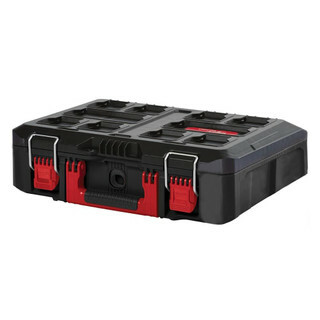
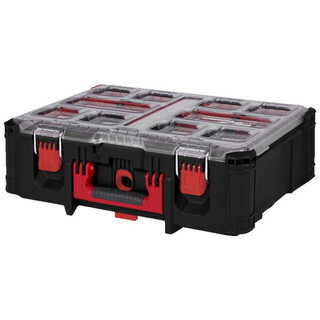
When you're sick of mixed screws, lost glands and trays tipping out in the van, a Milwaukee PACKOUT organiser sorts it properly. These packout organiser cases are built for sparks, chippies and fitters who need small parts laid out clearly and locked in. The slim options are handy for service kits and first fix, while deeper organisers suit bulkier fittings. If you're building a full storage stack, pair them with a Milwaukee Tool Box, add the right trays, and get your kit organised properly.
What Are Milwaukee PACKOUT Organisers Used For?
- Sorting screws, plugs, clips and brackets for first fix work stops you digging through loose tubs every five minutes when the pace picks up.
- Carrying cable glands, connectors, terminals and small test accessories in one Milwaukee organiser keeps service and maintenance jobs tidy and easier to manage.
- Loading a packout slim organiser with commonly used fixings gives chippies and kitchen fitters a grab-and-go case for punch lists and final snagging.
- Keeping mixed anchors, wall plugs and concrete fixings separated in removable bins saves time on refurb jobs where you are constantly changing surfaces and fixings.
- Stacking a Milwaukee PACKOUT organiser into a wider storage setup keeps van storage tighter and stops smaller parts getting buried under bigger kit.
Choosing the Right Milwaukee PACKOUT Organiser
Sort the right one by what you carry every day, not by what looks neat on the shelf.
1. Slim or Standard Depth
If you're mainly carrying screws, plugs, terminals and other low-profile bits, a Milwaukee PACKOUT slim organiser makes more sense and stacks easier. If you need bulkier fittings, anchors or mixed hardware, go deeper or you'll end up overfilling bins and fighting the lid.
2. Fixed Loadout or Mixed Jobs
If your work is repetitive, set up one organiser case for one trade task and leave it loaded. If every day is different, pick organisers with removable bins so you can swap stock about without emptying the whole case.
3. Single Case or Full PACKOUT Stack
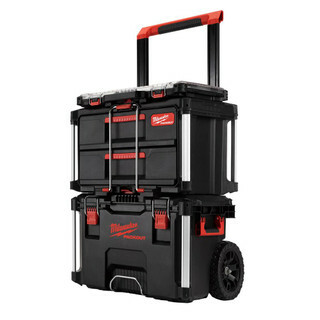
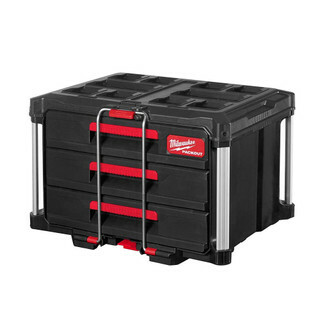
If it is just a fixings case for the van, one packout organiser is enough. If you're building a proper mobile setup, make sure it fits alongside your other storage, especially if you already use Milwaukee Toolboxes With Drawers or larger base units.
4. Small Parts or Trade-Specific Stock
Do not buy a tiny-bin layout if you carry odd-shaped fittings, pipe clips or larger anchors. It is ideal for fixings and electrical consumables, but for awkward parts you need the right tray layout or it becomes another messy box by Friday.
Who Uses These Organisers?
- Sparkies swear by a Milwaukee packout organiser for connectors, screws, cleats and glands because it keeps small electrical bits visible instead of rattling round the bottom of the bag.
- Kitchen fitters and chippies use a packout slim organiser for hinge plates, shelf supports, confirmat screws and brackets when they need the right fixing to hand straight away.
- Plumbers and heating engineers keep olives, clips, screws and small fittings separated so service jobs run quicker and less stock gets wasted or lost.
- Maintenance teams use these on vans and plant rooms where mixed fasteners and spare parts need to stay sorted, sealed and easy to carry between jobs.
- Site supervisors and foremen often build them into a wider PACKOUT stack so common consumables can be issued quickly without hunting through loose boxes.
PACKOUT Accessories That Keep You Organised
A few well-chosen extras stop your organiser setup becoming another pile of loose bits in the van.
1. Trays and Bin Inserts
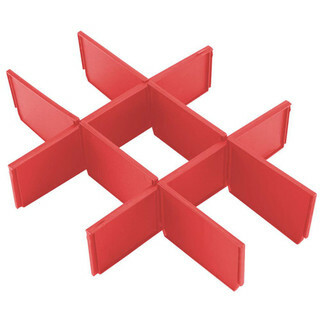
The right inserts stop small fixings mixing when the case gets moved about all day. If you are forever tipping one bin into another, get the layout sorted properly with Milwaukee Tool Box Accessories & Inlays.
2. Labels and Loadout Marking
Marking each organiser saves the usual faff of opening three cases just to find frame fixings or cable clips. It sounds basic, but on a busy van setup it saves proper time.
3. Compatible Larger Storage
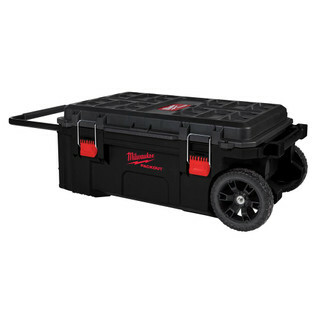
If your organisers are part of a full kit loadout, matching them with rolling or chest storage keeps everything in one stack instead of spread across the van floor. Look at Milwaukee Toolboxes With Wheels or Milwaukee Tool Chests if you're moving more than just fixings.
Choose the Right Milwaukee PACKOUT Organiser for the Job
Use this quick guide to match the organiser to the way you actually work.
| Your Job | Organiser Type | Key Features |
|---|---|---|
| First fix electrical and daily service work | Milwaukee PACKOUT Slim Organiser | Low profile case, easy van stacking, good bin layout for connectors, screws and glands. |
| Kitchen fitting and second fix joinery | PACKOUT organiser with removable bins | Quick access to mixed screws, brackets and hardware without carrying several loose tubs. |
| General building and refurb fixings | Standard depth PACKOUT organiser | More room for larger plugs, anchors and mixed masonry fixings used across different surfaces. |
| Van stock for maintenance teams | Multiple organisers in one PACKOUT setup | Separate common consumables by task and stack them with larger storage for faster callout work. |
| Mobile site setup with full storage system | Organiser plus rolling base or drawers | Locks into the PACKOUT stack so small parts stay with the rest of your kit in transit. |
Common Buying and Usage Mistakes
- Buying a slim organiser for bulky fittings is a common mistake. It looks tidy at first, then the lid will not close properly and parts start shifting between compartments.
- Using one case for every type of fixing sounds cheaper, but it slows the job right down. Split electrical, timber and masonry stock properly so you are not hunting through mixed bins.
- Overloading removable trays with heavy fixings makes them awkward to lift and more likely to spill. Keep heavier anchors and larger hardware in the deeper organisers or larger boxes.
- Ignoring the rest of your van setup leads to a PACKOUT organiser that does not suit the way you move kit. Check how it stacks with your existing cases before you commit.
- Leaving organisers unlabelled wastes time every day. Mark the contents clearly so anyone on the job can grab the right box without opening every latch.
Slim Organiser vs Standard Organiser vs Drawer Storage
Slim Organiser
Best for screws, plugs, connectors and other shallow consumables. It stacks neatly, carries easily and suits van work, but it is not the right choice for taller fittings or bulk stock.
Standard Organiser
A better pick when you need more depth for larger anchors, brackets and mixed hardware. It carries more, but it takes up more room and can get heavy if you load every bin with dense fixings.
Drawer Storage
Drawers suit van setups and workshop organisation where you want quick access without unclipping stacked cases. Better for fixed storage than walking round site with, especially if you need a portable organiser in hand.
Which One Makes Sense
If you work off a grab-and-go case, choose a slim or standard organiser based on part size. If most of your kit stays in the van, drawer storage is often faster and less hassle day to day.
Maintenance and Care
Clean Out Dust and Debris
Empty the bins now and then and knock out plaster dust, swarf and broken fixings. Grit around the seals and latches soon makes the case harder to close properly.
Check Latches and Hinges
If a latch starts sticking, deal with it early. Forcing it shut with an overfilled case will wear it faster and that is when trays end up scattered across the van floor.
Keep Stock Sensible
Do not leave half-used bins full of mixed leftovers. Top up or strip them back at the end of the week so the organiser still works as a system instead of a dumping ground.
Store It Flat
Store your organiser flat and clipped properly into the stack where possible. Chucking it loose in the van invites knocks, broken lids and mixed compartments.
Replace Worn Inserts When Needed
If bins crack or no longer hold parts neatly, replace them. There is no point keeping a damaged organiser in service when it is costing you time every day.
Why Shop for Milwaukee PACKOUT Organisers at ITS?
Whether you need a Milwaukee slim organiser for service work or a deeper PACKOUT organiser case for mixed fixings, we stock the full range. That means organisers, stackable storage, and matching options across the system, all in our own warehouse and ready for next day delivery. If you are building out a proper setup, you can also match in Milwaukee Toolboxes With Drawers without waiting around for back orders.
Milwaukee PACKOUT Organiser FAQs
Are Milwaukee tool boxes heavy-duty enough for site use?
Yes. Milwaukee PACKOUT storage is built for proper site use, not just garage shelving. The organisers are tough enough for van loading, daily handling and being stacked with the rest of your kit, though like any case they will last longer if you do not overload or throw them about.
Do these tool boxes feature lockable points for security?
Many Milwaukee storage units include reinforced locking points, but check the individual product spec because it can vary by case type. It is useful for van and site storage, but treat it as a deterrent rather than a replacement for proper vehicle or site security.
What is the weight capacity of a standard Milwaukee tool chest?
That depends on the exact chest, as Milwaukee list load limits by model. Always check the product page before loading it up with heavy kit, especially if you are stacking it with other PACKOUT cases or moving it fully loaded across site.
Will a Milwaukee PACKOUT organiser keep fixings separated in the van, or do the bins mix up?
Yes, if you use the right bin layout and do not overfill it. The organiser lids are designed to keep parts in their sections, so screws, plugs and connectors stay where they should when the case is shut properly.
Is the slim organiser actually useful, or is it too shallow for real jobs?
It is very useful for the right loadout. A Milwaukee PACKOUT slim organiser is ideal for screws, terminals, clips and smaller fixings, but if you carry deeper anchors, larger brackets or bulky fittings, go for a standard-depth organiser instead.
Can I build these into a bigger PACKOUT setup later on?
Yes. That is one of the main reasons trades buy them. You can start with one organiser case for daily fixings, then add larger boxes, drawers or rolling units as your kit grows without replacing what you already own.