Milwaukee Tool Bags & Totes Milwaukee Tool Bags & Totes

Milwaukee Tool Bags & Totes

A Milwaukee tool bag keeps your kit together, easy to grab, and tough enough for site, van, and workshop use without handles tearing or bases giving up.

If you're fed up with loose bits rolling round the van or soft bags splitting under real weight, this is the sort of storage that earns its keep. A proper Milwaukee bag is built for carrying drills, fixings, hand tools and testers between first fix, snagging and maintenance jobs. You have got open totes for quick access, duffle styles for mixed kit, and wheeled options when the load gets heavy. If you already run red kit, it makes sense to look through the Milwaukee Workshop range and pick the bag that matches how you actually work.

What Are Milwaukee Tool Bags Used For?

  • Carrying day to day kit between the van and the job keeps drills, chargers, hand tools and fixings in one place instead of spread across three boxes and a bucket.
  • Working through first fix and maintenance jobs is easier with an open tote or Milwaukee toolbag that lets you grab drivers, pliers and testers quickly without rooting round at the bottom.
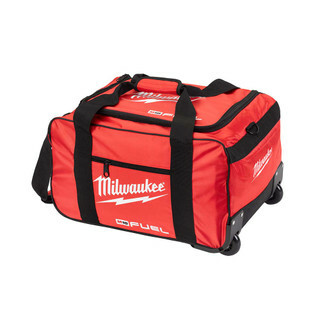
  • Shifting heavier loads across larger sites suits a Milwaukee Tool Bag With Wheels when stairs are limited and you are hauling power tools, consumables and spare batteries.
  • Keeping one Milwaukee drill bag packed for smaller call out work saves time for sparks, plumbers and maintenance teams who just need the core kit ready to go.
  • Loading out the workshop or van at the start of the week is simpler when Milwaukee bags separate hand tools, power tools and site bits so nothing gets buried or damaged.

Choosing the Right Milwaukee Tool Bag

Match the bag to the load and the job route. Do not buy a small tote if you are dragging half your van through a plant room.

1. Tote vs Closed Bag

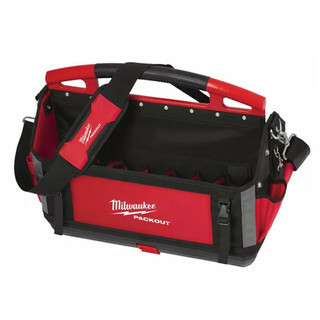
If you need fast access all day, go for one of the Milwaukee Tool Totes. If your kit gets chucked in the van, carried in the rain or stored between jobs, a zipped Milwaukee tool bag keeps it cleaner and more secure.

2. Hand Tools vs Power Tool Load

If it is mainly hand tools, look for pocket layout and an open top that stops you digging about. If you are carrying drills, impacts and chargers, pick a deeper Milwaukee power tool bag with a solid base and enough room that cables and batteries are not jammed in.

3. Carry vs Wheels

If you are mostly in houses, lofts and up stairs, a standard carry bag is usually less hassle. If you are crossing big commercial sites or loading heavier gear, a Milwaukee wheeled tool bag or Milwaukee rolling tool bag is the better shout and far easier on your shoulders.

4. Fixed Kit vs Grab Bag

If you want one bag permanently packed for service work, choose the size around your everyday kit and leave spare room for consumables. If it is a general van bag, buy bigger than you think you need because tapes, fixings, blades and chargers soon fill the space.

Who Uses These on Site?

  • Sparkies use a Milwaukee tool bag for carrying testers, screwdrivers, cutters and a compact drill from board work to second fix without lugging a full box round site.
  • Plumbers and heating engineers like these bags for keeping grips, cutters, fittings and small power tools together, especially on call outs where speed matters.
  • Joiners and kitchen fitters swear by open totes for quick access to squares, chisels, fixings and drivers when moving room to room on install jobs.
  • Maintenance teams and site supervisors keep a Milwaukee bag packed with mixed hand tools and fault finding gear so they can deal with snags without trekking back to the van.
  • Anyone carrying heavier kit across schools, hospitals or commercial refurbs will usually lean towards wheeled bags because they save your back and keep the load manageable.

Extras That Make a Milwaukee Tool Bag Work Harder

A bag is only half the job. A few sensible add ons stop damage, save time and keep your kit ready to grab.

1. Organisers and Cases

Loose screws, lugs and small fittings will end up buried in the bottom if you do not separate them. Small organisers or hard cases stop the usual mess and save you emptying the whole bag just to find a connector block or pack of bits.

2. Spare Shoulder Straps

If your bag is loaded with drills and batteries every day, the strap takes a hammering. A proper replacement strap is a lot cheaper than carrying a bag by torn webbing until it finally gives up in the car park.

3. Tool Lanyards and Clips

For engineers and fitters working at height, clips and lanyards help keep the essentials attached and easy to reach. It saves tools dropping out when the bag gets knocked over or moved about on access gear.

Choose the Right Milwaukee Tool Bag for the Job

Start with what you carry most days and how far you have to move it.

Your Job Bag Type Key Features
Small service calls with core hand tools and one drill Compact Milwaukee drill bag Light carry weight, zipped storage, enough room for daily essentials and a charger
First fix work moving room to room Open tote bag Quick access pockets, open top, easy to spot hand tools and fixings fast
Mixed power tool and hand tool load in the van Medium closed Milwaukee bag Deeper main compartment, tougher base, better protection from site dirt and rain
Large commercial sites with heavy loads Milwaukee bag with wheels Rolling transport, stronger handle setup, less strain carrying batteries and larger tools
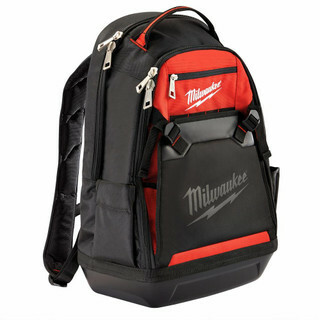
Electrical or test gear that needs separating Backpack or pocket heavy bag Better organisation, dedicated compartments, easier carrying when hands are full

Common Buying and Usage Mistakes

  • Buying too small is the usual one. It looks fine empty, then once you add batteries, fixings and a charger the zip strains and the bag becomes a pain to use. Go up a size if your load changes day to day.
  • Using a soft bag for sharp loose gear wrecks the lining and pocket stitching. Keep blades, hole saws and fixings in separate cases or organisers so the bag lasts properly.
  • Choosing wheels for stair heavy domestic work can backfire. A rolling tool bag is great across big sites, but on tight house jobs it can be bulkier than a normal carry bag.
  • Treating one bag like a full storage system wastes time. If you mix hand tools, test gear, fittings and power tools with no layout, you will spend half the day digging around instead of working.
  • Leaving a loaded bag wet and filthy in the van shortens its life. Dry it out, clear the dust and empty the rubbish pockets so the base, zip and stitching do not rot or jam up.

Tote Bags vs Closed Bags vs Wheeled Bags

Open Tote Bags

Best when you need to grab tools fast and keep moving. Joiners, sparks and snagging teams like them because everything is visible, but they do leave kit exposed to rain, dust and van grime.

Closed Tool Bags

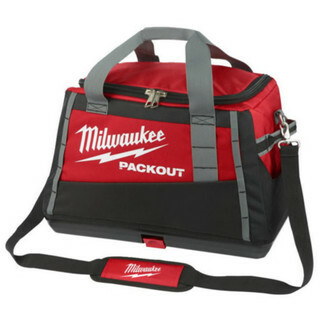
A good all round choice for daily site work. They protect tools better in transit, keep loose gear contained and suit mixed hand tool and drill loads, though access is slower than an open tote.

Wheeled Tool Bags

The right pick for heavier kit, long walks from van to job and larger commercial sites. They save your back, but they are less handy on stairs, in lofts or anywhere tight and awkward.

Backpacks

Worth a look if you are constantly climbing ladders or carrying other gear at the same time. A backpack spreads the weight better, but usually will not swallow the same bulk as a larger duffle or wheeled bag.

Maintenance and Care

Empty Out the Rubbish

Every so often, clear out broken bits, old screws, tape cores and dust. Bags wear out faster when sharp rubbish sits in the bottom grinding through the fabric.

Brush Off Dust and Mud

Dry site dust and wet muck both shorten the life of zips, seams and bases. A quick brush down after rough jobs keeps pockets usable and stops dirt spreading over the van.

Do Not Overload the Handles

If the bag is straining every lift, split the load. Even a tough Milwaukee carry bag will last longer if you are not asking one handle to carry every battery, drill and hand tool you own.

Dry It Before Storage

If the bag has been out in the rain, leave it open to dry before chucking it back in the van or workshop. Damp fabric and dirty pockets lead to smells, corrosion on tools and stiff zips.

Repair Small Issues Early

Loose stitching and sticky zips are worth sorting before they become a full failure. Once a seam opens under load, tools end up on the floor and the bag is usually finished.

Why Shop for Milwaukee Tool Bags at ITS?

Whether you need compact Milwaukee Tool Bags, open access Milwaukee Tool Totes, or hands free Milwaukee Tool Backpacks, we stock the full range for real site use. It is all in our own warehouse, ready for next day delivery, so you can get the right Milwaukee bag sorted without hanging about.

Milwaukee Tool Bag FAQs

Are tool bags worth it?

Yes, if you actually move your kit from van to job and do not want to waste time hunting for tools. A proper tool bag is quicker to carry than a rigid box for lighter loads, easier to stash in the van, and better for keeping your everyday bits together. They are not the answer for everything, but for call outs, first fix and mixed snagging work they make life easier.

How durable is a Milwaukee Packout bag?

They are properly site ready and built to take knocks, loaded tools and regular van use. The fabric, stitching and bases are far tougher than the free bags that come with some kits. That said, no bag likes being overloaded with sharp loose gear or left soaked in mud for weeks. Use it properly and it will put up with real abuse.

Where are Milwaukee tool bags made?

Manufacture can vary by product line and production batch, so there is not one single answer for every Milwaukee tool bag. The best thing is to check the product listing or label on the specific bag you are buying. What matters more on site is the build quality, base protection, stitching and layout for the job.

What is better for site work, a Milwaukee tote bag or a zipped Milwaukee bag?

If you want fast access all day, a tote is the better option. If your tools spend more time in the van, get carried in bad weather or need a bit more protection, go zipped. Most trades end up with both eventually because they suit different jobs.

Is a Milwaukee bag with wheels worth buying over a standard carry bag?

Yes, if your load is heavy and the walk in is long. On large commercial jobs, a wheeled bag saves your back and gets more kit in one trip. For domestic jobs with stairs, tight hallways and loft access, a normal carry bag is often easier.

Do Milwaukee tool bags hold power tools as well as hand tools?

Yes, many do, but check the shape and depth before you buy. A hand tool focused tote is great for drivers and pliers, but a deeper Milwaukee power tool bag is better if you are carrying drills, impacts, batteries and chargers without crushing everything together.
Read more

Milwaukee Tool Bags & Totes

A Milwaukee tool bag keeps your kit together, easy to grab, and tough enough for site, van, and workshop use without handles tearing or bases giving up.

If you're fed up with loose bits rolling round the van or soft bags splitting under real weight, this is the sort of storage that earns its keep. A proper Milwaukee bag is built for carrying drills, fixings, hand tools and testers between first fix, snagging and maintenance jobs. You have got open totes for quick access, duffle styles for mixed kit, and wheeled options when the load gets heavy. If you already run red kit, it makes sense to look through the Milwaukee Workshop range and pick the bag that matches how you actually work.

What Are Milwaukee Tool Bags Used For?

  • Carrying day to day kit between the van and the job keeps drills, chargers, hand tools and fixings in one place instead of spread across three boxes and a bucket.
  • Working through first fix and maintenance jobs is easier with an open tote or Milwaukee toolbag that lets you grab drivers, pliers and testers quickly without rooting round at the bottom.
  • Shifting heavier loads across larger sites suits a Milwaukee Tool Bag With Wheels when stairs are limited and you are hauling power tools, consumables and spare batteries.
  • Keeping one Milwaukee drill bag packed for smaller call out work saves time for sparks, plumbers and maintenance teams who just need the core kit ready to go.
  • Loading out the workshop or van at the start of the week is simpler when Milwaukee bags separate hand tools, power tools and site bits so nothing gets buried or damaged.

Choosing the Right Milwaukee Tool Bag

Match the bag to the load and the job route. Do not buy a small tote if you are dragging half your van through a plant room.

1. Tote vs Closed Bag

If you need fast access all day, go for one of the Milwaukee Tool Totes. If your kit gets chucked in the van, carried in the rain or stored between jobs, a zipped Milwaukee tool bag keeps it cleaner and more secure.

2. Hand Tools vs Power Tool Load

If it is mainly hand tools, look for pocket layout and an open top that stops you digging about. If you are carrying drills, impacts and chargers, pick a deeper Milwaukee power tool bag with a solid base and enough room that cables and batteries are not jammed in.

3. Carry vs Wheels

If you are mostly in houses, lofts and up stairs, a standard carry bag is usually less hassle. If you are crossing big commercial sites or loading heavier gear, a Milwaukee wheeled tool bag or Milwaukee rolling tool bag is the better shout and far easier on your shoulders.

4. Fixed Kit vs Grab Bag

If you want one bag permanently packed for service work, choose the size around your everyday kit and leave spare room for consumables. If it is a general van bag, buy bigger than you think you need because tapes, fixings, blades and chargers soon fill the space.

Who Uses These on Site?

  • Sparkies use a Milwaukee tool bag for carrying testers, screwdrivers, cutters and a compact drill from board work to second fix without lugging a full box round site.
  • Plumbers and heating engineers like these bags for keeping grips, cutters, fittings and small power tools together, especially on call outs where speed matters.
  • Joiners and kitchen fitters swear by open totes for quick access to squares, chisels, fixings and drivers when moving room to room on install jobs.
  • Maintenance teams and site supervisors keep a Milwaukee bag packed with mixed hand tools and fault finding gear so they can deal with snags without trekking back to the van.
  • Anyone carrying heavier kit across schools, hospitals or commercial refurbs will usually lean towards wheeled bags because they save your back and keep the load manageable.

Extras That Make a Milwaukee Tool Bag Work Harder

A bag is only half the job. A few sensible add ons stop damage, save time and keep your kit ready to grab.

1. Organisers and Cases

Loose screws, lugs and small fittings will end up buried in the bottom if you do not separate them. Small organisers or hard cases stop the usual mess and save you emptying the whole bag just to find a connector block or pack of bits.

2. Spare Shoulder Straps

If your bag is loaded with drills and batteries every day, the strap takes a hammering. A proper replacement strap is a lot cheaper than carrying a bag by torn webbing until it finally gives up in the car park.

3. Tool Lanyards and Clips

For engineers and fitters working at height, clips and lanyards help keep the essentials attached and easy to reach. It saves tools dropping out when the bag gets knocked over or moved about on access gear.

Choose the Right Milwaukee Tool Bag for the Job

Start with what you carry most days and how far you have to move it.

Your Job Bag Type Key Features
Small service calls with core hand tools and one drill Compact Milwaukee drill bag Light carry weight, zipped storage, enough room for daily essentials and a charger
First fix work moving room to room Open tote bag Quick access pockets, open top, easy to spot hand tools and fixings fast
Mixed power tool and hand tool load in the van Medium closed Milwaukee bag Deeper main compartment, tougher base, better protection from site dirt and rain
Large commercial sites with heavy loads Milwaukee bag with wheels Rolling transport, stronger handle setup, less strain carrying batteries and larger tools
Electrical or test gear that needs separating Backpack or pocket heavy bag Better organisation, dedicated compartments, easier carrying when hands are full

Common Buying and Usage Mistakes

  • Buying too small is the usual one. It looks fine empty, then once you add batteries, fixings and a charger the zip strains and the bag becomes a pain to use. Go up a size if your load changes day to day.
  • Using a soft bag for sharp loose gear wrecks the lining and pocket stitching. Keep blades, hole saws and fixings in separate cases or organisers so the bag lasts properly.
  • Choosing wheels for stair heavy domestic work can backfire. A rolling tool bag is great across big sites, but on tight house jobs it can be bulkier than a normal carry bag.
  • Treating one bag like a full storage system wastes time. If you mix hand tools, test gear, fittings and power tools with no layout, you will spend half the day digging around instead of working.
  • Leaving a loaded bag wet and filthy in the van shortens its life. Dry it out, clear the dust and empty the rubbish pockets so the base, zip and stitching do not rot or jam up.

Tote Bags vs Closed Bags vs Wheeled Bags

Open Tote Bags

Best when you need to grab tools fast and keep moving. Joiners, sparks and snagging teams like them because everything is visible, but they do leave kit exposed to rain, dust and van grime.

Closed Tool Bags

A good all round choice for daily site work. They protect tools better in transit, keep loose gear contained and suit mixed hand tool and drill loads, though access is slower than an open tote.

Wheeled Tool Bags

The right pick for heavier kit, long walks from van to job and larger commercial sites. They save your back, but they are less handy on stairs, in lofts or anywhere tight and awkward.

Backpacks

Worth a look if you are constantly climbing ladders or carrying other gear at the same time. A backpack spreads the weight better, but usually will not swallow the same bulk as a larger duffle or wheeled bag.

Maintenance and Care

Empty Out the Rubbish

Every so often, clear out broken bits, old screws, tape cores and dust. Bags wear out faster when sharp rubbish sits in the bottom grinding through the fabric.

Brush Off Dust and Mud

Dry site dust and wet muck both shorten the life of zips, seams and bases. A quick brush down after rough jobs keeps pockets usable and stops dirt spreading over the van.

Do Not Overload the Handles

If the bag is straining every lift, split the load. Even a tough Milwaukee carry bag will last longer if you are not asking one handle to carry every battery, drill and hand tool you own.

Dry It Before Storage

If the bag has been out in the rain, leave it open to dry before chucking it back in the van or workshop. Damp fabric and dirty pockets lead to smells, corrosion on tools and stiff zips.

Repair Small Issues Early

Loose stitching and sticky zips are worth sorting before they become a full failure. Once a seam opens under load, tools end up on the floor and the bag is usually finished.

Why Shop for Milwaukee Tool Bags at ITS?

Whether you need compact Milwaukee Tool Bags, open access Milwaukee Tool Totes, or hands free Milwaukee Tool Backpacks, we stock the full range for real site use. It is all in our own warehouse, ready for next day delivery, so you can get the right Milwaukee bag sorted without hanging about.

Milwaukee Tool Bag FAQs

Are tool bags worth it?

Yes, if you actually move your kit from van to job and do not want to waste time hunting for tools. A proper tool bag is quicker to carry than a rigid box for lighter loads, easier to stash in the van, and better for keeping your everyday bits together. They are not the answer for everything, but for call outs, first fix and mixed snagging work they make life easier.

How durable is a Milwaukee Packout bag?

They are properly site ready and built to take knocks, loaded tools and regular van use. The fabric, stitching and bases are far tougher than the free bags that come with some kits. That said, no bag likes being overloaded with sharp loose gear or left soaked in mud for weeks. Use it properly and it will put up with real abuse.

Where are Milwaukee tool bags made?

Manufacture can vary by product line and production batch, so there is not one single answer for every Milwaukee tool bag. The best thing is to check the product listing or label on the specific bag you are buying. What matters more on site is the build quality, base protection, stitching and layout for the job.

What is better for site work, a Milwaukee tote bag or a zipped Milwaukee bag?

If you want fast access all day, a tote is the better option. If your tools spend more time in the van, get carried in bad weather or need a bit more protection, go zipped. Most trades end up with both eventually because they suit different jobs.

Is a Milwaukee bag with wheels worth buying over a standard carry bag?

Yes, if your load is heavy and the walk in is long. On large commercial jobs, a wheeled bag saves your back and gets more kit in one trip. For domestic jobs with stairs, tight hallways and loft access, a normal carry bag is often easier.

Do Milwaukee tool bags hold power tools as well as hand tools?

Yes, many do, but check the shape and depth before you buy. A hand tool focused tote is great for drivers and pliers, but a deeper Milwaukee power tool bag is better if you are carrying drills, impacts, batteries and chargers without crushing everything together.
ITS Click and Collect Icon
What3Words:
Get Directions
Store Opening Hours
Opening times