Milwaukee Tool Belts, Pouches & Rolls
Milwaukee tool belt options keep fixings, hand tools and daily carry kit where you need them, whether you're on ladders, first fix, snagging or working off the hop.
If you're sick of climbing down for bits you should've had on you, a proper Milwaukee tool belt or Milwaukee tool pouch sorts that fast. These are built for sparks, chippies and fitters who need tough pocket layouts, decent support and pouches that don't sag once loaded. From a Milwaukee electrician pouch to a Milwaukee carpenter belt or Milwaukee Fastback tool roll, pick the setup that matches how you actually work and get organised properly.
What Are Milwaukee Tool Belts Used For?
- Working at height on ladders, towers or scaffold is easier with a Milwaukee tool belt because your fixings, testers, knife and drivers stay on you instead of being left in a bucket below.
- Running first fix electrics is where a Milwaukee electrician pouch earns its keep, giving you quick access to cutters, terminals, screws and markers without digging through a toolbox every five minutes.
- Fitting studwork, doors and sheet materials suits a Milwaukee carpenter belt setup, as it keeps pencils, tape, square, fixings and hand tools balanced round your waist for faster movement across the job.
- Snagging, maintenance calls and short van jobs are ideal for a Milwaukee tool pouch because you can carry just the core kit needed for the task without dragging a full case through the property.
- Storing knives, drivers and everyday hand tools between jobs is exactly what a Milwaukee tool roll is for, especially when you want kit laid out clearly in the van instead of rattling loose in a drawer.
Choosing the Right Milwaukee Tool Belt
Match the carry setup to the way you work. If the belt is overloaded or the pouch layout is wrong, you will feel it by lunch.
1. Full Belt or Single Pouch
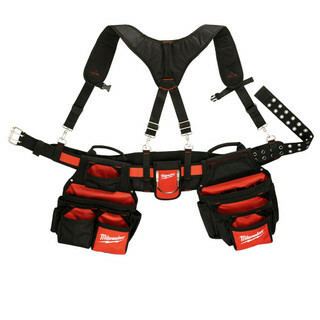
If you are on first fix or moving constantly across site, go for a full Milwaukee tool belt set so weight is spread properly and your main kit stays on you. If you are only carrying core hand tools for service work or snagging, a Milwaukee tool pouch is usually the better shout.
2. Trade Specific Layout
If you are a spark, look for a Milwaukee electrician pouch with slimmer hand tool storage and spaces for testers, markers and small fixings. If you are doing timber and sheet work, a Milwaukee carpenter belt with bigger pockets for fixings, knife, tape and square makes more sense.
3. Belt Width and Support
Do not just buy on pocket count. If you carry a lot of screws, nails or heavier hand tools, you need a Milwaukee work belt with proper support and enough width to stop it digging in when fully loaded.
4. Roll for Storage, Not Wear
A Milwaukee tool roll is the right pick if your main problem is van organisation or protecting hand tools in transit. It is not a substitute for a belt on active site work, but it is spot on for keeping gear tidy between jobs.
Who Uses These on Site?
- Sparkies rely on a Milwaukee tool pouch for first fix and testing work because it keeps snips, screwdrivers, connectors and a tester close when they are moving room to room.
- Chippies and dryliners go for a Milwaukee carpenter belt when fixing timber, boarding and second fix joinery, as they need fast access to pencils, squares, screws and knives all day.
- Plumbers and heating engineers use lighter Milwaukee work belt setups for service calls and installs where carrying grips, small hand tools and consumables beats hauling a full bag into every job.
- Maintenance teams and snaggers swear by Milwaukee tool rolls for van organisation, as they can lay out commonly used hand tools neatly and grab the right roll for each callout.
- General trades and multi-skilled fitters often build a Milwaukee tool belt set that suits their own workflow, especially on larger sites where walking back to the box wastes time all shift.
The Basics: Understanding Milwaukee Tool Belts and Pouches
The main thing to understand is how each setup carries weight and how quickly you can reach what you need. Get that right and you waste less time, climb less and work more comfortably through the day.
1. Tool Belt Sets Spread the Load
A Milwaukee tool belt set is built to carry more kit across your waist, which helps balance the load better than stuffing everything into one side. That matters when you are fixing all day and cannot keep stopping to grab more screws or hand tools.
2. Tool Pouches Keep It Lightweight
A Milwaukee tool pouch carries the essentials for shorter jobs, callouts or trade specific tasks. You lose some capacity, but you gain speed and less strain, which is often the better setup for service engineers and snagging work.
3. Tool Rolls Keep Van Kit Organised
A Milwaukee Fastback tool roll or similar roll-up organiser is about storage, transport and protecting hand tools from getting mixed in with loose gear. It keeps the van tidier and makes it easier to grab a full hand tool set in one go.
Milwaukee Tool Belt Accessories That Make the Job Easier
A good belt setup works better when the carry layout suits the trade and the load you are actually dealing with.
1. Additional Tool Pouches
Adding another Milwaukee tool pouch saves you cramming fixings and hand tools into the same pocket, which is how bits go missing and belts start hanging badly on one side.
2. Hammer or Tape Holders
A proper holder keeps bulkier kit out of your main pockets, so you are not fighting past a tape or hammer every time you reach for screws, a knife or a driver.
3. Spare Work Belt
A replacement Milwaukee work belt is worth having if your old belt is stretched, twisted or digging in, because even good pouches feel poor once the belt itself stops carrying weight properly.
Choose the Right Milwaukee Tool Belt for the Job
Use this as a quick way to match the setup to the sort of work you actually do.
| Your Job | Category or Type | Key Features |
|---|---|---|
| First fix electrical and room to room installs | Milwaukee electrician pouch | Compact carry, slim hand tool pockets, quick access to small fixings and testers |
| Timber framing, boarding and second fix joinery | Milwaukee carpenter belt | Larger pockets, balanced fixings storage, room for tape, square, knife and fasteners |
| Snagging, maintenance and short callouts | Milwaukee tool pouch | Lighter carry, easy on and off, enough space for core tools without full belt bulk |
| Full day site work with constant movement | Milwaukee tool belt set | Better load spread, more storage, less walking back for bits and consumables |
| Van storage and hand tool organisation | Milwaukee tool roll | Tools stored neatly, less rattling, easy grab and go between jobs |
Common Buying and Usage Mistakes
- Buying the biggest Milwaukee tool belt you can find without thinking about the load usually ends with an overfilled belt that drags on one side and slows you down. Carry what you use daily, not half the van.
- Choosing a single Milwaukee tool pouch for full day first fix work can be a false economy because you run out of space fast and start stuffing tools wherever they fit. If you carry fixings and multiple hand tools all day, step up to a full belt setup.
- Ignoring trade specific pocket layout is where people go wrong. An electrician, chippy and maintenance fitter all carry different kit, so buy for the tools you actually reach for rather than just the badge and colour.
- Using a tool roll as your main on-body storage wastes time on active jobs because you still have to stop and unroll it. A Milwaukee tool roll is for transport and organisation, not replacing a working belt on site.
- Overloading one pouch with screws, blades and hand tools wears the belt faster and makes it uncomfortable. Spread the load properly or add another pouch so the belt works with you instead of against you.
Tool Belt vs Tool Pouch vs Tool Roll
Milwaukee Tool Belt
Best for full shifts where you need fixings, hand tools and daily carry kit on you at all times. It spreads weight better than a single pouch, but it is bulkier and only worth it if you genuinely work out of it all day.
Milwaukee Tool Pouch
Best for lighter work, service jobs and trade specific carry where you only need the essentials. It is quicker to throw on and less tiring, but you will hit its limits fast if the job needs a lot of fixings or multiple hand tools.
Milwaukee Tool Roll
Best for van storage and keeping hand tools organised between jobs. It protects and groups tools properly, but it does not replace a pouch or belt when you are moving round site and need everything to hand.
Maintenance and Care
Empty Out the Dust and Debris
Shake out sawdust, plaster dust, loose screws and clipped cable ends at the end of the week. Let that build up and pockets wear faster, tools sit badly and you end up carrying dead weight.
Check Stitching and Stress Points
Look over seams, rivets, belt loops and heavily loaded pocket edges before they let go on site. Catching damage early is a lot better than dropping fixings down a stairwell or off a ladder.
Do Not Store Them Wet
If your belt or pouch gets soaked, dry it out before throwing it back in the van. Damp storage shortens the life of the material and leaves metal parts and carried tools more likely to corrode.
Retire Overstretched Belts
Once a work belt loses its shape or support, comfort drops off fast and the pouches stop sitting right. Replace the belt before it starts twisting under load and making the whole setup awkward to wear.
Use the Right Setup for the Right Job
A lighter Milwaukee tool pouch for service work and a fuller belt for site shifts will both last longer than one overloaded setup trying to do everything. Most wear comes from carrying the wrong amount of kit in the wrong layout.
Why Shop for Milwaukee Tool Belts at ITS?
Whether you need a Milwaukee tool belt, Milwaukee tool pouch, Milwaukee tool roll or a full Milwaukee tool belt set, we stock the range builders and fitters actually use. That means trade specific carry options, different sizes and the key Milwaukee storage belt setups all in one place. We also carry Milwaukee Tool Belts, Pouches & Rolls, Wera Tool Belts, Pouches & Rolls, Wera Kraftform Tool Belts, Pouches & Rolls, Wera Joker Tool Belts, Pouches & Rolls and Veto Pro Pac Tool Belts, Pouches & Rolls. It is all held in our own warehouse, in stock and ready for next day delivery.
Milwaukee Tool Belt FAQs
What is the difference between a tool belt and a tool pouch?
A tool belt is the full carry setup, usually with multiple storage sections spread round the waist for full day work. A Milwaukee tool pouch is one smaller section for essential tools and fixings. If you are on first fix all day, the belt makes more sense. If you are doing service calls or snagging, the pouch is often all you need.
Are Milwaukee tool belts adjustable?
Yes, Milwaukee tool belts are adjustable, but always check the size range on the product before ordering. Adjustment gives you room to fine tune the fit over work trousers, shorts or layers, but you still need the right base size if you want the belt to sit properly once loaded.
Can you attach Milwaukee pouches to any belt?
Not always. Some Milwaukee pouches will fit standard work belts, but you need to check belt width, mounting style and how much load the belt can handle. It is usually safest to pair Milwaukee pouches with a compatible Milwaukee work belt so the whole setup sits correctly and does not twist under weight.
What is the largest size Milwaukee tool belt?
The largest size Milwaukee tool belt depends on the specific model, so check each product listing rather than guessing. Some belts cover a broad adjustable range, but once you are carrying proper weight you want enough adjustment left to secure it comfortably without the belt tail being maxed out.
Are Milwaukee tool belts any good for all day site work?
Yes, if you buy the right setup for the load. Milwaukee belts are built for trade use and hold up well to daily site movement, but comfort comes down to weight distribution as much as the belt itself. Load it sensibly and match the pouch layout to your trade.
Is a Milwaukee leather tool belt better than fabric or synthetic options?
Leather can wear well and hold its shape nicely, but it is not automatically better for everyone. If your work is rough, wet or dusty, some modern fabric and reinforced designs are easier to live with and dry out faster. Pick based on site conditions and what you carry, not just material.
Will a Milwaukee packout tool belt replace a toolbox?
No, and it should not. A Milwaukee packout tool belt is there to keep your daily use kit on your body while you work. Your bulk tools, spare fixings and less-used gear still belong in proper storage, otherwise the belt gets too heavy and becomes a pain to wear.