Automotive
Automotive tools keep garage work moving, from servicing motors to stripping trim, shifting seized fixings, and sorting day to day vehicle faults properly.
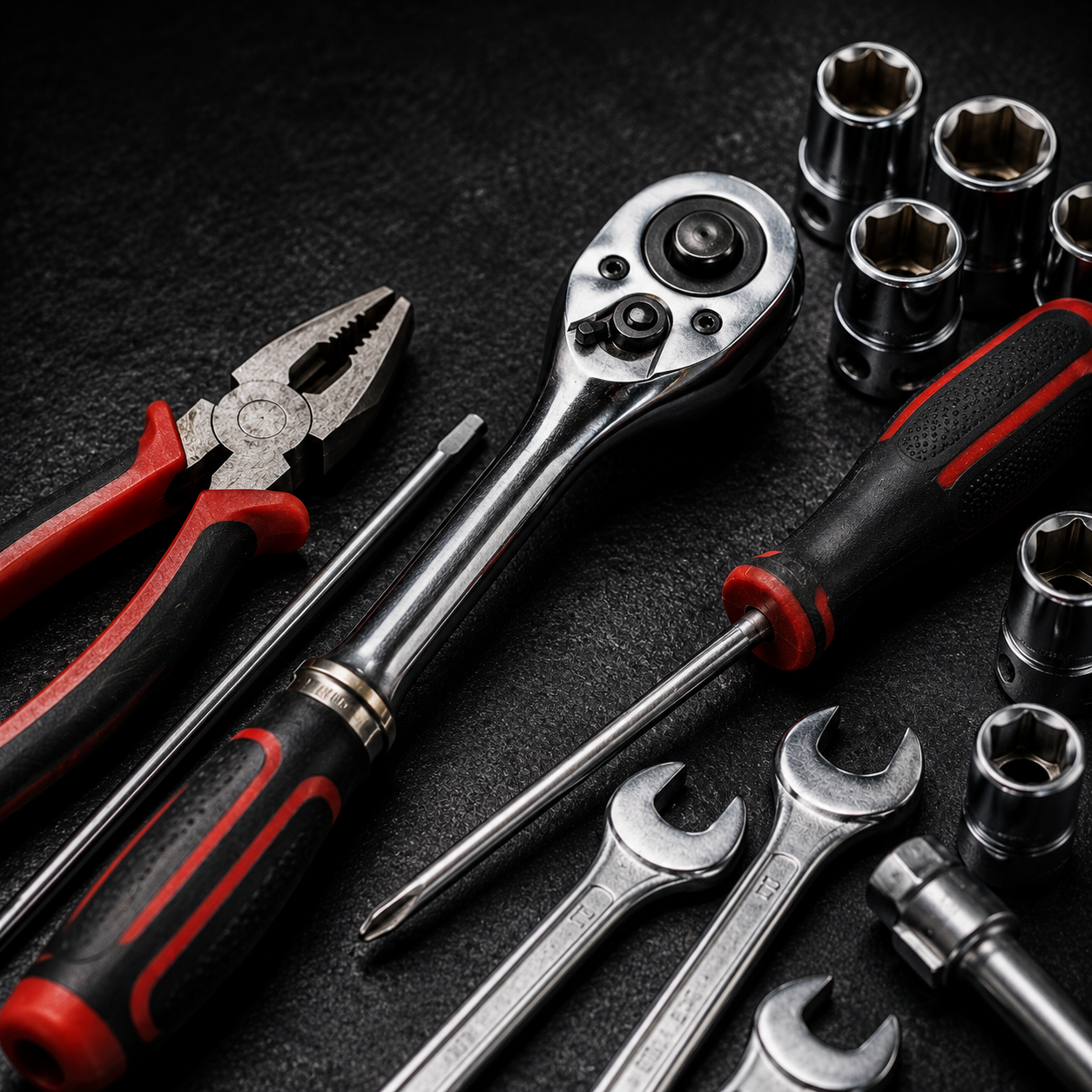
If you're doing brake jobs, underbody work, battery swaps or van upkeep, buy kit that stands up to oil, tight spaces and constant use. Good automotive tools save rounded fasteners and wasted time, whether you're in a workshop bay or working off the van. Our range covers proper Automotive Tools, plus the Hand Tools and Power Tools that keep servicing, repairs and clean-down moving. Pick the right gear and get the job done properly.
What Are Automotive Tools Used For?
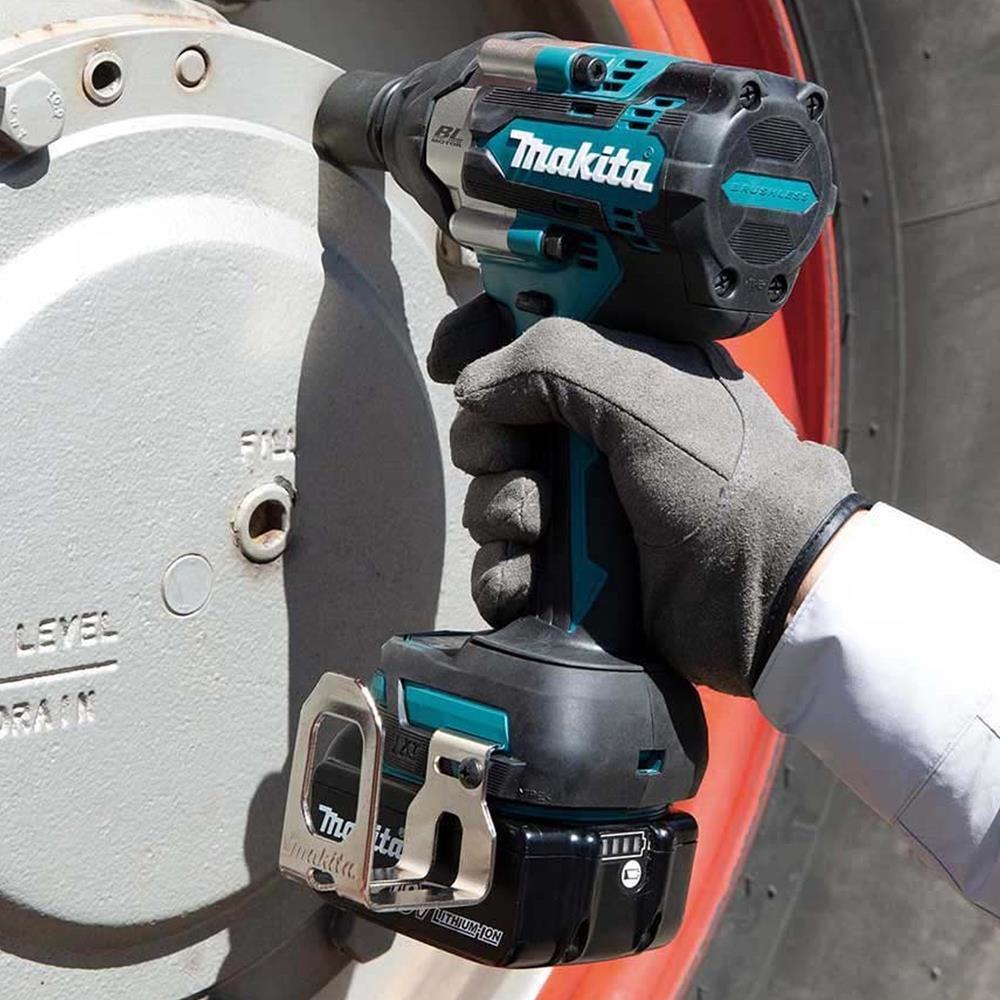
- Removing stubborn wheel nuts, seized fixings and engine bay fasteners is where proper automotive tools earn their keep, especially when cheap sockets and spanners would just round things off.
- Stripping interior trim, door cards and dashboard panels needs the right car tools if you want to get clips out cleanly without cracking plastics or leaving the cab rattling afterwards.
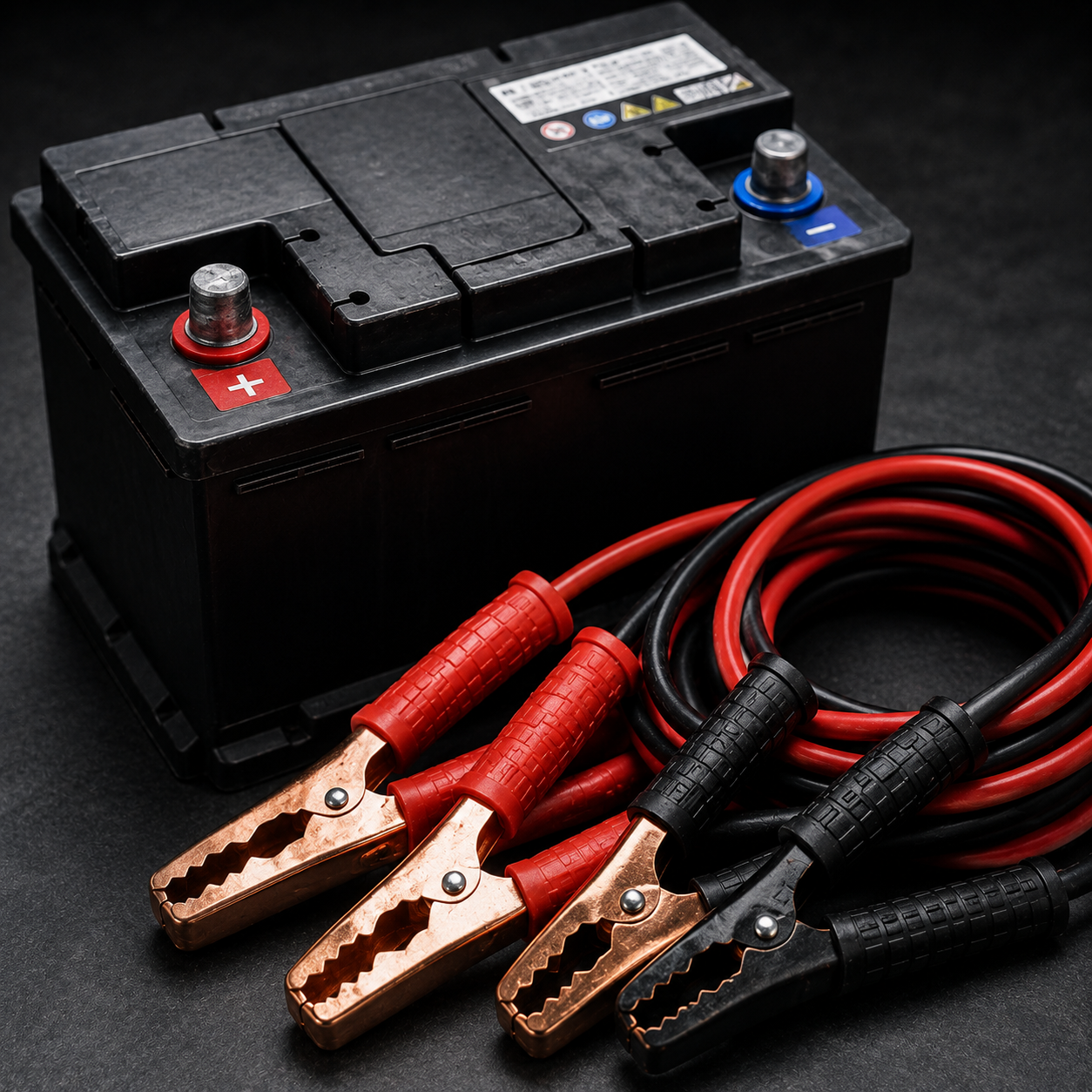
- Servicing vans and cars on routine jobs like oil changes, brake work and battery replacement is quicker with mechanics tools built for awkward access under bonnets, undertrays and wheel arches.
- Cleaning workshop floors, valeting load areas and shifting dirt from pedals, mats and hard to reach corners calls for vehicle cleaning tools that cope with daily garage mess and site grime.
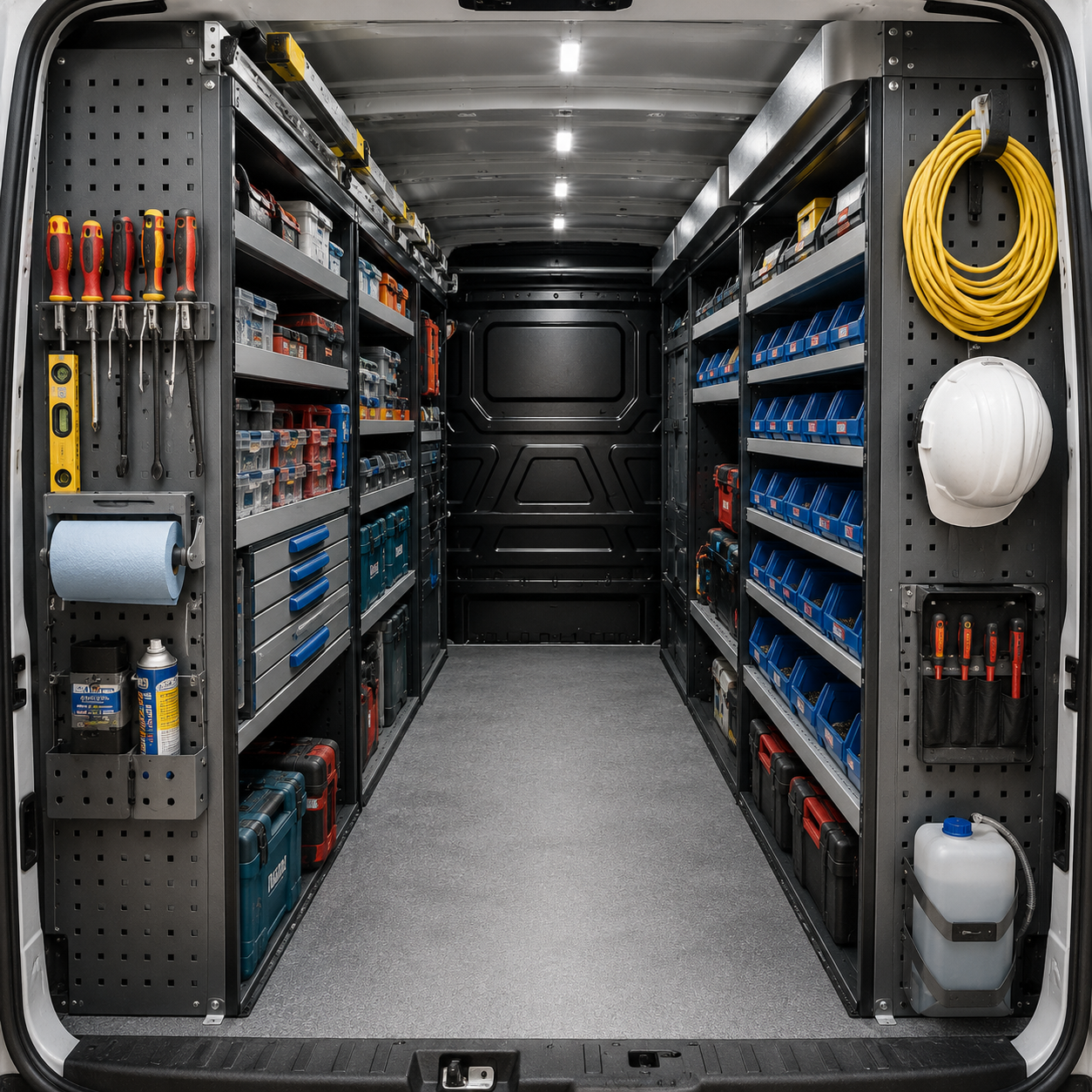
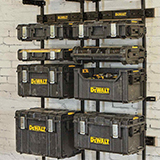
- Sorting van fit-outs and mobile work setups often means adding garage equipment and storage that keeps tools organised, stops damage in transit and saves rummaging about for the right bit.
Choosing the Right Automotive Tools
Sorting the right automotive tools is simple: match them to the type of vehicle work you actually do, not the odd job you might do once a year.
1. General Servicing or Heavy Repair
If you're mainly doing filters, batteries, trim and brake checks, a solid core kit of sockets, spanners and trim tools will cover most jobs. If you're regularly freeing seized suspension, hubs or exhaust fixings, step up to impact rated gear and stronger workshop tools straight away.
2. Tight Access Matters More Than Big Sets
Do not get distracted by massive sets full of bits you'll never touch. If you work in engine bays, behind dash panels or around undertrays, low profile ratchets, extensions, wobble ends and slim head tools will save you more time than extra duplicate sizes.
3. Workshop Based or Van Based
If the kit lives in one bay, larger chests and heavier garage equipment make sense. If you're working mobile, buy compact cases and storage that stop tools rattling about or going missing in the back of the van.
4. Cleaning and Protection Count Too
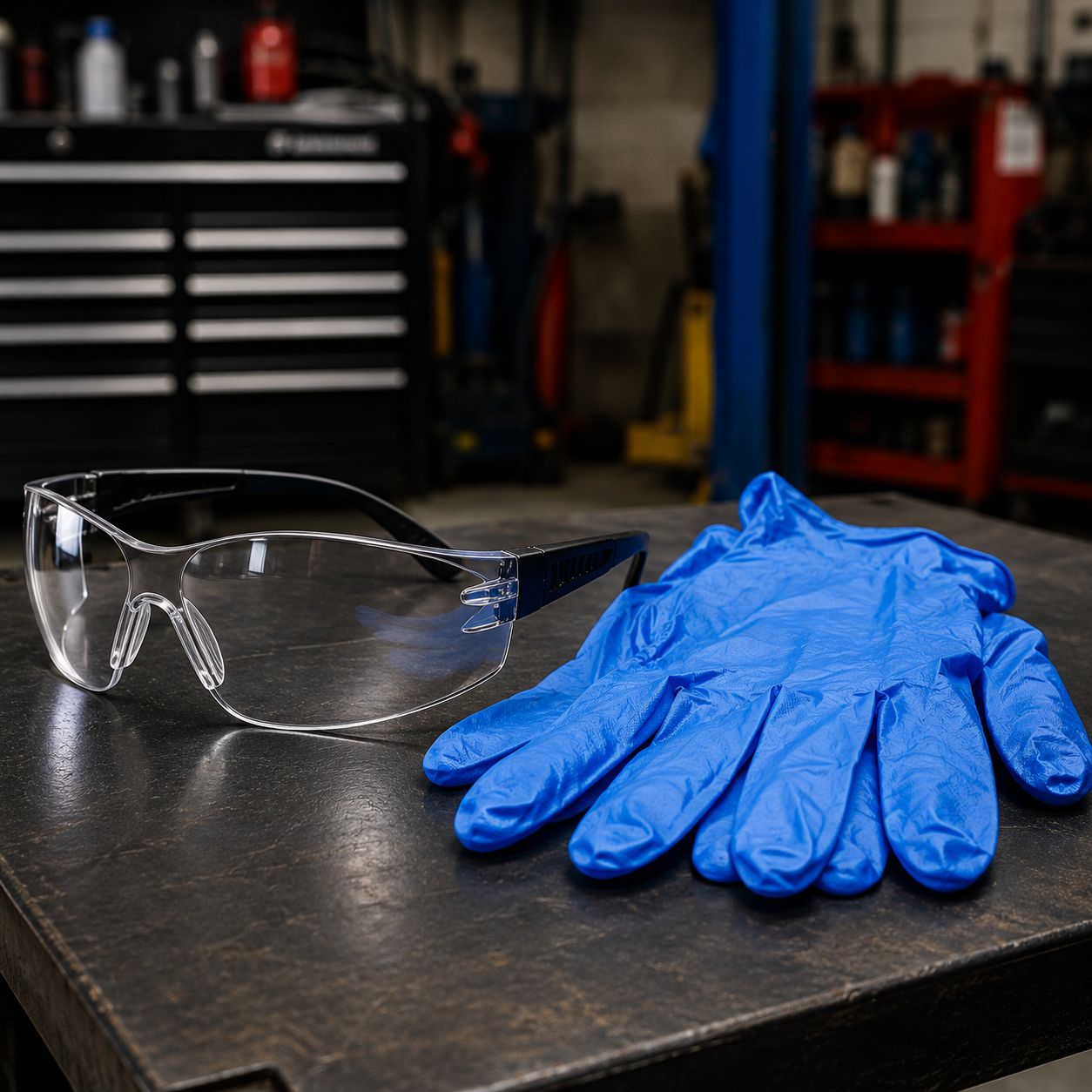
If you're doing regular vehicle clean-down or interior work, do not just buy fixing tools and call it done. Proper vehicle cleaning tools and the right PPE make the job cleaner, safer and far less of a faff at the end of the day.
Who Uses These on Site and in the Workshop?
- Mechanics and garage fitters use these every day for servicing, fault finding and repair work, especially when they need vehicle tools that fit tight engine bays and stand up to oil and constant use.
- Van fleets and maintenance teams rely on car tools and garage equipment for keeping work vehicles roadworthy, from brake checks and battery swaps to replacing worn fittings before they become downtime.
- Plant and site maintenance crews keep this sort of kit close for light repairs, cleaning and day to day upkeep on pickups, vans and small machinery between proper workshop visits.
- Mobile technicians and roadside fitters need compact mechanics tools and storage that travel well, because there is no point carrying half a workshop if you cannot get to it quickly at the kerbside.
The Basics: Understanding Automotive Tools
Automotive tools are not just normal hand tools in a different box. The useful difference is access, fit and strength, because vehicle work means tight spaces, awkward fasteners and parts you do not want to mark up.
1. Standard Tools vs Vehicle Specific Tools
A standard spanner or screwdriver will get through plenty of jobs, but vehicle specific tools are shaped for things like trim clips, filters, brake components and recessed fixings. That means less damage, less swearing and fewer stripped parts.
2. Hand Force vs Impact Force
Some fasteners need feel, especially on trim and interior work. Others need proper force, like suspension or wheel fixings. That is why impact sockets and heavier duty mechanics tools matter for repair work where a standard chrome socket will not last.
3. Workshop Kit vs Mobile Kit
Workshop tools can be bigger and more specialised because the storage stays put. Mobile kits need to cover the most common faults fast, using compact storage and sensible essentials you can grab without emptying half the van.
Automotive Accessories That Save Time in the Workshop
A few sensible extras stop hold-ups, protect your kit and make vehicle work far less awkward.
1. Impact Sockets and Extensions
If you're dealing with wheel nuts, suspension bolts or rusty underbody fixings, proper impact sockets and extensions stop you wrecking lighter gear. It is a lot cheaper than splitting a standard socket halfway through a job.
2. Trim Removal Sets
Get a decent trim set before you start pulling at door cards with a screwdriver. You will save clips, avoid marked plastics and spend far less time sorting damage you caused trying to save five minutes.
3. Tool Storage and Van Organisation
Good storage keeps your mechanics tools in one place and stops them sliding about in transit. It also makes stock checks easier when you are running a mobile setup or sharing kit across a team.
4. Security for Mobile Kits
If your gear lives in the van overnight, do not ignore security. Proper Site and Vehicle Security measures are cheaper than replacing a full set of trade automotive tools after a break-in.
Choose the Right Automotive Tools for the Job
Use this quick guide to narrow down the sort of kit that suits your day to day vehicle work.
| Your Job | Category or Type | Key Features |
|---|---|---|
| Routine servicing on cars and vans | Socket and spanner sets | Common metric sizes, decent ratchets, extensions and a case that keeps everything in order |
| Wheel, brake and suspension work | Impact sockets and high torque tools | Impact rated construction, deep sockets and gear that can handle seized fixings |
| Interior strip out and trim repairs | Trim and panel removal tools | Non marking edges, slim profiles and shapes that lift clips without snapping them |
| Mobile van maintenance and callouts | Compact mechanics tool kits | Portable storage, the most used sizes and fast access without carrying a full chest |
| Cleaning load areas and workshop spaces | Vehicle cleaning tools and garage equipment | Kit that handles dust, mud, oil residue and regular use around vans and bays |
Common Buying and Usage Mistakes
- Buying a giant mixed tool set for one or two garage jobs usually means paying for plenty you will never use. Start with the sizes and tool types your vehicles actually need, then build from there.
- Using standard sockets on impact work is a quick way to split sockets or damage fixings. If the job involves a high torque wrench or stubborn bolts, use impact rated gear from the start.
- Skipping trim tools and using screwdrivers on panels nearly always ends in snapped clips or marked plastics. A basic trim set is a cheap fix for a very common and very avoidable mess.
- Ignoring storage is how good mechanics tools go missing or get battered in the van. Put them in proper cases, drawers or organised van storage so you are not replacing the same kit twice.
- Buying workshop tools without thinking about where they will be used causes problems fast. Heavy bench kit is no use on roadside callouts, and tiny travel kits are no substitute for proper bay equipment.
Hand Tools vs Impact Tools vs Trim Tools
Hand Tools
Best for routine servicing, controlled tightening and jobs where feel matters. They are the backbone of any garage setup, but they are slower on seized fixings and heavy strip-down work.
Impact Tools
These are what you want for stubborn wheel nuts, suspension bolts and corroded fasteners that will not shift by hand. Faster and stronger, but you need the right sockets and a bit of care on smaller fittings.
Trim Tools
Made for interior panels, clips and finishes where metal tools do more harm than good. They will not replace your main mechanics tools, but they save a lot of broken plastic and rework.
Which One Should You Buy First
If you are building a basic setup, start with core hand tools. Add impact gear if you do regular repair work, then trim tools if interiors, dash work or van conversions are part of the job.
Maintenance and Care
Wipe Off Oil and Brake Dust
Automotive tools get covered in grime quickly, and leaving that muck on them shortens their life. Wipe tools down after use so ratchets, grips and moving parts do not gum up.
Store Sets Properly
Loose sockets and bits vanish fast in a busy garage or van. Keep everything in its case or drawer insert so missing sizes are obvious before you head out to a job.
Check Ratchets and Moving Parts
If a ratchet starts slipping or binding, sort it early. A quick clean and light lubrication can keep it going, but if the mechanism is worn out, replace it before it lets go under load.
Keep Impact and Standard Tools Separate
Mixing them up is how standard sockets end up on high torque jobs and fail. Separate storage for impact rated gear makes it easier to grab the right kit first time.
Replace Damaged Trim Tools
Once plastic trim tools chip or burr over, they start marking panels. They are cheap enough to swap out, and it is better than damaging a customer interior on a simple removal job.
Why Shop for Automotive Tools at ITS?
Whether you need everyday car maintenance tools, mechanics tools for regular workshop use, or garage equipment for a mobile van setup, we stock the full range in one place. From core servicing gear to vehicle cleaning tools and storage, it is all in our own warehouse, in stock and ready for next day delivery.
Automotive Tools FAQs
What automotive tools are useful for garage work?
For most garage work, start with socket sets, spanners, ratchets, screwdrivers, pliers and trim tools. Add impact rated gear if you are dealing with wheel nuts, suspension bolts or older vehicles with seized fixings. If you do regular clean-down as well, vehicle cleaning tools and sensible storage are worth having from day one.
Which tools do mechanics need most often?
The tools that get reached for most are usually metric sockets, combination spanners, ratchets, extensions, pliers, screwdrivers and a decent torque capable setup. For modern vehicle work, trim tools and compact access tools also earn their keep because there is less room to work than there used to be.
Can automotive tools be used for van and site maintenance?
Yes, plenty of them can. If you look after vans, pickups or site support vehicles, the same core mechanics tools cover battery changes, brake checks, basic repairs, trim work and day to day upkeep. Just make sure your kit is portable enough if it is travelling between jobs rather than staying in a fixed workshop.
What should I buy for basic car maintenance?
For basic car maintenance, buy a sensible starter kit with sockets, spanners, screwdrivers, pliers and a ratchet set in the common sizes. That will handle plenty of routine checks and simple servicing jobs. Do not overspend on specialist kit until you know the type of work you are actually going to do.
Do I need separate tools for interior trim and mechanical work?
Yes, if you want to avoid damage. Mechanical tools are built for force, while trim tools are built to lift clips and panels without marking soft plastics. Using the wrong one usually ends with scratched panels or broken fixings.
Are automotive power tools worth it for regular garage jobs?
They are if you are working on vehicles day in, day out. Automotive power tools speed up repetitive jobs and help on stubborn fasteners, but they do not replace good hand tools. Most decent setups use both, depending on whether the job needs speed or feel.