Vehicle Battery & Starting
Vehicle battery starting gear gets you moving again when a flat battery kills the van, car or pickup before first call or yard run.
When a battery drops overnight, you need kit that starts the vehicle quickly without hanging about for roadside recovery. This vehicle battery starting range covers jump starters, battery packs, jump leads and car battery chargers and starters used by garages, mobile techs and lads running vans all week. Pick the right output for engine size and cable length for where the vehicle is parked, then get your battery booster sorted.
What Jobs Are Vehicle Battery Starting Tools Used For?
- Starting a flat work van first thing in winter saves losing half the morning when the battery has dropped after lights, heaters or beacons have been left on.
- Getting cars, pickups and site runabouts moving again in yards, compounds and tight parking bays is where jump starters and battery packs earn their keep over waiting for another vehicle.
- Backing up garage battery tools during servicing and fault finding helps mechanics bring vehicles back to life safely before checking charging systems and battery condition.
- Keeping jump leads and a vehicle starter pack in fleet vehicles gives maintenance teams a quick fix for dead batteries on delivery runs, callouts and handover collections.
- Recharging tired batteries with car battery chargers and starters is useful when a vehicle has been standing for days and needs more than a quick boost to turn over properly.
Choosing the Right Vehicle Battery Starting Kit
Match the starting kit to the engine and the way you actually use the vehicle, not just the cheapest box on the shelf.
1. Jump Starter or Charger
If you need to get moving there and then, buy a jump starter or battery booster. If the vehicle sits for long periods and the battery keeps fading, a car battery charger is the better fix because it brings charge back properly instead of just giving one hard start.
2. Engine Size and Battery Output
If you are starting small petrol cars, a compact unit will usually do the job. If you are dealing with vans, diesel engines or bigger pickups, do not underspec it. You need proper peak current and enough reserve to crank without the pack dropping flat after one attempt.
3. Cable Length and Clamp Quality
If the vehicle is nose-in against a wall or packed into a yard space, short leads become a nuisance fast. Go for decent cable length and solid clamps that grip properly on awkward battery terminals instead of slipping off when you are leaning over an engine bay.
4. Portable Pack or Workshop Unit
If the kit lives in your van, keep it compact and easy to charge. If it stays in a garage or depot and gets used across several vehicles a day, a larger starter charger with heavier cables makes more sense and stands up better to repeated use.
Who Uses These for Vehicle Battery Starting?
- Garage mechanics use vehicle battery starting gear to bring flat cars and vans back to life before testing alternators, replacing batteries or moving vehicles around the workshop.
- Mobile technicians keep a battery booster or jump starter in the van so they can sort callouts on driveways, roadside stops and customer sites without needing a donor vehicle.
- Fleet managers and yard teams rely on jump leads and battery packs for vans, pickups and pool cars that sit idle, especially through cold weather or short-run use.
- Trades running their own vans swear by a vehicle starter pack because it saves calling for help when the battery gives up before an early start or late finish.
The Basics: Understanding Vehicle Battery Starting
There are a few ways to deal with a flat battery, and each one suits a different job. The simple bit is knowing whether you need a quick crank, a proper recharge, or help from another vehicle.
1. Jump Starters and Battery Packs
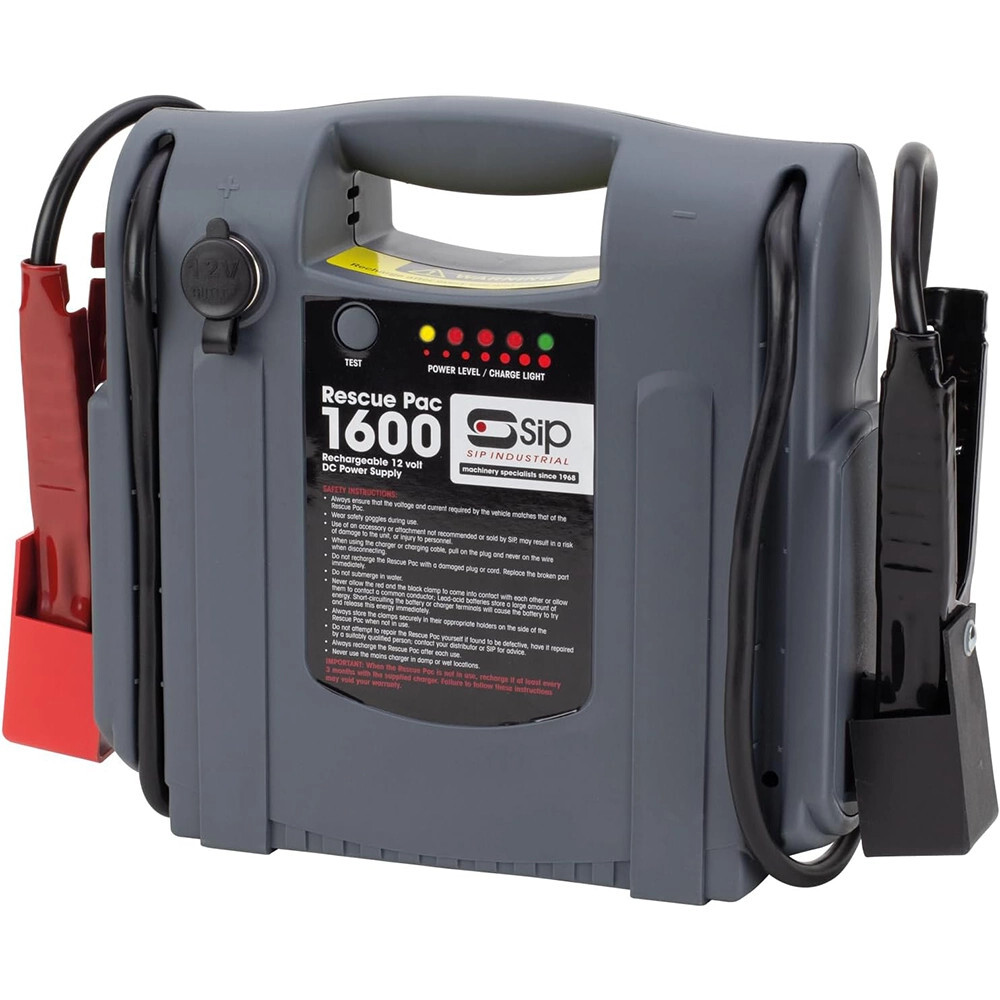
These give the battery a short, high-current boost so the engine can turn over. They are the fastest option when you are stuck on a driveway, in a yard or on site and just need the vehicle running again without dragging another vehicle alongside.
2. Jump Leads
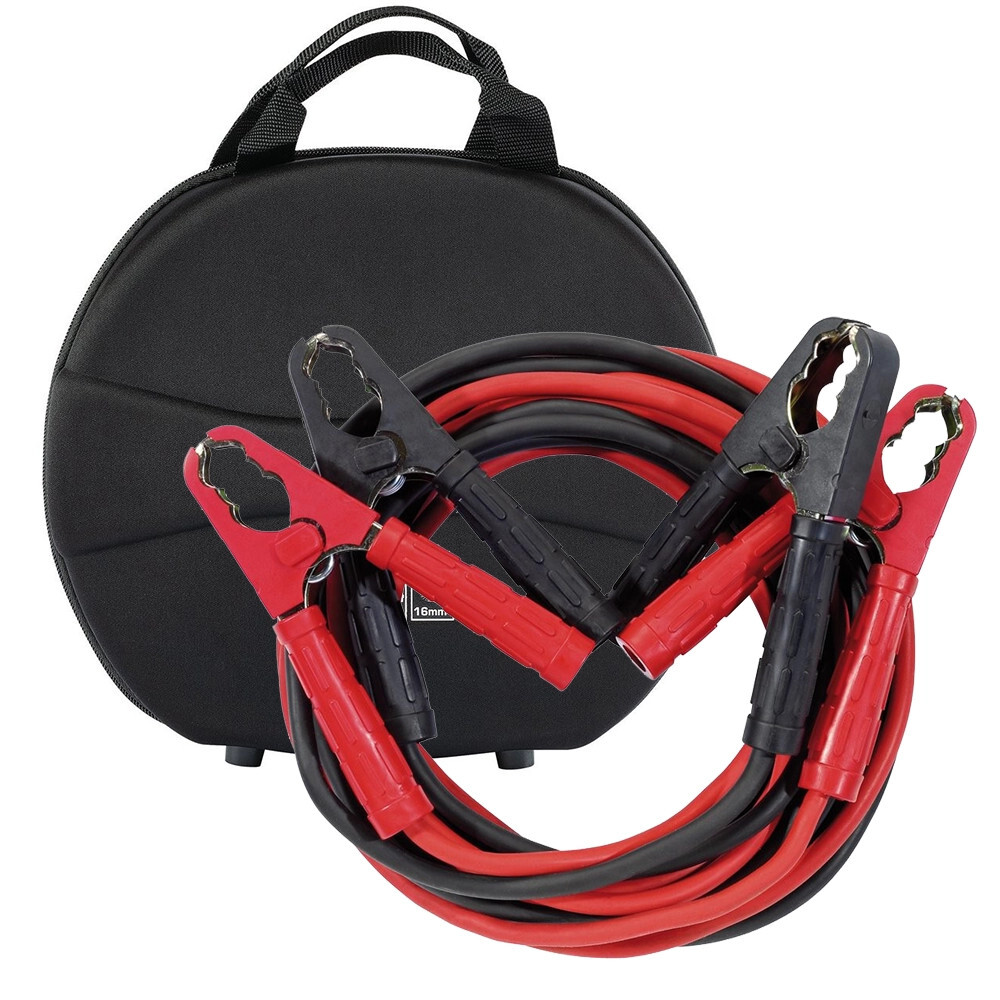
Jump leads use power from a second vehicle, so they work well when help is nearby and both vehicles can be positioned safely. They are simple and effective, but only if the leads are heavy enough and you can actually get bonnet to bonnet without a faff.
3. Battery Chargers and Starter Chargers
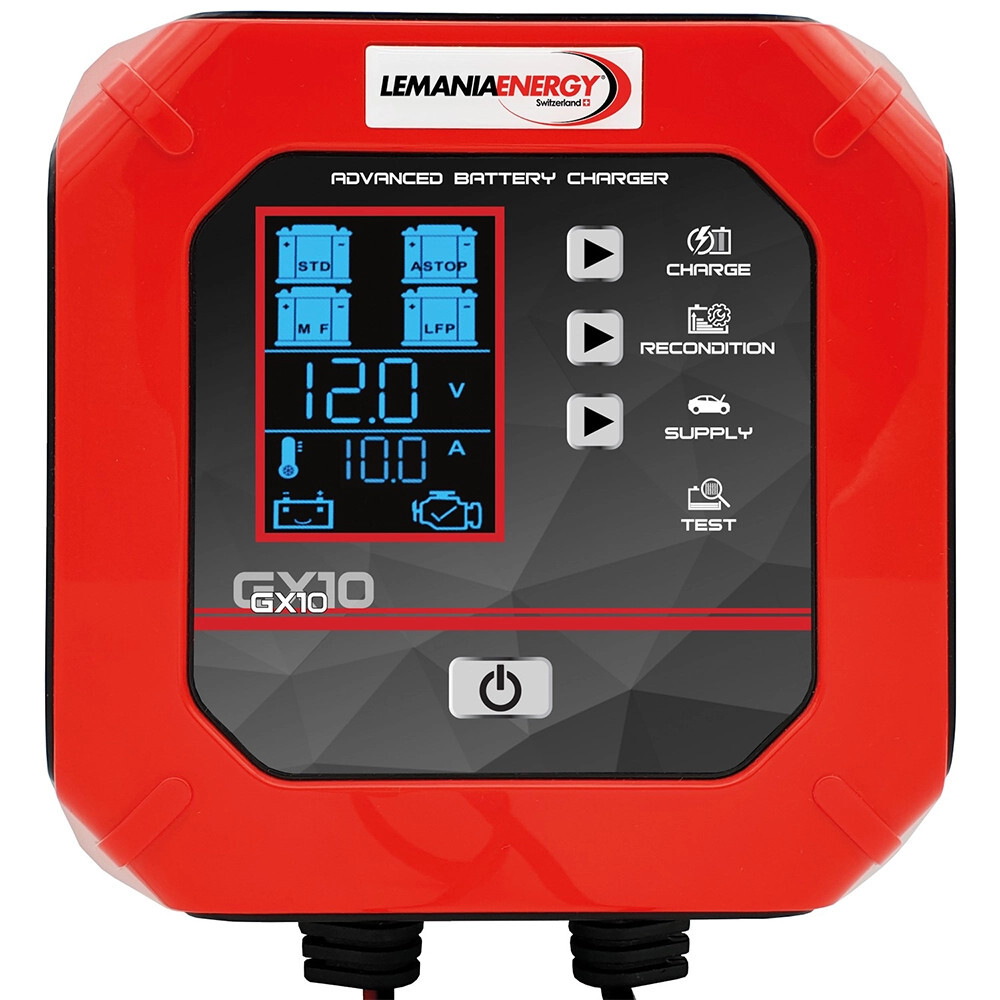
A charger puts energy back into the battery over time, which is what you need if the battery is low from standing, cold weather or repeated short trips. Starter chargers can also assist cranking, making them a good workshop option for regular vehicle battery starting jobs.
Vehicle Battery Starting Accessories Worth Keeping Handy
A few sensible extras save wasted trips, bad connections and dead kit when you actually need a start.
1. Heavy Duty Jump Leads
Keep a proper set in the vehicle even if you own a jump starter. If the pack is flat or another vehicle is easier to position, decent leads get you out of trouble. Cheap skinny ones just get warm and waste your time.
2. Battery Charger
A jump start gets the engine running, but it does not fix a drained battery on its own. A charger is what stops the same vehicle failing again the next morning, especially if it has been standing or only doing short runs.
3. Spare Charging Cable or Mains Lead
Lose the charging lead for your starter pack and it quickly becomes dead weight in the van. Keeping a spare in the workshop or cab saves that annoying moment when the pack is empty and no one knows where the cable went.
Choose the Right Vehicle Battery Starting for the Job
Use this as a quick guide before you pick your starting kit.
| Your Job | Category or Type | Key Features |
|---|---|---|
| Starting a small petrol car at home or on the road | Compact jump starter | Portable size, simple clamps, enough peak current for smaller engines, easy in-vehicle storage |
| Starting diesel vans and pickups on regular callouts | High output battery booster | Higher cranking power, stronger clamps, better reserve capacity, built for repeated use |
| Bringing back vehicles that have been standing for days | Car battery charger | Steady recharge, battery maintenance, safer for deeply drained batteries, useful for stored vehicles |
| Workshop servicing and daily vehicle movement | Starter charger | Charge and assist start functions, heavier cables, suited to garage use across multiple vehicles |
| Keeping a backup in the boot or van tool locker | Jump leads | No charging needed, useful with a donor vehicle, simple emergency backup, choose thick cables not budget sets |
Common Buying and Usage Mistakes
- Buying a jump starter that is too small for the engine is the big one. It might handle a hatchback but struggle badly on a diesel van, so always check the unit is rated for the vehicle you actually run.
- Treating a dead battery like it only needs a boost wastes time. If the battery will not hold charge, a jump start is only a temporary fix and you need to charge it properly or replace it.
- Leaving the starter pack uncharged in the boot means it is useless when winter hits. Put it on a routine check and top-up so it is ready when the vehicle is not.
- Using cheap jump leads with thin cable causes poor cranking and hot clamps. Go for heavier leads with solid grips if you want proper current transfer and fewer failed attempts.
- Ignoring access around the vehicle catches people out. Short leads and bulky packs are awkward in tight bays, so think about cable reach and where the battery actually sits before you buy.
Jump Starters vs Jump Leads vs Battery Chargers
Jump Starters
Best when you need to start a vehicle on your own and get moving fast. They are quicker and cleaner than jump leads in tight spaces, but they need keeping charged and must be powerful enough for the engine size.
Jump Leads
Best as a backup when another vehicle is available and access is easy. They are simple and dependable, but they are no use if you are working alone or cannot get a donor vehicle close enough.
Battery Chargers
Best for restoring charge to a weak or standing battery rather than just forcing one start. They take longer, but they are the right choice if the battery keeps dropping and the vehicle is not needed immediately.
Starter Chargers
Best for workshop and depot use where vehicles are moved and checked regularly. They combine charging with start assist, but they are less convenient to carry than a compact jump pack kept in the cab.
Maintenance and Care
Keep Starter Packs Charged
Check charge levels regularly, especially before winter. A starter pack left flat in the van for months is no better than not having one at all.
Clean Clamps and Leads
Wipe off grime, moisture and battery residue after use so the clamps keep a good bite on terminals. Dirty contacts mean weaker starts and more heat through the leads.
Store It Dry and Secure
Do not leave packs and leads bouncing loose around the boot or van floor. Store them somewhere dry and protected from knocks, spills and freezing conditions where possible.
Inspect Cables for Damage
If the insulation is split, the clamps are loose or the cable has gone stiff and cracked, stop using it. Damaged leads are not worth the risk around batteries and engine bays.
Replace Tired Accessories Early
If the leads, clamps or charging cable are playing up, change them before they fail on a cold morning. Battery starting kit is only useful if every part works when the vehicle will not.
Why Shop for Vehicle Battery Starting at ITS?
Whether you need a compact jump starter for the car, a vehicle starter pack for van battery starting, or car battery chargers and starters for garage use, we stock the full range. You will also find related kit across Automotive Tools, Power Tools, Hand Tools, Site and Vehicle Security and Oil, Petrol and Fuel Cans. It is all held in our own warehouse, in stock and ready for next day delivery.
Vehicle Battery Starting FAQs
What do I need to start a flat car battery?
You need either a jump starter, a set of jump leads with access to another vehicle, or a starter charger if you are in a workshop. For a one person fix, a jump starter is usually the easiest option. If the battery has been dead a while, charge it properly afterwards or you will likely be doing the same job again tomorrow.
Are jump starters better than jump leads?
For most real world callouts, yes. A jump starter is quicker, cleaner and does not rely on a second vehicle being nearby. Jump leads still make sense as a backup, but only if they are heavy enough and you have space to position both vehicles safely.
Can battery packs start vans?
Yes, but only if the pack is rated properly for van and diesel engines. A small pack that starts a little petrol car may not touch a larger van battery. Check the output and intended engine size before buying, especially if you run diesels in cold weather.
Should I keep jump leads in a vehicle?
Yes, it is sensible. Even if you carry a jump starter, jump leads give you a second option if the pack is flat or another driver can help. Just do not buy bargain-bin leads with thin cable because they often fail when you need them most.
Will a car battery charger fix a battery that keeps going flat?
It can restore charge, but it will not cure a battery that is worn out or a vehicle with a charging fault. If the battery goes flat again after charging, check the battery health and alternator rather than blaming the charger.
Is a battery booster worth keeping in a work van?
Yes, especially if the van is your livelihood. A battery booster can save a missed callout, a delayed delivery or a wasted morning waiting for recovery. Just make sure it is charged and sized for the van, not just for a small car.