Mechanics Power Tools
Mechanics power tools speed up stubborn strip-downs, tyre work, cutting, polishing and inflation in busy garages where hand tools just slow the job down.
When you're flat out in the workshop, the right mechanics power tools save your wrists, your time, and a load of grief on seized fixings and repeat jobs. This is the kit for tyre bays, service ramps, body prep and valeting corners, from cordless mechanic tools to compressor tools that earn their place daily. If you already know the jobs, start with the Power Tools range and get the right garage power tools sorted.
What Are Mechanics Power Tools Used For?
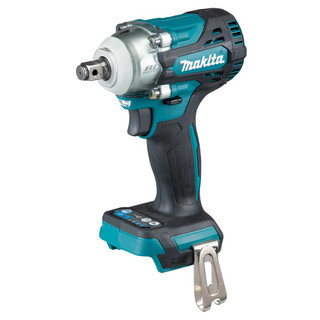
- Shifting wheel nuts, suspension bolts and stubborn fixings is where an automotive impact wrench saves proper time, especially when you're moving between bays and cannot waste ten minutes fighting each corner.
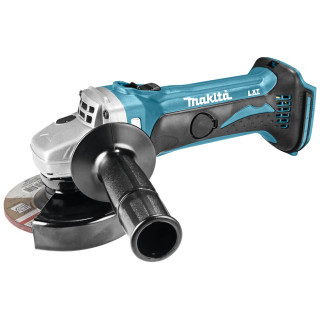
- Cutting off seized exhaust clamps, trimming brackets and cleaning back rusted metal is exactly where an angle grinder for mechanics earns its keep in fabrication and repair work.
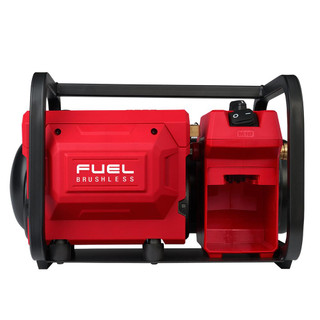
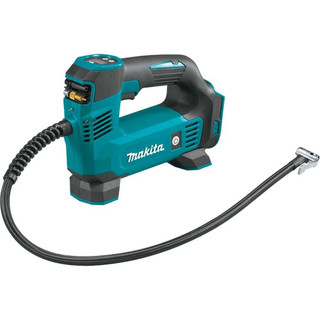
- Inflating tyres, topping up pressures and checking slow punctures on cars and vans is quicker with a cordless inflator, particularly for mobile work or when the airline is tied up.
- Correcting paint, cleaning up panels and finishing trade-ins is what a car polisher is for, whether you're in a bodyshop, prep bay or sorting a handover vehicle.
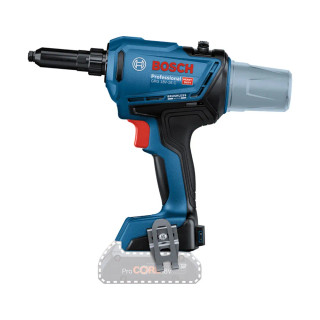
- Pulling body rivets, fixing trim and handling light panel repair jobs is where a rivet gun speeds things up and keeps the finish neater than messing about by hand.
Choosing the Right Mechanics Power Tools
Sort the tool around the actual garage job. Do not buy the biggest thing on the page if you only need access, control and all-day use.
1. Cordless or Air Powered
If you're moving around vehicles, working outside or doing mobile call-outs, cordless mechanic tools make more sense and save a lot of faff. If you've got a fixed workshop with a decent airline, compressor tools still make sense for repeated high-volume use.
2. Torque Needs
If you're mainly on trim, undertrays and lighter fasteners, go smaller and save your wrists. If you're on wheel nuts, hub work and suspension all week, you need proper torque from one of the Impact Wrenches, not a light-duty driver pretending to be one.
3. Access Around the Vehicle
Low-profile heads and compact bodies matter more than headline numbers when you're buried in wheel arches or engine bays. If access is tight, pick shorter tools that get in cleanly without skinning your knuckles on every job.
4. Match the Tool to the Finish
For cutting and prep work, use dedicated Angle Grinders. For paint correction and valeting, go straight to Polishers. One tool will not do both jobs properly no matter how much you try and make it.
Who Uses These Garage Power Tools?
- Vehicle technicians use mechanics power tools every day for servicing, brake work and strip-downs, especially when seized fixings and repeated torque jobs would wear you out by hand.
- Tyre fitters swear by cordless mechanic tools for wheel changes, puncture repairs and quick bay turnaround, with an impact wrench usually the first thing grabbed off the bench.
- Bodyshop teams and paint prep lads use polishers, grinders and rivet guns for panel correction, trim fitting and tidying repair work before paint or handover.
- Mobile mechanics lean on compact garage power tools because they need kit that works at the kerbside, on a driveway or in a packed unit without trailing hoses everywhere.
- Workshop managers and fleet maintenance teams keep compressor tools and inflators close for daily inspections, tyre checks and keeping vans, pickups and site vehicles moving.
The Basics: Understanding Mechanics Power Tools
Most garage power tools are built around one simple thing: doing repeat jobs faster with less strain. The main difference is how they deliver power and where they work best.
1. Cordless Tools
These run off battery platforms and are ideal when you're working around lifts, forecourts and driveways without dragging a hose or lead behind you. They suit wheel changes, quick servicing and mobile jobs where speed and access matter most.
2. Air and Compressor Tools
These rely on workshop air supply, so they come into their own when the tool is in constant use and your compressor is up to it. In a busy unit, Compressors keep impact tools and inflators running without stopping for batteries.
3. Cutting, Fastening and Finishing Tools
Not all trade mechanic power tools do the same job. Impacts are for fastening, grinders are for cutting and cleanup, inflators handle tyre pressures, and polishers are for paint finish. Pick by task first and the buying decision gets much easier.
Mechanics Power Tool Accessories That Save Hassle
A few sensible extras stop downtime in the workshop and make your kit far more useful on real vehicle jobs.
1. Impact Sockets
Do not run a strong automotive impact wrench on standard chrome sockets and act surprised when one splits. Proper impact sockets are built for repeated torque and save you from rounded nuts and broken gear.
2. Spare Batteries and Chargers
If your cordless mechanic tools are in and out of use all day, one battery is asking for trouble. Keep a charged spare ready so you are not stuck halfway through a brake job or wheel change.
3. Cutting and Flap Discs
A grinder is only as useful as the disc on it. Stock thin cutting discs for seized clamps and brackets, plus flap discs for cleaning rust and tidying welds without another walk back to stores.
4. Air Hoses and Tyre Valves
For compressor tools and inflators, a decent hose and the right connectors stop leaks, weak performance and constant messing about at the bay. It is cheap insurance against wasted time.
Choose the Right Mechanics Power Tools for the Job
Use this quick guide to narrow down the right tool for the workshop task in front of you.
| Your Job | Category or Type | Key Features |
|---|---|---|
| Removing wheel nuts and suspension fixings | Cordless impact wrench | High torque, compact head, variable speed and impact-rated anvil |
| Cutting seized exhaust parts and cleaning rust | Mechanic angle grinder | Good grip, easy guard adjustment, disc compatibility and enough power for regular metal work |
| Tyre checks, puncture work and pressure top-ups | Cordless inflator or compressor inflator | Clear pressure gauge, stable hose fitting and quick setup between vehicles |
| Paint correction and vehicle finishing | Car polisher | Controlled speed, comfortable balance and pad options for cutting or finishing |
| Daily workshop use on airlines | Air powered compressor tools | Consistent output, suitable air supply and lower downtime on repeat tasks |
Common Buying and Usage Mistakes
- Buying for headline torque alone usually lands you with a tool that is too bulky for arches and engine bays. Check access and weight first or the thing becomes a nuisance by the second job.
- Using standard sockets on an impact wrench is a quick way to damage sockets and round fixings. Fit impact-rated sockets and save yourself a snapped set and a stuck vehicle.
- Picking cordless without thinking about battery runtime catches plenty of lads out. If the tool is in constant use, buy enough batteries and a fast charger from day one.
- Running air tools off an undersized compressor gives weak, inconsistent performance and wastes time. Match the airflow demand of the tool to the compressor or it will never work properly.
- Using the same grinder disc for every job leads to poor cuts and rough finishes. Keep cutting, grinding and flap discs separate so the tool does what it should.
Cordless vs Air Powered vs Mains Powered
Cordless Mechanic Tools
Best for mobility, quick turnaround and work away from the main bay. They are ideal for tyre work, call-outs and general servicing, but you need enough batteries if the tool is in your hand all day.
Air Powered Tools
Best for fixed workshops with a reliable airline and high-volume repeat use. They keep going without battery swaps, but only if the compressor is man enough for the demand.
Mains Powered Tools
Best where the job stays in one place, like polishing, bench work or longer prep sessions. You get steady output, but the lead is a pain if you're moving around vehicles.
Maintenance and Care
Clean Dust and Metal Swarf Off After Use
Grinders, polishers and inflators all pick up workshop filth quickly. Brush or blow them down after use so vents stay clear and switches do not get clogged with dust and grit.
Check Anvils, Chucks and Hose Fittings
Impact anvils, air couplers and threaded fittings take a lot of abuse. If they start loosening off or wearing out, deal with it early before you damage sockets, lose air or ruin fixings.
Store Batteries Properly
Do not leave batteries rolling around the van or baking near heaters in the workshop. Keep them dry, charged sensibly and out of extreme temperatures if you want decent runtime and service life.
Replace Worn Discs, Pads and Consumables Early
Trying to squeeze one more job out of a worn disc or polishing pad usually gives a worse finish and puts strain on the tool. Swap them before performance drops off properly.
Repair or Replace Before It Costs You Time
If a trigger sticks, a hose leaks or the tool starts sounding rough, do not ignore it. Small faults in trade mechanic power tools become breakdowns fast when the workshop is busy.
Why Shop for Mechanics Power Tools at ITS?
Whether you need a compact cordless inflator for tyre checks, a full-strength automotive impact wrench, a car polisher or workshop compressor kit, we stock the full mechanics power tools range in one place. From garage power tools for daily servicing to specialist kit for prep and repair, it is all held in our own warehouse and ready for next day delivery.
Mechanics Power Tools FAQs
What power tools do mechanics use?
Mostly impact wrenches, angle grinders, inflators, polishers, rivet guns and compressor tools. It depends on the bay, but those are the core mechanics power tools that speed up wheel work, cutting, prep and finishing without wasting effort.
Are cordless tools good for automotive work?
Yes, especially for mobile work, tyre bays and general servicing. Modern cordless mechanic tools have enough power for a lot of workshop jobs, but you still need the right torque level and enough batteries if the tool is in use all day.
What is the best tool for wheel nuts?
An impact wrench is the right tool for the job. For regular automotive work, choose one with proper torque, good balance and impact sockets to match, otherwise you will either struggle on seized nuts or end up with an overgrown tool that is awkward to use.
Which garage power tools save the most time?
Impact wrenches are usually top of the list, then cordless inflators and grinders. In a busy unit, the tools that save the most time are the ones handling repeat jobs like wheel removal, tyre pressure checks and cutting seized parts off cleanly.
Do I need air tools or will cordless cover most jobs?
For plenty of garages, cordless will cover most day-to-day work just fine. If you are doing heavy repeat use all day on a fixed bay and already have a proper airline, air tools still make solid sense.
Will these tools cope with seized and rusty fixings?
Yes, if you pick the right type and spec. A decent impact wrench will deal with a lot of stubborn fasteners, and a grinder backs you up when the bolt, clamp or bracket is too far gone to save.