Vehicle Storage
Vehicle storage keeps your van organised, your tools secure, and loose kit from rolling about when you're chasing jobs all day.
If the back of the van's a tip, you're wasting time every stop and asking for damaged gear. Proper vehicle storage sorts that out with van shelving, van racking, storage boxes and tie-down points that actually keep tools, fixings and site kit where they should be. It is the difference between grabbing what you need first time and emptying half the van on a wet morning. Pair solid layouts with Tool Storage and lockable options from Site and Vehicle Security, then get your work van organisation sorted properly.
What Is Vehicle Storage Used For?
- Keeping first fix and second fix kit separated in the van saves you digging through cable, pipe, fixings and hand tools every time you pull up to a job.
- Securing toolboxes, consumables and loose materials with proper van storage and security stops gear sliding into doors, panels and each other on the drive between sites.
- Fitting van shelving and van racking gives mobile trades a set place for bits, blades, test gear and fittings, which makes stock checks and reloading far quicker at the end of the day.
- Using storage boxes and tie downs in site vehicles helps keep expensive kit locked down, protected from weather at loading time, and harder to lift in a quick break-in.
- Organising ladders, cases and heavier plant properly in the back of the van cuts trip hazards and stops awkward unloading when you are parked roadside or on a tight plot.
Choosing the Right Vehicle Storage
Sort the van around what you use every day, not what looks tidy in a photo.
1. Shelving for small kit, boxes for expensive kit
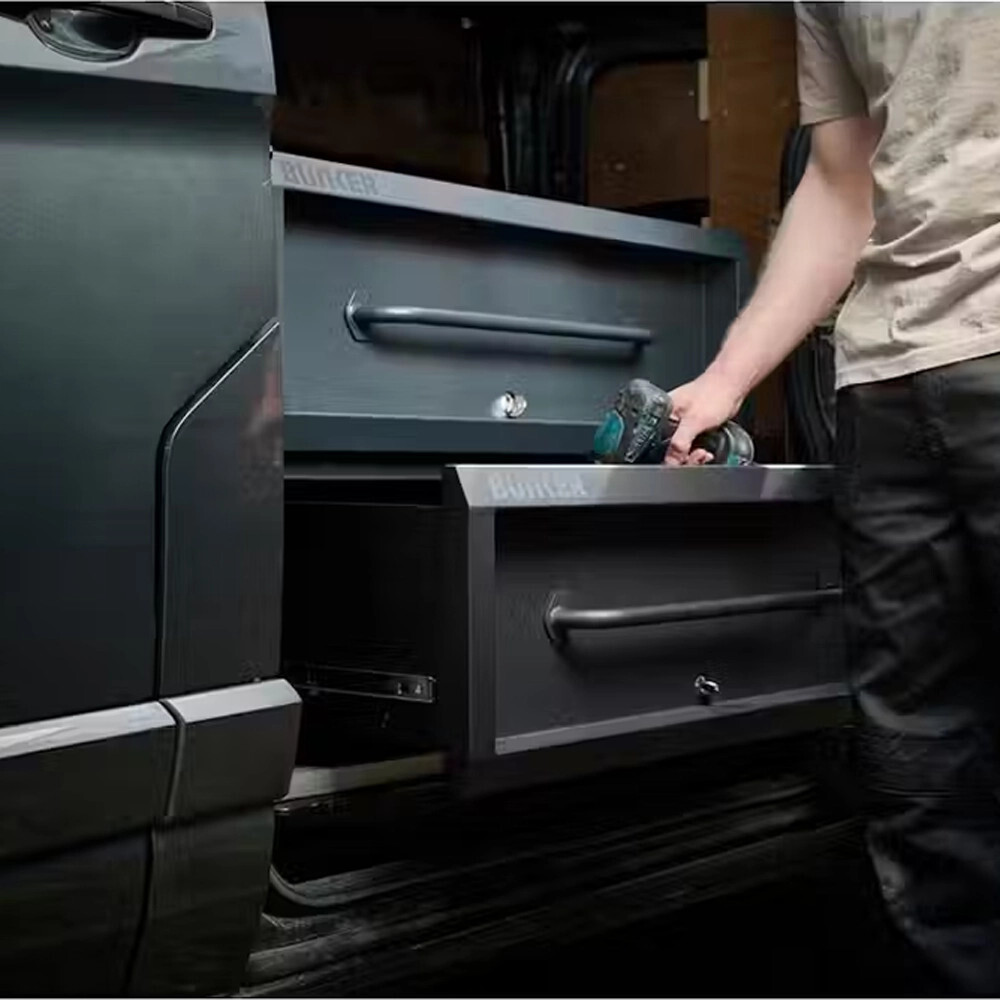
If you carry loads of fixings, fittings and consumables, shelving makes sense because you can see stock at a glance. If the van carries costly power tools and test kit, lockable boxes are the better shout because they slow thieves down and stop gear getting buried under everything else.
2. Match the layout to your trade
If you are a spark or plumber doing call-out work, go for work van organisation that keeps common parts near the side door. If you are a chippy or builder carrying bigger tools and materials, leave clear floor space and use racking around the sides so you are not fighting the van every morning.
3. Do not ignore load restraint
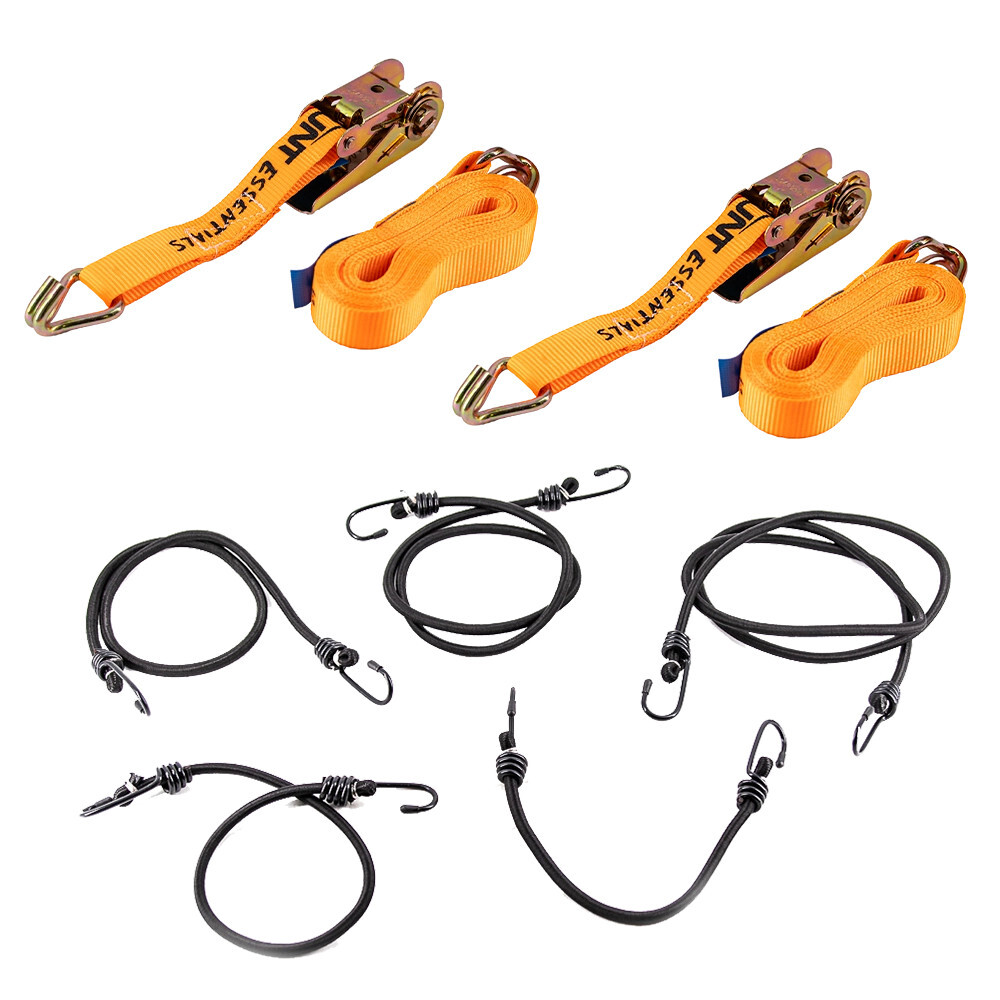
A tidy van is useless if nothing is strapped down. If you carry cases, boxes or materials that move in transit, add proper tie-down points and Ratchet Straps, Tie Downs & Bungees so the load stays put and the doors still open safely when you arrive.
4. Think about theft before convenience
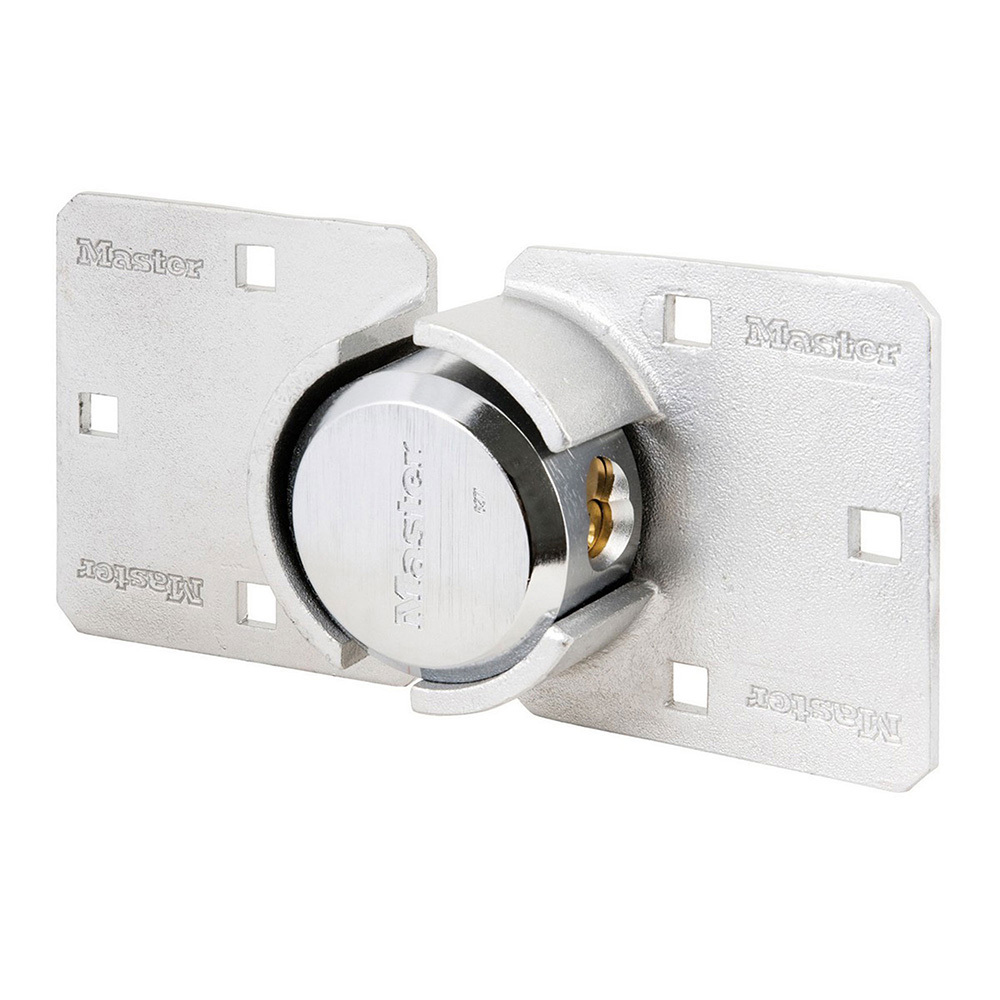
Open shelves are quick on busy jobs, but they do nothing for security. If the van is left on site, outside a house or on the drive overnight, add Vehicle Security Storage Boxes and tougher locking options before you worry about making it look neat.
Who Uses Vehicle Storage on Site?
- Sparkies rely on vehicle storage to keep testers, drills, cable, containment and boxes of accessories in a layout that lets them grab what they need without turning the van inside out.
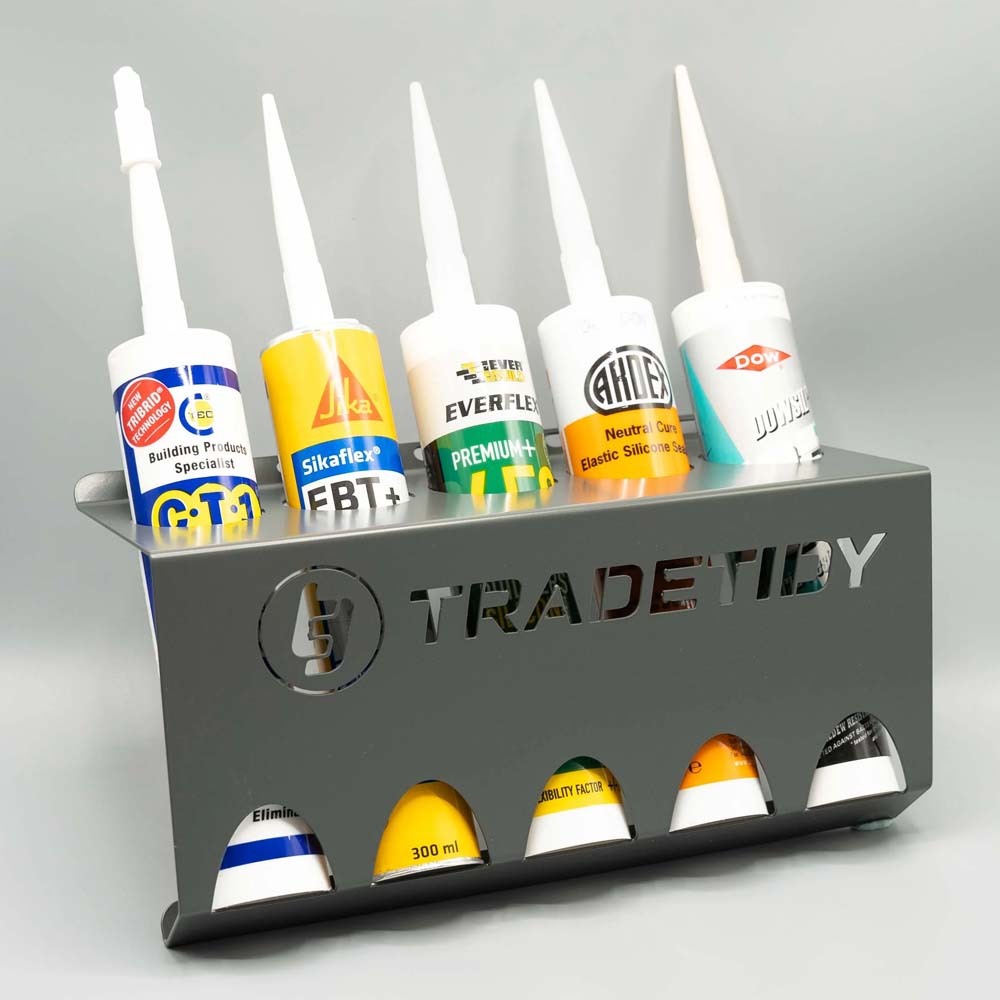
- Plumbers and heating engineers swear by van shelving for sorting press fittings, copper, waste, valves and sealants so small parts do not end up mixed in with heavier tools.
- Joiners and kitchen fitters use van racking and tool storage for vans to separate saws, fixings, irons and finish gear, especially when they need clean kit easy to reach on occupied jobs.
- Maintenance teams and site managers use storage boxes, tie downs and lockable vehicle security storage to keep shared kit organised, signed off and less likely to disappear overnight.
- Groundworkers, landscapers and general builders use tougher site vehicle storage for straps, fuel cans, hand tools and muddy gear that would otherwise roll loose and get battered in the back.
Vehicle Storage Extras That Stop the Usual Van Headaches
A decent layout works better when the kit around it stops movement, damage and wasted loading time.
1. Ratchet Straps and Tie Downs
These stop stacked boxes, cases and materials sliding straight into the rear doors on the first roundabout. If you carry mixed loads from site to site, straps are the bit that keeps the van safe instead of just tidy.
2. Lockable Storage Boxes
Get these for the gear that would ruin your week if it went missing. They give expensive tools and testers a fixed, tougher place to live instead of sitting loose under a jacket in plain view.
3. Small Parts Organisers
Ideal for screws, clips, glands, connectors and consumables that always end up spilled in a crate. A proper organiser saves you rummaging through the van for a ten pence fitting while the customer watches.
4. Stackable Tool Cases
If your van kit changes by trade or by job, stackable cases let you load only what you need and keep the rest in order. They also make it easier to move tools from van to plot without six loose boxes in your hands.
Choose the Right Vehicle Storage for the Job
Use this quick guide to match the storage setup to the way your van actually works.
| Your Job | Vehicle Storage Type | Key Features |
|---|---|---|
| Daily call-out work with lots of small parts | Van shelving | Open access, clear sorting, faster stock checks, easy grab from side door |
| Carrying power tools and expensive test gear | Lockable storage boxes | Steel construction, better theft resistance, fixed location for high value kit |
| Mixed trade loads with cases, materials and consumables | Van racking with tie downs | Side structure for boxes, floor space left clear, safer load restraint in transit |
| Builders and landscapers moving heavier loose kit | Site vehicle storage boxes | Tough build, weather resistance at loading time, keeps muddy gear contained |
| Stopping cases and materials shifting between jobs | Ratchet straps and tie downs | Secures the load, reduces damage, keeps rear doors safer to open |
Common Buying and Usage Mistakes
- Buying shelving before planning the load is a common mistake. You end up with a van that looks organised but has nowhere sensible for longer tools, materials or larger cases, so measure the van and work out what you carry every week first.
- Leaving expensive kit on open racking is asking for trouble. It may be handy during the day, but overnight it is visible and easier to grab, so keep high value tools in lockable vehicle security storage.
- Assuming boxes alone count as load restraint catches plenty of people out. If the boxes are not secured, they still move about, damage gear and can make the van unsafe when braking, so use proper straps or anchor points.
- Packing the rear doors with loose gear wastes time on every job. If the first thing you need is buried behind three other cases, the layout is wrong, so put the most-used tools nearest your usual access point.
- Overloading one side of the van can make it awkward on the road and hard on the storage itself. Spread weight properly and keep heavier boxes low down so the setup lasts and the van stays sensible to drive.
Van Shelving vs Van Racking vs Storage Boxes
Van Shelving
Best for trades carrying lots of small parts, consumables and hand-access kit. Shelving keeps everything visible and quick to grab, but it offers little security unless paired with lockable storage elsewhere.
Van Racking
Better for mixed loads where you need structure round the sides and floor space left free for bigger tools or materials. It suits builders, fitters and maintenance teams, but it still needs proper tie downs to stop movement.
Storage Boxes
The right choice when security matters more than open access. Boxes protect tools from knocks and prying eyes, though they are slower than shelving if you are constantly reaching for small bits throughout the day.
Best Setup for Most Vans
Most working vans need a mix rather than one type only. Shelving for daily bits, a clear floor for larger loads, and a lockable box for expensive kit is usually the setup that works in the real world.
Maintenance and Care
Clear Out the Rubbish Weekly
Sawdust, plaster, cable offcuts and empty fixings boxes soon turn a good setup back into a mess. Ten minutes at the end of the week keeps shelving usable and stops small parts getting buried.
Check Fixings and Mountings
Van shelving, racking and boxes take constant vibration on the road. Check bolts, brackets and anchor points regularly so nothing works loose and starts rattling, leaning or tearing out under load.
Keep Locks and Hinges Clean
If you use lockable security boxes, dirt and damp will soon make locks stiff. Clean them out, keep hinges moving and deal with damage early before you are fighting a jammed lid in the rain.
Replace Worn Straps Before They Fail
Frayed straps, bent hooks and chewed buckles are no good when you need the load held properly. Swap them out before they let go and send boxes or materials across the van floor.
Rework the Layout as the Job Changes
The van setup that suits first fix may be wrong for finishing or maintenance work. Move storage round when your workload changes so the kit you use most stays easiest to reach.
Why Shop for Vehicle Storage at ITS?
Whether you need van shelving, van racking, lockable boxes, straps or site vehicle storage to tighten up security and work van organisation, we stock the full range. You will find the right setup for trade vans, from everyday grab-and-go storage to tougher security options, all in our own warehouse and ready for next day delivery.
Vehicle Storage FAQs
What is the best way to organise a work van?
Start by splitting the van into three groups. Daily-use kit near the door, heavier tools low down, and expensive gear in locked storage. Shelving works well for fittings and consumables, while boxes suit power tools and testing kit. If you cannot reach the tools you use most without unloading half the van, the layout needs rethinking.
How can I secure tools in a vehicle?
The honest answer is layers. Use lockable boxes for high-value gear, fit proper load restraint so boxes cannot be lifted out quickly, and avoid leaving tools visible on open shelving. For extra protection, look at Site and Vehicle Security options as part of the overall setup, not as an afterthought.
Are ratchet straps useful for van storage?
Yes, absolutely, especially if the van carries mixed loads. Straps stop tool cases, materials and storage boxes shifting about between jobs, which protects the kit and makes the van safer to open when you arrive. They are not just for builders carrying timber either. Any trade with loose cases or stacked boxes will get the benefit.
What storage boxes are best for site vehicles?
Go for boxes that match the abuse your van sees. For expensive tools, lockable steel boxes are the safer bet. For general organisation, stackable boxes with solid lids and easy carrying handles are often enough. The main thing is that they fit your van properly and can be secured, not just dropped in loose.
Is van shelving better than storage boxes?
Depends what you carry. Shelving is better for small parts and fast access during the day. Storage boxes are better for protecting expensive tools and keeping the load contained. Most trades are best off using both rather than picking one and forcing it to do everything.
Will van racking actually save time on site?
Yes, if it is laid out around the way you work. A proper racking setup cuts down hunting for fittings, stops duplicate stock building up, and makes it easier to reload at the end of the day. Badly planned racking does the opposite, so think about access before buying.
Can I use my existing tool cases with vehicle storage?
Usually yes, and that is often the smartest way to do it. Build the vehicle storage around the cases and boxes you already use, then leave enough floor or shelf space for them to slot in properly. It saves money and keeps your kit system consistent from van to job.
What else should I keep in the van with vehicle storage?
At minimum, keep a few spare straps, small parts organisers, and the core Hand Tools you use on every job. That way the storage setup does more than just hold kit. It keeps the basics ready to grab without rooting through loose bags and crates.