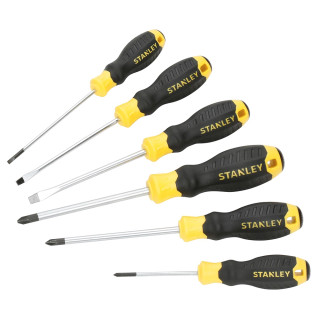
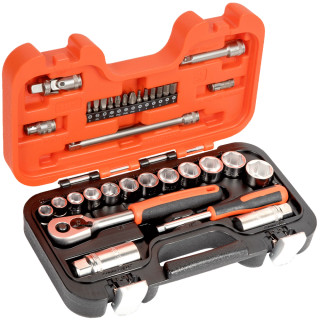
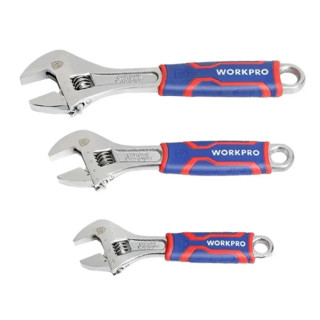
Mechanic's Tools
Mechanics tools are the kit you reach for when seized fixings, tight engine bays, and underbody work need proper control, not rounded bolts.
If you're working on brakes, suspension, servicing, or stripping out stubborn fasteners, decent mechanics tools save time and skin off your knuckles. This is the sort of garage hand tools kit that earns its keep fast socket sets, solid spanners, screwdrivers that bite properly, and pliers that do not twist when a clip fights back. Whether you're building a basic mechanic tool set or topping up worn car repair tools, buy for access, grip, and repeat use, then get the right kit in the van.
What Are Mechanics Tools Used For?
- Removing brake calipers, pads, discs, and carrier bolts is where good mechanics tools prove their worth, especially when you are leaning into corroded fasteners that cheap kit would only round off.
- Working in tight engine bays needs automotive hand tools with slim access and proper grip, whether you are changing batteries, swapping sensors, or getting at hose clips buried behind covers and intake runs.
- Stripping interior trim, undertrays, and service panels goes quicker with the right screwdrivers, pliers, and socket sets, so routine servicing does not turn into a fight over awkward fixings.
- Handling suspension, exhaust, and steering work calls for garage hand tools that can cope with seized nuts, long reach positions, and dirty underbody access without flexing all over the place.
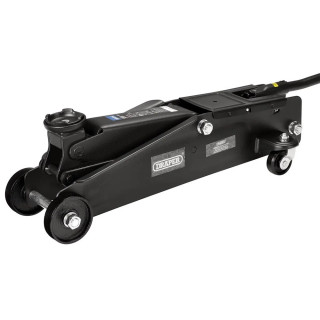
- Lifting, supporting, and securing vehicles for repair depends on jacks and stands that keep the job safe while you get underneath to deal with oil changes, inspections, and deeper car repair tools work.
Choosing the Right Mechanics Tools
Sorting the right mechanics tools is simple match the kit to the jobs you actually do, not the size of the case.
1. Start with the fasteners you deal with most
If most of your work is servicing and brake repairs, build around 1 4in and 3 8in socket sets, common metric sizes, and a few solid ratchets. If you are into suspension and underbody jobs every week, you will want stronger 1 2in drive pieces and longer handles for more leverage.
2. Buy for access, not just torque
If you spend time in engine bays, go for slim sockets, extension bars, wobble options, and shorter handle tools that fit where your hands barely do. Big chunky kit looks impressive in a box, but it is useless if it will not get past the shroud, loom, or bulkhead.
3. Pick complete sets carefully
A big mechanic tool set is handy, but only if it covers the sizes and tool types you actually use. If half the case is filler sizes, hex keys you already own, or duplicate drivers, save your money and top up your working kit with proper individual pieces.
4. Do not ignore lifting and support gear
If you are doing wheel-off, exhaust, or underside work, jacks and stands matter just as much as sockets and spanners. There is no point buying better hand tools if the vehicle is awkward or unsafe to get under in the first place.
Who Uses These Mechanics Tools?
- Garage mechanics use these every day for servicing, brake jobs, suspension work, and fault finding, because a proper mechanic tool set stands up to repeated use on seized and awkward fixings.
- Mobile fitters keep core automotive hand tools in the van for roadside repairs, battery swaps, and quick diagnostic strip-downs where access is tight and there is no time to go back for missing kit.
- MOT bays and workshop teams rely on socket sets, spanners, and pliers for fast turnaround work, especially when vehicles are in and out all day and every minute on a stubborn bolt counts.
- Plant and fleet maintenance teams reach for this sort of trade hand tools kit when dealing with vans, pickups, and light commercial vehicles that need regular servicing and hard-use repairs.
- DIY car owners use the same core car repair tools for home servicing and weekend fixes, but it pays to buy decent pieces first rather than filling a drawer with sizes and types you will never touch.
Mechanics Tool Accessories That Save Time in the Garage
A few smart add-ons stop simple repair jobs turning into long, awkward fights.
1. Extension Bars and Wobble Adaptors
These save you from skinning your hands trying to reach buried fixings behind engine covers, under scuttles, or above subframes. If you work on modern cars, get them early, because tight access is usually the real problem, not the bolt itself.
2. Deep Sockets
Standard sockets are no good when studs are sticking through or nuts are sat deep on longer threads. A decent set of deep sockets stops you bodging the job with an open-ended spanner at a bad angle.
3. Magnetic Pick Up Tools
Drop a fastener into an engine bay or undertray and you can waste ten minutes fishing about with your fingers. A magnetic pick up tool gets it back without stripping half the car to find one lost bolt.
4. Tool Storage Cases and Organisers
If sockets, bits, and small tools are loose in the van, you will spend more time hunting than fixing. Good storage keeps your mechanic tool set complete and makes it obvious when a key size has gone missing before the job starts.
Choose the Right Mechanics Tools for the Job
Use this quick guide to sort the type of kit that actually suits the work.
| Your Job | Category or Type | Key Features |
|---|---|---|
| Routine servicing and engine bay work | 1 4in and 3 8in socket sets | Metric coverage, compact ratchets, extension bars, slim access for tight spaces |
| Brake and suspension repairs | 1 2in drive sockets and breaker bars | Higher torque handling, stronger ratchets, deeper sockets, better leverage |
| General fixing and adjustment | Spanners and screwdrivers | Common metric sizes, solid tips, comfortable grip, access where sockets will not fit |
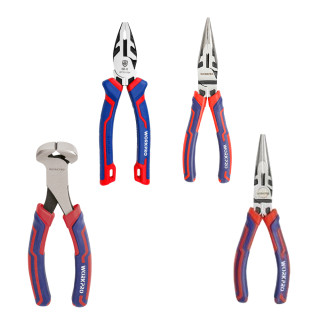
| Clips, hoses, trim, and awkward small parts | Pliers and cutters | Fine control, grip on clips and pins, cutting ability, reach in cramped spots |
| Wheel-off and underbody repairs | Jacks and axle stands | Safe vehicle support, stable lifting, enough clearance for access underneath |
Common Buying and Usage Mistakes
- Buying the biggest mechanic tool set you can afford sounds sensible, but many sets are padded with sizes and extras you will barely use. Start with the common metric sizes and the drive types your jobs actually need, then build from there.
- Using the wrong drive size on stubborn fixings is a fast way to wreck ratchets or round bolts. Keep lighter 1 4in and 3 8in kit for access work, and use stronger 1 2in tools when the job needs real leverage.
- Ignoring access and only thinking about torque leaves you stuck when the tool physically will not fit. Add extension bars, deep sockets, and slimmer hand tools if you work on modern vehicles with cramped layouts.
- Trying to do underbody work without proper jacks and stands is not just awkward, it is unsafe. Support the vehicle correctly first, then worry about which socket or spanner you need.
- Letting sockets and spanners go missing from mixed boxes causes more downtime than most people admit. Keep your kit organised, replace lost sizes straight away, and check cases before you head to the next job.
Socket Sets vs Spanners vs Pliers
Socket Sets
Socket sets are your main choice for speed, repeat work, and better contact on nuts and bolts. They are ideal for servicing, brakes, and fast strip-downs, but they need clearance around the fastener and the right drive size for the load.
Spanners
Spanners come into their own where sockets cannot get straight on, especially in cramped engine bays or against hard lines and brackets. They are slower than sockets, but often the only practical option when access is poor.
Pliers
Pliers are for clips, clamps, pins, and holding awkward parts while you work, not as a stand-in for the right spanner size. Keep them in the kit for control and reach, but do not expect them to replace proper fastening tools.
Which Should You Buy First
If you are building from scratch, start with socket sets for the bulk of garage work, add spanners for access, then bring in pliers for clips, hose work, and awkward holding jobs. That covers most car repair tools needs without wasting money.
Maintenance and Care
Wipe Off Oil and Brake Dust
Mechanics tools get covered in grease, road grime, and dust fast. Give them a wipe after use so grips stay usable and you are not packing corrosive muck back into the drawer or case.
Keep Ratchets Clean and Working Smoothly
If a ratchet starts feeling gritty or sticking, do not ignore it. Clean it out and service it before it slips under load, because that is usually when knuckles hit metal and the job gets more expensive.
Store Sockets by Size
Mixed loose sockets waste time and usually mean the one size you need has vanished. Keep them organised in rails or proper cases so you can see missing pieces before the next job starts.
Check for Spread, Twist, or Rounded Edges
Open-ended spanners that have spread, screwdriver tips that are worn, and pliers jaws that no longer meet properly should be replaced. Once the tool loses its shape, it starts damaging fixings instead of removing them.
Keep Lifting Gear Dry and Inspected
Jacks and stands live hard lives in garages and vans, so check for leaks, bent parts, or corrosion before use. If support gear looks suspect, retire it rather than gambling under a vehicle.
Why Shop for Mechanics Tools at ITS?
Whether you need a full mechanic tool set, core automotive hand tools, or replacements for the garage favourites that go missing first, we stock the lot. From Automotive Tools and everyday Hand Tools to Socket Sets & Sockets, Spanners & Wrenches, and Pliers & Cutters, it is all in our own warehouse and ready for next day delivery.
Mechanics Tools FAQs
What hand tools do mechanics need?
At minimum, mechanics need a solid mix of socket sets, ratchets, spanners, screwdrivers, pliers, cutters, and a few extension bars. For proper garage work, add breaker bars, deep sockets, trim tools, and safe lifting gear like jacks and stands. That covers most servicing, brake, and general repair jobs without leaving you stuck on common fasteners.
Which socket set is best for garage work?
The best socket set for garage work is usually a metric set with 1 4in and 3 8in drive for everyday servicing, plus 1 2in drive if you are tackling suspension and stubborn underbody fixings. Look for common sizes, decent ratchets, and a range that includes deep sockets and extensions. A massive set is not always better if half of it never leaves the case.
Are mechanics tools useful for DIY car repairs?
Yes, absolutely, as long as you buy the right core pieces rather than chasing a huge set straight away. Good mechanics tools make home servicing, battery changes, brake work, and basic fault repairs far easier, and they reduce the chance of chewing up fixings with poor fit or weak grips.
What should be in a basic mechanic tool kit?
A basic mechanic tool kit should include metric sockets, a ratchet, extension bars, combination spanners, flat and Phillips screwdrivers, long nose and combination pliers, cutters, and a breaker bar. If you are planning wheel-off or underbody jobs, add a jack and axle stands before you start.
Will these mechanics tools cope with seized and rusty fixings?
Yes, if you are using the right type and drive size for the job. Good sockets and spanners will grip properly and handle more load, but heavily corroded fasteners still need sensible prep. Use penetrating oil, clean the head first, and step up to stronger drive tools instead of forcing light kit past its limits.
Do I really need spanners if I already have socket sets?
Yes, because sockets are not always enough in tight automotive work. There are plenty of spots around engine bays, brake lines, brackets, and trim areas where a socket will not sit straight or fit at all. A proper set of spanners stops simple access problems turning into stripped bolts and bad language.