


Spanners & Wrenches

Socket spanners are the kit you reach for when fixings are tight, awkward, or buried where an open-ended spanner keeps slipping off.

On site, in the workshop, or under a bonnet, a decent socket wrench set saves time and knuckles. From ratchet spanner work in tight engine bays to a 1/2 drive socket spanner for stubborn fixings, these are the spanners and wrenches that earn their keep. Pick your drive size, socket range, and handle type properly, then get the right set for the job.

What Are Socket Spanners Used For?

  • Tightening and loosening hex fasteners on plant, vans, steelwork, and machinery is where socket spanners make sense, because they grip properly and waste less effort than a basic adjustable spanner.
  • Working in engine bays, service cupboards, and behind installed kit is easier with a ratchet spanner or socket wrench set, as you can keep turning without fully lifting off the fixing every time.
  • Building up site boxes, bolting brackets, and assembling framework goes quicker with a spanner set that covers the common sizes, so you are not stopping every five minutes to hunt the right tool.
  • Shifting stubborn fixings on heavier work calls for a chrome vanadium socket spanner or 1/2 drive socket spanner, especially when smaller hand tools start flexing or slipping.
  • Handling maintenance jobs across mixed fixings is where a socket set earns its place, whether you are working on mechanical kit, site furniture, scaffold fittings, or workshop equipment.

Who Uses These on Site?

  • Mechanics and plant fitters rely on mechanic socket spanner sets for engine work, suspension parts, covers, and brackets where speed matters and rounded fixings cost time.
  • Groundworkers and steel erectors reach for larger socket spanners when assembling brackets, frames, guards, and bolted connections that need more controlled torque than a small spanner can give.
  • Maintenance teams keep a socket wrench set in the van for day to day repairs on gates, plant, fixings, pumps, and site equipment where sizes vary from job to job.
  • Plumbers and heating engineers use ratchet spanner and socket set combinations for bracketry, plant room installs, and awkward fixings where there is not enough swing for a full size spanner.
  • General builders and fitters keep a spanner set close by for furniture assembly, machine setup, and snagging work, with an adjustable spanner usually carried as backup rather than the main tool.

Choosing the Right Socket Spanners

Match the drive and style to the fixing and the space around it. That is the bit that saves you grief.

1. Drive Size Matters More Than Most People Think

If you are mainly on smaller fixings, trim work, and lighter mechanical jobs, 1/4 inch and 3/8 inch sets are easier to control and fit where your hand barely goes. If you are dealing with seized bolts, wheel fixings, or heavier site hardware, go straight to a 1/2 drive socket spanner and stop fighting with undersized gear.

2. Ratchet or Fixed Handle

If you are working in tight spaces, buy a ratchet spanner or ratcheting socket wrench set because repeated lift and reset gets old very quickly. If access is open and you just need simple, solid turning force, a fixed bar and sockets can be tougher and easier to keep clean.

3. Buy the Socket Range You Actually Use

Do not pay for a massive spanner set full of sizes that never leave the case. If you are mostly on site plant and install work, cover the common metric sizes first. If you are in automotive or mixed maintenance, a wider socket set with deep sockets is usually worth it.

4. Material and Finish

If the set is going to live in a van, workshop, or damp unit, go for chrome vanadium socket spanner sets that can take knocks and wipe clean properly. Cheap finishes start rusting, marks wear off, and that becomes a pain when you are grabbing tools in poor light.

Socket Spanner Accessories That Save Time

A few add ons make a socket wrench set far more useful when access is bad or the fixings are buried.

1. Extension Bars

These get you onto recessed nuts and bolts without skinning your hand against housings, guards, and pipework. Keep a short and long one in the case or you will end up balancing the ratchet at awkward angles and rounding the fixing.

2. Universal Joints

When the bolt is tucked behind another component, a universal joint lets the socket spanner reach it without stripping half the assembly down first. It is the bit you miss most when you do not have one.

3. Deep Sockets

Standard sockets are no use once a stud runs proud or the fixing sits down a threaded section. Deep sockets sort that straight away and save the usual back and forth to find another tool.

4. Breaker Bars

Use a breaker bar to crack stubborn fixings loose before switching back to the ratchet. It saves abusing the ratchet mechanism on bolts that were never going to move nicely in the first place.

Choose the Right Socket Spanners for the Job

Use this quick guide to sort the right type before you buy.

Your Job Socket Spanner Type Key Features
Light mechanical work and small fixings 1/4 inch socket wrench set Compact handle, smaller sockets, easier control on trims, covers, and confined fittings
General van, workshop, and maintenance jobs 3/8 inch spanner set Good all round size, useful socket range, enough strength without too much bulk
Heavy fixings and seized bolts 1/2 drive socket spanner Longer handle, stronger drive, better for higher torque and larger fasteners
Awkward access behind kit or in cupboards Ratchet spanner with extensions Fast repeat turns, less reset movement, works better where swing room is limited
Mixed site callouts and everyday repairs Socket set plus adjustable spanner Proper socket grip for most fixings with an adjustable spanner kept as a backup for odd sizes

Common Buying and Usage Mistakes

  • Buying one tiny socket wrench set for every job usually ends in rounded fixings and bent adaptors. Match the drive size to the work instead of expecting a small set to handle heavy bolts.
  • Using an adjustable spanner where a socket spanner should be used is a common shortcut. It might get you by once, but on tight or worn fasteners it is more likely to slip and damage the flats.
  • Putting high force through a ratchet that should have been cracked loose with a breaker bar is how ratchet teeth get wrecked. Break stubborn bolts first, then use the ratchet to run them out.
  • Ignoring socket depth catches plenty of people out. A standard socket will not reach over long studs, so keep deep sockets in the set if you work on plant, engines, or bracketed assemblies.
  • Leaving socket sets wet or loose in the van soon leads to rust, missing sizes, and seized mechanisms. Wipe them down and put them back in the case while everything is still together.

Socket Spanners vs Ratchet Spanners vs Adjustable Spanners

Socket Spanners

Best when you want solid contact on hex fixings and proper control across a wide size range. They suit workshop, site maintenance, and mechanical jobs far better than open jaw tools, especially when bolts are tight or partially corroded.

Ratchet Spanners

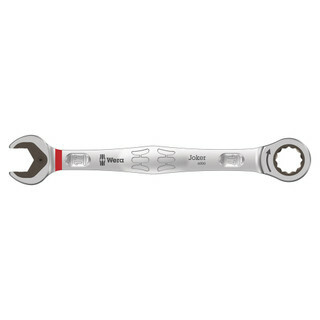
Ratchet spanners come into their own where swing room is poor and you need to keep moving quickly. They are brilliant for repetitive tightening in cramped spots, but they are not always the first choice for really stubborn high torque fixings.

Adjustable Spanners

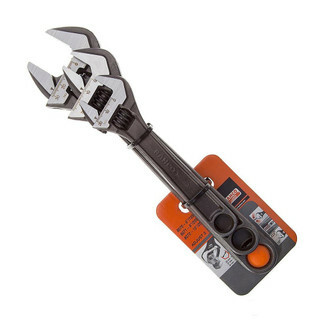
An adjustable spanner is handy for odd jobs, mixed sizes, and quick tweaks, but it is a backup tool rather than the cleanest answer for regular fastening work. Under load, they are more likely to slip or mark the fixing than a proper socket spanner.

Which Should You Buy

If you are on regular servicing, install work, or mechanical repairs, start with a socket set. Add ratchet spanners for confined access, and keep an adjustable spanner in the bag for the odd size or quick hold job.

Maintenance and Care

Wipe Down After Dirty Work

If your socket spanners have been used around grease, mud, or wet plant, clean them before they go back in the case. Grit and moisture shorten the life of both sockets and ratchet heads.

Keep Ratchets Clean and Dry

Ratchet mechanisms do not like packed dirt or standing water. Store them dry and give the head occasional attention if it starts feeling stiff or rough in use.

Put Sockets Back in the Case

A socket set is only useful if the sizes are still there. Return sockets to their marked places so you are not missing the one size you need halfway through a job.

Replace Damaged Sockets Early

If a socket is cracked, flared, or badly worn on the flats, retire it. Keeping damaged pieces in the set risks slipping under load and rounding the next fixing you touch.

Do Not Use the Wrong Tool for Extra Force

Cheater bars and makeshift extensions on ratchets are a quick way to break good kit. Use a breaker bar or a bigger drive when the job clearly needs more leverage.

Why Shop for Socket Spanners at ITS?

Whether you need a compact socket wrench set for van repairs, a full spanner set for workshop use, or a 1/2 drive socket spanner for heavier fastening work, we stock the range. That means socket spanners, ratchet spanner options, socket sets, and the spanners and wrenches trades actually use, all in our own warehouse and ready for next day delivery.

Socket Spanner FAQs

What is a spanner set used for?

A spanner set is for tightening and loosening nuts and bolts across a range of sizes without guessing or bodging it with the wrong tool. On site and in workshops, it saves time on assembly, maintenance, install work, plant repairs, and general fastening jobs.

Are socket spanners suitable for outdoor use?

Yes, as long as you buy decent quality and do not leave them wet in the van for weeks. Chrome vanadium socket spanner sets cope well with outdoor site use, but like any hand tool they last longer if you wipe off water, grit, and mud after the job.

Can adjustable spanners replace socket spanners?

Not really, not for regular work. An adjustable spanner is useful for odd sizes and quick hold jobs, but socket spanners grip the fixing far better, especially when it is tight, awkward, or already a bit worn. If you are doing repeated fastening work, a socket set is the right call.

Will socket spanners handle high-torque applications?

Yes, if the drive size matches the job. For heavier torque, a 1/2 drive socket spanner is the usual choice because smaller drives can flex or fail if you push them too hard. For really stubborn fixings, crack them loose with a breaker bar first instead of abusing the ratchet.

What size socket spanner do I need for the job?

That depends on both the fixing size and how much force you need. Small trim and light mechanical work usually suits 1/4 inch or 3/8 inch drive, while bigger bolts and tougher site fixings are better on 1/2 inch drive. Buy for the fasteners you actually see every week, not just the biggest set on the shelf.

Are socket spanners good for working in tight spaces?

Yes, that is one of their main strengths, especially with a ratchet handle, extension bar, or universal joint. They let you keep turning where there is not enough room to keep repositioning a standard spanner over and over.

What is the difference between a socket spanner and a ratchet spanner?

A socket spanner usually means a handle and separate socket that fits over the fixing for full contact. A ratchet spanner can mean either a ratcheting socket handle or a ring spanner with a ratchet mechanism built in, designed to keep turning without lifting off each time. Both save time, but the socket setup normally gives you more size options.

Which socket spanners are best for mechanics and construction work?

Mechanics usually want a wide mechanic socket spanner range with shallow and deep sockets, plus 1/4 inch and 3/8 inch drives for tighter access. Construction and site maintenance users often get more from a solid 3/8 inch or 1/2 drive socket spanner set that can handle brackets, plant fixings, and heavier hardware without fuss.
Read more

Spanners & Wrenches

Socket spanners are the kit you reach for when fixings are tight, awkward, or buried where an open-ended spanner keeps slipping off.

On site, in the workshop, or under a bonnet, a decent socket wrench set saves time and knuckles. From ratchet spanner work in tight engine bays to a 1/2 drive socket spanner for stubborn fixings, these are the spanners and wrenches that earn their keep. Pick your drive size, socket range, and handle type properly, then get the right set for the job.

What Are Socket Spanners Used For?

  • Tightening and loosening hex fasteners on plant, vans, steelwork, and machinery is where socket spanners make sense, because they grip properly and waste less effort than a basic adjustable spanner.
  • Working in engine bays, service cupboards, and behind installed kit is easier with a ratchet spanner or socket wrench set, as you can keep turning without fully lifting off the fixing every time.
  • Building up site boxes, bolting brackets, and assembling framework goes quicker with a spanner set that covers the common sizes, so you are not stopping every five minutes to hunt the right tool.
  • Shifting stubborn fixings on heavier work calls for a chrome vanadium socket spanner or 1/2 drive socket spanner, especially when smaller hand tools start flexing or slipping.
  • Handling maintenance jobs across mixed fixings is where a socket set earns its place, whether you are working on mechanical kit, site furniture, scaffold fittings, or workshop equipment.

Who Uses These on Site?

  • Mechanics and plant fitters rely on mechanic socket spanner sets for engine work, suspension parts, covers, and brackets where speed matters and rounded fixings cost time.
  • Groundworkers and steel erectors reach for larger socket spanners when assembling brackets, frames, guards, and bolted connections that need more controlled torque than a small spanner can give.
  • Maintenance teams keep a socket wrench set in the van for day to day repairs on gates, plant, fixings, pumps, and site equipment where sizes vary from job to job.
  • Plumbers and heating engineers use ratchet spanner and socket set combinations for bracketry, plant room installs, and awkward fixings where there is not enough swing for a full size spanner.
  • General builders and fitters keep a spanner set close by for furniture assembly, machine setup, and snagging work, with an adjustable spanner usually carried as backup rather than the main tool.

Choosing the Right Socket Spanners

Match the drive and style to the fixing and the space around it. That is the bit that saves you grief.

1. Drive Size Matters More Than Most People Think

If you are mainly on smaller fixings, trim work, and lighter mechanical jobs, 1/4 inch and 3/8 inch sets are easier to control and fit where your hand barely goes. If you are dealing with seized bolts, wheel fixings, or heavier site hardware, go straight to a 1/2 drive socket spanner and stop fighting with undersized gear.

2. Ratchet or Fixed Handle

If you are working in tight spaces, buy a ratchet spanner or ratcheting socket wrench set because repeated lift and reset gets old very quickly. If access is open and you just need simple, solid turning force, a fixed bar and sockets can be tougher and easier to keep clean.

3. Buy the Socket Range You Actually Use

Do not pay for a massive spanner set full of sizes that never leave the case. If you are mostly on site plant and install work, cover the common metric sizes first. If you are in automotive or mixed maintenance, a wider socket set with deep sockets is usually worth it.

4. Material and Finish

If the set is going to live in a van, workshop, or damp unit, go for chrome vanadium socket spanner sets that can take knocks and wipe clean properly. Cheap finishes start rusting, marks wear off, and that becomes a pain when you are grabbing tools in poor light.

Socket Spanner Accessories That Save Time

A few add ons make a socket wrench set far more useful when access is bad or the fixings are buried.

1. Extension Bars

These get you onto recessed nuts and bolts without skinning your hand against housings, guards, and pipework. Keep a short and long one in the case or you will end up balancing the ratchet at awkward angles and rounding the fixing.

2. Universal Joints

When the bolt is tucked behind another component, a universal joint lets the socket spanner reach it without stripping half the assembly down first. It is the bit you miss most when you do not have one.

3. Deep Sockets

Standard sockets are no use once a stud runs proud or the fixing sits down a threaded section. Deep sockets sort that straight away and save the usual back and forth to find another tool.

4. Breaker Bars

Use a breaker bar to crack stubborn fixings loose before switching back to the ratchet. It saves abusing the ratchet mechanism on bolts that were never going to move nicely in the first place.

Choose the Right Socket Spanners for the Job

Use this quick guide to sort the right type before you buy.

Your Job Socket Spanner Type Key Features
Light mechanical work and small fixings 1/4 inch socket wrench set Compact handle, smaller sockets, easier control on trims, covers, and confined fittings
General van, workshop, and maintenance jobs 3/8 inch spanner set Good all round size, useful socket range, enough strength without too much bulk
Heavy fixings and seized bolts 1/2 drive socket spanner Longer handle, stronger drive, better for higher torque and larger fasteners
Awkward access behind kit or in cupboards Ratchet spanner with extensions Fast repeat turns, less reset movement, works better where swing room is limited
Mixed site callouts and everyday repairs Socket set plus adjustable spanner Proper socket grip for most fixings with an adjustable spanner kept as a backup for odd sizes

Common Buying and Usage Mistakes

  • Buying one tiny socket wrench set for every job usually ends in rounded fixings and bent adaptors. Match the drive size to the work instead of expecting a small set to handle heavy bolts.
  • Using an adjustable spanner where a socket spanner should be used is a common shortcut. It might get you by once, but on tight or worn fasteners it is more likely to slip and damage the flats.
  • Putting high force through a ratchet that should have been cracked loose with a breaker bar is how ratchet teeth get wrecked. Break stubborn bolts first, then use the ratchet to run them out.
  • Ignoring socket depth catches plenty of people out. A standard socket will not reach over long studs, so keep deep sockets in the set if you work on plant, engines, or bracketed assemblies.
  • Leaving socket sets wet or loose in the van soon leads to rust, missing sizes, and seized mechanisms. Wipe them down and put them back in the case while everything is still together.

Socket Spanners vs Ratchet Spanners vs Adjustable Spanners

Socket Spanners

Best when you want solid contact on hex fixings and proper control across a wide size range. They suit workshop, site maintenance, and mechanical jobs far better than open jaw tools, especially when bolts are tight or partially corroded.

Ratchet Spanners

Ratchet spanners come into their own where swing room is poor and you need to keep moving quickly. They are brilliant for repetitive tightening in cramped spots, but they are not always the first choice for really stubborn high torque fixings.

Adjustable Spanners

An adjustable spanner is handy for odd jobs, mixed sizes, and quick tweaks, but it is a backup tool rather than the cleanest answer for regular fastening work. Under load, they are more likely to slip or mark the fixing than a proper socket spanner.

Which Should You Buy

If you are on regular servicing, install work, or mechanical repairs, start with a socket set. Add ratchet spanners for confined access, and keep an adjustable spanner in the bag for the odd size or quick hold job.

Maintenance and Care

Wipe Down After Dirty Work

If your socket spanners have been used around grease, mud, or wet plant, clean them before they go back in the case. Grit and moisture shorten the life of both sockets and ratchet heads.

Keep Ratchets Clean and Dry

Ratchet mechanisms do not like packed dirt or standing water. Store them dry and give the head occasional attention if it starts feeling stiff or rough in use.

Put Sockets Back in the Case

A socket set is only useful if the sizes are still there. Return sockets to their marked places so you are not missing the one size you need halfway through a job.

Replace Damaged Sockets Early

If a socket is cracked, flared, or badly worn on the flats, retire it. Keeping damaged pieces in the set risks slipping under load and rounding the next fixing you touch.

Do Not Use the Wrong Tool for Extra Force

Cheater bars and makeshift extensions on ratchets are a quick way to break good kit. Use a breaker bar or a bigger drive when the job clearly needs more leverage.

Why Shop for Socket Spanners at ITS?

Whether you need a compact socket wrench set for van repairs, a full spanner set for workshop use, or a 1/2 drive socket spanner for heavier fastening work, we stock the range. That means socket spanners, ratchet spanner options, socket sets, and the spanners and wrenches trades actually use, all in our own warehouse and ready for next day delivery.

Socket Spanner FAQs

What is a spanner set used for?

A spanner set is for tightening and loosening nuts and bolts across a range of sizes without guessing or bodging it with the wrong tool. On site and in workshops, it saves time on assembly, maintenance, install work, plant repairs, and general fastening jobs.

Are socket spanners suitable for outdoor use?

Yes, as long as you buy decent quality and do not leave them wet in the van for weeks. Chrome vanadium socket spanner sets cope well with outdoor site use, but like any hand tool they last longer if you wipe off water, grit, and mud after the job.

Can adjustable spanners replace socket spanners?

Not really, not for regular work. An adjustable spanner is useful for odd sizes and quick hold jobs, but socket spanners grip the fixing far better, especially when it is tight, awkward, or already a bit worn. If you are doing repeated fastening work, a socket set is the right call.

Will socket spanners handle high-torque applications?

Yes, if the drive size matches the job. For heavier torque, a 1/2 drive socket spanner is the usual choice because smaller drives can flex or fail if you push them too hard. For really stubborn fixings, crack them loose with a breaker bar first instead of abusing the ratchet.

What size socket spanner do I need for the job?

That depends on both the fixing size and how much force you need. Small trim and light mechanical work usually suits 1/4 inch or 3/8 inch drive, while bigger bolts and tougher site fixings are better on 1/2 inch drive. Buy for the fasteners you actually see every week, not just the biggest set on the shelf.

Are socket spanners good for working in tight spaces?

Yes, that is one of their main strengths, especially with a ratchet handle, extension bar, or universal joint. They let you keep turning where there is not enough room to keep repositioning a standard spanner over and over.

What is the difference between a socket spanner and a ratchet spanner?

A socket spanner usually means a handle and separate socket that fits over the fixing for full contact. A ratchet spanner can mean either a ratcheting socket handle or a ring spanner with a ratchet mechanism built in, designed to keep turning without lifting off each time. Both save time, but the socket setup normally gives you more size options.

Which socket spanners are best for mechanics and construction work?

Mechanics usually want a wide mechanic socket spanner range with shallow and deep sockets, plus 1/4 inch and 3/8 inch drives for tighter access. Construction and site maintenance users often get more from a solid 3/8 inch or 1/2 drive socket spanner set that can handle brackets, plant fixings, and heavier hardware without fuss.
ITS Click and Collect Icon
What3Words:
Get Directions
Store Opening Hours
Opening times
