Garage PPE & Workshop Safety
Garage PPE keeps you protected when the workshop gets busy, dirty, and awkward, from brake dust and sharp edges to splashes, knocks, and flying debris.
In a proper workshop, it is the small stuff that catches lads out first cut knuckles, grit in the eye, coolant on the hands, or no kit nearby when someone slips. Good garage PPE is built for mechanics, fitters, tyre bays, service benches, and mobile repair work where workshop safety matters all day. Stock up on the right workshop safety equipment, from eye protection and garage hand protection to first response essentials, and get your bench, bay, and van sorted properly.
What Is Garage PPE Used For?
- Working under bonnets and beneath ramps, garage PPE helps protect against oil, coolant, brake fluid, sharp brackets, and all the awkward cuts that come with tight engine bays.
- Changing discs, pads, and suspension parts, eye protection and mechanic PPE stop rust, brake dust, and metal flakes catching you out when seized fixings finally let go.
- Handling panels, exhausts, wheels, and rough cast parts, garage hand protection gives you enough grip and cover without losing feel on smaller fasteners and clips.
- Cleaning workshop floors, benches, and service areas, workshop safety equipment helps teams stay compliant and keeps minor injuries from turning into lost time and extra hassle.
- Running mobile repairs or keeping a busy unit in order, workshop protection makes sure the basics are always there when the job turns messy, sharp, or unpredictable.
Choosing the Right Garage PPE
Sorting the right garage PPE is simple match it to the mess, the risk, and how much feel you need in your hands.
1. Gloves for Feel vs Gloves for Abuse
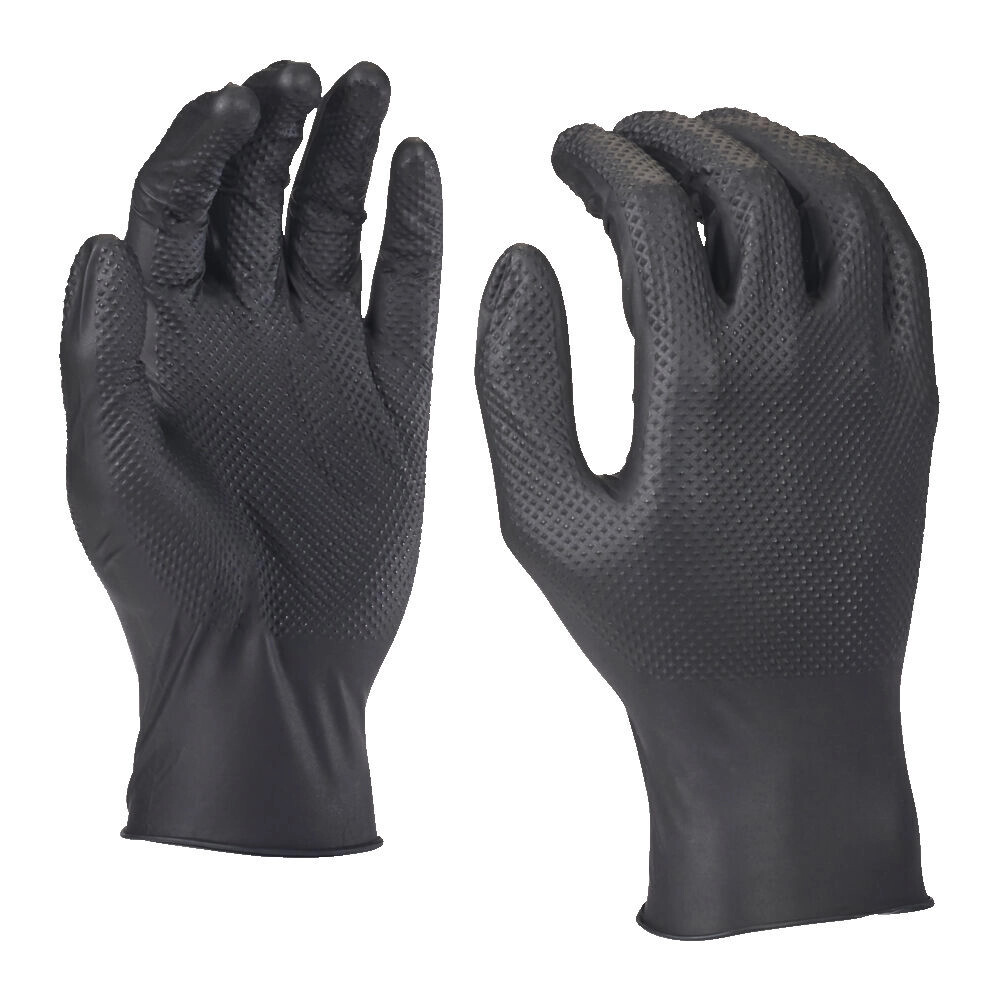
If you are stripping trim, dealing with clips, or working small fixings, go for gloves that keep your finger feel. If you are handling wheels, rough parts, or hot awkward bits, you need tougher garage hand protection with better grip and more coverage.
2. Glasses for All Day Wear
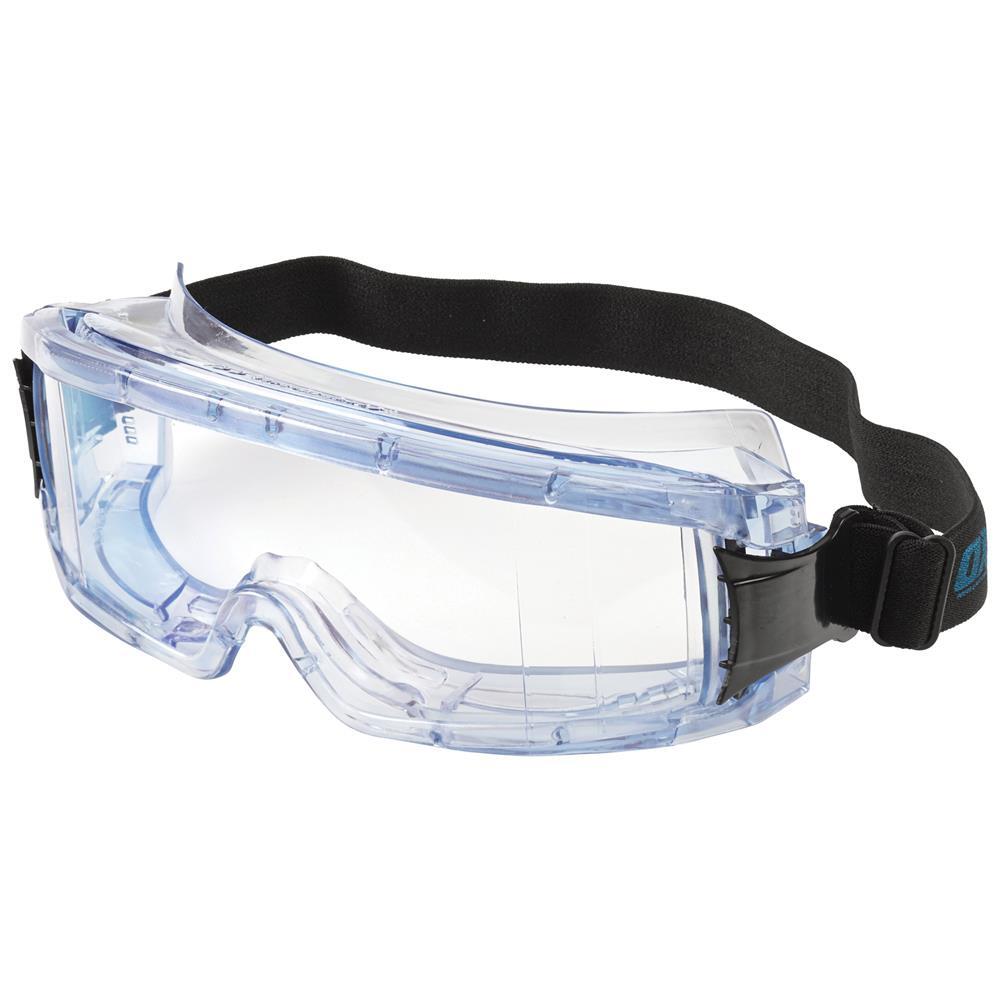
If the glasses dig in or steam up, lads stop wearing them. Pick safety glasses that are comfortable enough for full shifts and clear enough for bench work, grinding, brake jobs, and underneath vehicle inspections.
3. Keep First Response Kit Where Work Happens
Do not stick the first aid kit in an office no one can reach. If you run a busy workshop, keep first response gear close to the bays so cuts, burns, and knocks get dealt with straight away.
4. Buy for the Whole Workshop, Not One Job
A garage does not just need one pair of gloves and one set of specs. Think shared bench areas, mobile jobs, visiting staff, and backup stock so the workshop protection is there when kit gets lost, dirty, or damaged.
Who Uses Garage PPE?
- Mechanics use garage PPE every day for servicing, brake work, exhaust swaps, and engine repairs where dirt, fluids, and sharp edges are just part of the job.
- Tyre fitters and fast fit teams rely on mechanic PPE when handling worn tyres, corroded wheels, balance weights, and stubborn fixings that can slip without warning.
- MOT bays and inspection techs keep workshop safety equipment close for underbody checks, battery work, and quick repairs where eye protection and gloves save a lot of grief.
- Bodyshop staff and valeters use workshop protection for prep, clean-down, and snagging jobs where splashes, dust, and constant hand use soon take their toll.
- Garage owners and workshop managers usually keep spare kit on hand so no one is hunting round for basics when the bay is full and the next vehicle is already in.
The Basics: Understanding Garage PPE
Garage PPE is about matching the protection to the risk in front of you. You do not need loads of theory, just the right kit in the right place before the job starts.
1. Eye Protection Stops Small Problems Becoming Big Ones
Most workshop eye injuries come from quick jobs that looked harmless. Safety glasses are there for brake dust, rust flakes, splashes, and bits flicking loose when a seized part finally moves.
2. Hand Protection Needs to Balance Grip and Cover
In automotive work, gloves need to protect your hands without making you clumsy. The right pair lets you hold oily parts, pull awkward panels, and still feel what you are doing on clips, screws, and fasteners.
3. First Aid Kit Means Less Downtime
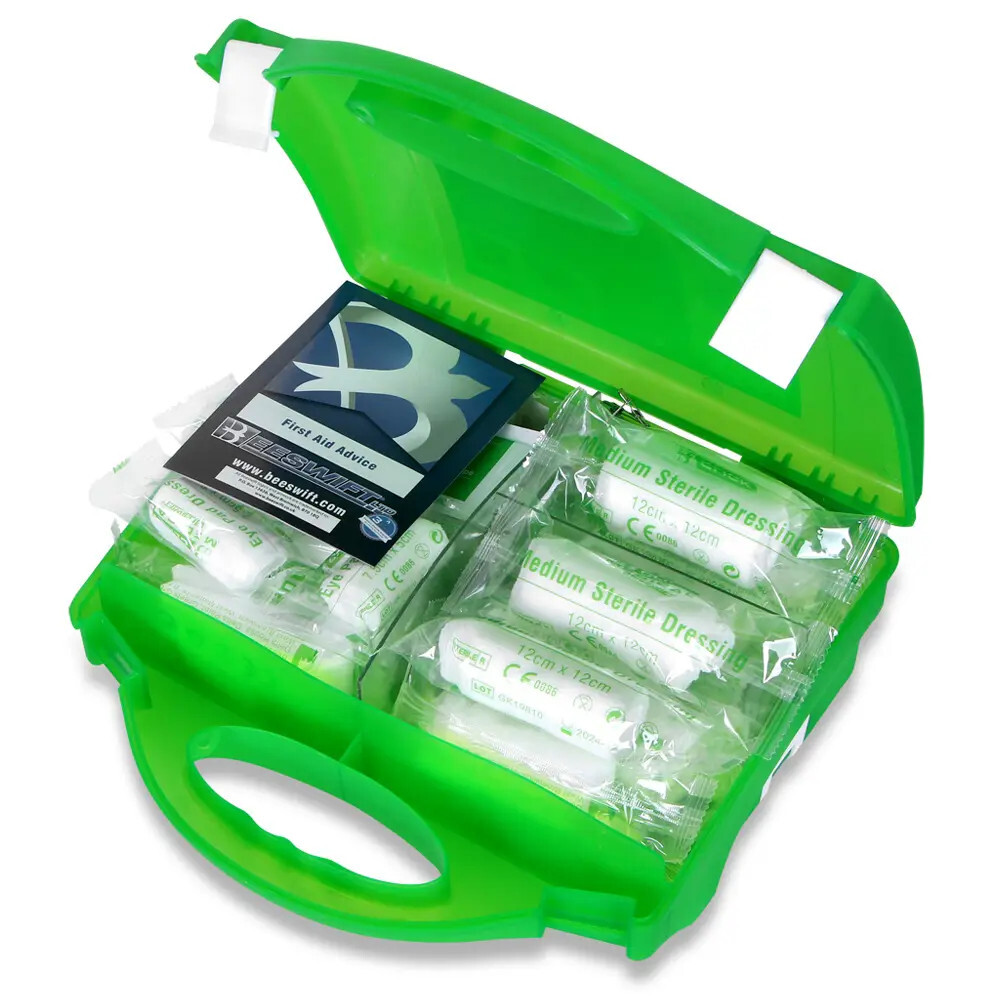
A first aid kit is not just a box for compliance. In a working garage, it is what gets minor cuts, burns, and knocks sorted quickly so the day does not grind to a halt over something basic.
Garage PPE Extras That Save Time and Hassle
A few sensible extras stop the usual workshop headaches and keep protection close to hand.
1. Spare Gloves
Keep extra pairs in the bay or van. Once one pair is soaked in oil, ripped on sharp metal, or lost under a seat, you do not want the job carrying on bare handed.
2. Spare Safety Glasses
A scratched or missing pair always turns up when someone is about to get under a car or crack on with brake work. Keep a spare set nearby so no one skips eye protection just to save two minutes.
3. Wall Mounted First Aid Storage
This stops the first aid kit going walkabout or getting buried in a drawer full of old paperwork. Mount it where the bays are busy and everyone knows where to find it.
Choose the Right Garage PPE for the Job
Match the protection to the job before you start pulling parts apart.
| Your Job | Category or Type | Key Features |
|---|---|---|
| Brake and suspension work | Safety glasses and fitted work gloves | Good eye cover for rust and dust, plus grip and dexterity for seized fixings and dirty components. |
| General servicing and engine bay repairs | Mechanic gloves | Close fit, decent feel on tools, and enough protection from oil, grime, and sharp edges. |
| Workshop clean down and spill response | General workshop safety equipment | Practical cover for wet floors, mess, and routine tidy ups that keep the unit safer to work in. |
| Mobile repair vans and roadside jobs | Compact automotive PPE kit | Easy to store, quick to grab, and covers the basics when you are working away from the bench. |
| Busy bays and shared workshop areas | First aid kits and spare eye protection | Fast access for minor injuries and backup PPE when the main kit goes missing or gets damaged. |
Common Buying and Usage Mistakes
- Buying gloves that are too bulky for workshop work means you lose feel on clips, fasteners, and small tools. Keep heavier pairs for rough handling and use closer fitting gloves for service and repair work.
- Treating safety glasses as optional on quick jobs is how grit, rust, and brake dust end up in your eye. Keep a pair at every bay so no one has an excuse to crack on without them.
- Keeping one first aid kit hidden in an office wastes time when someone has cut a hand on bodywork or a bracket. Put kits where the actual workshop work happens.
- Not replacing worn or scratched PPE soon enough usually means lads stop using it. If glasses are marked up or gloves are split, swap them before they become pointless.
- Buying garage safety equipment without thinking about the job mix leaves gaps in cover. A tyre bay, service ramp, and mobile van do not all need the exact same setup, so stock accordingly.
Safety Glasses vs Work Gloves vs First Aid Kits
Safety Glasses
These are for flying grit, brake dust, fluid splash, and rust when parts let go suddenly. If you work under vehicles, use cutting tools, or free off seized components, this is the bit of kit you should be wearing before the job starts.
Work Gloves
Gloves are about grip, cuts, grime, and stopping your hands getting wrecked by rough castings, oily parts, and heat. They are the better choice when the risk is constant hand contact rather than airborne debris.
First Aid Kits
This is not preventative PPE, but it is essential backup when something still goes wrong. Every garage should have one close by for the minor cuts, burns, and knocks that happen even when the team is careful.
What Most Workshops Actually Need
It is rarely one or the other. Most workshops need all three covered properly, with enough stock for shared use, busy bays, and mobile jobs where the basics are easy to forget until the exact moment you need them.
Maintenance and Care
Clean After Dirty Jobs
Wipe down reusable eye protection and gloves after brake work, fluid handling, or heavy clean down. Oil, dust, and grime soon make PPE unpleasant to wear and easier to ignore.
Replace Split or Scratched Kit
Once gloves are torn or glasses are badly marked, they stop doing the job properly. Replace them early rather than hoping they will last one more week.
Store It Where It Gets Used
Keep workshop protection at the bay, bench, or van shelf instead of buried in a stores room. If it is easy to grab, it is far more likely to get used.
Check First Aid Supplies Regularly
A first aid kit full of empty packets is no use to anyone. Check contents often and top it up after even small incidents so the basics are always there.
Keep Spare Stock Ready
Gloves and specs go missing, get damaged, or end up filthy mid shift. A few spares in the workshop stop lads carrying on without proper cover.
Why Shop for Garage PPE at ITS?
Whether you are topping up one service bay or sorting full workshop safety equipment for a busy unit, we have the range to cover it. You will find PPE, First Aid Kits, Work Gloves, Safety Glasses, and even Automotive Tools all in one place. It is all stocked in our own warehouse and ready for next day delivery, so you can get the right workshop protection on site without hanging about.
Garage PPE FAQs
What PPE should be used in a garage?
At minimum, most garages should have eye protection, suitable gloves, and a proper first aid kit within easy reach. The exact setup depends on the work, but if you are dealing with brake dust, fluids, sharp metal, wheels, or underbody parts, basic workshop protection is not optional.
Do mechanics need safety glasses?
Yes. Any time you are under a vehicle, freeing off corroded parts, working around brakes, or using chemicals and cleaners, safety glasses are a must. It only takes one bit of rust or one splash of fluid to ruin your day.
Which gloves are best for workshop work?
The best gloves for workshop work are the ones that still let you feel what you are doing. For servicing and repair jobs, go for a close fitting pair with decent grip. For rougher handling, heavier parts, or dirtier strip downs, step up to tougher gloves with more protection.
Should a garage have a first aid kit?
Yes, without question. Garages deal with cuts, knocks, burns, and slips all the time, even on routine jobs. A first aid kit needs to be stocked, easy to find, and kept near the workshop floor rather than hidden away in an office.
Is one pair of safety glasses enough for a whole workshop?
No, that usually ends in someone working without them. In a shared garage, keep multiple pairs across the bays and bench areas, because glasses get scratched, misplaced, or borrowed and never come back.
Do mechanics really need different gloves for different jobs?
Usually, yes. Fine repair work needs dexterity, while wheel changes, exhaust work, and rough handling need more grip and protection. One do everything pair rarely does either job properly.