Vehicle Cleaning & Detailing
Vehicle cleaning and detailing kit sorts the mess, marks, and dull paint that make hard-worked vans and cars look rough before the next job.
If your van is caked in road film, plaster dust, or week-old muck, this is the kit that gets it back in decent nick. From pressure washers and car cleaning products to vehicle polishers and polishing pads, proper vehicle cleaning and detailing gear saves time, lifts grime safely, and brings tired paintwork back without making more work. For machine correction and finishing, see Polishers or Polishers. For washdown jobs, have a look at Pressure Washers, the right Pressure Washer Accessories, and everyday Wipes & Cleaning. Get the right trade detailing tools and keep your motor presentable, protected, and ready for the next callout.
What Jobs Is Vehicle Cleaning and Detailing Best At?
- Washing down site vans and pickups after muddy callouts keeps road film, salt, and plaster dust from building up and making the vehicle harder to clean next time.
- Cleaning door shuts, wheel arches, trims, and load areas helps trades running sign written vans keep them tidy enough for client visits and handovers.
- Polishing tired paintwork on cars, vans, and work vehicles lifts light swirls, oxidation, and dull patches so the finish looks looked-after rather than neglected.
- Detailing interiors after long weeks on the road clears dust, grime, and spills from seats, plastics, and mats so the cab is fit for daily use again.
- Freshening up fleet vehicles before resale, return, or inspection saves arguments over condition and makes automotive detailing part of proper vehicle upkeep rather than a last-minute panic.
Choosing the Right Vehicle Cleaning and Detailing
Sort the kit by job first. A quick rinse, a proper deep clean, and paint correction all need different tools.
1. Washdown or Full Detail
If you are just knocking mud, salt, and site dirt off a van, a pressure washer and decent car cleaning products will do most of the heavy lifting. If you want the paintwork properly sorted, you also need vehicle polishers, polishing pads, and compounds that match the condition of the finish.
2. Pad and Polish Match-Up
Do not go too aggressive straight away. If the paint only has light swirls or dullness, start with a softer pad and lighter polish. If the finish is heavily marked from poor washing or hard use, step up carefully or you will remove defects in one area and leave fresh marring in another.
3. Vehicle Size Matters
If you are detailing a small car now and then, compact kit is fine. If you are cleaning long wheelbase vans, pickups, or fleet vehicles every week, buy for runtime, hose reach, tank capacity, and pad life or the job drags on longer than it should.
4. Trade Use or Weekend Use
If the kit is going out in the van and earning its keep, pick trade detailing tools that can handle repeated use, awkward access, and rough storage. Lighter domestic gear is alright for occasional use, but it soon shows its limits when you are washing and polishing vehicles properly every week.
Who Uses These on Site and on the Road?
- Mobile valeters and automotive detailing teams use this kit day in, day out for safe washing, paintwork polishing, and bringing tired finishes back without leaving holograms or missed grime.
- Trades with sign written vans swear by proper vehicle cleaning and detailing gear because a clean motor turns up better at customer properties than one covered in cement dust and traffic film.
- Garage staff and mechanics use car detailing tools to clean vehicles before handover, freshen interiors, and sort paintwork marks that make an otherwise tidy job look unfinished.
- Fleet managers and yard teams keep pressure washers, vehicle polishers, and car cleaning products handy for regular van detailing, especially when vehicles are shared, inspected, or due back off hire.
The Basics: Understanding Vehicle Cleaning and Detailing
Cleaning and detailing sound similar, but they are not the same job. Knowing the difference saves you buying the wrong kit and expecting it to do work it cannot.
1. Cleaning Removes Dirt
This is the wash stage. Pressure washers, snow foam, shampoos, brushes, cloths, and wipes shift mud, grit, road film, and interior grime. The aim is to get the vehicle clean without dragging dirt across the paint and marking it.
2. Detailing Refines the Finish
Detailing goes further than a standard wash. It covers deeper decontamination, trim cleaning, interior finishing, and paintwork polishing to improve gloss, remove light defects, and get panels looking right under proper light.
3. Machine Polishing Needs the Right Set-Up
A polisher does not do the whole job on its own. The result depends on the pad, polish, speed, pressure, and the condition of the paint. Get that match right and you can correct tired paint safely. Get it wrong and you waste time or leave the finish patchy.
Detailing Accessories That Save Time and Aggravation
The right add-ons stop simple cleaning jobs turning into long, messy afternoons.
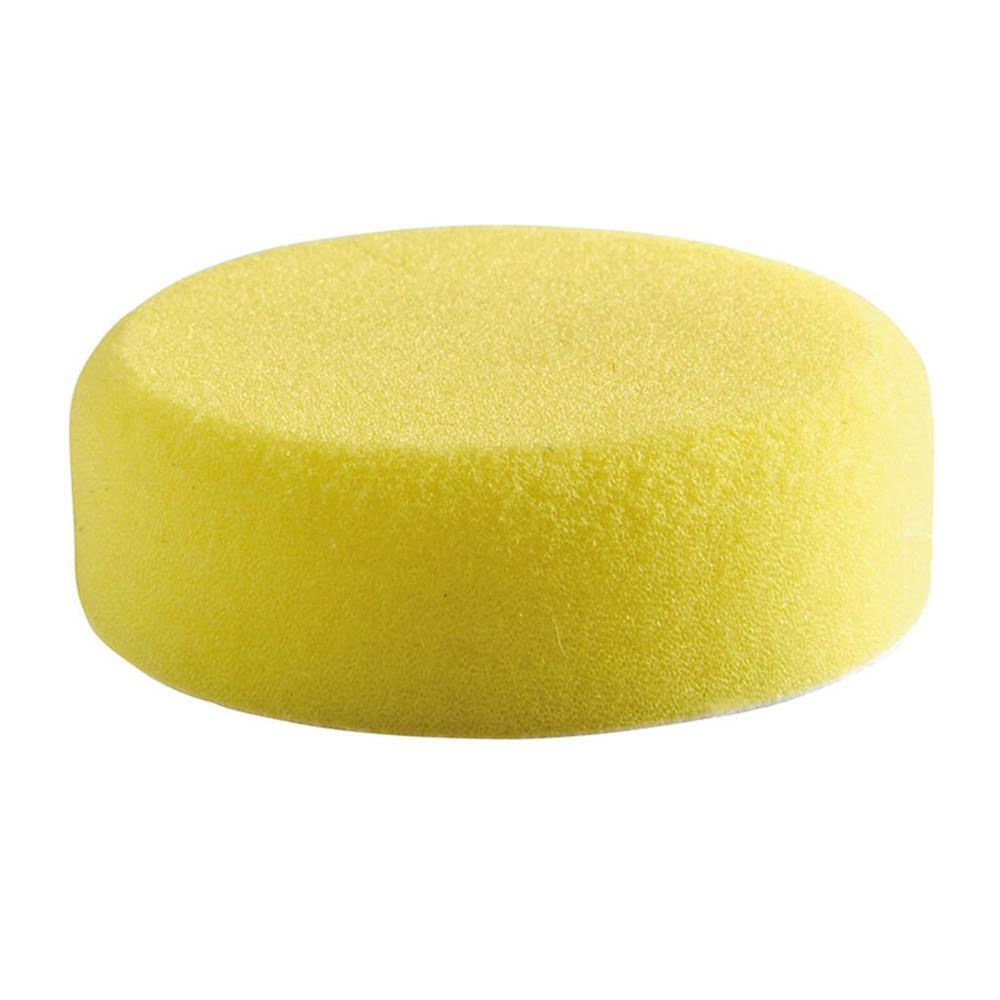
1. Polishing Pads
Keep more than one pad type on hand. A worn or wrong pad can leave the finish hazy, clog quickly, or cut far harder than you meant, especially on soft paint or curved panels.
2. Foam Lances and Nozzles
These make pre-washing far easier and help lift grit before you touch the paint. It is a lot better than going straight in with a mitt and grinding dirt into the lacquer.
3. Hoses, Connectors, and Adaptors
Nothing wastes time like a leaking fitting or a hose that will not quite reach round the van. Sort your connections properly and the whole wash process runs smoother.
4. Microfibre Cloths and Drying Towels
Do not finish a clean vehicle with an old rag from the door pocket. Proper cloths and drying towels cut down streaks, pick up residue properly, and help avoid fresh marks after polishing.
Choose the Right Vehicle Cleaning and Detailing for the Job
Use this quick guide to match the kit to the work in front of you.
| Your Job | Category or Type | Key Features |
|---|---|---|
| Weekly van wash and mud removal | Pressure washer and wash chemicals | Good hose reach, steady pressure, proper pre wash, quick rinse down of arches, sills, and load areas |
| Cleaning a customer facing sign written van | Automotive detailing kit | Safe shampoos, trim cleaners, drying towels, interior products, tools for a tidy finish without streaks |
| Removing light swirls and dull paint | Vehicle polisher with finishing pad | Controlled speed, manageable weight, softer pad choice, lighter correction for regular paintwork polishing |
| Correcting tired or marked paintwork | Polisher with cutting and polishing pads | Pad options, compound compatibility, enough runtime for full panels, suited to more involved correction work |
| Keeping the cab and interior clean | Interior cleaning and wipe down products | Dust lifting cloths, plastics cleaners, upholstery safe products, quick upkeep between proper cleans |
Common Buying and Usage Mistakes
- Buying a polisher before sorting the wash kit first means you end up polishing over contamination. Clean and decontaminate properly or you will drag dirt about and spoil the finish.
- Using one pad for every stage is a false economy because a cutting pad, polishing pad, and finishing pad all do different jobs. Match the pad to the paint and defect level or the results will be poor.
- Going too hard with pressure washers around trims, badges, and seals can force water where it should not go. Keep the distance sensible and use the right nozzle rather than trying to strip everything at point blank range.
- Trying to detail a full size van with short runtime kit and barely any consumables turns a straightforward job into a stop start slog. Buy enough pads, cloths, product, and battery or power support for the size of vehicle.
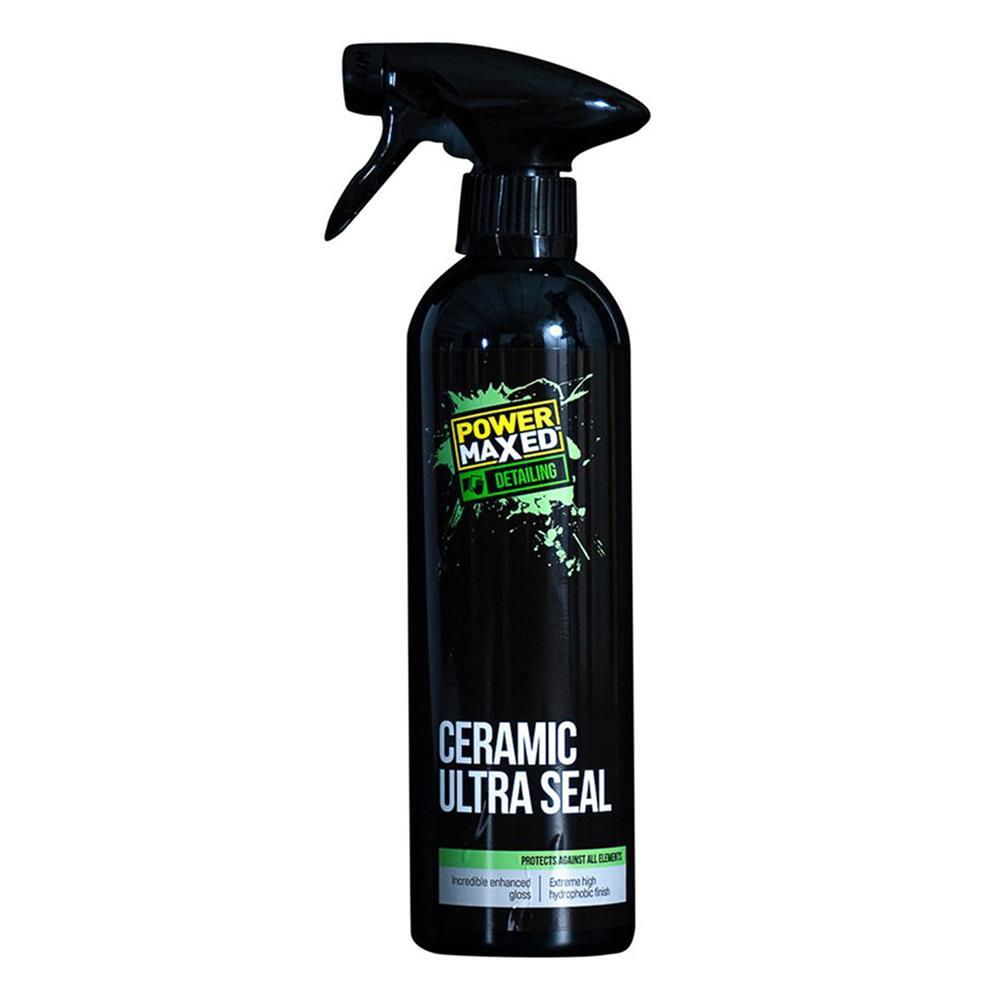
- Using household cleaners on automotive surfaces can stain trims, dry out plastics, or leave smears on glass. Stick with car cleaning products made for paint, trim, rubber, and interiors.
Pressure Washers vs Vehicle Polishers vs Hand Cleaning Kits
Pressure Washers
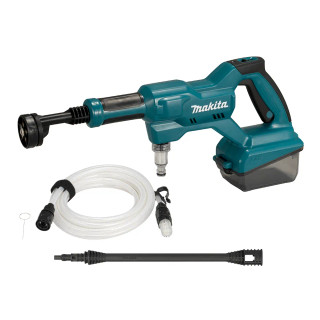
Best for shifting mud, grit, traffic film, and site muck before you touch the paint. They are the starting point for safe washing, but they will not correct swirls or restore dull paintwork on their own.
Vehicle Polishers
These are for paint correction and finishing once the vehicle is properly clean. Buy one if you are dealing with oxidation, wash marks, or tired gloss. Do not expect a polisher to replace proper washing and prep.
Hand Cleaning Kits
Good for interiors, trim, glass, tight areas, and routine upkeep where machine kit is overkill. They are slower on large panels and heavy grime, but still essential for finishing details and keeping control in awkward spots.
Which Should You Buy First?
If the vehicle is regularly filthy, start with wash kit and pressure washing. If the paint is clean but tired, add a polisher and the right pads. If you mainly maintain interiors and presentable exteriors, build around hand cleaning products first.
Maintenance and Care
Clean Pads After Use
Do not leave compound and paint residue drying into polishing pads overnight. Wash them out properly and let them dry fully or they clog, harden, and stop cutting or finishing as they should.
Rinse Out Hoses and Lances
Pressure washer kit lasts better if you flush out detergent and standing water after use. It helps prevent blockages, sticky valves, and split fittings when the weather turns cold.
Store Cloths Separately
Keep paintwork cloths away from dirty wheel or engine bay cloths. Mix them together and you risk putting grit straight back onto clean panels the next time you wash or buff.
Check Cables, Backing Pads, and Fixings
Before starting a polishing job, check the machine, backing plate, and attachments are sound. A loose backing pad or damaged lead is the sort of simple fault that ruins panels and wastes time.
Replace Worn Consumables Promptly
If pads are delaminating, cloths are scratching, or nozzles are wearing out, change them. Trying to squeeze one more job out of tired consumables usually costs more in finish quality than you save.
Why Shop for Vehicle Cleaning and Detailing at ITS?
Whether you need car detailing tools for weekend upkeep, full van detailing kit for the fleet, or vehicle polishers, pads, wash gear, and cleaning products for regular automotive detailing, we stock the full range. It is all held in our own warehouse, in stock, and ready for next day delivery so you can get sorted without chasing bits from three different places.
Vehicle Cleaning and Detailing FAQs
What tools do I need for car detailing?
At minimum, you want a safe wash set-up, drying cloths, decent interior cleaners, and proper car cleaning products. If you are sorting paint properly, add a pressure washer for pre-rinse work, vehicle polishers, and the right polishing pads. The exact kit depends on whether you are just cleaning or actually correcting paintwork.
What is the difference between cleaning and detailing?
Cleaning is about removing dirt, mud, dust, and road film. Detailing goes further and deals with the finish itself, including decontamination, trim work, interior refinement, and paintwork polishing. In plain terms, cleaning gets it tidy, detailing gets it properly sorted.
Can polishers be used for vehicle detailing?
Yes, that is one of their main jobs, but only after the vehicle is properly washed and prepped. A polisher with the right pad and compound can remove light swirls, oxidation, and dullness. Used badly, though, it will leave haze or uneven correction, so pad and polish choice matter just as much as the machine.
Are pressure washers suitable for car cleaning?
Yes, absolutely, and they are one of the best ways to remove grit before hand washing. The trick is using sensible pressure, the right nozzle, and enough distance around trims, badges, and seals. They are ideal for car cleaning and van detailing when used with proper automotive products.
Will this kit cope with vans as well as cars?
Yes, but larger vehicles show up weak kit quickly. For vans, look closely at hose length, runtime, pad size, and how much product you will get through on a full clean. What feels fine on a hatchback can become a drag on a long wheelbase van.
Do I really need different polishing pads?
Yes. One pad will not cover cutting, refining, and finishing properly. Different pads change how much correction you get and how clean the finish looks, so keeping a few proper options is standard practice, not overkill.