Hi Vis Workwear
Hi vis workwear keeps you seen when plant is moving, wagons are tipping, and light is poor, so you go home in one piece.
On busy sites and roadside jobs, high visibility workwear is basic safety workwear, not a nice-to-have. From hi vis jackets and waterproofs to vests, trousers and coveralls, choose the right EN ISO 20471 class for where you're working, then pick the fit and warmth you can actually graft in. Get your hi vis PPE sorted below.
What Are Hi Vis Workwear and High Visibility Clothing Used For?
- Working around moving plant, forklifts, and delivery wagons where reflective workwear and fluorescent workwear make you stand out fast in poor light.
- Roadside and street works where high visibility PPE helps drivers spot you earlier, especially when you are in and out of the carriageway or behind barriers.
- Rail and depot environments where RIS 3279 rail hi vis is often specified, so your hi vis jackets, coats, and trousers meet the right colour and visibility standard.
- Wet, windy shifts where hi vis rainwear and hi vis waterproofs keep you dry without losing the reflective bands that do the real safety job.
- Long days on the tools where breathable hi vis clothing, lightweight hi vis clothing, or thermal hi vis workwear stops you overheating or freezing while staying compliant.
Choosing the Right Hi Vis Workwear
Sort the right hi vis clothing by matching the visibility class and weather protection to the job, not what looks tidy on the hanger.
1. Class 1 vs Class 2 vs Class 3
If you are only in low-risk areas or doing short visits, class 1 hi vis can cover you, but it is not enough for proper site traffic. If you are on active construction sites, deliveries, or plant routes, class 2 hi vis is the usual minimum. If you are roadside, rail, or working in poor light with fast-moving hazards, go class 3 hi vis with sleeves and full coverage so you are visible from every angle.
2. Rail Spec: RIS 3279
If you are stepping onto rail land, do not guess it. You need RIS 3279 rail hi vis in the correct colour, otherwise you can get turned away before you even start. Check the garment marking and keep a spare hi vis vest in the van for last-minute call-outs.
3. Weather and Layering
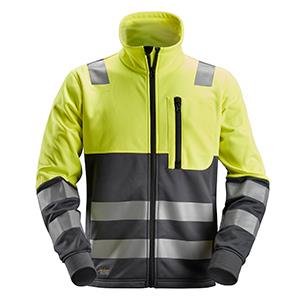
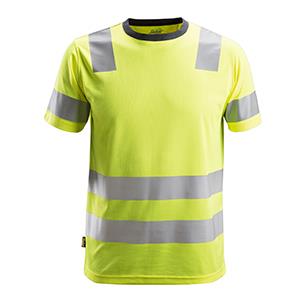
If you are sweating through summer shifts, pick breathable hi vis clothing like hi vis polo shirts, t shirts, or lightweight hi vis vests. If you are outside all day, insulated hi vis clothing like hi vis hoodies, sweatshirts, fleeces, or bodywarmers keeps you warm without bulking you up. For winter and rain, hi vis waterproofs and hi vis rainwear are worth it, because wet hi vis that clings and tears is when the reflective workwear stops doing its job properly.
4. Coverage: Tops, Bottoms, and One-Piece
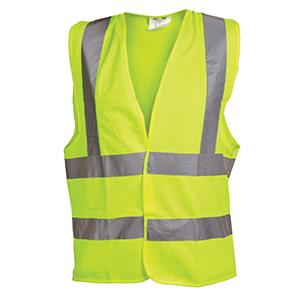
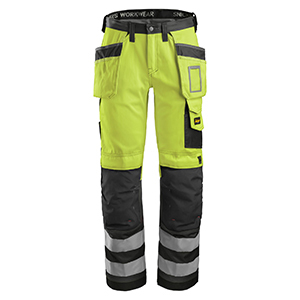
If you are constantly bending, kneeling, or climbing in and out of machines, hi vis trousers, bib and brace, or hi vis overalls and coveralls stop your top riding up and leaving you half-visible. If you just need quick compliance over normal safety workwear, a hi vis waistcoat or vest is the easy grab-and-go option.
Hi Vis Workwear FAQs
What is considered high vis clothing?
Proper high visibility clothing is a garment designed to make you stand out using fluorescent fabric and reflective tape, and it should be labelled to a recognised standard like EN ISO 20471 with a class rating. If it is just a bright hoodie with no rating or reflective banding, it might look loud but it is not the same thing on a site risk assessment.
What is hi-vis fabric?
Hi-vis fabric is fluorescent material that pops in daylight and dull conditions, combined with reflective strips that bounce light back at night under headlights and site lighting. The key is how it is stitched and positioned, because cheap tape can crack or peel after hard washing and then you have lost the visibility you are relying on.
Why do people wear hi-vis?
Because it buys you reaction time. On a live site, a driver in a telehandler, a wagon reversing, or a forklift turning a corner needs to spot you instantly, not after you have already stepped out. Hi vis PPE is there to reduce the chance of a near miss turning into an accident, especially in low light, bad weather, and busy delivery areas.
Is high-visibility clothing waterproof?
Some is and some is not. Hi vis vests, waistcoats, polos and t shirts are usually not waterproof at all, they are just for visibility. If you need rain protection, look specifically for hi vis waterproofs or hi vis rainwear and check it is still EN ISO 20471 rated, because a waterproof that is not certified is not much use on a site that is strict on compliance.
Do I need a hi vis jacket, or is a hi vis vest enough?
If you are only doing short visits and your site rules allow it, a hi vis vest over your normal kit can be enough. If you are working all day around traffic, in poor light, or where class 3 is required, a proper hi vis jacket or coat with sleeves gives you the coverage you need and you are not relying on a vest that rides up under a harness or tool belt.
Who Are These For on Site?
- Groundworkers, brickies, and labourers working around excavators and telehandlers, because being seen matters more than looking smart.
- Sparks, plumbers, and chippies on refurbs and commercial jobs who need hi vis vests or hi vis waistcoats for quick compliance over their normal kit.
- Highways and utilities crews who live in hi vis trousers, hi vis jackets, and waterproofs for roadside work where visibility and weather protection both count.
- Rail contractors who need RIS 3279 rail hi vis and tend to run class 2 or class 3 hi vis depending on the task and location.
The Basics: Understanding Hi Vis Workwear Standards
Hi vis PPE is not just bright fabric. The standard and the class tell you how much visible material you are getting, and where it is placed, which is what matters when vehicles and plant are moving.
1. Fluorescent vs Reflective
Fluorescent workwear stands out in daylight and dull conditions, like overcast mornings and shaded yards. Reflective workwear is what lights up under headlights and site lighting, so you are easier to spot at night, in tunnels, or on winter shifts.
2. EN ISO 20471 Classes
EN ISO 20471 hi vis is the common site standard for high visibility clothing. Class 1 is the lowest coverage, class 2 is the usual site level, and class 3 is the highest coverage, typically with sleeves and more reflective banding for maximum visibility.
3. RIS 3279 for Rail
RIS 3279 rail hi vis is a separate rail requirement that specifies compliant high visibility PPE for rail environments. If your job says rail, make sure the garment is marked for RIS 3279, not just "hi vis".
Shop Hi Vis Workwear at ITS
Whether you need a quick hi vis vest for site sign-in or full high visibility workwear like jackets, waterproofs, trousers and coveralls for winter graft, we stock the range in the sizes and classes that actually get used. It is all held in our own warehouse, in stock and ready for next day delivery so you are not turning up under-specced.