Milwaukee PPE
Milwaukee PPE is built for the site jobs that batter your kit and your body, from cutting and drilling to lifting, grinding and clean-up.
If you're on the tools all week, bad PPE soon shows itself with fogged lenses, ear defenders that pinch, and gloves that wear through too fast. Milwaukee protective equipment is made for proper trade use, covering hands, eyes, hearing and head protection that stands up to first fix, demo and snagging. If you already trust Milwaukee Tools, this is the Milwaukee safety equipment range to match.
What Is Milwaukee PPE Used For?
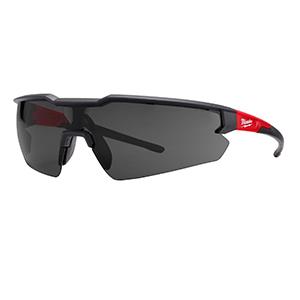
- Protecting your eyes when cutting tray, chasing walls or grinding fixings, where Milwaukee safety glasses help keep dust, sparks and flying debris out of your face.
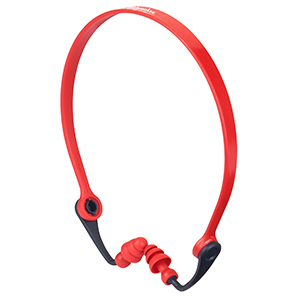
- Knocking noise down on loud site tasks like breaker work, metal cutting and plant nearby, where ear defenders save you from hours of ringing ears by knock-off.
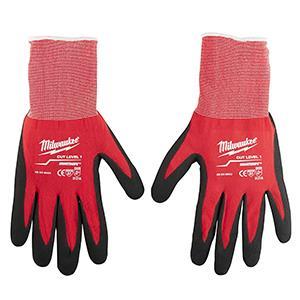
- Shielding your hands during handling, fixing and install work, where different glove cut levels matter when you are pulling cable, shifting sheet material or working with sharp edges.
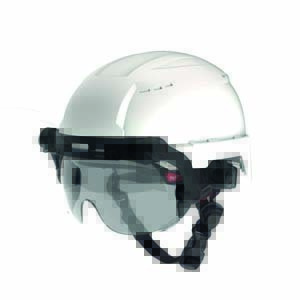
- Keeping head protection sorted on busy builds, loft jobs and scaffold work, where a Milwaukee hard hat is part of everyday site PPE rather than something left in the van.
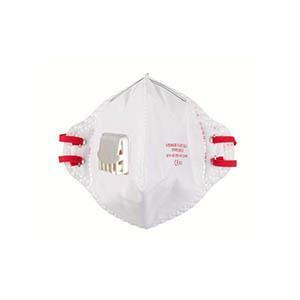
- Covering the messy end of the job during sanding, cutting and clean-down, especially when paired with Milwaukee Masks, Face Shields & Respirators for dusty indoor work.
Choosing the Right Milwaukee PPE
Sort the right kit by the risk in front of you, not by what happens to be nearest the van door.
1. Match the Protection to the Job
If you are grinding, cutting or drilling overhead, start with eye protection and hearing protection first. If you are handling sharp tray, threaded bar or sheet metal, glove rating matters more than just picking the thickest pair.
2. Think About Wear Time
If you have got it on all shift, comfort is not a luxury. Ear defenders that clamp too hard and glasses that fog up will get taken off, so buy the Milwaukee safety gear you will actually keep wearing.
3. Buy for Repeats, Not One-Offs
If it is daily site kit, keep spares in the van and gang box. Gloves, glasses and masks take hammer, so it makes sense to stock up rather than get caught short halfway through a dirty job.
4. Split General Site PPE from Specialist Risk
A basic set covers most access, install and clean-up work, but higher dust, face impact or work at height needs more thought. For tethered kit and drop prevention, look at Milwaukee Lanyards rather than trying to make standard PPE do another job.
Who Uses Milwaukee PPE on Site?
- Sparkies rely on Milwaukee PPE for cable runs, containment and board work, especially gloves and safety specs that stay comfortable when you are in and out of pockets all day.
- Chippies and fitters use Milwaukee protective equipment when cutting sheet goods, fixing ironmongery and trimming out, where clear vision and decent hand protection save time and skin.
- Groundworkers, demolition teams and general builders reach for Milwaukee safety equipment on louder, rougher jobs, where hard hats, hearing protection and gloves take daily abuse.
- Maintenance crews and site managers keep Milwaukee site PPE handy for snagging, inspections and quick reactive jobs, because there is always one task that needs proper protection there and then.
The Basics: Understanding Milwaukee PPE
The main thing with PPE is simple. Each bit is there to control a specific risk on site, and buying the right type saves you from wearing the wrong kit for the wrong job.
1. Eye, Ear, Head and Hand Protection All Do Different Jobs
Safety glasses deal with flying dust and fragments. Ear defenders reduce noise exposure on long, loud tasks. Hard hats protect against knocks and falling objects. Gloves are about grip, abrasion and cut resistance, depending on what you are handling.
2. Ratings Matter More Than Looks
The right Milwaukee PPE is the one with the proper certification and protection level for the task. That means checking cut level on gloves, impact protection on eyewear and making sure your site PPE is suitable for the work area.
3. Full Protection Usually Means More Than One Item
On plenty of jobs you will need more than just specs or gloves on their own. Cutting masonry indoors, for example, often means eye protection, hearing protection and respiratory cover together, which is where Milwaukee Site Safety comes into its own.
Milwaukee PPE Extras That Keep You Covered
A few sensible add-ons save faff on site and stop one missing item holding the job up.
1. Masks, Face Shields and Respirators
Do not stop at glasses if the job is throwing proper dust or face-level debris about. Adding the right respiratory or face protection saves you from breathing in the mess or spending the rest of the day washing grit out your face.
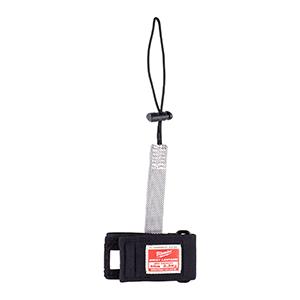
2. Tool Lanyards
If you are working off steps, scaffold or MEWPs, a dropped tool is a site incident waiting to happen. Lanyards are the simple fix that stops gear going over the edge and creating grief below.
3. First Aid Kits
Even with decent PPE, cuts, grazes and minor site knocks still happen. Keeping Milwaukee First Aid Kits close by means you can deal with small injuries straight away instead of hunting around the welfare cabin.
Choose the Right Milwaukee PPE for the Job
Use this quick guide to sort the right protection for the work in front of you.
| Your Job | Category or Type | Key Features |
|---|---|---|
| Cutting, grinding and drilling overhead | Milwaukee safety glasses | Impact protection, clear vision, comfortable arms that stay put with other kit on. |
| Breaker work, saw use and noisy plant areas | Milwaukee ear defenders | Good noise reduction, secure fit and enough comfort to wear for long stretches. |
| Handling cable tray, metal stud and sharp materials | Milwaukee gloves | Pick the right cut level, decent grip and enough feel left for fixings and small parts. |
| General active site access and overhead risk | Milwaukee hard hat | Correct site compliance, secure adjustment and all day wear without constant readjusting. |
| Dusty cutting, sanding and dirty strip-out work | Respiratory and face protection | Suitable dust protection, proper face coverage and compatibility with eye protection. |
Common Buying and Usage Mistakes
- Buying one pair of gloves for every task is a mistake. Fine install work, rough handling and sharp materials need different grip and cut protection, otherwise you either lose feel or wear through them too quickly.
- Treating safety glasses like a throwaway extra usually ends with scratched lenses and poor visibility. Keep them clean and replace them when they are marked up, because squinting through damaged lenses is asking for trouble.
- Choosing ear defenders by price alone can backfire. If they are uncomfortable, they will spend more time round your neck than over your ears, which defeats the point completely.
- Assuming all site PPE covers dust risk is wrong. Eye and head protection do not replace masks or respirators, so add the right respiratory kit when the job starts filling the air.
- Leaving PPE loose in the van shortens its life. Hard hats get cracked, lenses get scratched and gloves get damp, so store the lot properly and check it before every shift.
Safety Glasses vs Ear Defenders vs Hard Hats
Milwaukee Safety Glasses
Best for cutting, drilling, grinding and any task throwing chips or dust about. They are easy to wear all day, but they only solve eye risk, so do not kid yourself they cover noise or impact to the head.
Milwaukee Ear Defenders
The right call for long exposure to breakers, saws and loud plant where noise builds up over a full shift. They protect your hearing properly, but they are no substitute for eye protection when debris is flying.
Milwaukee Hard Hats
These are for active sites, overhead work and areas with strike risk where head protection is mandatory. They handle a different hazard entirely, so they sit alongside glasses and hearing protection rather than replacing either.
Maintenance and Care
Clean After Dusty Jobs
Wipe glasses, hard hats and ear defenders down after sanding, chasing or demo work. Dust left sitting in hinges, pads and straps soon makes good kit uncomfortable or hard to use.
Check for Damage Before Use
Look for cracked shells, scratched lenses, flattened ear pads and torn gloves before every shift. PPE only works if it is still intact, so bin worn bits before they let you down on the job.
Store It Properly
Do not chuck Milwaukee site PPE under rubble bags or behind paint tins in the van. Keep it dry, out of direct heat and where lenses and shells are not getting battered by other tools.
Replace Consumable Protection
Gloves, masks and other high-wear items are not forever kit. Once grip has gone, fabric is cut through or fit is poor, swap them out and keep the proper level of protection on site.
Why Shop for Milwaukee PPE at ITS?
Whether you need Milwaukee safety glasses, ear defenders, gloves, a Milwaukee hard hat or wider Milwaukee safety gear, we stock the full Milwaukee PPE range in one place. It is all held in our own warehouse, ready for fast next day delivery, so you can get the right protection on site without hanging about.
Milwaukee PPE FAQs
What PPE does Milwaukee offer?
Milwaukee covers the core site PPE most trades actually use day to day. That includes safety glasses, ear defenders, gloves, hard hats and other Milwaukee protective equipment for eye, hearing, hand and head protection, plus related site safety kit for dust and face protection.
Is Milwaukee PPE certified to European standards?
Yes, Milwaukee PPE is designed for proper site use and products in the range are certified to the relevant European standards for their category. The exact standard depends on whether you are buying gloves, eyewear, hearing protection or head protection, so always check the product spec for the rating you need.
Does Milwaukee make hard hats and safety glasses?
Yes, they do. Milwaukee makes both hard hats and Milwaukee safety glasses as part of its wider site PPE range, so you can sort everyday head and eye protection from the same system rather than piecing it together from mixed brands.
What cut levels do Milwaukee gloves offer?
Milwaukee gloves come in different cut ratings depending on the job. Lower cut levels suit lighter install and handling work, while higher cut levels are the better call for metal edges, tray, sharp sheet material and rougher site tasks. Check the glove rating against the actual risk, not just the price.
Is Milwaukee PPE compatible across the range?
In general, yes, the range is built to work together on site. Glasses, gloves, hard hats and hearing protection are designed as part of the same Milwaukee safety equipment offering, but fit and compatibility still depend on the exact item, so it is worth checking product details if you are layering multiple pieces of protection.
Is Milwaukee PPE any good for full day wear, or will it end up in the van by lunch?
That is the real test, and this range is built with trade wear time in mind. The better bits are the ones you forget you have got on, so look for comfortable fits, decent adjustment and anti fog or grip features where relevant. If PPE is annoying to wear, lads stop wearing it, simple as that.
Do I need separate respiratory protection as well as glasses and a hard hat?
Yes, on dusty work you often do. Safety glasses and hard hats do different jobs, and neither one protects your lungs. If you are cutting masonry, sanding filler or cleaning out dusty areas, add proper respiratory protection instead of hoping your standard PPE is enough.