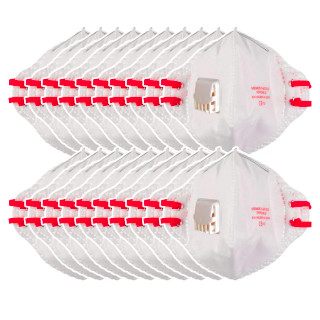
Milwaukee Masks, Face Shields & Respirators
Milwaukee respirator gear helps you handle dust, spray and flying debris on site, with masks, filters and face shields built for daily trade use.
If you're drilling block, sanding filler or cutting overhead, don't mess about with PPE that leaks, steams up or gets binned after one shift. This Milwaukee respirator range covers proper Milwaukee respiratory protection for site dust and debris, from a Milwaukee face mask or Milwaukee dust mask for short jobs to a Milwaukee half mask respirator and Milwaukee face shield for heavier, dirtier work. Pair up with Milwaukee PPE and get the right protection sorted before the dust starts.
What Are Milwaukee Respirators Used For?
- Drilling and chasing into brick, block and concrete is where a Milwaukee respirator earns its keep, helping cut down what you breathe in when the dust is hanging in the air all day.
- Sanding plaster, filler and painted surfaces is easier with a Milwaukee face mask or Milwaukee dust mask that sits properly and does not keep shifting every time you turn your head.
- Cutting overhead or grinding at awkward angles is a job for a Milwaukee face shield when you need coverage from sparks, chips and flying debris without losing visibility.
- Working through refurb jobs with mixed dust and repeated exposure is where a Milwaukee half mask respirator makes more sense than disposable masks, especially when filters can be changed as they clog up.
- Running snagging, maintenance and short access jobs calls for Milwaukee respiratory protection that is quick to put on, fits in the van and saves you breathing in the muck for the sake of a ten minute task.
Choosing the Right Milwaukee Respirator
Match it to the dust and the shift length. A cheap mask for a filthy all day job is false economy.
1. Disposable Mask or Half Mask Respirator
If you just need cover for short drilling, sanding or snagging jobs, a Milwaukee face mask or Milwaukee ffp3 mask is usually enough. If you are in dust day after day, go straight to a Milwaukee half mask respirator with replaceable filters so you are not binning masks every other hour.
2. FFP2 or FFP3
If you are dealing with light nuisance dust, lower spec masks may cover it, but for brick, concrete, plaster and similar site dust, most trades will want FFP3. That is the one to look for when the dust is fine, persistent and properly nasty.
3. Mask Only or Mask with Shield
If the job throws debris as well as dust, do not stop at a respirator. A Milwaukee face shield gives you the extra face coverage you need for grinding, trimming and other work where bits are coming back at you.
4. Fit Matters More Than Brand Loyalty
Even a good Milwaukee respirator is no use if it does not seal round your face. If you wear glasses, have stubble or are in and out of it all day, pick the style that stays comfortable and keeps its seal without constant readjusting.
Who Uses These on Site?
- Sparkies reach for a Milwaukee respirator when chasing walls, drilling back boxes and fixing into dusty masonry, because that fine dust is the stuff that hangs about long after the hole is done.
- Decorators and dryliners use a Milwaukee face mask for sanding filler, prepping ceilings and rubbing down between coats, especially on refurbs where the room is closed in and the dust has nowhere to go.
- Builders, brickies and general trades keep a Milwaukee dust mask or Milwaukee half mask respirator in the bag for cutting blocks, mixing out old mortar and breaking into existing fabric.
- Fabricators, fitters and site maintenance teams use a Milwaukee face shield for grinding, trimming and clean-up jobs where face coverage matters as much as eye protection.
- Supervisors and buyers already ordering Milwaukee Tools often stick with the same brand for PPE so masks, shields and replacement parts are easier to manage across the job.
The Basics: Understanding Milwaukee Respiratory Protection
The important bit is not just wearing a mask. It is wearing the right type for the dust, the job and how long you are in it.
1. Disposable FFP Masks
These are the quick-grab option for shorter tasks. A Milwaukee ffp3 mask is made to filter fine site dust while staying light enough for drilling, sanding and other stop-start work.
2. Half Mask Respirators
A Milwaukee half mask respirator uses replaceable filters and a tighter face seal. That makes it the better choice for longer shifts, repeated exposure and jobs where disposable masks get clogged or uncomfortable too quickly.
3. Face Shields
A Milwaukee face shield is there to stop chips, sparks and flying muck hitting your face. It is not the same as a respirator, so for dusty cutting or grinding you often need both, not one instead of the other.
Milwaukee Respirator Accessories That Save Time on Site
The right extras keep your protection working properly and stop silly hold-ups halfway through a dusty shift.
1. Replacement Filters
Keep spare filters in the van. Once a respirator starts getting harder to breathe through, you are wasting time and tempting yourself to work without it.
2. Spare Disposable Masks
A box of spare Milwaukee dust mask options is worth having for visitors, labourers and those quick jobs where your half mask is overkill but bare-faced is asking for trouble.
3. Storage Cases and Sealable Bags
Throwing a respirator loose in the van fills the inside with dust before you even wear it. Store masks and filters clean so the seal and filter media stay fit for the next job.
4. Compatible Eye and Site Safety Gear
Respiratory kit works better when it fits with the rest of what you wear. Matching it with Milwaukee Site Safety gear helps avoid clashes round the nose, ears and brow.
Choose the Right Milwaukee Respirator for the Job
Use this quick guide to avoid buying more mask than you need, or less protection than the job demands.
| Your Job | Mask or Type | Key Features |
|---|---|---|
| Short drilling and light sanding | Milwaukee disposable face mask | Quick on and off, light to wear, easy to keep spares in the van |
| Concrete drilling, chasing and dusty refurbs | Milwaukee FFP3 mask | Higher filtration for fine site dust, better suited to masonry and plaster work |
| All day repeat exposure | Milwaukee half mask respirator | Replaceable filters, better seal, more cost effective over longer use |
| Grinding, trimming and debris flying back | Milwaukee face shield | Full face coverage, improved visibility, useful alongside other PPE |
| Mixed site work with visitors or changing tasks | Keep both disposable masks and a half mask | Lets you match protection to the job without wasting filters or masks |
Common Buying and Usage Mistakes
- Buying a basic mask for heavy masonry dust is the big one. If you are drilling or chasing concrete and block, step up to the right rated Milwaukee respirator or you are kidding yourself.
- Ignoring fit and seal ruins the whole point of respiratory protection. If it gaps round the nose or shifts every time you speak, sort the size or style before using it on site.
- Using a clogged filter for too long makes breathing harder and the mask less effective. Keep replacement filters ready and change them before the job turns into a slog.
- Treating a face shield like a respirator is another easy mistake. A Milwaukee face shield protects against impact and debris, but dusty work still needs proper filtration as well.
- Chucking masks loose in a dusty van shortens their life fast. Store them clean and dry or you start the next shift with a dirty seal and contaminated filter.
Disposable Masks vs Half Mask Respirators vs Face Shields
Disposable Masks
Best for short, stop-start jobs like a few holes in block or a quick sand down. They are easy to carry and easy to replace, but they are not the one for daily punishment if you are working in dust for hours.
Half Mask Respirators
These suit regular site users who are in fine dust all week. Better seal, replaceable filters and less waste over time, but only worth it if you will maintain it properly and keep filters fresh.
Face Shields
Face shields are for impact, chips and sparks, not breathing protection on their own. Buy one when the job throws debris at your face, but do not treat it as a swap for a proper Milwaukee face mask.
Maintenance and Care
Clean It After Dusty Jobs
Wipe down the mask body and face seal after use so dust does not build up where it sits against your skin. A dirty seal is where comfort and protection both start going downhill.
Change Filters Before They Choke
If breathing gets noticeably harder or filters are visibly loaded with dust, swap them out. Waiting too long just makes the respirator unpleasant to wear and easier to avoid using.
Store Masks Clean and Dry
Keep your Milwaukee face mask or respirator in a clean box or bag, not rolling round with rubble and fixings. It stops damage to straps, keeps the inside clean and helps filters last properly.
Check Straps and Valves
If the straps have stretched out or the valve looks damaged, sort it before the next shift. A good filter means nothing if the mask will not stay sealed to your face.
Replace Worn Shields
A scratched Milwaukee face shield soon gets annoying under bright lights or outside glare. Once visibility is poor or the shield is marked up badly, replace it rather than working through it.
Why Shop for Milwaukee Respirators at ITS?
Whether you need a Milwaukee respirator for dusty first fix, a Milwaukee face shield for grinding, or a box of disposable masks for the van, we stock the full Milwaukee range in one place. That includes matching site essentials like Milwaukee First Aid Kits and Milwaukee Cut Sleeves. It is all held in our own warehouse, in stock and ready for next day delivery.
Milwaukee Respirator and Face Shield FAQs
What respirator rating do I need for construction dust?
For a lot of common site dust from concrete, brick, mortar and plaster, trades usually look for FFP3 as the safer choice. Fine construction dust is the nasty stuff that lingers, so do not underbuy just because the job looks quick.
What's the difference between FFP2 and FFP3 masks?
FFP3 gives a higher level of filtration than FFP2, which is why it is the one most site lads reach for when drilling, chasing and sanding dusty materials. If you are dealing with fine masonry or plaster dust, FFP3 is usually the better call.
Are Milwaukee face shields compatible with hard hats?
Some are, some are not, so check the mounting and product spec before you buy. If you are on a hard hat site, do not assume any Milwaukee face shield will clip straight on without the right compatible setup.
Are Milwaukee respirator filters replaceable?
On Milwaukee half mask respirator models, yes, that is the whole point. It saves money over time and means you can keep the mask body in service while swapping filters as they load up with dust.
Can a respirator be worn with safety glasses?
Yes, but the fit matters. The arms of the glasses and the top of the mask need to sit together without breaking the seal or fogging you up, so it is worth checking the combination before a full shift.
Is a Milwaukee face shield enough on its own for grinding and cutting?
No. A face shield stops debris hitting your face, but it does not replace proper respiratory protection where fine dust is involved. On dusty grinding jobs, most users will need both.