Milwaukee Hard Hats
Milwaukee hard hat protection is built for proper site graft, with secure fit, BOLT compatibility and shell options that stand up to daily knocks and overhead risk.
If you're working under steel, in plant rooms, on scaffold or anywhere debris can drop without warning, a Milwaukee hard hat is the bit of kit you don't skimp on. The Milwaukee BOLT hard hat range gives you dependable head protection, proper accessory mounting and fit adjustments that stay put through a full shift. Whether you need a Milwaukee black hard hat, a vented Milwaukee safety helmet or a Milwaukee BOLT 100 hard hat for general site use, match it to the work and buy once.
What Are Milwaukee Hard Hats Used For?
- Working on active building sites, a Milwaukee hard hat protects against knocks, falling fixings and overhead materials when you're under scaffold, steel or first fix work.
- Climbing ladders, accessing roof spaces or moving through tight plant areas, a Milwaukee BOLT hard hat stays more secure on the head than cheap lids that shift every time you look up.
- Running cable, containment or ducting overhead, a Milwaukee safety helmet gives sparks, M and E teams and fitters proper head protection without getting in the way of ear or eye protection.
- Using a helmet-mounted light in dark risers, lofts or service voids, the BOLT system makes it easier to add compatible gear without bodging straps round the shell.
- Handling long shifts outdoors, vented options help with heat build-up while still giving the protection needed for day-to-day site work.
Choosing the Right Milwaukee Hard Hat
Sorting the right one is simple: match the helmet to the risk, the site rules and what else you need mounted on it.
1. BOLT 100 vs BOLT 200
If you're on standard ground-level site work and just need reliable head protection, the Milwaukee BOLT 100 hard hat covers the basics well. If you're working at height, climbing regularly or need a more secure helmet-style fit, step up to the Milwaukee BOLT 200 hard hat.
2. Vented or Unvented Shell
If you're outside in warmer weather or grafting hard all day, a vented shell is easier to live with. If your site rules, task risk assessment or electrical environment call for it, stick with an unvented shell and do not guess.
3. Accessory Compatibility
If you know you'll be adding lights, visors, ear defenders or chin straps, buy into the BOLT setup from the start. It is far better than trying to adapt a basic lid later with straps and clips that never sit right.
4. Colour and Site Requirements
A Milwaukee black hard hat looks tidy, but colour still comes second to site policy. Always check what your contractor or client allows before you order, especially where colour coding is used by role or visitor status.
Who Uses These on Site?
- Sparkies use Milwaukee hard hats when they're pulling cable, fixing tray and working overhead because the fit stays put and the BOLT setup makes adding lights and visors straightforward.
- Groundworkers and civils gangs reach for a Milwaukee safety helmet on busy sites where overhead movement, plant traffic and rough conditions mean your lid takes regular abuse.
- Roofers, scaffolders and steel erectors often prefer climbing-style protection because it sits more securely when you're constantly looking up, bending down or moving at height.
- Mechanical fitters and maintenance teams keep one for plant rooms, service runs and shutdown work where tight spaces, pipework and low obstructions are part of the day.
- Site managers and supervisors use them for regular walk-rounds because a decent shell, clear markings and accessory compatibility save messing about with separate bits of PPE.
The Basics: Understanding Milwaukee Hard Hats
The main thing to understand is not just the shell shape. It is how the helmet sits, secures and works with the rest of your PPE on a real job.
1. Hard Hat vs Safety Helmet
A standard hard hat is the usual choice for general site work where the main risk is overhead impact. A Milwaukee safety helmet or climbing helmet gives a more secure fit for moving at height, climbing access systems or jobs where a chin strap matters.
2. BOLT Accessory System
The BOLT system is Milwaukee's built-in mounting setup for compatible add-ons. That means lights, visors and other Milwaukee hard hat accessories fix on properly instead of being strapped on and getting in the way.
3. Vented and Unvented Options
Vented lids help keep you cooler during long shifts, especially in warmer months or enclosed work areas. Unvented versions are there for sites or applications where airflow matters less than meeting specific job or safety requirements.
Milwaukee Hard Hat Accessories That Make Site Life Easier
The right add-ons save you from bodged setups, poor visibility and wasted time hunting for separate PPE.
1. Visors and Eye Protection
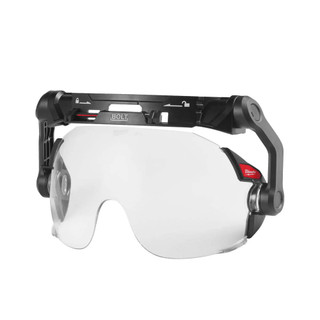
A proper helmet-mounted visor saves you from juggling specs and face protection when cutting, grinding or clearing debris. It also sits far better than loose eye protection when you're constantly on and off the tools.
2. Ear Defenders
If you're around breakers, saws or heavy plant, mounted hearing protection means one less thing slipping off or getting left in the van. It is the simple fix for lads who always seem to misplace their ear defenders.
3. Head Torches
A helmet light is a no-brainer for lofts, risers and shutdown work. It saves you trying to hold a torch in your teeth or balancing a separate light where it never points where you're looking.
4. Chin Straps and Replacement Suspensions
These are worth having if your work is high movement, at height or just hard on kit. A fresh suspension and secure strap can rescue a good shell and get the fit back right without replacing the whole lid too soon.
Choose the Right Milwaukee Hard Hat for the Job
Use this quick guide to sort the right shell and setup for your work.
| Your Job | Category or Type | Key Features |
|---|---|---|
| General site work and first fix | Milwaukee BOLT 100 hard hat | Standard head protection, adjustable fit, BOLT accessory compatibility for everyday site use. |
| Working at height or frequent climbing | Milwaukee BOLT 200 hard hat | More secure helmet-style fit, chin strap setup, better suited to movement and access work. |
| Hot weather outdoor jobs | Vented Milwaukee hard hat | Improved airflow, less heat build-up, easier to wear through long shifts. |
| Electrical or site-specific unvented requirement | Unvented Milwaukee safety helmet | Closed shell design for jobs or site rules where vents are not suitable. |
| Dark service spaces and plant rooms | BOLT helmet with torch compatibility | Accessory mounts for head torches, cleaner setup and better visibility on awkward access jobs. |
Common Buying and Usage Mistakes
- Buying on colour first is a common mistake. A Milwaukee black hard hat might suit the look you want, but site compliance, venting rules and the right model matter far more.
- Choosing a basic hard hat for climbing or high-movement work can leave you constantly readjusting it. If you're up ladders, on scaffold or working at height, go for the more secure helmet-style option.
- Ignoring accessory needs at the start usually ends in a bodged setup. If you need lights, visors or hearing protection, buy the right BOLT-compatible shell from day one.
- Using a damaged shell or tired suspension too long is false economy. Once the fit goes sloppy or the shell has taken a proper knock, inspect it properly and replace what needs replacing.
- Not checking vented versus unvented before ordering can hold up the job. Always match the hard hat to the site rules and risk assessment rather than guessing from the product photo.
BOLT 100 vs BOLT 200 vs Standard Hard Hats
Milwaukee BOLT 100
This is the sensible pick for everyday site work where you want dependable protection and BOLT compatibility without overcomplicating it. It suits general construction, first fix and maintenance jobs well.
Milwaukee BOLT 200
The BOLT 200 is the better choice for climbing, access work and high-movement jobs where a more secure helmet fit matters. If you are regularly looking down, up or working at height, this is the one to look at first.
Standard Non System Hard Hats
A basic hard hat does the job for simple site compliance, but it falls short once you need proper integrated accessories. If you are mounting lights, hearing protection or visors, a BOLT setup is the cleaner long-term option.
Maintenance and Care
Wipe Down After Dirty Work
Dust, plaster and site grime soon build up round the harness and vents. A quick clean after use keeps the fit adjustment working properly and stops dirt transferring straight back onto your head.
Inspect the Shell Properly
Check for cracks, deep scuffs, heat damage or anything that looks more than cosmetic. If the shell has taken a proper hit, do not just carry on because it still looks mostly fine from a distance.
Watch the Suspension and Sweatband
The shell gets all the attention, but the inside fit system is what keeps the helmet sitting right. If the ratchet slips, the straps stretch or the sweatband is done, replace the worn parts before the lid becomes a nuisance.
Store It Out of Heat and Sun
Do not leave it baking on the dashboard or rolling round the back of the van for weeks. Excess heat and constant UV will shorten the life of any hard hat faster than most lads realise.
Replace Accessories That Get Loose
If mounted visors, lights or defenders stop clipping on securely, sort it straight away. Loose accessories are not just annoying, they are exactly how gear gets knocked off and lost halfway through a job.
Why Shop for Milwaukee Hard Hats at ITS?
Whether you need a Milwaukee hard hat for general site work, a Milwaukee BOLT hard hat for accessory compatibility or the right Milwaukee head protection setup for climbing and access jobs, we stock the full range. That includes shell types, colours and the add-ons trades actually use, all in our own warehouse and ready for next day delivery. You can also shop Milwaukee Hard Hat Accessories, browse Milwaukee BOLT Hard Hats, add Milwaukee BOLT Head Torches, look through Milwaukee BOLT Hard Hat Accessories or compare with Sealey Hard Hats.
Milwaukee Hard Hat FAQs
Are Milwaukee Bolt hard hats vented?
Some are, some are not. Milwaukee BOLT hard hats are available in vented and unvented versions, so check the exact model before you order. If you work long shifts outdoors, vented is usually easier to wear, but always follow site rules and task requirements first.
What is the difference between Milwaukee Bolt 100 and Bolt 200?
The short version is job type and fit. The Milwaukee BOLT 100 hard hat is aimed at standard site head protection, while the BOLT 200 is a more secure safety helmet style better suited to climbing, access work and jobs where the helmet needs to stay put through more movement.
Are Milwaukee hard hats CE marked?
Yes, Milwaukee hard hats are made to meet relevant safety standards for the market they are sold into. Still check the product listing and markings for the exact certification, because vented and unvented models or helmet types can differ depending on the application.
Can you attach accessories to a Milwaukee hard hat?
Yes, that is one of the main reasons lads buy into the BOLT system. Compatible Milwaukee hard hat accessories such as visors, hearing protection and lights mount properly to the helmet, which is a lot better than trying to strap separate bits on and hoping they stay put.
Is a Milwaukee black hard hat just for looks, or is it the same protection?
Colour does not make it safer or less safe on its own. What matters is the exact model, certification, venting and fit. Buy the shell that meets site rules and the job first, then choose the colour if you have the option.
Can I use a Milwaukee climbing helmet for normal site work?
Yes, in many cases you can, and plenty of trades do because they prefer the secure fit. The main thing is making sure it meets your site requirements and is not overkill for what you actually do day to day.