Milwaukee Ear Defenders
Milwaukee ear defenders cut site noise properly, whether you're on breakers, grinders or saws, and Milwaukee ear plugs cover lighter jobs without the bulk.
When you're spending all day round screaming kit, skimping on hearing protection is a mugs game. Milwaukee ear defenders are built for real site use, with comfortable headbands, solid seals and options for over-ear or in-ear protection that stay wearable through full shifts. You'll find the right setup for workshop jobs, first fix, demolition and general plant work here, so get your hearing sorted before the ringing starts.
What Are Milwaukee Ear Defenders Used For?
- Working around breakers, SDS hammers and concrete saws, Milwaukee ear defenders help cut the constant high noise that leaves your ears ringing long after knock-off.
- Using chop saws, grinders and mitre saws in workshops or on fit-out jobs, they give you proper hearing protection without stopping you getting on with accurate cutting.
- Running plant, compressors or generators on busy sites, Milwaukee ear plugs and defenders take the edge off background noise that builds up over a full shift.
- Handling demolition, strip-out and refurbishment work, they are a sensible bit of kit when noise levels change all day and you need protection you will actually keep on.
Choosing the Right Milwaukee Ear Defenders
Sorting the right hearing protection is simple: match it to the noise, the shift length and whether you will actually keep it on.
1. Over Ear or In Ear
If you are on loud kit for long periods, over-ear defenders usually make more sense because they are quick to throw on and give a more obvious seal. If you are moving in and out of noisy areas, Milwaukee ear plugs are easier to carry and less awkward with hoods, hard hats and tight spaces.
2. Comfort Matters More Than You Think
If the headband pinches or the plugs never sit right, you will stop wearing them properly by midday. Pick the set you can wear all shift, not just for ten minutes in the yard.
3. Think About the Rest of Your PPE
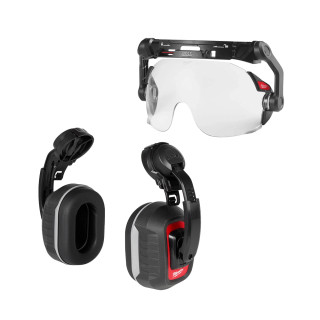
If you are already in safety specs, bump caps or a hooded jacket, check the hearing protection does not fight the rest of your kit. A poor fit round glasses or other PPE can ruin the seal and knock the protection right down.
4. Battery Powered Features or Simple Passive Protection
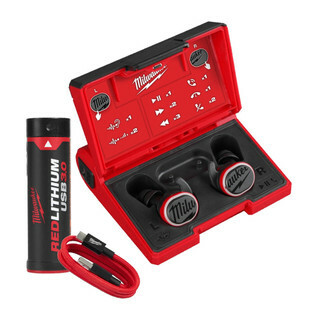
If you want straightforward protection with no charging, stick to passive models. If you need added functionality on longer shifts, have a look at Milwaukee RedLithium USB Ear Defenders and buy for how you actually work, not just what looks clever on paper.
Who Uses These on Site?
- Groundworkers and demo crews rely on Milwaukee ear defenders when they are on breakers, cut-off saws and compact plant for hours at a time.
- Sparkies, plumbers and chippies use them during first fix when drilling, chasing and cutting overhead, especially in enclosed areas where noise bounces straight back at you.
- Workshop fabricators and joiners keep over-ear or in-ear protection close by for saw benches, grinders and repeated cutting jobs that soon wear your hearing down.
- Site managers and maintenance teams often keep Milwaukee ear plugs in the van for quick walk-throughs, snagging and noisy call-outs where full defenders are too much faff.
The Basics: Understanding Ear Defenders
The main job is simple: reduce the amount of damaging noise reaching your ears while still leaving you able to get on safely with the work. Here is the bit that matters when choosing.
1. Over Ear Defenders Seal Around the Ear
These use padded cups to cover the whole ear and block a chunk of outside noise. They are usually the better choice for louder tools and repeated exposure because the fit is quick to check and easy to put right if it shifts.
2. In Ear Defenders Sit in the Ear Canal
These work by sealing inside the ear rather than around it. They are handy when you want less bulk, but only if they fit properly, because a loose plug is barely doing the job.
3. The Real Result on Site
Good hearing protection takes the sting out of grinders, saws and drilling so you can work longer without fatigue and without wrecking your hearing over time. The best set is the one that gives proper protection and stays on from start to finish.
Useful Extras for Milwaukee Ear Defenders
A couple of sensible add-ons make hearing protection easier to live with on site and stop it getting left in the van.
1. Spare In Ear Plugs
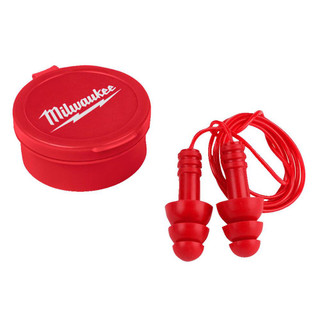
Keep spare Milwaukee ear plugs in the bag or glovebox. You will be glad of them when one gets dropped in slurry, lost in insulation or crushed at the bottom of the organiser.
2. Charging Cable or Power Source
If you are running rechargeable hearing protection, do not get caught with flat kit halfway through a noisy shift. Keeping charging kit handy saves the usual headache of features not working when you need them.
3. Storage Case or Clean Pouch
A simple case stops ear defenders getting buried under screws, dust and lunch wrappers in the van. It also helps keep cushions and plugs cleaner, which matters if you are wearing them day after day.
Choose the Right Milwaukee Ear Defenders for the Job
Use this quick guide to sort the right type for the noise and the way you work.
| Your Job | Category or Type | Key Features |
|---|---|---|
| Breaking concrete and heavy demolition | Over ear defenders | High noise reduction, padded ear cups, easy seal check, better for long exposure |
| General cutting with saws and grinders | In ear defenders or ear plugs | Less bulk, easy to keep in pocket, handy for moving between noisy and quieter areas |
| Workshop and bench work all day | Over ear defenders | Comfort for long wear, quick on and off, reliable fit around repeated machine noise |
| Snagging, call-outs and van based work | Milwaukee ear plugs | Compact, quick to carry, useful when you only need hearing protection on and off through the day |
| Longer shifts with added functionality needs | Rechargeable ear defenders | Suitable when you want powered features, but only if you will keep them charged and ready |
Common Buying and Usage Mistakes
- Buying whatever is cheapest and assuming all hearing protection is the same usually ends with a poor fit, patchy protection and gear that gets binned after a week. Buy for the actual noise and the hours you wear it.
- Wearing over-ear defenders over the arms of bulky glasses without checking the seal is a common one. If the cups are lifted away from your head, the protection drops off fast.
- Choosing in-ear plugs that never sit properly is pointless. If they keep backing out or feel wrong, move to a different style rather than pretending they are doing the job.
- Leaving defenders filthy or crushed in the van shortens their life and makes them unpleasant to wear. Keep them clean and stored properly so they are ready when the noisy work starts.
- Ignoring hearing protection for quick cuts and short drilling jobs soon adds up over months and years. The fix is simple. Keep a pair close by so there is no excuse not to use them.
Over Ear vs In Ear vs Rechargeable Ear Defenders
Over Ear Defenders
These are the straightforward choice for louder site work and long stretches on saws, breakers or grinders. They are bulkier than plugs, but the fit is easier to judge and they are usually the better bet if you want dependable protection without fiddling about.
In Ear Defenders
In-ear options are easier to carry and handier when you are in and out of noisy areas all day. They suit lighter kit and jobs where full cups get in the way, but only if you get a proper seal every time.
Rechargeable Ear Defenders
These make sense if you want powered features and use them often enough to justify keeping them charged. They are not the one to buy if you just need basic grab-and-go protection and cannot be bothered with another thing to plug in at night.
Maintenance and Care
Wipe Them Down After Dusty Jobs
Dust, sweat and site muck soon build up on ear cups and plugs. A quick clean after use keeps them comfortable and stops grime getting worked into the seals.
Check Cushions and Seals
If the pads are split, flattened or pulling away, protection can drop off without you realising. Once the seal is gone, it is time to replace the worn parts or the unit.
Store Them Properly
Do not wedge defenders under heavy tools or leave them cooking on the dash. Keeping them in a clean pouch or case helps stop cracked bands, crushed cups and dirt getting where it should not.
Keep In Ear Options Clean and Dry
Milwaukee ear plugs need to stay clean if you want them comfortable and hygienic. Once they are worn, misshapen or manky, stop trying to get another week out of them and change them.
Charge Powered Models Before the Shift
If you use rechargeable units, top them up before the next job rather than hoping they last. Flat kit is no use when the noisy work starts first thing.
Why Shop for Milwaukee Ear Defenders at ITS?
Whether you need simple Milwaukee ear plugs, full over-ear protection or rechargeable options, we stock the proper range for site use. You can shop the wider Milwaukee Workwear & PPE, look at Milwaukee Over Ear Defenders, compare Milwaukee In Ear Defenders, or check the Milwaukee PPE & WorkWear Offer. It is all held in our own warehouse, in stock and ready for next day delivery.
Milwaukee Ear Defenders FAQs
Why do autistic kids wear ear defenders?
Often it is to reduce sensory overload from loud or unpredictable noise. That is separate from trade hearing protection, but the principle is similar. Ear defenders help by lowering the amount of sound hitting the ear, which can make busy places more manageable.
How do air defenders work?
Assuming you mean ear defenders, they work by creating a barrier that reduces the noise reaching your eardrum. Over-ear models use padded cups to seal around the ear, while plugs seal inside the ear canal. The better the fit, the better they work.
What are the disadvantages of ear defenders?
The main drawbacks are bulk, heat and poor compatibility if you are also wearing glasses or other PPE. In-ear options can be fiddly if they do not fit you properly. None of that is a reason to skip them though. It just means you need the right type for the way you work.
What are the benefits of ear defenders?
The big one is protecting your hearing from permanent damage caused by repeated site noise. They also cut fatigue on long noisy jobs, make work more bearable round plant and cutting gear, and help you finish the day without your ears buzzing.
Are Milwaukee ear defenders any good for all day site use?
Yes, if you pick the right style for the noise and your other PPE. Milwaukee hearing protection is aimed at site users, so comfort, fit and durability are better thought through than the throwaway stuff that ends up abandoned in the van.
Should I buy over-ear defenders or Milwaukee ear plugs?
For louder, longer jobs, over-ear defenders are usually the safer bet because you can tell quickly if they are seated properly. For lighter work or jobs where bulk gets in the way, Milwaukee ear plugs are easier to carry and use, but only if they fit your ears properly.