Milwaukee Gloves
Milwaukee gloves are built for site graft, from first fix and handling block to cold weather work where grip, cut protection and fit all matter.
If your gloves split by break or turn your hands numb on a winter job, buy for the task, not just the size. Milwaukee work gloves are the sort you see on sparks, fixers and groundworkers because the grip lasts, the cuffs sit right and the protection makes sense for real site use. If you need small work gloves that still feel usable, or Milwaukee winter gloves for cold starts, get the pair that matches the job and crack on.
What Are Milwaukee Gloves Used For?
- Handling tray, trunking, clips and cable on first fix, where you need enough feel in your fingers to work fast without shredding your hands on sharp edges.
- Shifting sheet materials, block, timber and metal on site, where a decent palm grip stops loads slipping about when the weather turns wet or cold.
- Working through snagging, maintenance and install jobs, where Milwaukee gloves give you enough dexterity to keep them on instead of pulling them off every five minutes.
- Getting through outdoor winter work, van unloads and early starts, where Milwaukee winter gloves help keep your hands working without going too bulky for normal site tasks.
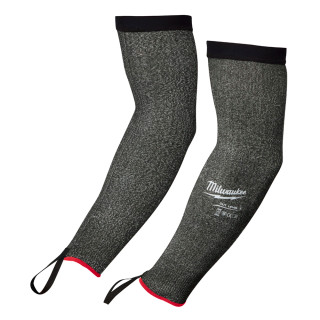
- Covering cut risk around ducting, framing and sharp fixings, especially when paired with Milwaukee Cut Sleeves for extra forearm protection.
Choosing the Right Milwaukee Gloves
Match the glove to the risk and the season. If you cannot grip fixings or feel what you're holding, you've gone wrong.
1. Cut Protection vs Dexterity
If you're handling sharp tray, framing, sheet metal or rough-edged materials, step up to a cut rated pair. If you're doing lighter install, snagging or assembly work, a more flexible glove is usually the better shout because you'll keep it on all day.
2. Winter Gloves vs Standard Site Gloves
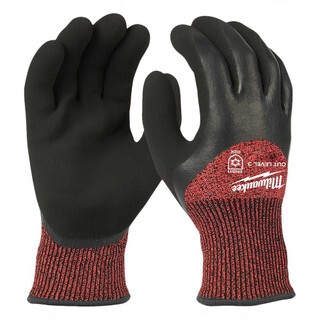
If you're outside on early starts, doing deliveries or working through the cold months, Milwaukee winter gloves are worth it. If you're indoors or moving between tasks all day, insulated gloves can feel too bulky, so a standard pair will keep you quicker.
3. Leather, Synthetic or Rubber
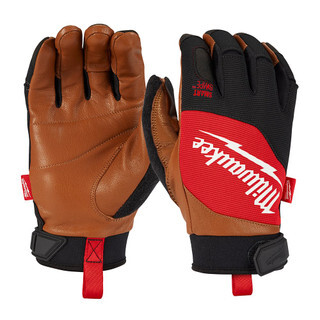
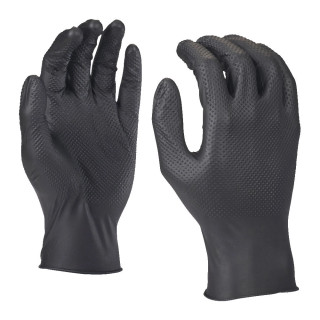
For rough handling and longer wear, look at Milwaukee Leather Gloves. If you need more feel and flexibility for install work, go for Milwaukee Synthetic Work Gloves. For messy jobs, wet handling or disposable barrier use, Milwaukee Rubber & Latex Work Gloves make more sense.
4. Get the Fit Right
Too loose and you lose grip. Too tight and they split early or wear your hands out. If you usually struggle with oversized cuffs or baggy fingertips, check the small work gloves options properly rather than settling for a pair that never feels right.
Who Uses These on Site?
- Sparkies swear by Milwaukee work gloves for cable runs, containment and board work because they still let you feel what you're doing without your hands getting chewed up.
- Dryliners, fixers and ceiling lads use them when lifting metal track, stud and grid, where grip and cut resistance matter more than thick padding.
- Groundworkers and labourers reach for them when shifting materials, unloading plant or tidying up site, especially on wet mornings when bare hands are a bad idea.
- Joiners and fitters keep a pair in the van for handling sheet goods, ironmongery and awkward packs, and small work gloves are worth looking at if standard sizes feel sloppy.
- Maintenance teams and site managers use them for quick jobs, checks and clean-up, often alongside Milwaukee Safety Glasses to keep basic PPE sorted in one hit.
Accessories That Make Milwaukee Gloves Work Harder
A few extras make a big difference when you're dealing with cuts, dust, flying bits or dirty site work.
1. Cut Sleeves
Gloves only cover so much. If you're reaching through tray, ducting or sharp framing, sleeves save your forearms from getting raked up while still letting you work normally.
2. Safety Glasses
There is no point protecting your hands and ignoring your eyes. When you're cutting, grinding or clearing debris, glasses stop a quick job turning into a trip off site.
3. Spare Pairs
Wet gloves are miserable, and once one pair is soaked or torn you're stuck. Keeping a spare set in the van saves you working bare handed for the rest of the shift.
Choose the Right Milwaukee Gloves for the Job
Use this quick guide to sort the right pair before you waste money on the wrong glove.
| Your Job | Glove Type | Key Features |
|---|---|---|
| First fix, cable work and light install | Synthetic work gloves | Closer fit, better finger feel, enough grip for fixings and hand tools |
| Handling sharp tray, stud and sheet material | Cut rated gloves | Added cut protection, reinforced wear points, secure grip on awkward edges |
| Cold weather site work and van unloads | Winter gloves | Insulation, weather resistance, usable grip when hands would otherwise go numb |
| Heavy material handling and rough outdoor graft | Leather gloves | Tough outer, longer wear, better for abrasion and repeated lifting |
| Wet, dirty or single use protection jobs | Rubber and latex gloves | Barrier protection, quick changes, suitable for messy tasks and clean-up |
Common Buying and Usage Mistakes
- Buying the thickest gloves you can find for every job sounds sensible, but it usually kills dexterity and means you keep taking them off. Match the glove to the task so they stay on your hands.
- Ignoring cut rating when handling sharp materials is a bad move. A basic grip glove will not last long against tray, metal edges or framing, so step up when the job calls for it.
- Guessing the size leads to loose fingertips, poor grip and faster wear. If you need small work gloves, buy the correct fit rather than making do with a baggy pair.
- Using winter gloves indoors or for fine install work slows you down. Keep insulated pairs for cold weather and use lighter gloves when you need proper control.
- Running one pair until they are soaked, split or clogged with muck is false economy. Rotate pairs and replace them once grip or protection has clearly gone off.
Synthetic vs Leather vs Winter Gloves
Synthetic Gloves
Best for install work, first fix and jobs where finger feel matters. They are easier to work in for longer spells, but they are not the first choice for heavy abrasion and rough handling every day.
Leather Gloves
Better for repeated lifting, rough materials and outdoor graft where gloves take a beating. They generally last longer under abuse, but they can feel less precise for smaller fixings and finer tasks.
Winter Gloves
The right pick for cold starts, outside work and miserable weather when standard gloves are not enough. The trade-off is bulk, so they suit handling and general site work more than detailed fitting jobs.
Maintenance and Care
Dry Them Properly
If gloves get wet, dry them out fully before the next shift. Stuffing damp pairs in the van just leaves them stiff, smelly and worse to wear the next morning.
Brush Off Site Dirt
Dust, plaster and grit wear palms and seams faster than most lads realise. Knock the muck off after use so the glove keeps its grip and flexibility.
Check Wear Points
Look at fingertips, palms and between the thumb and forefinger first. Once these areas start going, performance drops off quickly and it is time to swap them out.
Keep Spare Pairs Clean
Store spare gloves in a dry box or locker, not loose under fixings and rubbish in the van. Clean spares are a lot more useful than a backup pair covered in old site grime.
Why Shop for Milwaukee Gloves at ITS?
Whether you need Milwaukee gloves for first fix, winter site work, cut protection or small work gloves that fit properly, we stock the full range in one place. From leather and synthetic pairs to rubber and latex options, it is all in our own warehouse and ready for next day delivery across the UK.
Milwaukee Gloves FAQs
Are MILWAUKEE gloves worth it?
Yes, if you buy the right pair for the work. Milwaukee gloves are properly thought through for site use, with decent grip, sensible fit and styles for cut protection, winter work and general handling. They are not magic, but they hold up better than throwaway pairs that split after a few shifts.
Which company makes the best gloves?
There is no single best for every trade and every task. The better question is which glove suits your job. Milwaukee work gloves are a strong choice for site users because the range covers light install, cut rated work, winter use and rough handling without getting overcomplicated.
What are MILWAUKEE Level 2 cut gloves?
They are gloves built to give a higher level of cut protection for jobs involving sharper materials and edges. Think metal stud, cable tray, ducting and sheet goods where a basic glove gets marked up fast. They still aim to keep enough movement in the hand for normal site tasks.
Do Milwaukee gloves come in small sizes that actually fit properly?
Yes, and it matters more than most people think. Small work gloves are worth buying if standard sizes leave extra material in the fingertips or a loose cuff, because a better fit gives you more control and usually makes the glove last longer as well.
Are Milwaukee winter gloves too bulky for normal site jobs?
For fine fiddly work, they can be. For general handling, unloading, outdoor install and cold weather graft, they are a lot more usable than numb hands. The trick is keeping winter gloves for the cold jobs and a lighter pair for detailed work.
How long should Milwaukee work gloves last on site?
That depends entirely on the abuse. Light install work will be easier on them than dragging block, steel and sheet material about all week. If grip is gone, seams are opening or fingertips have worn through, replace them. Gloves are cheaper than damaged hands and lost time.