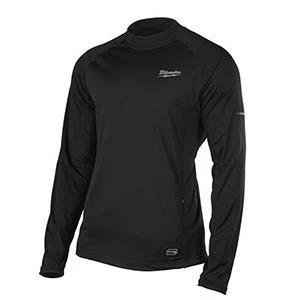
Milwaukee Work Clothes
Milwaukee work clothes are built for long shifts, rough jobs, and weather that never quite plays ball, from first fix and groundworks to snagging and van runs.
If your kit gets dragged through lofts, brushed past blockwork, and worn from first brew to pack-up, decent Milwaukee workwear earns its keep. This range covers Milwaukee work trousers, a Milwaukee work jacket, Milwaukee work shorts, Milwaukee work shirts and Milwaukee branded workwear that stands up to real site use. For base layers, have a look at Milwaukee WORKSKIN Work Clothes, with Milwaukee WORKSKIN Work T-Shirts and Milwaukee WORKSKIN Thermal Clothing (First Layer) worth a look when the temperature shifts. For everyday tops, check Milwaukee Work T-Shirts and Milwaukee Work Polo Shirts & T-shirts and get your Milwaukee work clothes UK order sorted properly.
What Are Milwaukee Work Clothes Used For?
- Working full shifts on site, Milwaukee work clothing gives you tougher everyday kit for crawling under floors, carrying materials, and getting through first fix without lighter clothing giving up halfway through the week.
- Layering up for cold starts, Milwaukee workskin and overshirts help when you are loading the van at dawn, setting out externally, or standing on exposed plots before the rest of site gets moving.
- Keeping comfortable through warmer jobs, Milwaukee work shorts and work shirts are handy for summer fit-outs, garden rooms, roofing work, and long days where heavy trousers just slow you down.
- Handling rough contact with tools and materials, Milwaukee work trousers and jackets suit jobs where pockets, movement, and fabric strength matter more than looking tidy for five minutes in the office.
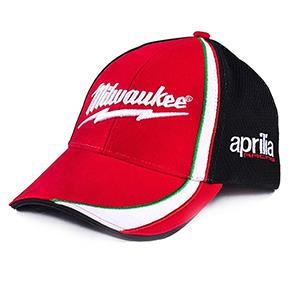
- Sorting branded team kit, Milwaukee branded workwear is often picked for small trade firms and van crews that want one range for daily wear, yard work, call-outs, and customer-facing jobs.
Choosing the Right Milwaukee Work Clothes
Match the clothing to the season, the job, and how hard you are on your kit. That is the bit that saves money.
1. Trousers or Shorts
If you are on rough groundwork, first fix, or anywhere with sharp edges and constant kneeling, stick with Milwaukee work trousers. If you are on internal fit-outs, summer roofing, or hot warehouse jobs, Milwaukee work shorts make the day easier without cooking you by ten in the morning.
2. Base Layer or Standard Top
If you are working through cold starts, outside call-outs, or draughty shells, go for Milwaukee workskin first layers under your normal top. If you just need a hard-wearing everyday option for general site use, standard Milwaukee work shirts and tees are the simpler buy.
3. Jacket Weight
Do not buy the heaviest Milwaukee work jacket going unless you are genuinely outside most of the day. For van-based trades and mixed indoor work, lighter layers are easier to live in and less likely to end up dumped on the passenger seat.
4. Fit for Layering
If you wear hoodies, thermals, or base layers underneath, give yourself room. If you buy Milwaukee work clothing too close, it feels fine in the kitchen at home and then fights you all day once you are bending, reaching, and carrying tools.
Who Uses These on Site?
- Sparkies wear Milwaukee work clothes for first fix, cable runs, loft work, and board changes where you need gear that moves properly and does not snag every time you squeeze into a tight void.
- Chippies and kitchen fitters reach for Milwaukee workwear when they are in and out of the van all day, kneeling, lifting, and working through snagging without flimsy clothing wearing through too quickly.
- Groundworkers, landscapers, and brickies use Milwaukee work trousers, jackets, and shorts for muddy plots, rough materials, and weather that changes three times before lunch.
- Maintenance teams and site managers often keep Milwaukee clothing in rotation because it is practical for walk-rounds, handover checks, quick repairs, and general site time without changing kit between jobs.
The Basics: Understanding Milwaukee Work Clothing Layers
With workwear, the main thing is not the label. It is how each layer helps on the job. Here is the simple way to sort it.
1. Base Layers for Temperature Control
Milwaukee workskin sits close to the body and helps manage sweat and warmth. That matters on cold starts, stop-start outdoor jobs, and days where you are moving between heated rooms and open plots.
2. Mid Layers for Everyday Site Wear
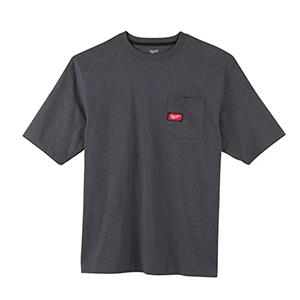
T shirts, polos, and work shirts are the bit you live in for most of the shift. They need to move well, hold up around tools and fixings, and stay comfortable when you are wearing a vest, harness, or jacket over the top.
3. Outer Layers for Weather and Abrasion
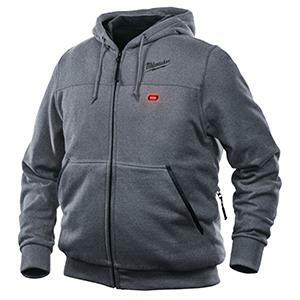
A Milwaukee work jacket or tougher outer layer gives you protection from wind, light rain, and site grime. It is less about fashion and more about not turning up soaked, cold, or covered in dust before the real job even starts.
Choose the Right Milwaukee Work Clothes for the Job
Use this quick guide to match the clothing to the kind of day you have actually got ahead of you.
| Your Job | Category or Type | Key Features |
|---|---|---|
| Cold early starts and exposed outdoor work | WORKSKIN base layers and thermal clothing | Close fit, added warmth, easy layering under normal site gear |
| Daily first fix, fitting, and general site wear | Work trousers and work shirts | Tougher fabric, better movement, practical pockets, all day comfort |
| Hot weather internal jobs and summer site work | Work shorts and T shirts | Lighter wear, cooler through long shifts, less bulk climbing in and out of the van |
| Mixed indoor and outdoor call-outs | Light work jacket with everyday tops | Quick layering, easier to remove, better for changeable weather |
| Customer facing visits with site practicality | Polo shirts and branded workwear | Cleaner look, still built for work, suitable for van crews and service teams |
Common Buying and Usage Mistakes
- Buying Milwaukee work clothes too tight is a common one. It looks fine out the packet, but once you are kneeling, reaching, and layering up, the fit becomes a nuisance. Leave room for actual site movement.
- Using lightweight tops as if they are outerwear soon shows up in wear and tear. If you are brushing against blockwork, timber, or fixings all day, add a proper layer instead of blaming the shirt.
- Wearing heavy trousers and jackets through hot indoor jobs just makes the shift harder than it needs to be. Swap into Milwaukee work shorts or lighter tops when the job and site rules allow it.
- Ignoring the base layer side of Milwaukee workwear means you end up overdressed or freezing by turns. A decent first layer sorts that better than piling on random hoodies.
- Leaving dirty workwear screwed up in the van shortens its life. Dry it, wash it properly, and do not let wet site muck sit in seams and waistbands all week.
Work Trousers vs Work Shorts vs WORKSKIN Layers
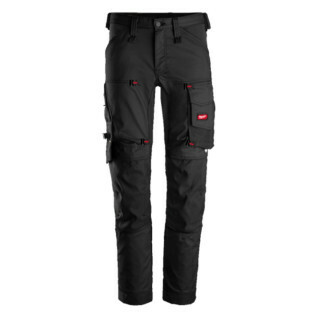
Milwaukee Work Trousers
Best for rougher site use, colder weather, and jobs where kneeling, carrying, and brushing past materials is constant. They give you more protection and usually more usable storage, but they can feel overkill on hot indoor jobs.
Milwaukee Work Shorts
Better for warm weather, interior fit-outs, and lighter duty work where staying cool matters more than lower leg protection. Comfortable all day, but not the right shout if you are on abrasive ground or working around sharp debris.
Milwaukee WORKSKIN Layers
These are not a replacement for normal outer workwear. They are there to manage warmth and sweat under the rest of your kit, which makes a big difference on cold starts, winter call-outs, and stop-start outdoor work.
Work Shirts and Polos
A solid middle ground for everyday wear, van crews, and jobs where you still want site practicality without looking scruffy in front of customers. Good as daily tops, but pair them with the right layers for weather and workload.
Maintenance and Care
Wash the Site Off Properly
Shake out dust, empty pockets, and wash workwear before plaster, mud, and adhesive build-up gets ground into the fabric. Leaving it too long is what makes gear look finished before it really is.
Dry Before It Lives in the Van
If your Milwaukee work jacket or trousers are wet, dry them out first. Damp kit left in a tool bag or van all weekend soon smells rough and can spoil the fabric faster.
Check Stress Points
Keep an eye on knees, pocket edges, cuffs, and seams. That is where site wear shows first. Small repairs early on are worth doing before the damage spreads and the whole thing becomes yard-only gear.
Do Not Overcook Technical Layers
For Milwaukee workskin and thermal layers, follow the wash guidance and avoid hammering them with too much heat. It helps the stretch and moisture handling stay useful rather than going baggy and tired.
Replace When Fit or Protection Has Gone
If the knees are blown, the waistband has given up, or the jacket no longer keeps out the weather, retire it. Hanging on too long just means discomfort and a harder working day.
Why Shop for Milwaukee Work Clothes at ITS?
Whether you need Milwaukee work trousers, a Milwaukee work jacket, Milwaukee work shorts, work shirts, base layers or Milwaukee branded workwear, we stock the full range in one place. It is all held in our own warehouse, ready for fast dispatch and next day delivery, so you can get your Milwaukee work clothes sorted without chasing stock from three different places.
Milwaukee Work Clothes FAQs
Does Milwaukee make workwear?
Yes. Milwaukee makes a proper range of workwear and site clothing, not just tools. That includes Milwaukee work trousers, jackets, shorts, shirts, base layers, and Milwaukee WORKSKIN pieces built for daily trade use.
Is Milwaukee workwear good quality?
Yes, it is solid kit for everyday graft. The better pieces are built for movement, repeated wear, and rough contact with normal site conditions. It is workwear, not miracle cloth, but for regular trade use it stands up well if you buy the right item for the job.
Where can I buy Milwaukee work clothes in the UK?
You can buy Milwaukee work clothes UK wide from ITS.co.uk. We stock Milwaukee workwear in our own warehouse, so you are not waiting around on vague supplier lead times when you need kit for the next shift.
Does Milwaukee work clothing run small?
Some Milwaukee work clothing can feel neater fitting than old loose site gear, especially if you are planning to layer up underneath. If you are between sizes or wear thermals and hoodies under jackets and tops, it is usually worth checking sizing carefully before ordering.
Is Milwaukee WORKSKIN the same thing as normal Milwaukee work clothes?
No. Milwaukee WORKSKIN is more about base layers and temperature control. Normal Milwaukee work clothes cover your day to day tops, trousers, shorts, and outerwear. WORKSKIN works best underneath, not as your only layer on rough jobs.
Are Milwaukee work shorts actually suitable for site use?
Yes, for the right jobs. They are a good shout for hot indoor work, summer fit-outs, landscaping, and general van-based trade work. Just make sure shorts are allowed on your site and remember they are no substitute for trouser protection on rougher ground.