



Milwaukee Work Hats Milwaukee Work Hats

Milwaukee Work Hats

A Milwaukee hat keeps sun, sweat and site muck off your face, whether you need a breathable Milwaukee cap for summer or warmer headwear for cold starts.

If you're outside on first fix, loading out the van, or walking snag lists in bad weather, a decent Milwaukee hat soon earns its place. These are the bits you grab without thinking because they stay put, wear well and make long shifts easier. You can shop Milwaukee Caps for warmer days or Milwaukee Beanies when the temperature drops. Pick the style that suits the season and the job, then get sorted.

What Jobs Are Milwaukee Hats Best At?

  • Working outside on roofing, groundwork or steel erection, a Milwaukee cap helps keep glare out your eyes so you can see your lines, fixings and levels properly.
  • Loading materials, unloading the van and moving between yard and site, these hats give you simple everyday cover without getting in the way of ear defenders or general site graft.
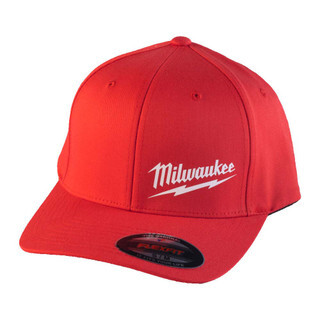
  • Doing long summer shifts on extensions, fit-outs or landscaping jobs, a breathable Milwaukee baseball cap helps manage heat and sweat better than going bare headed all day.
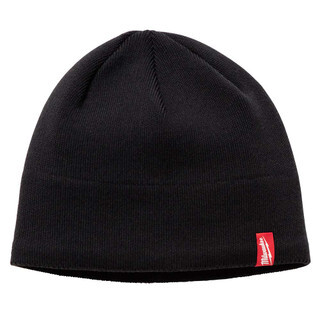
  • Starting early on cold site mornings, Milwaukee hats like beanies keep your head warm when you're setting out, opening up or waiting on deliveries before the day gets moving.

Choosing the Right Milwaukee Hat

Match it to the weather and the job. A hat that works in July is not always the right bit of kit for a freezing scaffold start in January.

1. Cap or Beanie

If you are mostly working through spring and summer, go for a Milwaukee cap or Milwaukee baseball cap for shade and airflow. If you are outside on winter mornings, a beanie makes more sense because it keeps heat in and takes the edge off cold starts.

2. Site Work or Everyday Wear

If it is mainly for active graft, look for lighter hats with sweat control and a secure fit that will not annoy you halfway through the day. If it is more for van runs, yard work and general wear, comfort and shape will matter just as much as site performance.

3. Visibility and Colour

If you are on busier sites, around moving plant or working near traffic routes, it is worth checking whether a high visibility Milwaukee hat suits the job better. For general use, standard colours are fine, but do not overlook visibility if the site rules are stricter.

Who Uses These on Site?

  • Sparkies wear a Milwaukee hat on outside first fix and roof runs where sun in your eyes makes marking out and cable work harder than it needs to be.
  • Groundworkers and landscapers reach for Milwaukee caps on open jobs because they are out in the weather all day, shifting materials, levelling up and working with no shelter.
  • Site managers and supervisors keep one in the van for walk-rounds, deliveries and snagging, especially when they want straightforward headwear that looks tidy and does the job.
  • Chippies, fitters and general builders use them for everyday site wear because they are easy to throw on, stay comfortable through a long shift and do not need babysitting.

Milwaukee Clothing Extras That Make Sense on Site

A hat does one job, but the right workwear around it saves you getting caught out when the weather turns or the shift drags on.

1. Milwaukee Work Polo Shirts & T-shirts

Pair your hat with Milwaukee Work Polo Shirts & T-shirts if you are out in the heat. It is the obvious fix when you want lighter kit that breathes properly instead of ending up soaked through by midday.

2. Milwaukee Hoodies, Fleeces & Sweatshirts

Keep Milwaukee Hoodies, Fleeces & Sweatshirts close for cold starts and exposed jobs. You will be glad of the extra layer when a cap alone is nowhere near enough on early mornings or windy sites.

3. Milwaukee Trousers

A hat is only part of your day-to-day gear, so proper Milwaukee Trousers are worth adding if your current pair is worn out or not up to site abuse. It saves the usual faff of mismatched kit that is fine in the yard but useless on the tools.

Choose the Right Milwaukee Hat for the Job

Use this quick guide to sort the right headwear for the shift ahead.

Your Job Hat Type Key Features
Summer outside work on extensions, roofing or landscaping Milwaukee cap Breathable build, curved peak, secure fit and sweat control for long hot shifts
Cold morning starts on site or in the yard Milwaukee beanie Close fit, added warmth and easy wear under general site gear
General van work, deliveries and supervisor walk-rounds Milwaukee baseball cap Simple everyday wear, tidy look and practical cover without fuss
Busier sites where visibility matters High visibility work hat Brighter colour options for better visibility around plant and moving traffic

Common Buying and Usage Mistakes

  • Buying purely on looks and ignoring the season usually ends with a cap that is too hot in summer or not warm enough in winter. Match the hat to the weather and how long you are actually outside.
  • Assuming any hat will do on site can be a mistake if you are working around traffic routes or plant. Check whether a high visibility option is the smarter call for the site rules and working area.
  • Wearing the same dirty hat for weeks on end shortens its life and makes it unpleasant fast. Clean it regularly and let it dry properly instead of leaving it damp in the van.
  • Using a cap where you really need warmer headwear just means cold ears and a miserable start. If you are on exposed early jobs, keep a beanie in the van and swap when needed.

Milwaukee Cap vs Beanie vs High Visibility Hat

Milwaukee Cap

Best for brighter days, general site work and van use. A Milwaukee cap gives you shade and helps with sweat, but it will not keep you warm on cold exposed starts.

Milwaukee Beanie

This is the better choice for winter graft, early mornings and outdoor work when the temperature drops. It keeps heat in well, but you lose the peak and airflow you get from a cap.

High Visibility Hat

Worth considering for busier sites, roadside work or jobs around moving plant where being seen matters more. It is the practical pick when standard colours are not enough for the site conditions.

Maintenance and Care

Brush Off Dust and Debris

Knock off plaster dust, sawdust and general site muck after use. Leaving dirt ground into the fabric soon makes any hat look rough and wear faster.

Wash Before It Gets Rank

If your Milwaukee hat is full of sweat and dust, give it a proper clean following the care label. Do not leave it festering in the van for weeks, especially through summer.

Dry It Properly

Let it air dry after washing or after a wet day on site. Stuffing a damp hat in a kit bag is the quickest way to end up with bad smells and tired fabric.

Store It Flat or Hung Up

Caps keep their shape better if they are not crushed under tools and chargers in the van. A bit of care here stops bent peaks and misshapen crowns.

Why Shop for Milwaukee Hats at ITS?

Whether you need a Milwaukee cap for summer site work or warmer headwear for winter mornings, we stock the full Milwaukee hats range in one place. That means the styles, fits and workwear options trades actually buy, all held in our own warehouse and ready for next day delivery.

Milwaukee Hat FAQs

Are Milwaukee beanies fleece-lined for winter work?

Some are, some are not, so check the product spec rather than guessing from the pictures. If you are buying for proper cold weather starts, look for fleece-lined Milwaukee beanies or thicker knit options instead of a lighter everyday hat.

Do Milwaukee caps feature moisture-wicking technology for summer?

Some Milwaukee caps do include moisture-wicking sweatbands or linings, and they are worth having if you are outside all day. They will not stop you sweating, but they do make hot site work far more comfortable than a basic cap with no sweat control.

Is there a high-visibility version of the Milwaukee work hat?

Yes, there are high visibility Milwaukee hat options in some ranges, which make more sense for roadside work, busy yards and sites with tighter visibility requirements. Always check the site rules first because bright headwear does not replace proper hi vis clothing where that is mandatory.

Will a Milwaukee cap hold up to daily site use?

Yes, for normal trade wear they hold up well. They are built for regular use around vans, yards and site work, but like any fabric kit they will wear quicker if you leave them filthy, soaked or crushed under heavy gear every day.

Are Milwaukee hats just for branding, or are they actually practical?

They are practical bits of workwear if you pick the right type. A Milwaukee baseball cap gives you shade and helps manage sweat, while a beanie is the better shout for cold weather and exposed jobs.

Can I wear these with the rest of my Milwaukee workwear?

Yes, that is how most trades use them. They sit nicely alongside site clothing without any fuss, whether you are pairing them with tees in summer or heavier layers when the weather turns.
Read more

Milwaukee Work Hats

A Milwaukee hat keeps sun, sweat and site muck off your face, whether you need a breathable Milwaukee cap for summer or warmer headwear for cold starts.

If you're outside on first fix, loading out the van, or walking snag lists in bad weather, a decent Milwaukee hat soon earns its place. These are the bits you grab without thinking because they stay put, wear well and make long shifts easier. You can shop Milwaukee Caps for warmer days or Milwaukee Beanies when the temperature drops. Pick the style that suits the season and the job, then get sorted.

What Jobs Are Milwaukee Hats Best At?

  • Working outside on roofing, groundwork or steel erection, a Milwaukee cap helps keep glare out your eyes so you can see your lines, fixings and levels properly.
  • Loading materials, unloading the van and moving between yard and site, these hats give you simple everyday cover without getting in the way of ear defenders or general site graft.
  • Doing long summer shifts on extensions, fit-outs or landscaping jobs, a breathable Milwaukee baseball cap helps manage heat and sweat better than going bare headed all day.
  • Starting early on cold site mornings, Milwaukee hats like beanies keep your head warm when you're setting out, opening up or waiting on deliveries before the day gets moving.

Choosing the Right Milwaukee Hat

Match it to the weather and the job. A hat that works in July is not always the right bit of kit for a freezing scaffold start in January.

1. Cap or Beanie

If you are mostly working through spring and summer, go for a Milwaukee cap or Milwaukee baseball cap for shade and airflow. If you are outside on winter mornings, a beanie makes more sense because it keeps heat in and takes the edge off cold starts.

2. Site Work or Everyday Wear

If it is mainly for active graft, look for lighter hats with sweat control and a secure fit that will not annoy you halfway through the day. If it is more for van runs, yard work and general wear, comfort and shape will matter just as much as site performance.

3. Visibility and Colour

If you are on busier sites, around moving plant or working near traffic routes, it is worth checking whether a high visibility Milwaukee hat suits the job better. For general use, standard colours are fine, but do not overlook visibility if the site rules are stricter.

Who Uses These on Site?

  • Sparkies wear a Milwaukee hat on outside first fix and roof runs where sun in your eyes makes marking out and cable work harder than it needs to be.
  • Groundworkers and landscapers reach for Milwaukee caps on open jobs because they are out in the weather all day, shifting materials, levelling up and working with no shelter.
  • Site managers and supervisors keep one in the van for walk-rounds, deliveries and snagging, especially when they want straightforward headwear that looks tidy and does the job.
  • Chippies, fitters and general builders use them for everyday site wear because they are easy to throw on, stay comfortable through a long shift and do not need babysitting.

Milwaukee Clothing Extras That Make Sense on Site

A hat does one job, but the right workwear around it saves you getting caught out when the weather turns or the shift drags on.

1. Milwaukee Work Polo Shirts & T-shirts

Pair your hat with Milwaukee Work Polo Shirts & T-shirts if you are out in the heat. It is the obvious fix when you want lighter kit that breathes properly instead of ending up soaked through by midday.

2. Milwaukee Hoodies, Fleeces & Sweatshirts

Keep Milwaukee Hoodies, Fleeces & Sweatshirts close for cold starts and exposed jobs. You will be glad of the extra layer when a cap alone is nowhere near enough on early mornings or windy sites.

3. Milwaukee Trousers

A hat is only part of your day-to-day gear, so proper Milwaukee Trousers are worth adding if your current pair is worn out or not up to site abuse. It saves the usual faff of mismatched kit that is fine in the yard but useless on the tools.

Choose the Right Milwaukee Hat for the Job

Use this quick guide to sort the right headwear for the shift ahead.

Your Job Hat Type Key Features
Summer outside work on extensions, roofing or landscaping Milwaukee cap Breathable build, curved peak, secure fit and sweat control for long hot shifts
Cold morning starts on site or in the yard Milwaukee beanie Close fit, added warmth and easy wear under general site gear
General van work, deliveries and supervisor walk-rounds Milwaukee baseball cap Simple everyday wear, tidy look and practical cover without fuss
Busier sites where visibility matters High visibility work hat Brighter colour options for better visibility around plant and moving traffic

Common Buying and Usage Mistakes

  • Buying purely on looks and ignoring the season usually ends with a cap that is too hot in summer or not warm enough in winter. Match the hat to the weather and how long you are actually outside.
  • Assuming any hat will do on site can be a mistake if you are working around traffic routes or plant. Check whether a high visibility option is the smarter call for the site rules and working area.
  • Wearing the same dirty hat for weeks on end shortens its life and makes it unpleasant fast. Clean it regularly and let it dry properly instead of leaving it damp in the van.
  • Using a cap where you really need warmer headwear just means cold ears and a miserable start. If you are on exposed early jobs, keep a beanie in the van and swap when needed.

Milwaukee Cap vs Beanie vs High Visibility Hat

Milwaukee Cap

Best for brighter days, general site work and van use. A Milwaukee cap gives you shade and helps with sweat, but it will not keep you warm on cold exposed starts.

Milwaukee Beanie

This is the better choice for winter graft, early mornings and outdoor work when the temperature drops. It keeps heat in well, but you lose the peak and airflow you get from a cap.

High Visibility Hat

Worth considering for busier sites, roadside work or jobs around moving plant where being seen matters more. It is the practical pick when standard colours are not enough for the site conditions.

Maintenance and Care

Brush Off Dust and Debris

Knock off plaster dust, sawdust and general site muck after use. Leaving dirt ground into the fabric soon makes any hat look rough and wear faster.

Wash Before It Gets Rank

If your Milwaukee hat is full of sweat and dust, give it a proper clean following the care label. Do not leave it festering in the van for weeks, especially through summer.

Dry It Properly

Let it air dry after washing or after a wet day on site. Stuffing a damp hat in a kit bag is the quickest way to end up with bad smells and tired fabric.

Store It Flat or Hung Up

Caps keep their shape better if they are not crushed under tools and chargers in the van. A bit of care here stops bent peaks and misshapen crowns.

Why Shop for Milwaukee Hats at ITS?

Whether you need a Milwaukee cap for summer site work or warmer headwear for winter mornings, we stock the full Milwaukee hats range in one place. That means the styles, fits and workwear options trades actually buy, all held in our own warehouse and ready for next day delivery.

Milwaukee Hat FAQs

Are Milwaukee beanies fleece-lined for winter work?

Some are, some are not, so check the product spec rather than guessing from the pictures. If you are buying for proper cold weather starts, look for fleece-lined Milwaukee beanies or thicker knit options instead of a lighter everyday hat.

Do Milwaukee caps feature moisture-wicking technology for summer?

Some Milwaukee caps do include moisture-wicking sweatbands or linings, and they are worth having if you are outside all day. They will not stop you sweating, but they do make hot site work far more comfortable than a basic cap with no sweat control.

Is there a high-visibility version of the Milwaukee work hat?

Yes, there are high visibility Milwaukee hat options in some ranges, which make more sense for roadside work, busy yards and sites with tighter visibility requirements. Always check the site rules first because bright headwear does not replace proper hi vis clothing where that is mandatory.

Will a Milwaukee cap hold up to daily site use?

Yes, for normal trade wear they hold up well. They are built for regular use around vans, yards and site work, but like any fabric kit they will wear quicker if you leave them filthy, soaked or crushed under heavy gear every day.

Are Milwaukee hats just for branding, or are they actually practical?

They are practical bits of workwear if you pick the right type. A Milwaukee baseball cap gives you shade and helps manage sweat, while a beanie is the better shout for cold weather and exposed jobs.

Can I wear these with the rest of my Milwaukee workwear?

Yes, that is how most trades use them. They sit nicely alongside site clothing without any fuss, whether you are pairing them with tees in summer or heavier layers when the weather turns.

ITS Click and Collect Icon
What3Words:
Get Directions
Store Opening Hours
Opening times