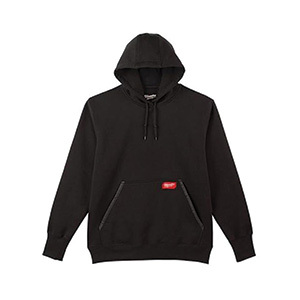
Milwaukee Hoodies, Fleeces & Sweatshirts
Milwaukee hoodies are built for cold starts, snaggy jobs, and long site days when a basic layer is not enough but a full coat gets in the way.
If you're in and out of plots, up on first fix, or loading out in the yard before sunrise, a proper Milwaukee Work Hoodies range makes sense. These Milwaukee hoodie, Milwaukee jumper and Milwaukee fleece options are made for trades who need warmth without bulky sleeves getting caught, with work-ready fits, tough fabrics and pockets that earn their keep. If you're building a full kit, pair them with Milwaukee Work Clothes and get sorted for site.
What Jobs Are Milwaukee Hoodies Best At?
- Working through cold morning set-ups, a Milwaukee hoodie gives you enough warmth for opening site, unloading gear and getting started before the temperature lifts.
- Moving between inside and outside jobs, Milwaukee fleeces and sweatshirts are handy when a jacket is too much but a tee leaves you freezing on doorways, scaffolds and exposed plots.
- Handling first fix, snagging and general install work, a Milwaukee jumper keeps arms covered without the stiff bulk that gets in the way when reaching into voids or overhead runs.
- Running van stock, yard jobs and weekend clean-downs, these Milwaukee hoodies are the sort of layer you keep near the cab because they work on site and off it without looking scruffy.
Choosing the Right Milwaukee Hoodie
Sorting the right one is simple: match the layer to the job and the weather, not just the logo.
1. Hoodie vs Fleece vs Sweatshirt
If you are mainly outside or working through cold starts, go for a Milwaukee hoodie with a hood and pouch pocket. If you are layering under a jacket or moving around indoors, a Milwaukee fleece or sweatshirt usually feels less bulky and easier to work in.
2. Fit for Layering
If it needs to sit over a tee and under a shell, do not buy it skin tight. A work fit wants enough room through the shoulders and arms for reaching, driving and lifting, without loads of loose fabric catching on corners.
3. Pocket Layout Matters
If you are always carrying a phone, marker, gloves or small hand tools, check the pockets properly. A warm top is one thing, but decent pockets save a lot of back-and-forth to the van on snagging and quick service jobs.
4. Think About the Season
For autumn, spring and indoor site work, a standard sweatshirt or lighter Milwaukee jumper is usually enough. For winter mornings, exposed jobs and unheated shells, go heavier so you are not doubling up with extra layers by ten oclock.
Who Uses These on Site?
- Sparkies wear a Milwaukee hoodie on first fix and second fix when they need a warm layer that still lets them move easily through lofts, risers and half-finished rooms.
- Chippies and dryliners go for Milwaukee jumpers and fleeces on colder indoor jobs because they keep the chill off without sleeves bunching up when cutting, fixing and lifting boards.
- Groundworkers, roofers and landscapers use them for early starts and exposed jobs where a coat can feel clumsy but a proper work hoodie still takes the edge off the wind.
- Site managers, fitters and van teams keep one handy for walk-rounds, deliveries and handover days, especially when they want work kit that looks tidy enough to stay on after site.
Milwaukee Workwear Extras That Make the Layer Work Harder
A good hoodie does more when the rest of your kit is set up properly for weather, movement and site routine.
1. Milwaukee Work Hats
Add a Milwaukee Work Hats option for cold starts and windy plots. It saves that awkward gap where the hoodie is up but your ears are still taking the full blast.
2. Milwaukee Trousers
Pair your top half with Milwaukee Trousers if you want a proper site kit, not a mismatch. Good work trousers take the kneeling, crawling and pocket load so your hoodie is not doing every job at once.
3. Milwaukee Work Polo Shirts & T-shirts
Layer over Milwaukee Work Polo Shirts & T-shirts so you can strip a layer off once the day warms up without ending up in a worn old base top. It is the easiest way to stay comfortable across inside and outside work.
Choose the Right Milwaukee Hoodie for the Job
Use this quick guide to sort the right layer for the shift.
| Your Job | Category or Type | Key Features |
|---|---|---|
| Cold site starts and outside first jobs | Milwaukee hoodie | Hood coverage, warmer fabric, easy throw-on layer for yard work and exposed plots |
| Indoor fitting and active install work | Milwaukee sweatshirt | Less bulk round the neck, cleaner fit under jackets, easier movement in tight spaces |
| Layering under a shell on changeable days | Milwaukee fleece | Light warmth, flexible fit, works well between base layer and waterproof |
| Van runs, snagging and all-day general use | Milwaukee jumper | Tidy work look, simple pull-on comfort, enough warmth without feeling overdone |
Common Buying and Usage Mistakes
- Buying a lightweight top for winter site work is the usual error. It might be fine in the merchants, but on an exposed plot you will end up layering badly and still feeling cold, so match the fabric weight to the season.
- Choosing too tight a fit causes grief when you start reaching, lifting and wearing layers underneath. Leave enough room through the shoulders and chest so it works on site, not just standing still.
- Using one hoodie for every job wears it out fast. Keep cleaner sweatshirts for lighter indoor work and save heavier hoodies for rougher site jobs where snagging and dirt are part of the day.
- Ignoring pocket layout sounds minor until you are constantly looking for gloves, phone or markers. If you rely on carrying bits with you, buy the style with pockets that actually help.
Hoodies vs Fleeces vs Sweatshirts
Milwaukee Hoodie
Best for cold starts, outside work and jobs where a hood earns its keep. Heavier and warmer than a basic sweatshirt, but can feel bulkier under another jacket.
Milwaukee Fleece
The sensible middle layer when you need warmth without loads of bulk. Good under waterproofs and shells, though not always the one you want for rough snagging or dirty graft.
Milwaukee Sweatshirt
A straightforward work layer for indoor trades, van use and milder weather. Cleaner round the neck and easier under jackets, but it will not give the same weather cover as a hooded top.
Maintenance and Care
Shake Out Dust Early
Do not leave plaster, MDF dust and site muck sat in the fibres for weeks. A quick shake and regular wash keeps the fabric breathing properly and stops it getting stiff and grimy.
Check Cuffs and Elbows
These are the first spots to show hard wear from leaning, kneeling and carrying sheets or packs. If stitching starts going, sort it early before the sleeve ends up torn wide open.
Do Not Overload Pockets
Phones, fixings and hand tools are fine if the pocket is built for it, but stuffing too much weight in every day pulls the shape out and wears the seams faster.
Dry Properly Before Storage
If it gets rained on or sweaty on shift, hang it up first. Leaving it bundled in the van or bottom of a bag is the quickest way to end up with damp smells and tired fabric.
Why Shop for Milwaukee Hoodies at ITS?
Whether you need a Milwaukee hoodie for winter site starts, a Milwaukee jumper for general graft, or a Milwaukee fleece for layering, we stock the full range in one place. Sizes, styles and workwear essentials are all in our own warehouse, in stock and ready for next day delivery.
Milwaukee Hoodie FAQs
Are Milwaukee work hoodies made from heavy-duty; snag-resistant material?
Yes, they are built as workwear rather than thin fashion tops. They hold up well to everyday site use, van seats, sheet goods and general rubbing about, though like any fabric layer they will not enjoy being dragged across sharp blockwork or open fixings all day.
Do Milwaukee fleeces have reinforced pockets for tool storage?
Some do include stronger pocket areas and workwear-friendly layouts, but you should still treat them as clothing pockets, not a substitute for a pouch or trouser pocket. Fine for phone, gloves and small site bits, not for loading up with heavy tools.
Are Milwaukee sweatshirts true to size for a professional fit?
In general, yes. They are usually cut for work use, so you get decent movement without looking baggy. If you always layer over base tops or want extra room through the shoulders, going up a size can make more sense than forcing a tight fit.
Will a Milwaukee hoodie be warm enough on its own for winter site work?
For cold mornings and normal outside site use, yes, it will do a decent job. For full winter exposure, wind and standing around on open jobs, you will still want it as part of a layering system rather than expecting it to replace a proper outer shell.
Do these Milwaukee hoodies get in the way under a jacket?
Not usually, as long as you pick the right type. Fleeces and sweatshirts sit better under shells, while heavier hoodies can feel bulky if your jacket is already a close fit. If you layer a lot, check the cut before you buy.
Are Milwaukee hoodies just for site, or can you wear them day to day as well?
They work fine for both. That is part of the appeal. They are practical enough for site starts, van runs and workshop jobs, but tidy enough to keep on when you stop for supplies or head home after shift.