Milwaukee Screwdrivers Milwaukee Screwdrivers

Milwaukee Screwdrivers

A Milwaukee screwdriver set earns its keep on first fix, second fix and snagging, with tips that bite properly and handles that stand up to daily site abuse.

When you're forever tightening plates, dressing accessories or freeing off stubborn fixings, a decent Milwaukee screwdriver saves rounding heads and skinning knuckles. These Milwaukee screwdrivers are built for proper hand pressure, with insulated options for electrical work, stubby drivers for tight cupboards, and sets that cover the sizes you actually reach for. If you need trade-ready drivers that live in the bag and get used every day, start here.

What Are Milwaukee Screwdrivers Used For?

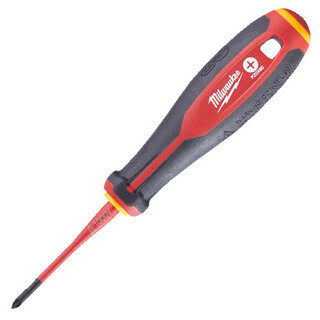
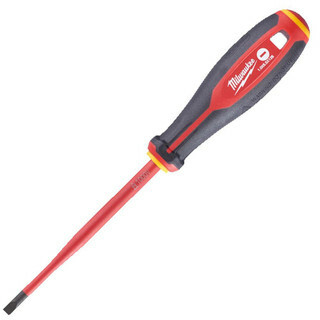
  • Fitting sockets, switches and consumer unit components, where a Milwaukee VDE screwdriver set gives sparkies insulated protection and proper control on repetitive fixings.
  • Tightening hinges, brackets, ironmongery and cabinet fixings on second fix jobs, where tip fit matters if you want to avoid chewing up screw heads.
  • Working inside cupboards, behind boilers and in service voids, where a Milwaukee stubby screwdriver gets into awkward spots a full-length driver will not reach.
  • Snagging doors, access panels and general fittings at handover, where keeping a few Milwaukee screwdrivers on the van saves dragging out the power tools for quick adjustments.
  • Leaning on stubborn screws in plant rooms, meter boxes and old refurbs, where solid shafts and usable handle grip help you put real torque through the fixing.

Choosing the Right Milwaukee Screwdriver

Match the driver to the fixing and the space. That is the bit that saves stripped heads, wasted time and a second trip back to the van.

1. Single Driver or Full Set

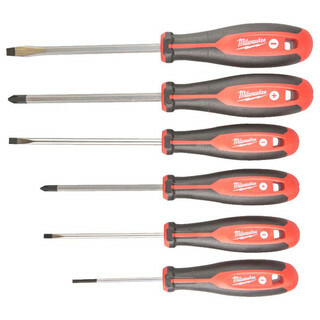
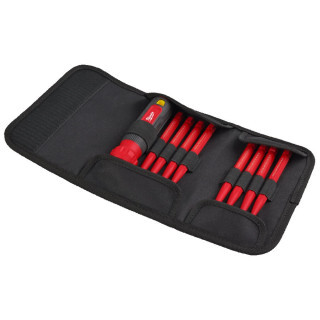
If you keep losing the same sizes, buy singles and top the bag back up. If you are setting up from scratch or want one grab-and-go pouch, a Milwaukee screwdriver set makes more sense and keeps your common sizes together.

2. VDE or Standard

If you are doing electrical install or maintenance work, do not mess about, get a Milwaukee VDE screwdriver set. For joinery, general fixing and maintenance where insulation is not the requirement, standard drivers will usually give you more choice across tip types.

3. Full Length or Stubby

If you are working in deep boxes or need reach past pipework and cables, go full length. If most of your headaches come from tight units, panels and corners, add a Milwaukee stubby screwdriver because it gets into places a standard handle will not.

4. Pick the Right Tip Pattern

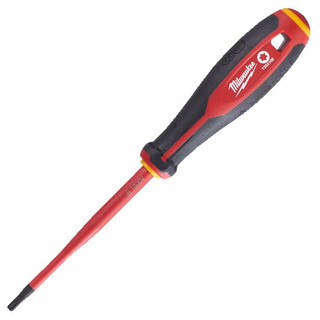
Do not force the wrong tip into the screw and hope for the best. Phillips, Pozi and Torx all need the correct driver if you want proper bite, less cam-out and fewer damaged fixings on finished work.

Who Uses These on Site?

  • Sparkies swear by a Milwaukee insulated screwdriver set for board work, accessories and testing jobs where controlled hand tightening matters more than speed.
  • Kitchen fitters and chippies use a Milwaukee screwdriver on hinges, carcasses and final adjustments, especially when a drill would be too clumsy or too aggressive.
  • Plumbers keep stubby and standard drivers in the bag for boiler panels, controls, valves and clips, particularly in cramped cupboards and service risers.
  • Maintenance teams reach for a Milwaukee screwdriver set for everyday callouts, because it covers mixed fixings across plant rooms, schools, offices and housing stock.
  • Site managers and snagging teams use them for quick fixes on locks, plates and covers, the sort of jobs where you need hand tools now, not a full kit haul.

Useful Extras to Back Up Your Milwaukee Screwdrivers

A few smart additions make hand fastening quicker and stop small jobs turning into a faff.

1. Tool Pouches and Storage

Loose drivers rolling round the van is how you lose the exact size you need. A proper pouch or organiser keeps your Milwaukee screwdriver set together and easy to grab for snagging and callout work.

2. Nut Drivers

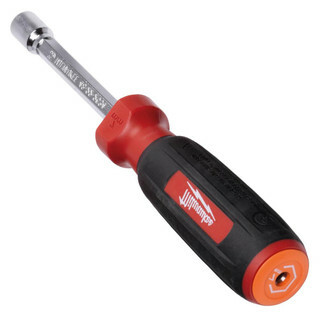
When the job swaps from screw heads to hex fixings, a nut driver saves chewing fasteners with the wrong tool. Have a look at Milwaukee Nut Driver options if you are forever on control gear, clamps and brackets.

3. Spare Tip Type Coverage

Do not get caught short with a bag full of slotted and Phillips when the fixings on site are Torx or Pozi. Adding dedicated drivers for the heads you actually see stops slipping and damaged screws.

Choose the Right Milwaukee Screwdriver for the Job

Use this quick guide to sort the right driver for the fixing and working space.

Your Job Milwaukee Screwdriver Type Key Features
Electrical install and board work Milwaukee VDE screwdriver set Insulated shafts, common terminal sizes, safer controlled fastening
General first fix and second fix Standard Milwaukee screwdriver set Mixed tip types, daily use sizes, better value than buying singles
Tight cupboards and access panels Milwaukee stubby screwdriver Short overall length, better wrist clearance, easier in confined spots
Joinery and ironmongery with Pozi screws PoziDriv drivers Correct Pozi fit, less cam-out, cleaner finishing work
Modern fixings in plant and kit assembly Torx screwdrivers Strong tip engagement, good torque transfer, reduced head damage

Common Buying and Usage Mistakes

  • Buying one mixed screwdriver set without checking the fixings you actually use means you still end up short on the drivers you need most. Check whether your work is mainly Phillips, Pozi, Torx or VDE before you buy.
  • Using Phillips on Pozi screws and hoping it will do is a fast way to round heads and waste time. Match the tip properly and the screw will bite first time with less effort.
  • Ignoring stubby drivers for confined work usually ends with awkward wrist angles and half-turns in cramped spaces. Keep a short driver in the bag for boiler cupboards, panels and tight units.
  • Using standard drivers for electrical tasks where insulated tools are required is a poor call. If the job calls for insulated hand tools, use a Milwaukee insulated screwdriver set and do it properly.
  • Treating screwdrivers like pry bars or chisels will wreck tips and handles long before they should fail. Use them for fastening, keep the tips clean, and replace worn drivers before they damage finished fixings.

VDE vs Standard vs Stubby Screwdrivers

VDE Screwdrivers

Best for sparkies and maintenance electricians working on or around electrical gear. They give insulated protection and controlled fastening, but they are not the first choice if you just want a broad mixed set for general carpentry or site maintenance.

Standard Screwdrivers

These are the everyday choice for joinery, ironmongery, panels and general fixing work. You get the widest spread of tip types and sizes, but they are not a substitute for insulated tools on electrical jobs.

Stubby Screwdrivers

Built for confined access where a normal driver fouls on pipework, carcasses or covers. They are brilliant in tight spaces, but you lose reach and some leverage compared with a full-length driver.

Sets vs Singles

Sets are the sensible buy if you need full coverage or are kitting out a fresh bag. Singles are better when you know exactly which sizes get hammered on your jobs and need replacing more often.

Maintenance and Care

Keep Tips Clean

Wipe off paint, filler, adhesive and site grime after use. A clean tip seats properly in the screw and is less likely to slip under load.

Check for Tip Wear

If the edges are rounded or polished off, replace the driver. A worn Milwaukee screwdriver will start camming out and damaging fixings, especially on finished second fix work.

Store Sets Together

Keep your Milwaukee screwdriver set in its case, rack or pouch rather than loose in the van. It stops lost drivers, damaged handles and wasted time hunting for the right size.

Look After Insulated Drivers

On VDE tools, inspect the insulation for cuts, burns or splits before use. If the insulated coating is damaged, retire it from electrical work straight away.

Use the Right Tool for the Job

Do not use screwdrivers for levering covers, punching holes or scraping joints. That sort of abuse shortens tool life and usually leaves you with bent shafts or chipped tips.

Why Shop for Milwaukee Screwdrivers at ITS?

Whether you need a single Milwaukee screwdriver, a full Milwaukee screwdriver set, VDE options, stubby drivers or tip-specific patterns, we stock the range trades actually use. That includes Milwaukee Screwdriver Sets, Milwaukee Torx Screwdrivers, Milwaukee Phillips Screwdrivers and Milwaukee PoziDriv Screwdrivers, all held in our own warehouse and ready for next day delivery.

Milwaukee Screwdriver FAQs

Are the tips on Milwaukee screwdrivers magnetised?

Some are, some are not, so it is worth checking the individual product spec rather than assuming. Magnetised tips are handy for starting screws one-handed in awkward spots, but if that matters on your job, make sure the listing confirms it.

Do Milwaukee screwdrivers have a bolster for use with a wrench for extra torque?

Selected Milwaukee screwdrivers do feature a bolster, but not every driver in the range does. If you regularly deal with seized fixings or stubborn screws, look for a model with a hex bolster so you can get extra purchase with a spanner when needed.

Are these screwdrivers designed for high-torque manual fastening?

Yes, many Milwaukee screwdrivers are built for proper hand-applied torque, with handles and shafts made for daily trade use. They are meant for firm manual fastening, but you still need the correct tip and size if you want that torque to go into the screw rather than slipping out.

Is a Milwaukee insulated screwdriver set worth it if I only do occasional electrical work?

If electrical work is part of your job, even only some of the time, it is worth having the proper insulated set ready. It keeps you compliant, keeps the right tools in the bag, and stops you reaching for a standard driver when you should not.

Do Milwaukee stubby screwdrivers actually get used, or do they just sit in the box?

They get used more than most lads expect. The minute you are behind a boiler, inside a cupboard or up against a panel edge, the stubby earns its place because a full-length driver simply will not swing.

Will these hold up to daily site use, or are they more for light van jobs?

They are built for daily trade use and stand up well to regular fastening, snagging and maintenance work. They are tough, but they are still screwdrivers, not pry bars, so look after the tips and they will last properly.
Read more

Milwaukee Screwdrivers

A Milwaukee screwdriver set earns its keep on first fix, second fix and snagging, with tips that bite properly and handles that stand up to daily site abuse.

When you're forever tightening plates, dressing accessories or freeing off stubborn fixings, a decent Milwaukee screwdriver saves rounding heads and skinning knuckles. These Milwaukee screwdrivers are built for proper hand pressure, with insulated options for electrical work, stubby drivers for tight cupboards, and sets that cover the sizes you actually reach for. If you need trade-ready drivers that live in the bag and get used every day, start here.

What Are Milwaukee Screwdrivers Used For?

  • Fitting sockets, switches and consumer unit components, where a Milwaukee VDE screwdriver set gives sparkies insulated protection and proper control on repetitive fixings.
  • Tightening hinges, brackets, ironmongery and cabinet fixings on second fix jobs, where tip fit matters if you want to avoid chewing up screw heads.
  • Working inside cupboards, behind boilers and in service voids, where a Milwaukee stubby screwdriver gets into awkward spots a full-length driver will not reach.
  • Snagging doors, access panels and general fittings at handover, where keeping a few Milwaukee screwdrivers on the van saves dragging out the power tools for quick adjustments.
  • Leaning on stubborn screws in plant rooms, meter boxes and old refurbs, where solid shafts and usable handle grip help you put real torque through the fixing.

Choosing the Right Milwaukee Screwdriver

Match the driver to the fixing and the space. That is the bit that saves stripped heads, wasted time and a second trip back to the van.

1. Single Driver or Full Set

If you keep losing the same sizes, buy singles and top the bag back up. If you are setting up from scratch or want one grab-and-go pouch, a Milwaukee screwdriver set makes more sense and keeps your common sizes together.

2. VDE or Standard

If you are doing electrical install or maintenance work, do not mess about, get a Milwaukee VDE screwdriver set. For joinery, general fixing and maintenance where insulation is not the requirement, standard drivers will usually give you more choice across tip types.

3. Full Length or Stubby

If you are working in deep boxes or need reach past pipework and cables, go full length. If most of your headaches come from tight units, panels and corners, add a Milwaukee stubby screwdriver because it gets into places a standard handle will not.

4. Pick the Right Tip Pattern

Do not force the wrong tip into the screw and hope for the best. Phillips, Pozi and Torx all need the correct driver if you want proper bite, less cam-out and fewer damaged fixings on finished work.

Who Uses These on Site?

  • Sparkies swear by a Milwaukee insulated screwdriver set for board work, accessories and testing jobs where controlled hand tightening matters more than speed.
  • Kitchen fitters and chippies use a Milwaukee screwdriver on hinges, carcasses and final adjustments, especially when a drill would be too clumsy or too aggressive.
  • Plumbers keep stubby and standard drivers in the bag for boiler panels, controls, valves and clips, particularly in cramped cupboards and service risers.
  • Maintenance teams reach for a Milwaukee screwdriver set for everyday callouts, because it covers mixed fixings across plant rooms, schools, offices and housing stock.
  • Site managers and snagging teams use them for quick fixes on locks, plates and covers, the sort of jobs where you need hand tools now, not a full kit haul.

Useful Extras to Back Up Your Milwaukee Screwdrivers

A few smart additions make hand fastening quicker and stop small jobs turning into a faff.

1. Tool Pouches and Storage

Loose drivers rolling round the van is how you lose the exact size you need. A proper pouch or organiser keeps your Milwaukee screwdriver set together and easy to grab for snagging and callout work.

2. Nut Drivers

When the job swaps from screw heads to hex fixings, a nut driver saves chewing fasteners with the wrong tool. Have a look at Milwaukee Nut Driver options if you are forever on control gear, clamps and brackets.

3. Spare Tip Type Coverage

Do not get caught short with a bag full of slotted and Phillips when the fixings on site are Torx or Pozi. Adding dedicated drivers for the heads you actually see stops slipping and damaged screws.

Choose the Right Milwaukee Screwdriver for the Job

Use this quick guide to sort the right driver for the fixing and working space.

Your Job Milwaukee Screwdriver Type Key Features
Electrical install and board work Milwaukee VDE screwdriver set Insulated shafts, common terminal sizes, safer controlled fastening
General first fix and second fix Standard Milwaukee screwdriver set Mixed tip types, daily use sizes, better value than buying singles
Tight cupboards and access panels Milwaukee stubby screwdriver Short overall length, better wrist clearance, easier in confined spots
Joinery and ironmongery with Pozi screws PoziDriv drivers Correct Pozi fit, less cam-out, cleaner finishing work
Modern fixings in plant and kit assembly Torx screwdrivers Strong tip engagement, good torque transfer, reduced head damage

Common Buying and Usage Mistakes

  • Buying one mixed screwdriver set without checking the fixings you actually use means you still end up short on the drivers you need most. Check whether your work is mainly Phillips, Pozi, Torx or VDE before you buy.
  • Using Phillips on Pozi screws and hoping it will do is a fast way to round heads and waste time. Match the tip properly and the screw will bite first time with less effort.
  • Ignoring stubby drivers for confined work usually ends with awkward wrist angles and half-turns in cramped spaces. Keep a short driver in the bag for boiler cupboards, panels and tight units.
  • Using standard drivers for electrical tasks where insulated tools are required is a poor call. If the job calls for insulated hand tools, use a Milwaukee insulated screwdriver set and do it properly.
  • Treating screwdrivers like pry bars or chisels will wreck tips and handles long before they should fail. Use them for fastening, keep the tips clean, and replace worn drivers before they damage finished fixings.

VDE vs Standard vs Stubby Screwdrivers

VDE Screwdrivers

Best for sparkies and maintenance electricians working on or around electrical gear. They give insulated protection and controlled fastening, but they are not the first choice if you just want a broad mixed set for general carpentry or site maintenance.

Standard Screwdrivers

These are the everyday choice for joinery, ironmongery, panels and general fixing work. You get the widest spread of tip types and sizes, but they are not a substitute for insulated tools on electrical jobs.

Stubby Screwdrivers

Built for confined access where a normal driver fouls on pipework, carcasses or covers. They are brilliant in tight spaces, but you lose reach and some leverage compared with a full-length driver.

Sets vs Singles

Sets are the sensible buy if you need full coverage or are kitting out a fresh bag. Singles are better when you know exactly which sizes get hammered on your jobs and need replacing more often.

Maintenance and Care

Keep Tips Clean

Wipe off paint, filler, adhesive and site grime after use. A clean tip seats properly in the screw and is less likely to slip under load.

Check for Tip Wear

If the edges are rounded or polished off, replace the driver. A worn Milwaukee screwdriver will start camming out and damaging fixings, especially on finished second fix work.

Store Sets Together

Keep your Milwaukee screwdriver set in its case, rack or pouch rather than loose in the van. It stops lost drivers, damaged handles and wasted time hunting for the right size.

Look After Insulated Drivers

On VDE tools, inspect the insulation for cuts, burns or splits before use. If the insulated coating is damaged, retire it from electrical work straight away.

Use the Right Tool for the Job

Do not use screwdrivers for levering covers, punching holes or scraping joints. That sort of abuse shortens tool life and usually leaves you with bent shafts or chipped tips.

Why Shop for Milwaukee Screwdrivers at ITS?

Whether you need a single Milwaukee screwdriver, a full Milwaukee screwdriver set, VDE options, stubby drivers or tip-specific patterns, we stock the range trades actually use. That includes Milwaukee Screwdriver Sets, Milwaukee Torx Screwdrivers, Milwaukee Phillips Screwdrivers and Milwaukee PoziDriv Screwdrivers, all held in our own warehouse and ready for next day delivery.

Milwaukee Screwdriver FAQs

Are the tips on Milwaukee screwdrivers magnetised?

Some are, some are not, so it is worth checking the individual product spec rather than assuming. Magnetised tips are handy for starting screws one-handed in awkward spots, but if that matters on your job, make sure the listing confirms it.

Do Milwaukee screwdrivers have a bolster for use with a wrench for extra torque?

Selected Milwaukee screwdrivers do feature a bolster, but not every driver in the range does. If you regularly deal with seized fixings or stubborn screws, look for a model with a hex bolster so you can get extra purchase with a spanner when needed.

Are these screwdrivers designed for high-torque manual fastening?

Yes, many Milwaukee screwdrivers are built for proper hand-applied torque, with handles and shafts made for daily trade use. They are meant for firm manual fastening, but you still need the correct tip and size if you want that torque to go into the screw rather than slipping out.

Is a Milwaukee insulated screwdriver set worth it if I only do occasional electrical work?

If electrical work is part of your job, even only some of the time, it is worth having the proper insulated set ready. It keeps you compliant, keeps the right tools in the bag, and stops you reaching for a standard driver when you should not.

Do Milwaukee stubby screwdrivers actually get used, or do they just sit in the box?

They get used more than most lads expect. The minute you are behind a boiler, inside a cupboard or up against a panel edge, the stubby earns its place because a full-length driver simply will not swing.

Will these hold up to daily site use, or are they more for light van jobs?

They are built for daily trade use and stand up well to regular fastening, snagging and maintenance work. They are tough, but they are still screwdrivers, not pry bars, so look after the tips and they will last properly.
ITS Click and Collect Icon
What3Words:
Get Directions
Store Opening Hours
Opening times