




Nails Pins and Stables by Compatibility
Nailer nails and staples only work properly when the fit is right for the gun, angle, gauge and job. Get that wrong and you'll jam up fast.
If you're trying to match fixings to a specific gun, this is the sensible place to start. These nailer nails and staples are grouped by compatibility, so you can sort proper compatible nail gun nails, pins and staples without guessing. Handy when you're topping up for second fix, first fix or upholstery work and you need feed strips that actually load, fire and hold.
What Are Nailer Nails and Staples Used For?
- Fixing skirting, architrave and trim on second fix jobs is where brad nails and pins earn their keep, giving you a neat hold without splitting finer mouldings.
- Building stud walls, roofing carcasses and timber framing calls for longer compatible nail gun nails that feed cleanly and bite properly into structural timber.
- Fitting sheet materials, breather membranes, insulation layers and light timber trims is a straightforward job for nail gun staples and pins when speed matters more than hand nailing.
- Working through snagging, kitchen fitting and joinery punch lists is quicker when you've got the right nailer fixings by compatibility instead of wasting time clearing jams.
- Loading out the van for mixed jobs is easier when you can match nails by nail gun brand, so each gun gets the fixings it was built to fire.
Choosing the Right Nailer Nails and Staples
Sorting the right fixings is simple: match them to the gun first, then the timber, then the finish you need.
1. Match the Gun Exactly
If your gun takes a specific gauge, angle or collation, stick to it. Do not assume a strip that looks close enough will run properly. That is how you end up with misfires, bent drivers and half the morning spent clearing jams.
2. Pick the Right Gauge for the Finish
If you are fixing delicate trim, lighter 18g or 23g pins are usually the better shout. If you need more holding power for heavier mouldings or second fix timber, step up to 16g or proper finishing nails so the job stays put.
3. Length Matters More Than People Think
If the fixing is too short, it will not hold. Too long, and you risk blowing through the back or marking finished faces. For trim and sheet work, aim for enough penetration into the base material without punching out where the client will see it.
4. Buy for the Job Mix You Actually Do
If you bounce between first fix and second fix, keep separate stock for each gun rather than trying to make one type cover everything. A few boxes of the right strips is cheaper than downtime, damaged work and fixings that never should have gone in that tool.
Who Uses These on Site?
- Chippies and second fix joiners use nail gun staples and pins for skirting, architrave, trims and bead, where a clean finish matters and filler wants to stay minimal.
- House bashers and framers reach for compatible nail gun nails on studwork, noggins, battens and carcassing because hand driving that volume is just wasted time.
- Shopfitters and kitchen fitters keep a range of brad nails and pins close by for panels, scribes and finishing details where the wrong gauge can mark the face or blow out the edge.
- Roofers and general builders use staples for membranes, felt and lighter fixing jobs where coverage is broad and the gun needs to keep feeding without fuss.
- Maintenance teams and fit-out crews usually stock fixings by gun type in the van, so when one of the Nail Guns comes out, the right strip goes straight in.
The Basics: Understanding Nailer Nails and Staples
The important bit is not just the nail itself. It is how the fixing is collated, angled and sized to suit the magazine and driver in your gun. Here is the practical version.
1. Gauge Tells You the Thickness
Lower gauge nails are thicker and generally give more holding power. Higher gauge pins are finer and leave a smaller hole. That is why 16g suits heavier trim, 18g is common for second fix, and 23g is for very fine detail work.
2. Angle Tells You What Magazine They Fit
The angle number on compatible nail gun nails is about the strip format your gun is built around. Get the angle wrong and the strip may not sit right, feed right or fire right, even if the nail length looks correct.
3. Collation Affects Feed and Site Use
Paper collated, plastic collated and glued strips all behave a bit differently in use. What matters on site is reliable feeding, less mess in the magazine and a fixing your gun is rated to handle without chewing the strip up.
Useful Extras to Keep Your Nailer Running
A few sensible extras save a lot of messing about once the gun is out and the work has started.
1. Mixed Boxes of Fixings
If you do varied second fix or fit-out work, keeping a spread of lengths stops you bodging one size into every job. It means you can swap from thin quadrant to heavier architrave without heading back to the van.
2. Gun-Specific Staples and Pins
Do not just stock nails if your kit also fires staples or pins. Having the correct Staples ready saves the usual hold-up when a membrane, back panel or light trim job turns up halfway through the day.
3. Spare No-Mar Tips
These are worth having for second fix work. Once the original tip goes missing or gets chewed up, you are one slip away from denting painted trim, oak mouldings or finished face work.
4. Cleaning Oil and Maintenance Kits
A gun that is full of dust and dry residue will start misfeeding even with the right nails loaded. Basic maintenance bits keep the magazine cleaner and help the driver keep cycling as it should.
Choose the Right Nailer Nails and Staples for the Job
Use the job and the gun type to narrow it down quickly.
| Your Job | Nailer Nails and Staples Type | Key Features |
|---|---|---|
| Fixing skirting and architrave | 16g or 18g finish and brad nails | Good hold in second fix timber, cleaner finish, less risk of visible damage than larger first fix nails. |
| Fine trim, beads and delicate mouldings | 23g nail gun pins | Tiny head, very small hole, best where appearance matters and the fixing is not doing all the holding on its own. |
| Studwork and carcassing | Framing Nails | Longer lengths, stronger hold, built for structural timber and high-volume first fix work. |
| General second fix top-ups | Finishing Nails | Useful for trims, facings and mouldings where you need a decent hold without going to a full framing fixing. |
| Membranes, insulation and light sheet fixing | Nail gun staples | Fast coverage, broad hold, ideal where a narrow nail head would pull through or take longer to place. |
Common Buying and Usage Mistakes
- Buying by length alone is the classic mistake. The gauge, angle and collation matter just as much, otherwise the strip may not feed in your gun at all.
- Assuming nails are interchangeable between brands catches plenty of people out. Some guns are far fussier than others, so always check the stated compatibility before loading up.
- Using fine pins where the timber needs real holding strength leads to loose trim and call-backs. Match the fixing to the weight of the material, not just the finish you want.
- Running damaged or damp strips through the magazine is asking for jams. Keep boxes dry, keep collated strips intact, and bin any that are bent or breaking up.
- Forcing the wrong staples or nails because they are all you have left usually costs more than a new box. You lose time, risk marking the work, and can wear the driver or magazine unnecessarily.
Brad Nails vs Finish Nails vs Pins
Brad Nails
A solid all-rounder for second fix. Brad nails are a good pick for lighter trim, beading and general joinery where you want a tidy finish but still need more grip than a pin offers.
Finish Nails
Finish nails step up the holding power for skirting, architrave and heavier mouldings. If the material has a bit of weight to it, this is usually the safer bet over lighter brads.
Pins
Pins are for finer finishing work where you want the smallest possible mark left behind. They are tidy, but they are not the fixing to rely on for heavier sections that need proper pull-out resistance.
Staples
Staples are better when you need broader clamping force across sheet, fabric, membrane or thinner materials. They are not a swap for brads or finish nails, but for the right gun and task they are much quicker.
Maintenance and Care
Keep Fixings Dry
Store nailer nails and staples somewhere dry in the van or workshop. Damp strips can corrode, swell, or break their collation, which is where feeding problems start.
Protect the Collation
Do not chuck loose strips in the bottom of a toolbox. Once the strip cracks or bends, it is more likely to jam the gun or fire inconsistently.
Clean the Magazine Regularly
Dust, resin and snapped bits of collation build up fast in a busy nailer. A quick clean-out keeps the follower moving properly and helps good fixings feed as they should.
Bin Damaged Strips
If a strip is bent, cracked or partly fired, do not try to use the rest just to save a few quid. One jam in the middle of a finish job costs more in time and grief than replacing the strip.
Match Old Stock Before the Job
Before you head out, check leftover boxes against the gun you are taking. It stops you turning up with the wrong angle, wrong gauge or the wrong type entirely.
Why Shop for Nailer Nails and Staples at ITS?
Whether you need brads, pins, staples or first fix strips sorted by gun type, we stock the full spread of Nail Gun Nails & Accessories for real site use. That means every common gauge, length and compatible format in one place, all held in our own warehouse and ready for next day delivery.
Nailer Nails and Staples FAQs
How do I match nails to my nail gun?
Check four things on the gun or manual. Gauge, length range, angle and collation type. That is what decides whether the strip will fit and feed properly. If one of those is off, even by a bit, you can end up with jams or misfires.
What do the angle numbers on nail gun nails mean?
The angle tells you the format of the nail strip and the type of magazine it is meant to sit in. It is not just a rough guide. If your gun takes one angle and you load another, the strip may not seat or feed correctly.
What's the difference between 16g; 18g and 23g nails?
16g nails are thicker and better for heavier second fix timber like bigger architraves and skirting. 18g brads are a common all-round choice for lighter trim. 23g pins are very fine and leave the smallest mark, but they do not give the same hold as a thicker fixing.
Are nails interchangeable between brands?
Sometimes, but do not count on it. Some guns will happily run equivalent fixings, while others are picky about strip shape, angle or collation. The safe way is to buy nails by nail gun brand or confirmed compatibility rather than guessing from size alone.
Which nails are best for skirting boards and architrave?
For most skirting and architrave jobs, 16g or 18g finish fixings are the usual choice depending on the weight of the moulding and the material behind it. If the trim is chunky or the wall is uneven, go for the stronger hold. If it is finer painted trim, a lighter brad can leave less making good.
Do staples do the same job as brad nails and pins?
No. Staples spread the hold across two legs, so they suit membranes, sheet material, fabric and lighter fixing work. Brad nails and pins are the better option for trim and joinery where a narrow, neater fixing is needed.
-
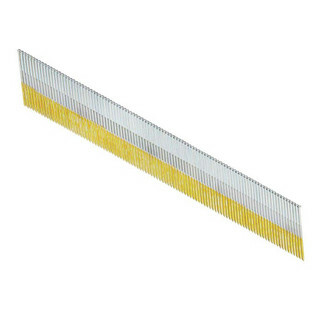
Brad Nails 15G Angled 34 Degree
-
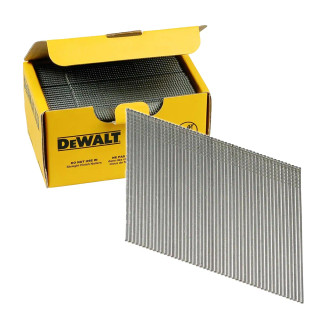
Brad Nails 16G Angled 20 Degree
-
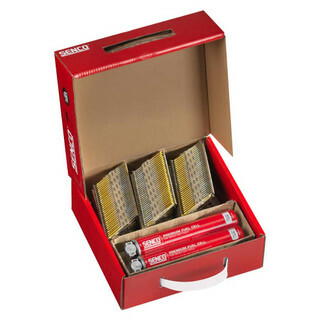
Brad Nails 16G Straight
-
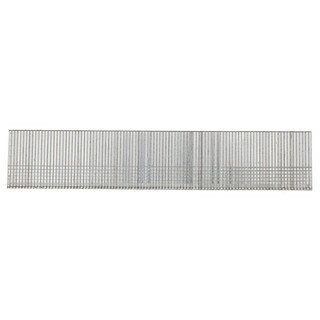
Brad Nails 18G Straight
-
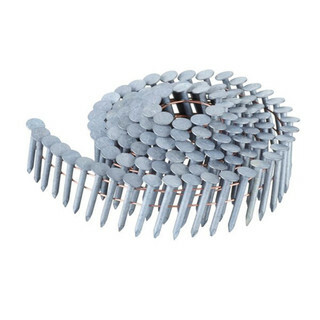
Coil Nails Angled 15 Degree
-

Coil Nails Straight
-
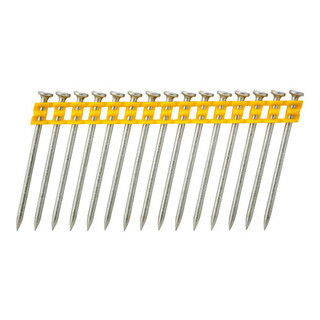
DCN890 Nails 15 Degree
-
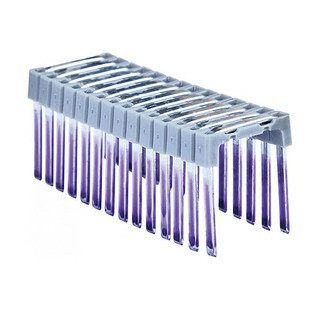
Dewalt Cable Staples
-
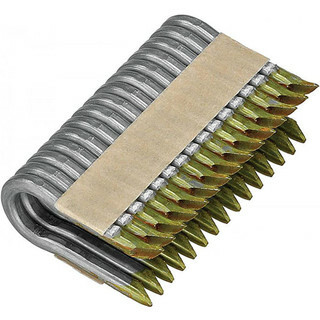
Dewalt Fencing Staples
-
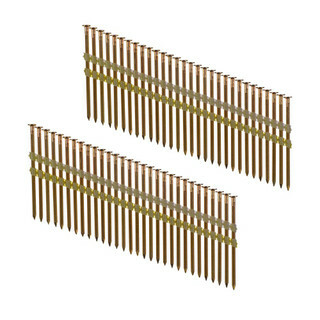
Framing Nails Angled 20 Degree
-
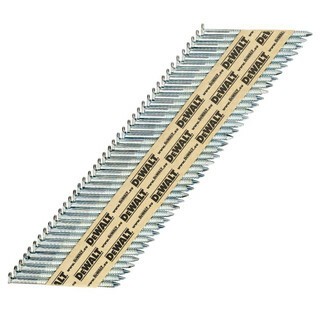
Framing Nails Angled 34 Degree
-
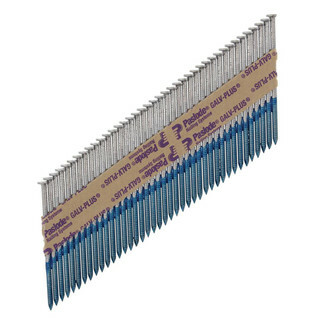
Framing Nails Angled 34 Degree Roundrive
-
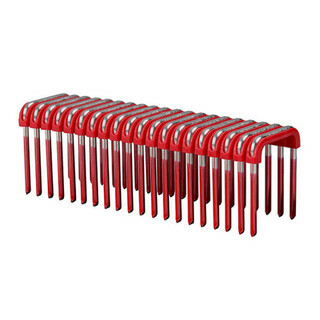
Milwaukee Cable Staples
-
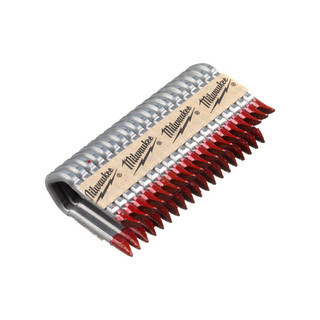
Milwaukee Fencing Staples
-
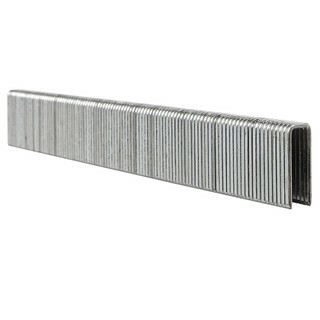
Narrow Crown Staples 18G
-

Pins 23G Straight
-

Spit Pulsa Pins



