Festool 18V Festool 18V

Festool 18V

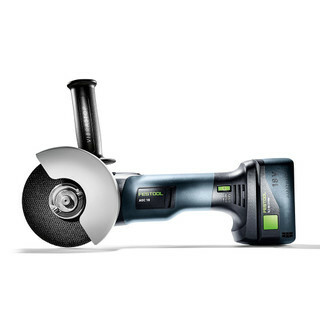
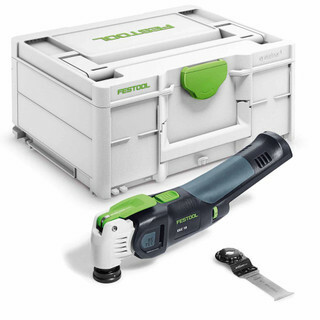
Festool 18V tools are for clean, accurate site work where you can't afford rework, from first-fix cutting to snagging and punch-list jobs.

When you're bouncing between rooms, up ladders, and in and out the van, cordless only makes sense if it's consistent all day. The Festool 18V range is built around controlled cutting, tidy dust management, and proper fit and finish, so your saws, drills, sanders and lights work like a system instead of a pile of separate tools. Pick the bodies you need, stay on one battery platform, and build a kit that earns its space on every job.

What Jobs Are Festool 18V Tools Used For?

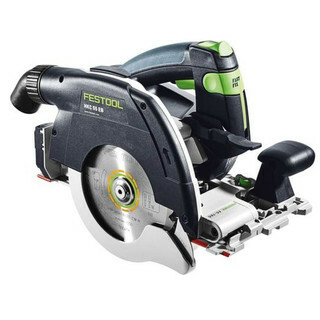
  • Cutting and fitting kitchens, doors, and trim where you need straight, repeatable results without dragging leads through a finished house.
  • First-fix and second-fix drilling and driving where control matters, so fixings go in clean without chewing heads or splitting timber.
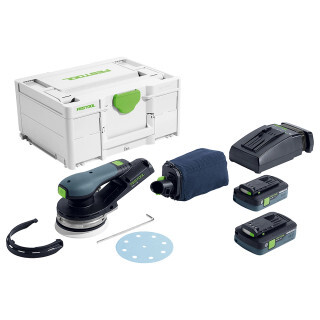
  • Sanding and surface prep on refurbs and joinery work when you want a tidy finish and less dust hanging in the air around other trades.
  • On-the-move snagging and maintenance work where you're in tight spaces and awkward corners and you need cordless kit that behaves predictably.
  • Working in occupied buildings where noise, mess, and downtime cause grief, so quick, clean cordless tools keep the job moving.

Choosing the Right Festool 18V Kit

Sort the right Festool 18V setup by matching the tool to the work rate, then buy batteries to suit your longest day, not your quickest job.

1. Body only or kit

If you've already got Festool 18V batteries and a charger, go body only and put the money into the right tool for the task. If you're starting fresh, a kit saves you getting caught out on day one with no spare battery when you're mid-cut or mid-fix.

2. Battery capacity for the job length

If you're doing short punch-list work, smaller batteries keep the tool lighter in hand. If you're cutting, sanding, or drilling all day, step up in capacity so you're not swapping packs every hour and losing time walking back to the charger.

3. Tool type to the finish you're responsible for

If you're fitting and finishing, prioritise the tools that control the cut and the mess, because that's what stops call-backs. If you're on rougher first-fix work, focus on drilling and driving tools that feel stable and don't fight you when you're working one-handed or overhead.

Who Are Festool 18V Tools For on Site?

  • Joiners and fitters who need clean cuts and consistent accuracy for kitchens, doors, flooring, and built-ins without constant fettling.
  • Shopfitters and maintenance teams doing reactive work, because a single Festool 18V battery platform keeps the van kit simple and reliable.
  • Decorators and refurb crews who care about dust and finish quality, especially when you're working around clients or other live trades.

How the Festool 18V System Works for You

The whole point of Festool 18V is one battery platform running multiple tools, so your day isn't dictated by chargers, mixed packs, and dead kit at the wrong moment.

1. One battery platform across the range

You buy into Festool 18V once, then add bodies as you need them, which keeps your van lighter and your spares simpler. It also means you can rotate batteries between tools to keep the job moving instead of waiting on a single tool to charge.

2. Capacity changes runtime, not the way you work

Higher capacity batteries mainly buy you longer run time between swaps, which matters most on sanding, cutting, and repetitive drilling. For overhead work or long days carrying the tool, balancing runtime against weight is what keeps you productive.

Festool 18V Accessories That Keep You Working

A couple of spares and the right consumables stop you losing time to flat batteries and blunt kit halfway through a run.

1. Spare Festool 18V batteries

This is the difference between finishing a room and downing tools early because you're waiting on charge. Keep a spare in the van and rotate packs so you're never stuck mid-fix or mid-cut.

2. Fast charger

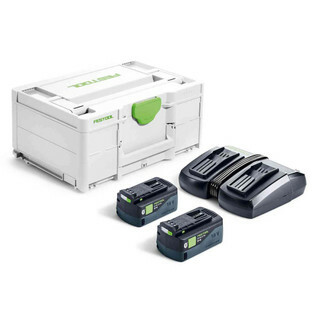
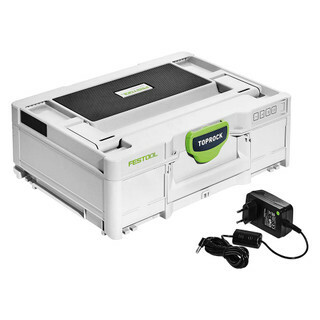
If you're running multiple Festool 18V bodies, a faster charger keeps batteries cycling properly through the day, especially when you're sanding or cutting and the packs drain quicker than you expect.

3. Blades, bits, and abrasives matched to the job

Don't blame the tool for slow cuts or rough finishes when the consumable is past it. Stock the right blades, drill bits, and sanding discs for the material you're on, and you'll get cleaner results with less effort.

Shop Festool 18V at ITS

Whether you're adding one Festool 18V body to your existing kit or building a full cordless setup with batteries and chargers, we stock the range to cover the jobs. It's all held in our own warehouse and ready for next day delivery, so you can get back on site with the right gear, not make-do kit.

Festool 18V FAQs

Are older Festool 18V tools compatible with the newest batteries?

Often, yes, but don't assume it across every generation. Festool keeps the 18V platform consistent, but some older tools may have limitations with newer battery formats or features, so check the specific tool listing and battery notes before you bank on full compatibility.

What does the Festool 18V system warranty cover?

It covers manufacturing faults and failures under normal trade use, not wear items or damage from misuse. Things like consumables, accidental drops, water ingress from abuse, and obvious impact damage are not what warranty is for, so treat it like site kit and store it properly between jobs.

How many Festool 18V batteries do I realistically need for site work?

For steady day-to-day work, two batteries and a charger is the bare minimum so one can be charging while you're working. If you're sanding, cutting, or doing repetitive drilling all day, three batteries stops you getting caught out when the job pace picks up.

Is Festool 18V worth it if I already run another cordless platform?

It is if your work lives and dies on finish quality and control, like fitting, joinery, and refurb work where mistakes cost time and materials. If you just need a general beater drill and driver for rough work, sticking to one platform you already own can be the sensible move.

Do Festool 18V tools cope with proper site abuse?

They'll take day-to-day trade use fine, but they're built for accuracy and clean working more than being thrown around. Look after them like you would a laser or a track saw, and they'll last; treat them like a lump hammer and you'll end up paying for it.
Read more

Festool 18V

Festool 18V tools are for clean, accurate site work where you can't afford rework, from first-fix cutting to snagging and punch-list jobs.

When you're bouncing between rooms, up ladders, and in and out the van, cordless only makes sense if it's consistent all day. The Festool 18V range is built around controlled cutting, tidy dust management, and proper fit and finish, so your saws, drills, sanders and lights work like a system instead of a pile of separate tools. Pick the bodies you need, stay on one battery platform, and build a kit that earns its space on every job.

What Jobs Are Festool 18V Tools Used For?

  • Cutting and fitting kitchens, doors, and trim where you need straight, repeatable results without dragging leads through a finished house.
  • First-fix and second-fix drilling and driving where control matters, so fixings go in clean without chewing heads or splitting timber.
  • Sanding and surface prep on refurbs and joinery work when you want a tidy finish and less dust hanging in the air around other trades.
  • On-the-move snagging and maintenance work where you're in tight spaces and awkward corners and you need cordless kit that behaves predictably.
  • Working in occupied buildings where noise, mess, and downtime cause grief, so quick, clean cordless tools keep the job moving.

Choosing the Right Festool 18V Kit

Sort the right Festool 18V setup by matching the tool to the work rate, then buy batteries to suit your longest day, not your quickest job.

1. Body only or kit

If you've already got Festool 18V batteries and a charger, go body only and put the money into the right tool for the task. If you're starting fresh, a kit saves you getting caught out on day one with no spare battery when you're mid-cut or mid-fix.

2. Battery capacity for the job length

If you're doing short punch-list work, smaller batteries keep the tool lighter in hand. If you're cutting, sanding, or drilling all day, step up in capacity so you're not swapping packs every hour and losing time walking back to the charger.

3. Tool type to the finish you're responsible for

If you're fitting and finishing, prioritise the tools that control the cut and the mess, because that's what stops call-backs. If you're on rougher first-fix work, focus on drilling and driving tools that feel stable and don't fight you when you're working one-handed or overhead.

Who Are Festool 18V Tools For on Site?

  • Joiners and fitters who need clean cuts and consistent accuracy for kitchens, doors, flooring, and built-ins without constant fettling.
  • Shopfitters and maintenance teams doing reactive work, because a single Festool 18V battery platform keeps the van kit simple and reliable.
  • Decorators and refurb crews who care about dust and finish quality, especially when you're working around clients or other live trades.

How the Festool 18V System Works for You

The whole point of Festool 18V is one battery platform running multiple tools, so your day isn't dictated by chargers, mixed packs, and dead kit at the wrong moment.

1. One battery platform across the range

You buy into Festool 18V once, then add bodies as you need them, which keeps your van lighter and your spares simpler. It also means you can rotate batteries between tools to keep the job moving instead of waiting on a single tool to charge.

2. Capacity changes runtime, not the way you work

Higher capacity batteries mainly buy you longer run time between swaps, which matters most on sanding, cutting, and repetitive drilling. For overhead work or long days carrying the tool, balancing runtime against weight is what keeps you productive.

Festool 18V Accessories That Keep You Working

A couple of spares and the right consumables stop you losing time to flat batteries and blunt kit halfway through a run.

1. Spare Festool 18V batteries

This is the difference between finishing a room and downing tools early because you're waiting on charge. Keep a spare in the van and rotate packs so you're never stuck mid-fix or mid-cut.

2. Fast charger

If you're running multiple Festool 18V bodies, a faster charger keeps batteries cycling properly through the day, especially when you're sanding or cutting and the packs drain quicker than you expect.

3. Blades, bits, and abrasives matched to the job

Don't blame the tool for slow cuts or rough finishes when the consumable is past it. Stock the right blades, drill bits, and sanding discs for the material you're on, and you'll get cleaner results with less effort.

Shop Festool 18V at ITS

Whether you're adding one Festool 18V body to your existing kit or building a full cordless setup with batteries and chargers, we stock the range to cover the jobs. It's all held in our own warehouse and ready for next day delivery, so you can get back on site with the right gear, not make-do kit.

Festool 18V FAQs

Are older Festool 18V tools compatible with the newest batteries?

Often, yes, but don't assume it across every generation. Festool keeps the 18V platform consistent, but some older tools may have limitations with newer battery formats or features, so check the specific tool listing and battery notes before you bank on full compatibility.

What does the Festool 18V system warranty cover?

It covers manufacturing faults and failures under normal trade use, not wear items or damage from misuse. Things like consumables, accidental drops, water ingress from abuse, and obvious impact damage are not what warranty is for, so treat it like site kit and store it properly between jobs.

How many Festool 18V batteries do I realistically need for site work?

For steady day-to-day work, two batteries and a charger is the bare minimum so one can be charging while you're working. If you're sanding, cutting, or doing repetitive drilling all day, three batteries stops you getting caught out when the job pace picks up.

Is Festool 18V worth it if I already run another cordless platform?

It is if your work lives and dies on finish quality and control, like fitting, joinery, and refurb work where mistakes cost time and materials. If you just need a general beater drill and driver for rough work, sticking to one platform you already own can be the sensible move.

Do Festool 18V tools cope with proper site abuse?

They'll take day-to-day trade use fine, but they're built for accuracy and clean working more than being thrown around. Look after them like you would a laser or a track saw, and they'll last; treat them like a lump hammer and you'll end up paying for it.
ITS Click and Collect Icon
What3Words:
Store Opening Hours
Opening times