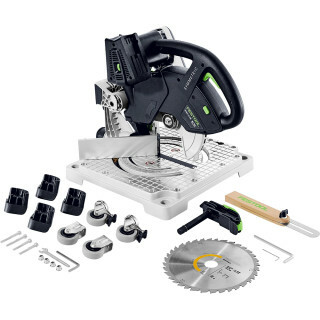
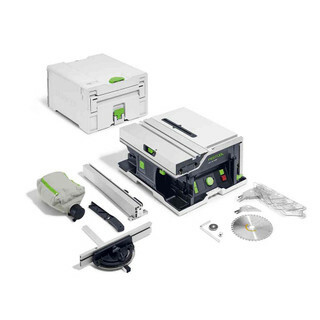
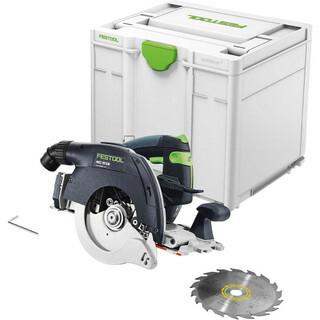
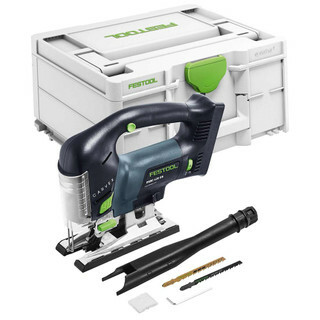
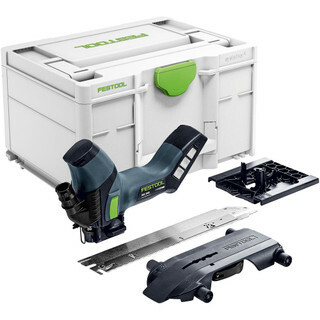
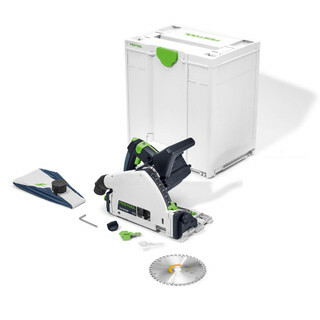
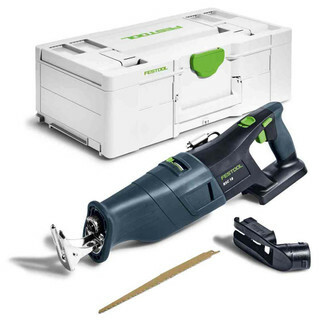
Festool 18V Saws
Festool 18v saws are for clean, accurate cutting on site without trailing leads, from sheet goods and worktops to trim, boards and first fix timber.
If you're cutting all day and want less snagging, less mess and straighter results, a festool 18v saw earns its keep fast. The Festool cordless saw range is built for fitters, chippies and shopfit teams who need reliable cuts, proper dust control and kit that works with rails, extractors and the wider Festool 18V system. From a festool 18v circular saw for fast breakdown work to a festool 18v plunge saw for dead-on sheet cuts, this festool 18v saws range is about buying the right cutter for the job. If you need cordless accuracy without dragging a cable through a finished space, start here.
What Are Festool 18V Saws Used For?
- Breaking down full sheets of MDF, ply and laminate on site is where a festool 18v plunge saw or festool 18v track saw saves time, especially when you need clean edges in finished rooms without hauling a bench saw indoors.
- Cutting first fix timber, flooring packs and general carcassing is easier with a festool 18v circular saw, giving you cordless freedom when you're moving room to room or working where power is still not sorted.
- Trimming worktops, scribing panels and fitting kitchens suits Festool cordless saws because the cut quality is tidy, the dust collection is properly thought through, and the guide rail setup keeps repeat cuts honest.
- Shaping awkward details, sink cut-outs and curved trims is the job for a festool 18v jigsaw, particularly on snagging and fit-out work where dragging a lead across finished floors is asking for trouble.
- Second fix and install work in occupied buildings suits Festool battery saws because they are easier to carry, quicker to set up and far less of a faff than finding sockets, leads and somewhere safe to route them.
Choosing the Right Festool 18V Saw
Match the saw to the cut you make most often, not the one odd job you did six months ago.
1. Plunge Saw or Circular Saw
If you spend your week cutting sheet material, doors, worktops or finished boards, go for a festool 18v plunge saw. The control and rail use are worth it. If you are mainly sizing timber, flooring packs and general site materials, a festool 18v circular saw is the quicker, simpler choice.
2. Rail Guided Accuracy or Freehand Speed
If the job needs straight, visible finish cuts, buy the model that works properly with rails and keep the setup consistent. If you are roughing out cuts in first fix timber, freehand speed matters more than a rail-ready setup.
3. Jigsaw for Shapes, Not Straight Production Cuts
Do not buy a festool 18v jigsaw thinking it will replace your circular or plunge saw. It is the right tool for sink cut-outs, curved trims and awkward scribing, but for long straight cuts in sheet goods you will work harder and get a poorer finish.
4. Think About Dust Before You Buy
If you are fitting in occupied homes, schools or finished commercial spaces, dust extraction is not optional. Pick a festool cordless saw that suits extractor use and keeps cleanup down. It is a lot easier than explaining sawdust all over a fresh handover.
Who Uses These Festool 18V Saws?
- Chippies and kitchen fitters rely on this festool 18v saws range for sheet cuts, trim work and worktop fitting, because a straight cut and decent finish saves a lot of grief later on.
- Shopfitters use Festool cordless saws when they are working in clean commercial spaces and need fast setup, controlled dust and accurate cuts without trailing leads through finished areas.
- Joiners and cabinet installers swear by a festool 18v plunge saw or festool 18v track saw for breaking down boards and fitting panels, especially when there is no room for bigger static kit.
- Site carpenters keep a festool 18v circular saw handy for day to day timber cutting, because it moves quickly around plots and does not slow the job down waiting for power.
- Fit-out and maintenance teams reach for a festool 18v jigsaw for cut-outs, trims and awkward detail work, and most keep one in the van for those jobs that change halfway through the day.
The Basics: Understanding Festool 18V Saws
These saws all cut timber and sheet material, but they do it in different ways. The right type changes how clean the cut is, how fast you work and how much setup you need.
1. Plunge Saws for Controlled Entry Cuts
A festool 18v plunge saw drops into the material from above, which is what you want for sheet breakdown, worktop cuts and neat trimming. It gives you better control at the start of the cut and works well with guide rails for straight, repeatable results.
2. Circular Saws for Fast General Cutting
A festool 18v circular saw is the quicker all-rounder for timber, boards and rough sizing work. You get in, make the cut and move on, which suits first fix and general site use where speed matters more than furniture-grade finish.
3. Jigsaws for Curves and Cut-Outs
A festool 18v jigsaw uses a narrow up and down blade, so it is the one for curved lines, notches and awkward shapes. It is what you grab when a circular blade simply cannot get into the space or follow the line you need.
Festool 18V Saw Accessories That Save Time on Site
The right extras make these saws quicker to set up, cleaner to use and far less frustrating through a full shift.
1. Guide Rails
A rail is the bit that stops sheet cuts wandering when you are tired or rushing. If you are buying a festool 18v plunge saw or track-ready model, get the rail sorted at the same time or you are leaving accuracy on the shelf.
2. Spare Blades
Do not try to force one blade through timber, laminate and fine finish cuts. Keep the right blades in the case, because a blunt or wrong-pattern blade is the fastest way to burn edges, slow the cut and make tidy work look rough.
3. Dust Bags or Extractor Hoses
If you are working in a finished property, sort your dust collection properly. A bag or hose setup saves you sweeping up for an hour and keeps the cut line clearer while you work.
4. Spare Batteries
A spare battery is common sense on a saw. You do not want to be halfway through a worktop or final panel cut waiting for charge time when the rest of the fit is stacked up behind you.
Choose the Right Festool 18V Saw for the Job
Use this quick guide to sort the right saw before you spend the money.
| Your Job | Festool 18V Saw Type | Key Features |
|---|---|---|
| Breaking down sheet material and worktops | 18V Plunge Saw | Rail guided cutting, controlled plunge action, clean finish, good dust collection |
| General site timber cutting and first fix work | 18V Circular Saw | Fast setup, cordless movement, strong straight cutting, suited to repeated site use |
| Curves, cut-outs and awkward trims | 18V Jigsaw | Narrow blade control, tighter turning, ideal for sinks, scribes and detail work |
| Clean fitting work in occupied or finished spaces | 18V Saw with dust extraction setup | Extractor compatibility, tidier cuts, less airborne dust, easier cleanup |
| Repeat straight finish cuts across panels | 18V Track Ready Saw | Guide rail use, consistent accuracy, cleaner edges, better for fit-out and joinery |
Common Buying and Usage Mistakes
- Buying a jigsaw for straight sheet work is a common one. It will do the cut, but it is slower, harder to keep true and usually leaves more finishing work than a proper plunge or circular saw.
- Ignoring rail compatibility catches people out. If your work is mostly panels, doors or visible finish cuts, not checking guide rail use before buying can leave you with a saw that does the job harder than it should.
- Using one tired blade for every material ruins cut quality fast. The fix is simple. Keep sharp, material-specific blades in the van and change them before the saw starts tearing or burning.
- Underestimating dust extraction is a mistake on fit-out and occupied jobs. Poor dust control means more cleanup, a worse working environment and more chance of complaints in finished spaces.
- Choosing only on price or size instead of the actual work leads to the wrong saw. Start with what you cut every week, then pick the type that suits that job properly.
Plunge Saw vs Circular Saw vs Jigsaw
Plunge Saw
Best for sheet goods, worktops, doors and any cut where finish matters. It is slower to set up than a basic circular saw, but far better for straight, controlled cuts and rail-guided accuracy.
Circular Saw
Best for first fix timber, board cutting and general site speed. It is the practical choice when you need to move fast, but it will not match a plunge saw for fine finish panel work.
Jigsaw
Best for cut-outs, curves and awkward shapes where the other two cannot physically follow the line. It is not the right buy for long production cuts, but it earns its keep on detail work and snagging jobs.
Maintenance and Care
Keep the Base and Guards Clean
Brush off packed dust and chips after use, especially around guards, pivots and the base. Buildup affects cut accuracy and can stop moving parts working as smoothly as they should.
Change Blades Before They Fight Back
If the saw starts burning, tearing or slowing down, do not force it. A fresh blade is cheaper than wrecking a finish panel or overworking the saw for no reason.
Look After the Rails
If you use guide rails, keep them clean, straight and stored properly. A damaged rail can throw off an otherwise perfect saw, and that is the sort of mistake you only spot once the panel is cut.
Store Batteries Sensibly
Do not leave batteries loose in a damp van or buried under fixings and offcuts. Keep them charged, dry and protected so your Festool battery saws are ready when the job starts.
Check Catches, Fences and Adjustment Points
Give the saw a quick once-over before a finish job. Loose settings, worn catches or a knocked adjustment can leave you chasing accuracy that was lost in the back of the van.
Why Shop for Festool 18V Saws at ITS?
Whether you need a compact festool cordless saw for snagging, a festool 18v circular saw for daily timber cutting, or a festool 18v plunge saw for rail-guided sheet work, we stock the full range. You will find the wider Festool Saws line-up here too, along with dedicated Festool 18V Plunge Saws, Festool 18V Circular Saws and Festool 18V Jigsaws. It is all held in our own warehouse, in stock and ready for next day delivery.
Festool 18V Saw FAQs
What 18V saws does Festool make?
Festool makes several 18V saw types including plunge saws, circular saws and jigsaws. In practical terms, that means you can cover sheet cutting, general timber work and detail cut-outs without leaving the Festool cordless platform.
Are all Festool 18V saws compatible with the guide rail system?
No, not every saw in the range uses guide rails in the same way. Plunge saws and track-focused models are the ones to look at for proper rail-guided cutting. Always check the model details before buying if rail use matters to your work.
What is the best Festool 18V saw for site use?
It depends on the site work. For general timber cutting and first fix, a festool 18v circular saw is usually the sensible all-rounder. For cleaner panel work, worktops and fit-out, a festool 18v plunge saw is often the better pick. For curves and cut-outs, go jigsaw.
Do Festool 18V saws come with dust extraction?
Many Festool 18V saws are built to work with dust bags or extractors, but the exact setup depends on the model and kit version. Yes, the dust control is generally very good, but check what is included in the box if you need a full extraction setup from day one.
Are Festool battery saws worth it if I already have corded saws?
Yes, if your work involves moving around site, fitting in occupied spaces or cutting where power is awkward. You lose the lead and setup time, which is a real gain on busy install work. If you mainly cut in one fixed workshop spot, corded may still suit some jobs better.
Can a Festool 18V jigsaw replace a circular saw?
Not really. A jigsaw is spot on for curves, notches and sink cut-outs, but it is not the best tool for long straight cuts or repeated sheet work. If that is your main job, buy the circular or plunge saw first and add the jigsaw when detail work justifies it.