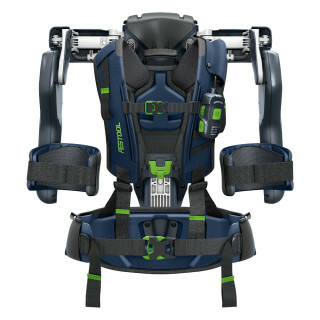





Festool 18V PPE
Working overhead for long stretches? Check Festool 18V PPE for body-support kit matched to the task.
For fitters and refurbishment teams, compatible support equipment can reduce the effort of holding arms raised. An 18V label is not a protection rating: check system compatibility, fit and the job's required PPE before choosing your kit.
What Is Festool 18V PPE Used For?
- Support raised-arm work during ceiling preparation by using a compatible powered assistance system with its correctly fitted body harness.
- Reduce the effort of sustained overhead positioning when sanding or fitting above shoulder height, within the support system's operating limits.
- Replace worn harness components on compatible equipment so the support system sits securely rather than shifting as you reach.
- Set up shared support equipment for different operatives by adjusting the approved harness to each wearer before work starts.
Choosing the Right Festool 18V PPE
Buy for the exact support system and wearer, not simply because the kit carries an 18V label.
1. Complete System or Replacement Harness
If you need powered assistance, check that the listing includes the working support unit rather than just its wearable components. When replacing a harness, match the part number to your existing system. Festool 18V Harnesses should be selected by stated compatibility, not appearance.
2. Fit Under Working Conditions
If several operatives share the equipment, check its adjustment range and how it fits over their normal workwear. Set it up for each wearer; loose straps and poorly positioned support points can cause rubbing and restrict movement.
3. Assistance Is Not Fall Protection
If the job requires fall restraint or fall arrest, choose equipment specifically certified for that purpose. A body-support harness for powered assistance is not a substitute, regardless of how substantial its straps look.
4. Check the Whole Task
If you are cutting insulation with Festool 18V Insulation Saws, assess dust, fibres, cutting hazards and access separately. Powered body support does not provide respiratory, eye or cut protection.
Who Is Festool 18V PPE For?
Decorators preparing ceilings, dryliners finishing overhead joints and fitters working above shoulder height may benefit from compatible body-support equipment. Supervisors choosing from Festool Power Tools should assess the complete working setup: support equipment does not replace safe access, dust extraction or the protective equipment specified for the task.
The Basics: Understanding Festool 18V Body Support
The important distinction is between equipment that assists movement and equipment that protects against a specific hazard. They do different jobs.
1. Powered Assistance Supports Raised Arms
Festool's ExoActive system uses battery-powered assistance to support the arms during suitable raised-arm tasks. The wearable harness positions the system on the body. It does not hold the tool for you or remove the need for breaks and sensible working positions.
2. Battery Voltage Does Not Define Protection
The 18V designation relates to the powered system, not a safety certification. Select protective equipment by its stated standard and suitability for the hazard, whether that is dust exposure, flying particles, noise or falls.
Accessories for Compatible Festool Body-Support Systems
Check the system manual before buying extras; shared voltage alone does not confirm compatibility.
1. Approved Spare Battery and Charger
A charged, approved spare avoids stopping an overhead preparation job while the working battery recharges. Check the permitted battery types and whether the equipment is supplied with batteries and a charger.
2. Approved Replacement Body-Contact Components
Replace worn harness or padding components with parts specified for the system. Correct replacements help avoid poor positioning and rubbing; improvised straps can alter how the equipment supports the wearer.
Choose the Right Festool 18V PPE for the Job
Separate the support you need from the hazard protection the task requires.
| Your Job | Equipment Type | Key Features |
|---|---|---|
| Sustained ceiling preparation | Compatible powered body-support system | Raised-arm assistance, wearer adjustment and suitability for the task |
| Replacing a worn support harness | System-specific replacement harness | Exact part compatibility, sound fastenings and correct adjustment range |
| Sharing support equipment between operatives | Adjustable harness with approved cleanable components | Individual fitting and cleaning arrangements between users |
| Working where a fall could occur | Task-specific access and fall-protection equipment | Suitable certification and a planned safe system of work, not an assistance harness |
Common Buying and Usage Mistakes
- Buying a replacement harness expecting a complete powered system leaves you without the assistance unit. Read the supplied-items list before ordering.
- Assuming every Festool 18V battery fits every powered product can leave you with an unusable setup. Check the approved battery list for the exact model.
- Leaving a shared harness on the previous wearer's settings can cause pressure points and poor support. Adjust it before each operative starts work.
- Treating body support as protection against falls, dust or noise leaves those hazards uncontrolled. Keep the task-specific controls and protective equipment in place.
- Using assistance to stretch beyond a comfortable working position defeats the point. Reposition the access equipment rather than overreaching.
Powered Body Support vs Passive Support vs Fall-Protection Harnesses
Powered Body Support
Battery-powered assistance supports suitable raised-arm work and allows assistance settings to be adjusted. Consider it for sustained overhead tasks, but allow for battery management, fitting and the system's movement limits.
Passive Body Support
Passive systems use mechanical assistance rather than a battery. They avoid charging but have their own support characteristics and adjustment limits. Assess the actual task and wearer rather than assuming all support systems feel the same.
Fall-Protection Harnesses
These form part of a specified restraint or fall-arrest system, not an overhead assistance system. Choose them for the fall hazard under a competent plan; they are not interchangeable with powered body-support harnesses.
Maintenance and Care
Inspect Before Wearing
Check straps, stitching, buckles and attachment points before each shift. Stop using equipment with damaged load-bearing components and arrange the specified replacement or service.
Clean Body-Contact Parts Correctly
Follow the cleaning label for removable textile parts and let them dry fully before refitting. Do not assume padding is machine washable or use solvents to remove site grime.
Keep Dust Out of Connections
Switch off and remove the battery as instructed before cleaning powered equipment. Keep battery contacts and adjustment mechanisms clean without forcing dust into the housing.
Store Without Crushing the Harness
Store the equipment dry and protected from sharp tools, solvents and loose materials in the van. Do not bury shaped supports beneath heavy cases or leave damp textiles packed away.
Why Shop for Festool 18V PPE at ITS?
ITS stocks the full listed Festool 18V PPE range, including harness options for compatible support equipment, in our own warehouse. In-stock items are ready for next-day delivery, subject to the delivery terms shown at checkout. Check compatibility and pack contents before ordering so the right kit arrives for the job.
Festool 18V PPE FAQs
What PPE does Festool make?
Festool offers products such as safety glasses and hearing protection, alongside wearable assistance equipment such as ExoActive and its compatible harness components. These serve different purposes: powered body support is not automatically protective equipment against a particular hazard. Check each product's stated function and certification.
Are Festool PPE products any good?
Judge the exact product by its protection rating, fit and suitability for your work, not the badge. For body-support equipment, correct adjustment and compatibility matter as much as construction. It will not solve an awkward access setup or remove the need for task-specific protection.
What PPE is required on a building site?
Follow the site rules and task risk assessment. Requirements commonly include safety footwear, head protection and high-visibility clothing, with eye, hearing, respiratory, hand or other protection added for the work involved. When using Festool 18V Saws, assess cutting, noise and dust hazards separately; a support harness does not control them.
Are Festool ppe any good?
For all-day use, the useful test is whether the specified protection or support remains correctly positioned without interfering with the job. Check sizing, adjustment, cleaning instructions and replacement-part availability. If the equipment rubs, slips or restricts necessary movement after correct adjustment, reassess the fit before continuing.
Where are Festool tools made?
Festool manufactures many tools in Germany, but production location varies by product and component. Do not assume every harness, accessory or protective item has the same origin. Check the individual product marking or manufacturer's documentation if country of manufacture is a purchasing requirement.
Does body-support equipment make insulation cutting safer on its own?
No. You still need stable material support, suitable access, the correct cutting equipment and controls for dust or fibres. Match Festool Insulation Saw Blades to the material and saw, and only use body-support equipment where its instructions permit the task.