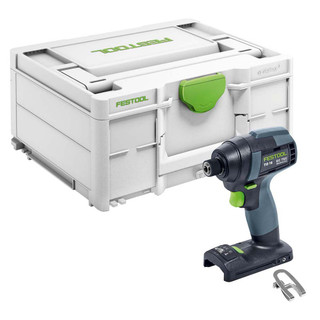
Festool 18V Drills and Drivers
Festool 18V drill options cover clean pilot holes, first fix screwdriving and heavier combi work without dragging extra kit round site.
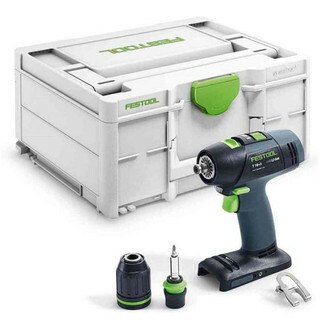
If you're fitting kitchens, hanging doors, building carcasses or fixing into masonry now and then, a Festool cordless drill earns its keep by staying accurate, balanced and properly thought through. From the Festool T18 drill for lighter drilling and driving to the more capable percussion models, this is 18V kit for trades who want control as much as power. Pair your setup with the right batteries, chucks and Festool Drill Bits, then get the Festool 18V drill driver that suits the work.
What Are Festool 18V Drills Used For?
- Driving fixings into stud, carcassing and sheet material is where a Festool 18V drill driver makes sense, especially when you need steady clutch control and less faff swapping tools all day.
- Drilling clean, repeatable holes in timber, MDF and ply suits joiners and fitters who cannot have breakout, wandering bits or sloppy starts on visible work.
- Working through first and second fix jobs in kitchens, bedrooms and refurbs is easier with a Festool cordless drill that feels balanced in the hand and fits into tighter cupboards and corners.
- Handling occasional masonry fixing with a Festool 18v combi drill or percussion drill 18v setup covers plugs, brackets and light anchor work without dragging out a full SDS for every small task.
- Building out vans, workshops and site units with one Festool drill 18v platform keeps drilling, driving and bit changes tidy, especially when you are already working from Systainers.
Choosing the Right Festool 18V Drill
Sorting the right Festool 18v drill is simple. Match the drill to the work you do most, not the one awkward job you do once a month.
1. Drill Driver or Combi Drill
If most of your day is timber, sheet material, carcasses and fixings, go for a standard Festool 18v drill driver. If you regularly need to pop into brick or block for plugs and light anchors, a Festool 18v combi drill is the better shout.
2. T18 or TPC18 Style Setup
If you want a lighter, more compact tool for repetitive drilling and driving, the Festool T18 drill makes more sense. If the jobs are rougher and you need more punch for bigger fixings or harder materials, step up to the TPC18 type of machine.
3. Bare Tool or Full Set
If you are already on Festool 18V, a body only drill saves money. If this is your first way in, a Festool 18v cordless drill set with batteries, charger and storage is the smarter buy because you are site-ready straight away.
4. Chuck and Bit Setup
Do not ignore how you actually work. If you are constantly switching between pilot holes, countersinking and screws, look for the chuck setup that keeps changes quick, then stock up on Festool Drill Screwdriver Bit Sets so you are not robbing bits from three different boxes.
Who Uses These Festool 18V Drills?
- Chippies and kitchen fitters swear by a Festool 18v drill for hinge plates, cabinet fixing and long runs of screws where control matters more than brute force.
- Joiners use the Festool T18 drill and similar drill driver 18v models for accurate pilot holes, ironmongery and assembly work where a compact body and clean finish save rework.
- Shopfitters and installers reach for a Festool cordless drill when they are moving room to room, working from Systainers and need one platform that stays organised in the van.
- Maintenance teams and fit-out crews use a Festool 18v drill driver for snagging, brackets, access panels and general fixing because it covers a lot of jobs without carrying half the van in.
- Trades already running Festool Drill Drivers or adding a more specialist setup often choose this range to keep batteries, storage and working feel consistent across site.
The Basics: Understanding Festool 18V Drills
With Festool 18V drills, the main thing is understanding what each type is built to do on site. It is less about specs on paper and more about how the tool behaves in your hand through a full day.
1. Drill Drivers for Controlled Fixing
A standard Festool drill driver 18v setup is for drilling timber and driving screws cleanly. This is the one for furniture fitting, joinery and repeat fixings where clutch control and a neat finish matter more than hammer action.
2. Combi Drills for Mixed Site Work
A Festool percussion drill 18v or combi drill adds hammer action for light masonry jobs. It will cover plugs and bracket fixing into brick or block, which saves dragging a second drill out for smaller fixing tasks.
3. One 18V Platform
The real benefit of Festool 18V is keeping your batteries, chargers and storage on one system. If you already run other Festool cordless kit, adding the right drill keeps the van tidier and the job moving.
Festool 18V Drill Accessories That Save Time on Site
The right extras stop constant bit swapping, dead batteries and wasted trips back to the van.
1. Drill and Screwdriver Bit Sets
A proper bit set saves you digging through mixed tubs for the one PZ2 or pilot bit you need. Keep matched bits with the drill and the job stays quicker and cleaner, especially on second fix and fitting work.
2. Spare 18V Batteries
A spare battery is basic but vital. Do not get halfway through a run of cabinet fixings or overhead work and have the drill die while the charger is still back in the van.
3. Replacement Chucks and Attachments
If your work jumps between drilling, driving and awkward access, the right chuck setup saves loads of faff. It is the difference between cracking on and wasting time changing over the wrong tool for the job.
4. Impact Driver Pairing
For long structural screws or heavier fixings, pair your drill with one of the Festool Impact Drivers. It stops you overworking the drill on jobs better suited to dedicated impact power.
Choose the Right Festool 18V Drill for the Job
Use this quick guide to sort the right setup for the work in front of you.
| Your Job | Drill Type | Key Features |
|---|---|---|
| Cabinet fitting, hinges and pilot holes | Compact 18V drill driver | Good balance, clean control, quick bit changes and less bulk in tight spaces |
| First fix timber and repeated screwdriving | Festool T18 drill style driver | Strong clutch control, lighter handling and enough power for everyday joinery work |
| Mixed drilling and fixing including light masonry | 18V combi drill | Hammer mode for plugs and brackets, with standard drilling and driving covered |
| Bigger fixings and tougher site work | High output 18V percussion drill | More torque, heavier duty build and better suited to rougher day to day use |
| Starting fresh on the platform | 18V cordless drill set | Batteries, charger and Systainer included so you are ready for site straight away |
Common Buying and Usage Mistakes
- Buying a combi drill when you mostly do joinery and fitting work just adds weight and bulk. If you rarely touch masonry, a standard Festool 18v drill driver is usually the better everyday tool.
- Choosing body only without checking your battery setup first leaves you stuck on day one. Make sure your existing Festool 18V batteries and charger actually cover the drill you are buying.
- Using one drill for heavy screwdriving all day can wear you out and slow the work down. If you run long fixings regularly, pair the drill with a dedicated impact driver instead of forcing one tool to do both jobs.
- Ignoring chuck and accessory options sounds minor until you are changing bits every five minutes. Think about how often you swap from drilling to driving before you pick your setup.
- Buying on peak torque alone is a classic mistake. On site, balance, clutch feel and access often matter more than headline numbers, especially for fitters and joiners working all day at shoulder height.
Drill Driver vs Combi Drill vs Impact Driver
18V Drill Driver
Best for timber drilling, pilot holes, cabinet work and controlled screwdriving. It is the right pick for joiners and fitters who want finesse and lower weight, but it is not the best answer for regular masonry work.
18V Combi Drill
The middle ground for mixed site tasks. You get normal drilling and driving plus hammer action for plugs and brackets in brick or block, though it is usually bulkier than a standard drill driver.
18V Impact Driver
Best for repetitive screwdriving, longer fixings and tougher fastening where a drill starts to struggle. It is quicker and easier on the wrist for driving, but it is not your main choice for neat, accurate drilling.
Which One Should You Buy
If you mostly drill and assemble, buy the drill driver. If you need one tool for mixed work including the odd masonry fixing, buy the combi. If your day is mostly screws, run a drill and impact together.
Maintenance and Care
Keep the Chuck Clean
Blow out dust and wipe the chuck after messy drilling jobs. Fine plaster, MDF dust and brick dust all build up and make bit changes rougher than they should be.
Do Not Leave Batteries Flat
Charge batteries before they are completely dead and do not leave them sat discharged in a cold van for weeks. It is a simple way to get better life from your Festool 18V setup.
Store It Properly
Keep the drill in its Systainer or a clean case rather than loose under other kit. It protects the body, keeps accessories together and stops the chuck getting knocked about in transit.
Check Bits Before Blaming the Drill
A worn or cheap bit makes any drill feel worse than it is. If performance drops, check the bit first before assuming the tool has a problem.
Repair Wear Early
If the chuck starts slipping, the clutch feels off or the housing has taken a proper knock, sort it early. Small faults are easier and cheaper to deal with before they turn into a dead tool mid job.
Why Shop for Festool 18V Drills at ITS?
Whether you need a compact Festool 18v drill for fitting work, a Festool 18v combi drill for mixed jobs, or a full Festool 18v cordless drill set, we stock the proper range. That means drill drivers, percussion options, batteries, accessories and more, all in our own warehouse and ready for next day delivery across the UK.
Festool 18V Drill FAQs
What 18V drills does Festool make?
Festool makes a few different 18V drill types, including standard drill drivers like the T18, more powerful combi and percussion models like the TPC18, and specialist options depending on the setup. The main split is simple. Some are aimed at cleaner drilling and screwdriving, others are built for mixed work where you need more torque or hammer action.
What is the difference between Festool T18 and TPC18 drills?
The T18 is the neater, lighter drill driver choice for joinery, fitting and everyday drilling and driving. The TPC18 is the step up when you need more punch, more torque and combi drill capability for tougher fixings and light masonry. If your work is mostly timber and screws, the T18 usually makes more sense. If the jobs are rougher, go TPC18.
Are Festool 18V drills compatible with all Festool batteries?
In general, Festool 18V drills are designed around the Festool 18V battery platform, but it is still worth checking the exact product listing before you buy. That is the sensible move if you are mixing older and newer kit or buying body only. A quick check now saves a lot of grief later.
Does the Festool 18V drill come with a Systainer?
Some do and some do not. Full kits commonly include a Systainer, batteries and charger, while body only versions may just be the bare tool or come in a simpler package. Always check what is in the box rather than assuming, especially if you need storage to slot straight into your existing stack.
Is a Festool 18V combi drill enough for masonry, or do I still need SDS?
For plugs, brackets and lighter drilling into brick or block, yes, a Festool 18V combi drill will cover plenty of everyday site work. For repeated holes, bigger diameters or harder concrete, stop kidding yourself and get the SDS out. It is quicker, cleaner and easier on the drill.
Are these drills worth it if I already own another Festool driver?
Yes, if the extra tool solves a real gap in your setup. Plenty of trades run a drill driver for pilots and a separate impact for screws because it is faster and saves constant bit swapping. If you only want a spare for the sake of it, probably not. Buy for the job, not the shelf.