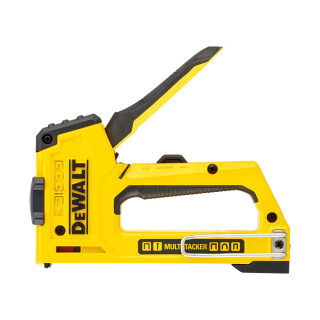
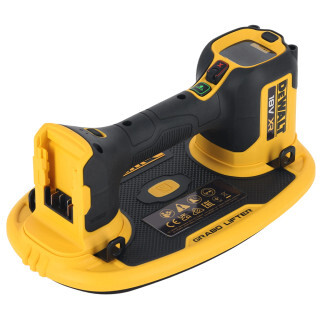
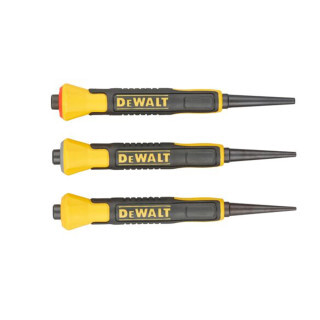
Dewalt More Hand Tools
DeWalt hand tools are built for proper site work, from marking out and trimming to fixing, prising and measuring with kit that takes daily abuse.
When your cordless gear stays in the van and the real graft starts, this is the sort of kit you reach for all day. The DeWalt hand tool range covers the jobs every trade repeats, with grips that stay usable in dusty hands, blades and edges that hold up, and bits that earn their space in the bag. If you need DeWalt trade tools that match the pace of site, start here and buy for the jobs you do most.
What Are DeWalt Hand Tools Used For?
- Marking out joists, studwork, sheet materials and kitchen runs is where dewalt hand tools come into their own, giving you clear measuring, straight edges and repeatable layout before anything gets cut or fixed.
- Cutting back plasterboard, trimming insulation, opening packs and shaping site materials is quicker with the right DeWalt trade tools, especially when you need something simple that works without dragging out powered kit.
- Tightening fixings, adjusting brackets, pulling nails and dealing with awkward snagging jobs on refurbs is exactly where a solid dewalt hand tool range saves time and stops you wrecking cheaper gear.
- Working through first fix and second fix jobs, DeWalt professional hand tools give sparks, chippies and fitters the everyday kit needed for measuring, striking, levering and finishing without constant trips back to the van.
Choosing the Right DeWalt Hand Tools
Sort the right kit by the jobs you repeat every day, not by whatever happens to be cheapest.
1. Buy for the Trade, Not the Brand Name Alone
If you are mostly marking out and setting runs, focus on tapes, squares and layout tools first. If your day is more trimming, cutting and stripping back materials, put your money into knives, snips and saws that will actually get used every shift.
2. Think About Abuse Levels
If the tool is going in and out of a pouch all day, getting dropped on concrete and buried in dust, pick the tougher site-ready version. For occasional van use, a simpler option is fine, but daily site graft soon exposes weak handles, poor locks and flimsy blades.
3. Match Size to Access
If you work in tight cupboards, lofts or service voids, compact hand tools make life easier and stop skinned knuckles. If you are on open framing, roofing or general build work, go larger where extra leverage and reach actually help.
4. Build a Working Kit, Not Random Singles
There is no point buying one good tool and three throwaway ones beside it. Put together a sensible dewalt hand tool range around measuring, cutting, fastening and prising so you have the basics covered without doubling up on kit you will never use.
Who Uses These DeWalt Hand Tools?
- Chippies use dewalt hand tools for setting out, trimming, pulling fixings and sorting first-fix timber work where a decent tape, knife or pry tool gets used more than anything else.
- Sparkies keep DeWalt trade tools in the pouch for marking box positions, trimming trunking and dealing with quick fixings when it is not worth dragging out power tools.
- Plumbers and heating fitters rely on the dewalt hand tool range for measuring runs, adjusting fittings and handling the small but constant jobs that crop up under sinks, in risers and on plant room installs.
- General builders, snagging teams and maintenance crews reach for DeWalt professional hand tools because they need kit that can live in the van, get knocked about on site and still work properly at the end of a long week.
Useful Add Ons for Your DeWalt Hand Tool Kit
A few sensible extras keep your hand tools working longer and stop the usual site faff.
1. Spare Knife Blades
Do not keep forcing a blunt blade through plasterboard, membrane or insulation. Fresh blades save torn cuts, wasted time and that moment when you slip because you are pushing too hard.
2. Tool Pouches and Belts
A proper pouch stops you hunting round the floor for the one knife, tape or driver you just had in hand. It also keeps your main everyday tools on you instead of back in the van.
3. Replacement Tape Measures
Tapes get kinked, dropped and stood on. Keeping a spare in the van means the day does not grind to a halt because your only measure now reads bent and sloppy.
4. Tool Storage
Decent storage keeps blades dry, stops squares getting knocked out and gives the whole kit a proper home. It is worth pairing your hand tools with DeWalt tool storage so the bits you actually need are easy to grab.
Choose the Right DeWalt Hand Tools for the Job
If you are not sure where to start, match the tool type to the work in front of you.
| Your Job | DeWalt Hand Tool Type | Key Features |
|---|---|---|
| Marking out studwork, kitchens and sheet material | Guides and measuring tools | Clear markings, good standout, solid locks and straight edges that stay reliable on site. |
| Trimming plasterboard, insulation and packaging | Knives and cutting tools | Secure blade change, comfortable grip and enough control for repeated close work. |
| Pulling nails, levering boards and strip-out work | Pry and striking tools | Tough steel construction, usable leverage and handles that cope with repeated impact. |
| General fixing, tightening and adjustment | Fastening tools | Good grip, dependable tips and sizes that suit everyday site fixings without rounding off heads. |
| Timber trimming and quick manual cuts | Hand saws | Sharp teeth, decent tracking and a handle shape that stays comfortable through repeated cuts. |
Common Buying and Usage Mistakes
- Buying mixed odds and ends instead of a proper working set leaves you with gaps in the kit. Start with the tools you use every day for measuring, cutting and fixing, then add the more specialist bits after.
- Using the wrong hand tool for the job is how blades snap, tips round off and handles loosen early. If it is really a cutting job, use a cutting tool. If it needs leverage, use a pry tool rather than abusing a screwdriver.
- Going too cheap on high-use items like tapes and knives usually costs more in the long run. Those are the tools that get hammered daily, so poor locks, weak clips and sloppy blade holders soon become a nuisance.
- Leaving hand tools loose in the van knocks them out of shape and buries the ones you need most. Store them properly so squares stay true, blades stay dry and you are not wasting ten minutes every morning searching for basics.
Measuring Tools vs Cutting Tools vs Fastening Tools
Measuring Tools
These are the starting point if your work lives or dies on layout. Best for chippies, sparks and fitters setting out accurately before the first cut or fixing goes in. They do not solve the whole job, but bad measuring is how the whole day goes sideways.
Cutting Tools
Best when you are constantly trimming boards, plasterboard, insulation, packaging or site materials by hand. They are quicker to grab than powered kit for short jobs, but they need fresh blades and the right shape for controlled work.
Fastening Tools
These are the everyday problem-solvers for tightening, adjusting and small fixings work. Ideal for snagging, install work and quick changes, but they are not a substitute for proper leverage tools when something is seized or buried in place.
Which Should You Buy First?
If you are building a kit from scratch, start with measuring and cutting, then add fastening tools straight after. That covers most first-fix and second-fix site jobs before you move into more specialised DeWalt saws or heavier strip-out gear.
Maintenance and Care
Clean Them Down After Dusty Work
Plaster dust, brick dust and wet muck get everywhere and quickly make moving parts stiff. Wipe tools down after use so locks, slides and grips keep working as they should.
Change Blades Before They Fight Back
A blunt blade tears material and makes you push harder than you should. Swap it early and you get cleaner cuts, better control and less chance of slipping on awkward site work.
Store Measuring Tools Properly
Do not throw squares and tapes under a pile of fixings and batteries. Keep them flat and protected so they stay accurate and do not end up bent, kinked or knocked out.
Watch for Loose Handles and Damaged Tips
If a handle starts moving or a tip rounds off, sort it before it becomes useless on the job. Minor wear is normal, but once control goes, it is usually time to replace the tool.
Keep the Kit Dry in the Van
Wet hand tools soon pick up corrosion, especially after being left in a cold van overnight. Dry them off after rain and keep them in storage rather than rolling about on a damp floor.
Why Shop for DeWalt Hand Tools at ITS?
Whether you need a basic site knife, a fresh tape, tougher pry tools or a full dewalt hand tool range for everyday trade work, we have the lot in one place. We stock DeWalt trade tools across the key types and sizes, all in our own warehouse and ready for next day delivery. If you are building out your kit, you can also match these with DeWalt cutting tools, DeWalt fastening tools, DeWalt guides and measures and DeWalt saws without shopping around.
DeWalt Hand Tools FAQs
What hand tools does DeWalt make?
DeWalt makes a broad mix of everyday site hand tools, including knives, tapes, squares, pry bars, screwdrivers, snips, hammers, pliers and hand saws. It is the sort of range aimed at real trade use, covering measuring, cutting, fastening and general jobbing work rather than just one narrow area.
Are DeWalt hand tools suitable for professional trade use?
Yes. That is exactly where most of them make sense. They are built for regular site use with tougher materials, usable grips and designs that hold up better than bargain-bin tools. They are not magic and they still need looking after, but for day-in day-out trade work they are a sensible buy.
What's included in the DeWalt hand tools range?
The DeWalt hand tools range usually covers the core site essentials such as cutting tools, fastening tools, guides and measuring gear, plus hand saws and other daily-use items. In plain terms, it is the gear you keep in the pouch, tool bag or van for all the jobs where powered kit is overkill.
Are these worth buying as single replacements or should I build a full kit?
Both can make sense. If one tool takes the most abuse, replace that first and carry on. But if your current kit is a random mix of worn-out bits, building a matched working set usually saves hassle and gives you better coverage for daily site jobs.
Do DeWalt hand tools hold up in a van and on rough sites?
Yes, generally they are made for exactly that kind of use. They will cope with dust, knocks and daily handling better than light DIY gear. That said, no hand tool likes being left wet, buried under scrap or used for the wrong job, so basic care still matters.
What should I buy first if I am starting a DeWalt hand tool kit from scratch?
Start with the tools you grab every single day. For most trades that means a tape, utility knife, screwdriver set or fastening tool, a square and a pry tool. Once those basics are covered, add the more specialist bits based on your trade and the work you actually do.