Dewalt Saws
DeWalt hand saws are built for fast, clean cutting on site, from first fix timber and board to metal trimming and awkward punch-out work.
When the chop saw stays in the van and you just need to get through the job, this is the kit you reach for. The DeWalt hand saw range covers proper site basics that earn their keep day after day, with tooth patterns that cut clean, handles that stay planted in the hand, and frames that put up with knocks. From DeWalt drywall saws for quick openings to DeWalt hacksaws and blades for conduit, bolts, and threaded rod, pick the saw that matches the material and get on with it.
What Are DeWalt Hand Saws Used For?
- Cutting first fix timber, sheet material, and trim pieces where dragging out powered kit would slow the job down more than it helps.
- Punching through plasterboard for sockets, access panels, and repair work with pointed drywall saws that start clean without mangling the board.
- Trimming conduit, threaded rod, bolts, and light metal sections with DeWalt hacksaws when you need control in tight spots or occupied buildings.
- Snagging and finishing on refurb jobs where one clean hand cut is quicker, quieter, and less messy than setting up a cordless saw.
- Keeping in the van or tool bag for those odd cuts that always turn up halfway through a fit out and cannot wait for a trip back outside.
Choosing the Right DeWalt Hand Saws
Sorting the right one is simple: match the blade style to the material, not the badge on the handle.
1. Timber Saw or Drywall Saw
If you are cutting studs, battens, or sheet timber, buy a proper general hand saw with the right tooth pattern for fast pull and push cuts. If you are mainly making openings in plasterboard, go straight to a drywall saw because a standard saw is clumsy for that kind of work.
2. Hacksaw Frame for Metal Work
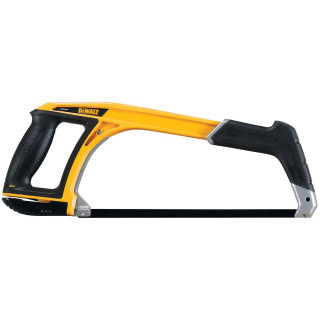
If your day involves threaded rod, conduit, bolts, or small metal sections, do not try and muddle through with a wood saw. A hacksaw frame with the correct blade pitch will cut cleaner, track straighter, and waste less time.
3. Blade Length and Access
If you are mostly working in open areas, a full size saw is quicker and easier to keep straight. If you are under stairs, inside cupboards, or cutting in around fitted work, a shorter or more compact option is the better call.
4. Buy for Replacement Blades Too
If you are choosing DeWalt hacksaws, make sure you can get the blades you will actually burn through on site. There is no point buying a decent frame if the blade in it is wrong for the material or already half spent.
Who Uses These on Site?
- Chippies keep DeWalt hand saws close for first fix timber, stud adjustments, and quick trim cuts when a powered saw is overkill.
- Sparkies use drywall saws for neat plasterboard openings and keep DeWalt hacksaws handy for conduit, trunking supports, and threaded rod.
- Plumbers and heating fitters reach for hacksaws when cutting pipe clips, bolts, and metal fixings in cupboards, risers, and other tight service areas.
- Maintenance teams swear by this sort of saw because it sorts the small, awkward jobs fast without noise, dust, or a load of setup.
- General builders and snagging crews usually carry one in the bag, especially with DeWalt tool bags, because there is always one cut left to do before handover.
Hand Saw Accessories That Keep You Cutting
A few sensible extras save wasted time, rough cuts, and that walk back to the van for something you should already have packed.
1. Replacement Hacksaw Blades
This is the obvious one, but plenty of lads ignore it until the blade starts skating across metal and taking twice as long. Keep spare blades ready so you are not forcing blunt teeth through conduit or threaded rod and ruining the finish.
2. Tape Measure
Bad cuts usually start with bad marking, not bad saws. A proper DeWalt tape measures setup keeps your lengths right first time, which matters when you are trimming timber, board, or metal in finished spaces.
3. Cutting Tools
Sometimes a saw is only part of the job. Having other DeWalt cutting tools close by helps with trimming, scoring, and finishing without chewing materials up with the wrong blade.
Choose the Right DeWalt Hand Saws for the Job
Use this quick guide to sort the right saw before you start cutting the wrong material.
| Your Job | Category or Type | Key Features |
|---|---|---|
| Cutting studs, battens, and general timber on first fix | General hand saw | Fast wood cutting tooth pattern, decent blade length, solid handle for straight site cuts |
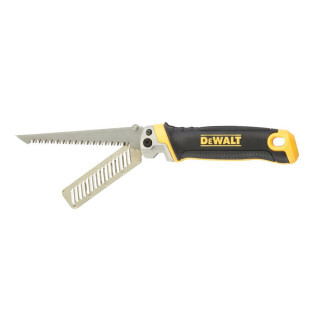
| Making socket and access openings in plasterboard | Drywall saw | Pointed tip for easy start, narrow blade for control, good for awkward board cuts |
| Trimming conduit, bolts, and threaded rod | Hacksaw | Rigid frame, replaceable blades, proper control on light metal work |
| Snagging and small cuts in tight finished areas | Compact hand saw | Shorter length, easier access, better control where space is limited |
| Van stock for mixed day to day site work | Mixed DeWalt saw range | One timber saw, one drywall saw, one hacksaw, covers most quick cutting jobs |
Common Buying and Usage Mistakes
- Buying one saw to do every material usually ends in rough cuts and wasted effort. Use a timber saw for wood, a drywall saw for board, and DeWalt hacksaws for metal.
- Keeping a blunt hacksaw blade in service too long slows everything down and makes the cut wander. Swap it early and the frame will do its job properly.
- Choosing a long blade for cramped work sounds fine until you are knocking into finished walls and pipework. In tight spaces, a shorter saw gives better control and less mess.
- Rushing the mark out is what ruins plenty of hand cuts. Measure properly, mark clearly, and let the saw track rather than forcing it back onto line halfway through.
- Throwing saws loose in the van damages teeth and bends blades quicker than most realise. Store them properly so they are ready to cut clean when you need them.
General Hand Saws vs Drywall Saws vs Hacksaws
General Hand Saws
This is the one for timber, sheet wood, and everyday first fix cutting. It is quickest on open cuts and longer strokes, but it is not the right choice for metal or poking neat holes through plasterboard.
Drywall Saws
Drywall saws are made for plasterboard and similar sheet material where you need to start inside the board and steer around a shape. They are handy for sparkies and maintenance jobs, but they are no use for proper timber sawing.
Hacksaws
Hacksaws are the right call for conduit, bolts, threaded rod, and light metal sections. You get cleaner metal cuts and better control, but they are slower on wood and pointless for plasterboard openings.
Maintenance and Care
Clear Dust and Swarf After Use
Brush off sawdust, plaster dust, and metal filings before the saw goes back in the bag. It keeps teeth clearer, stops grime building around the handle, and helps you spot wear early.
Change Blades Before They Cost You Time
On hacksaws especially, a tired blade means more effort, poorer tracking, and rougher cuts. Replace blades when they start dragging rather than trying to squeeze another week out of them.
Store Them Properly
Do not leave saws rattling around under fittings and fixings in the van. Straight blades and sharp teeth last longer when they are kept in a dedicated pocket or sleeve.
Keep Frames Tight
If you are using DeWalt hacksaws, check blade tension and frame fixings now and again. A loose blade wanders in the cut and makes simple metal work harder than it needs to be.
Replace Damaged Saws When Control Goes
If a blade is bent, teeth are badly stripped, or the handle is cracked, stop carrying it as spare kit and replace it. Hand saws are cheap compared with the time lost fixing a bad cut.
Why Shop for DeWalt Hand Saws at ITS?
Whether you need a straight replacement for site timber cutting, a drywall saw for board work, or a hacksaw for metal, we stock the full DeWalt hand saw range in one place. That means DeWalt trade saws, DeWalt hacksaws, and the day to day cutting kit trades actually use, all held in our own warehouse and ready for next day delivery.
DeWalt Hand Saws FAQs
What hand saws does DeWalt make?
DeWalt covers the main site hand saw types most trades actually need, including general wood cutting saws, drywall saws for plasterboard, and hacksaws for metal. It is a practical range aimed at day to day cutting jobs rather than novelty shapes you will never use.
Are DeWalt hand saws suitable for site use?
Yes. They are built for site knocks, van storage, and repeated use on real trade jobs. That said, use the right saw for the material and keep the blade in decent nick, because even tough kit cuts badly when it is blunt or being used for the wrong job.
What's the difference between the saws in the DeWalt hand tool range?
The main difference is what they are built to cut. General hand saws are for timber and sheet wood, drywall saws are for piercing and shaping plasterboard, and hacksaws are for metal like conduit, bolts, and threaded rod. Pick by material first and you will usually get it right.
Do DeWalt hacksaws come with blades, or do I need to buy them separately?
Many hacksaws are supplied with a starter blade, but do not assume the included one is the best choice for every job. If you are cutting plenty of metal on site, it is worth ordering spare or different tooth blades at the same time so you are not stuck with one tired blade halfway through the week.
Will a drywall saw make a clean opening, or does it just tear the board up?
Yes, it will make a tidy opening if you let the saw do the work and do not over force it. The pointed blade starts easily and gives you better control for socket boxes and access cuts than trying to jab through with a general hand saw.
Are these worth carrying if I already use cordless saws?
Definitely. There are loads of jobs where a hand saw is quicker, quieter, and less hassle than fetching powered kit. One clean cut in a finished room, a quick board opening, or trimming a bit of threaded rod is exactly why a decent hand saw still earns space in the bag.