Dewalt Tape Measures
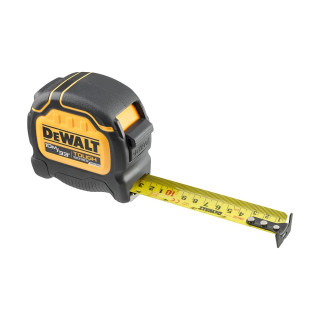
DeWalt tape measures are for marking out fast and staying accurate when you are working solo, up a ladder, or measuring long runs on site.
When you are setting out stud walls, trimming doors, or pricing up materials, a tape that kinks, snaps back rough, or you cannot read in low light just wastes time. These professional DeWalt tape measures are built for day-to-day abuse, with clear markings, solid lock-offs, and cases that take a drop. Pick the length and width that suits your work and get one that you will actually keep on your belt.
What Jobs Are DeWalt Tape Measures Used For?
- Setting out studwork, joists, and partitions where repeatable measurements and a reliable lock stop you chasing errors down the line.
- Measuring sheet materials and timber for cut lists, so you can mark once and cut clean without the tape folding over halfway across a board.
- Second fix and fit-out work like doors, kitchens, and trim, where a clear blade and quick read saves time when you are working off awkward angles.
- Estimating and ordering materials on refurbs and extensions, where a tape that survives pockets, drops, and site dust is the difference between smooth days and constant replacements.
Choosing the Right DeWalt Tape Measure
Match the tape to how you actually measure on site, not what looks good on the shelf.
1. Length for the work you do
If you are mostly on second fix, kitchens, and internal trim, a shorter tape is quicker on the belt and easier to control. If you are setting out rooms, fencing, or measuring long runs, go longer so you are not joining measurements and introducing mistakes.
2. Blade width and standout
If you measure solo across boards and openings, pick a tape with a wider blade so it stands out without folding. If you are always in tight cupboards and service voids, a slimmer tape is easier to feed and retract without fighting it.
3. Readability and lock feel
If you are marking out all day, prioritise bold, easy-to-read markings and a lock that holds without slipping. A tape that creeps even a couple of mill can throw hinges, sockets, and cut lines out and you will only notice when it is too late.
Who Uses DeWalt Tape Measures?
- Chippies and joiners doing first fix set-out and second fix fitting, because a tape that reads clean and locks properly keeps your gaps and lines where they should be.
- Sparks and plumbers measuring runs, chasing routes, and setting heights for boxes and brackets, where one-handed use and a tough case matters when you are on steps.
- General builders and site supervisors pricing and checking work, because a dependable tape is the quickest way to avoid ordering short or cutting twice.
Tape Measure Essentials That Save Time
A tape is only half the marking out job, so keep the rest of the basics close and you will work quicker and cleaner.
1. Marking pencils and markers
Pair your tape with a proper site pencil or marker so your lines stay visible on dusty timber, block, or plasterboard, instead of disappearing the moment you pick the saw up.
2. Combination squares
A combo square stops wonky marks when you are transferring tape measurements onto timber or sheet, which is where a lot of bad cuts start.
3. Chalk lines
For long straight set-out lines on floors, walls, and boards, a chalk line is quicker and more accurate than trying to join short tape marks and hoping they line up.
Shop DeWalt Tape Measures at ITS
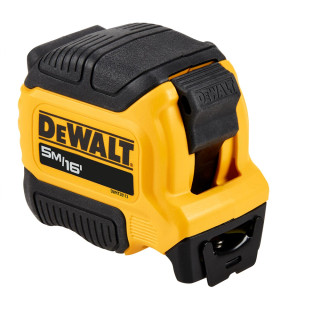
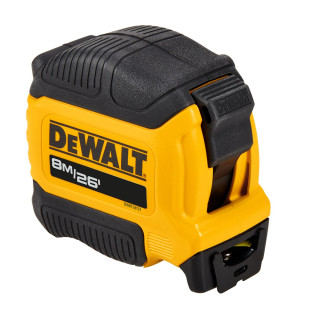
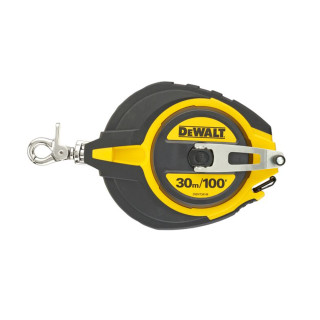
Whether you need a compact tape for day-to-day second fix or a longer blade for set-out and measuring runs, we stock a full range of DeWalt tape measures in different lengths and styles. It is all held in our own warehouse, in stock and ready for next day delivery so you can get sorted for tomorrow's shift.
DeWalt Tape Measures FAQs
Are DeWalt tape measures accurate enough for fit-out work?
Yes, they are made for trade measuring and consistent mark-out, but do the sensible check when it matters: compare your tape against another tape you trust before tight work like doors, kitchens, or built-in units.
Do they cope with drops and getting thrown in the van?
They are built for site use and the cases take knocks well, but no tape likes being launched onto concrete every day. If you want it to last, clip it on your belt and do not let the blade snap back at full speed.
What length should I buy for general building work?
If you are doing a mix of first fix and general set-out, go for a longer tape so you can measure openings and runs in one go. If you are mostly second fix and snagging, a shorter tape is handier and quicker on the belt.
Will the blade kink if I measure one-handed?
It depends on the blade width and how far you are trying to push it out. For solo measuring across boards and openings, choose a tape with a wider blade and better standout, and do not over-extend it past what it will hold.
Are professional DeWalt tape measures worth it over a cheap tape?
If you are on the tools most days, yes, because you will feel it in the lock, the blade control, and how well it survives pockets and drops. A cheap tape that slips or folds costs more in rework than you save at the till.