Dewalt Guides and Measures
DeWalt guides and measures help you set out right first time, whether you're lining stud, marking joists, or checking levels before second fix goes in.
If your setting out is off, everything after it is harder work. DeWalt guides and measures are the bits you reach for before the cutting starts, from DeWalt tape measures and levels to squares, chalk lines and layout gear that can take site knocks. Good for chippies, sparks, brickies and fitters who need straight lines, honest readings and kit that stays readable in the bottom of the bag. Pick the right measuring tools for the work and get it marked out properly first time.
What Are DeWalt Guides and Measures Used For?
- Setting out stud walls, kitchen runs and first fix timber work is quicker when your lines are square, your lengths are repeatable and your marks stay clear through the job.
- Checking floors, frames and block courses with DeWalt spirit levels helps stop small errors creeping in before boards, doors or units go on.
- Marking roof work, stair parts and timber cuts with DeWalt squares and bevels gives you cleaner joints and less wasted material on second attempts.
- Snapping long, visible layout lines across slabs, floors and masonry with DeWalt chalk lines makes larger setting out jobs far easier than trying to work off short pencil marks.
- Transferring level points across rooms or larger sites with DeWalt laser levels saves time on repetitive marking and helps keep follow-on trades working to the same reference.
Choosing the Right DeWalt Guides and Measures
Match the tool to the layout job. Do not rely on one tape and hope it covers everything.
1. Short Checks vs Full Set Out
If you are measuring cabinet gaps, door linings or repeated bench work, a compact tape is easier to live with all day. If you are setting out stud runs, rafters or long floor sections, go longer so you are not stitching measurements together and building in errors.
2. Layout Accuracy vs Rough Distance
If the cut has to land bang on, use the right square, bevel or level as well as the tape. A tape alone is fine for rough sizing, but for mitres, framing and finish work you need proper reference faces and dead-straight edges.
3. Indoor Fitting vs Open Site Work
For indoor second fix, lighter measuring accessories are usually enough. If you are working outside on slabs, blockwork or wider set out, pick tougher bodies, clearer vials and bold markings that stay readable when the kit gets dusty or wet.
4. Hand Marking vs Fast Line Work
If you are marking one-off cut points, a tape and square will do the job. If you are pulling long straight references across floors, walls or masonry, use a chalk line or laser and save yourself the usual wandering pencil marks.
Who Uses These on Site?
- Chippies use DeWalt measuring tools for first fix studwork, joist marking, roofing cuts and second fix fitting where a bad line shows up straight away.
- Sparkies keep DeWalt tape measures and marking tools close for back box heights, containment runs and quick checks when setting out sockets, trays and trunking.
- Brickies and groundworkers use levels, lines and layout gear to keep courses, edges and slab runs true before the job gets too far gone to pull back.
- Kitchen fitters, joiners and snagging teams swear by accurate guides and measures because tight scribe work, cabinet runs and finish details do not forgive guesswork.
- Site managers and general builders reach for this kit when checking openings, levels and setting out details before other trades start building off the wrong mark.
The Basics: Understanding DeWalt Guides and Measures
This range is really about one thing: giving you a reliable reference before you cut, drill or fix. Different tools handle different parts of that process.
1. Measuring Tools Give You the Size
Tape measures and distance tools tell you the length, height or spacing you are working to. They are the first step when you are checking openings, spacing centres or sizing material before cutting.
2. Guides Give You a True Line
Squares, bevels and straight edges turn a measurement into a mark you can trust. That matters when you need a cut line, a right angle or a repeated pitch that actually transfers properly onto the workpiece.
3. Levels and Line Tools Keep Everything Consistent
Spirit levels, chalk lines and lasers help you carry that reference across a wall, floor or room. On site, that means fewer follow-on problems because everyone is working from the same straight, level starting point.
Useful Extras That Keep Your Measuring Kit Working
A few simple add-ons make setting out quicker, clearer and less of a faff when the job gets busy.
1. Spare Chalk and Refill Bottles
If your chalk line is empty halfway through setting out a floor, you are back to string, pencil and guesswork. Keep refill chalk to hand so your lines stay visible and the job keeps moving.
2. Replacement Blades and Pencils
There is no point measuring properly if you cannot leave a clean mark. Fresh pencils, markers or knives stop fuzzy lines and save you misreading your own set out later.
3. Tripods or Mounts for Laser Levels
Balancing a laser on a bucket is asking for trouble. A proper tripod or mount gets the beam at the right height, keeps it steady and saves constant readjusting across the room.
Choose the Right DeWalt Guides and Measures for the Job
Use this quick guide to sort the right measuring and layout kit for the work in front of you.
| Your Job | Category or Type | Key Features |
|---|---|---|
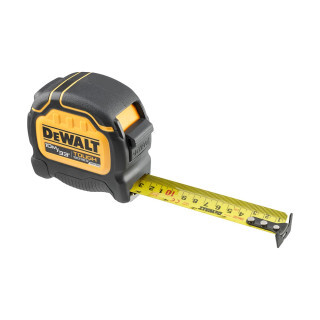
| General first fix measuring and cut marking | Tape measures | Clear blade markings, decent standout, tough case and easy belt carry. |
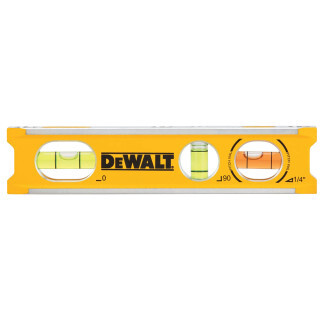
| Checking door frames, cabinets and wall runs | Spirit levels | Accurate vials, strong frame and enough length for the workpiece or opening. |
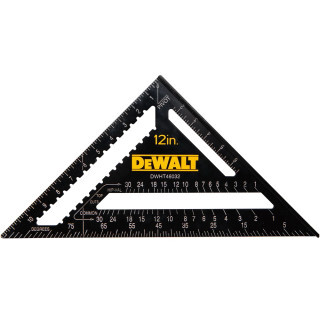
| Marking square cuts on timber and sheet material | Squares and bevels | True edges, readable graduations and solid locking on adjustable types. |
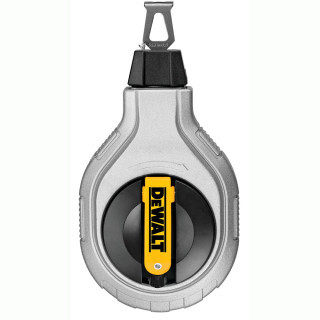
| Pulling long straight set out lines on floors and masonry | Chalk lines | Fast rewind, visible chalk coverage and a line that stays tight over distance. |
| Transferring level lines across rooms or larger areas | Laser levels | Self levelling setup, clear beam and stable mounting for repeatable references. |
Common Buying and Usage Mistakes
- Buying a tape measure on length alone and ignoring readability usually means slower marking and more errors, so check the blade markings and casing as well as the reach.
- Using a short level on a long run can make bad work look acceptable, then the problem shows up when units, frames or trim go on, so match the level length to the span you are checking.
- Trying to set out everything with just a tape measure wastes time and loses accuracy, so use squares, bevels or chalk lines where the mark needs to be repeated or carried over distance.
- Leaving measuring kit loose in the van knocks vials, damages hooks and rubs markings off, so store it where the working edges and reading faces are protected.
- Trusting old faint marks or worn chalk lines leads to drift in the set out, so refresh the mark properly before cutting instead of guessing where the original line was.
Tape Measures vs Spirit Levels vs Laser Levels
Tape Measures
Best for quick sizing, spacing and everyday marking out. Every trade needs one, but a tape only gives you the number. It does not guarantee square, level or a clean line across distance.
Spirit Levels
Best when you need to physically check plumb, level and straight against the work. Better than lasers for quick close-up checks on frames, units and blockwork, but slower when you need to transfer lines across a whole room.
Laser Levels
Best for speed and consistency over wider areas. They save time on repetitive marking and room-wide references, but they still work best alongside a tape and hand tools for final measuring and cut marks.
Squares and Bevels
Best for turning a measurement into a usable cut or angle. They are the better choice for joinery, framing and trim work where a true edge matters more than just reading a distance off a blade.
Maintenance and Care
Keep Markings Clean
Wipe down tape blades, level faces and square edges after dusty work. Once markings are clogged with plaster, MDF dust or mud, you slow yourself down reading them and mistakes creep in.
Protect Working Edges
Do not throw levels and squares in loose with heavy tools. Bent edges and knocked corners ruin accuracy, even if the tool still looks usable at a glance.
Check Tape Hooks and Returns
If the hook is bent or the blade retracts badly, the reading can be off before you even mark the job. Replace worn tapes once they stop returning cleanly or start catching.
Store Dry After Wet Site Work
After rain or washdown jobs, let metal parts dry before they live in the van again. It helps stop corrosion, sticky mechanisms and chalk clogging up in line reels.
Replace When Accuracy Goes
A worn pencil is one thing. A damaged measuring tool is another. If a vial is suspect, the blade is kinked or the square is out, retire it. Bad setting out costs far more than replacing the tool.
Why Shop for DeWalt Guides and Measures at ITS?
Whether you need basic DeWalt measuring tools for the tool bag or full setting out kit for site work, we stock the range in one place. That includes DeWalt tape measures, levels, squares, chalk lines and more, all held in our own warehouse and ready for next day delivery.
DeWalt Guides and Measures FAQs
What guides and measuring tools does DeWalt make?
DeWalt makes the core setting out kit most trades actually use day to day, including tape measures, spirit levels, squares, bevels, chalk lines, marking tools and laser measuring gear. It is the sort of range you use before the cutting, fixing or fitting starts, whether you are framing out, checking levels or marking repeated cuts.
Are DeWalt tape measures metric and imperial?
Many DeWalt tape measures are supplied with metric and imperial markings, but not every model is the same, so it is worth checking the product spec before you buy. If you bounce between site drawings, old extensions and mixed trades, dual marked blades save a lot of messing about.
What's included in the DeWalt guides and measures range?
The DeWalt guides and measures range covers everyday measuring, marking and levelling kit. That usually means tapes, levels, layout tools, squares, bevels, chalk line gear and selected laser based tools for jobs where you need longer, cleaner reference lines.
Are these DeWalt measuring tools tough enough for daily site use?
Yes, they are built for trade use, not just shelf life. Cases, blades and frames are generally made to cope with being carried, dropped in the van and used across rough site work, but like any measuring kit, accuracy matters more than looks. If a square gets bent or a tape hook gets knocked out, replace it.
Do I need more than just a tape measure?
For rough sizing, a tape will cover plenty. For proper setting out, no. If you need square cuts, level runs or long straight layout lines, you will want a level, square or chalk line as well. That is what stops small measuring errors turning into visible fitting problems later.
Are DeWalt levels and layout tools suitable for first fix and second fix work?
Yes. On first fix they help with stud, joist, opening and service set out. On second fix they come into their own for cabinets, trim, frames and finish work where a bad line is obvious straight away. The main thing is choosing the right length and type for the task.