Dewalt Cutting Tools
DeWalt cutting tools are for site jobs where blunt edges, poor grip and snapped blades just slow you down and wreck the finish.
When you're trimming cable, cutting sheet, stripping back insulation or opening packs all day, you need hand tools that hold an edge and sit right in the hand. This DeWalt cutting tool range covers DeWalt hand cutting tools for sparks, fitters, roofers and snagging teams, including DeWalt pliers cutters, snips, shears and knives built for daily site abuse. If you know the material you're cutting and the access you've got, you'll waste less money and get the right kit first time.
What Are DeWalt Cutting Tools Used For?
- Cutting cable ties, light wire, sleeving and general fixings during first fix and second fix work is where DeWalt hand cutting tools earn their keep, especially when you're in and out of boards and trunking all day.
- Trimming sheet materials, mesh, flashing and lighter gauge metal on roofing, ducting and cladding jobs is exactly where DeWalt snips shears save time and leave a cleaner edge than forcing it with the wrong tool.
- Stripping packaging, scoring plasterboard, trimming membranes and opening materials on delivery makes a good knife or blade one of the most-used bits of kit in the van.
- Working through awkward cuts in tight service voids, cupboards and ceiling spaces is easier with the right DeWalt pliers cutters because you get better access and less hand strain over a full shift.
Choosing the Right DeWalt Cutting Tools
Sorting the right one is simple. Match the cutting edge to the material and the access, not just whatever's nearest in the pouch.
1. Pliers Cutters for Wire and Daily Site Trim
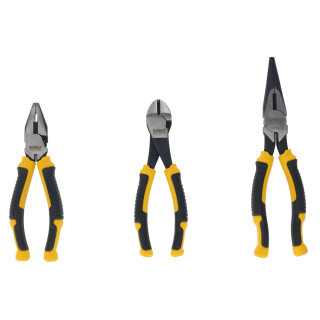
If you're mainly cutting cable ties, wire and small fixings, go straight to DeWalt pliers and cutters. They're the better pick when you need grip and control in one hand, not a big sweeping cut.
2. Snips and Shears for Sheet and Membranes
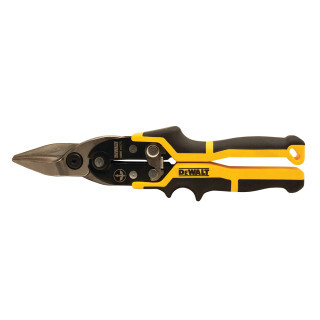
If the job involves flashing, ducting, mesh or sheet material, use DeWalt snips and shears. Do not try to bully sheet with cutters meant for wire or you'll twist the tool and ruin the cut line.
3. Knives and Blades for Scoring and Fast Utility Work
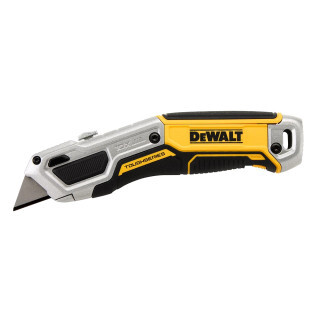
For plasterboard, insulation, packaging, membrane and general trim work, DeWalt knives and blades are the sensible choice. If you're constantly changing material through the day, keep a knife on you and save the heavier cutters for the proper job.
4. Carry and Access Matter More Than Most Lads Think
If you're up ladders, moving room to room or working off a belt, store your most-used cutters in DeWalt tool pouches. The best cutting tool in the world is no use if it's buried in the van when you need it.
Who Uses These on Site?
- Sparkies use DeWalt cutting tools for cable work, trunking trim and quick snips on ties and small fixings, and most keep a pair of cutters close by for first fix runs and board work.
- HVAC fitters and duct installers reach for snips and shears when they need cleaner cuts in thin sheet and flashing without mangling the edge before fixing.
- Roofers and cladders use DeWalt hand cutting tools for membranes, sheet trims and general cutting jobs where a knife, shear or cutter gets used dozens of times in one day.
- Maintenance teams, shopfitters and site managers keep these in the van for snagging, pack-down and quick adjustment work where powered kit would be overkill.
Accessories and Add Ons That Make More Sense on Site
A few simple extras make DeWalt cutting tools quicker to carry, easier to replace and less likely to go missing on busy jobs.
1. Spare Utility Blades
A blunt blade tears plasterboard, chews insulation and slows everything down. Keep spare blades with your knife so you're not trying to finish clean work with an edge that's already done half the site.
2. Tool Pouches
A proper pouch stops you dropping knives and cutters in pockets or leaving them on window boards. It also means your most-used hand cutting tools stay on you instead of wasting time walking back to the toolbox.
3. Multi Tool Pliers
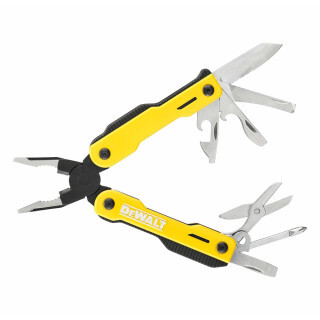
For van kits, breakdown work and maintenance callouts, DeWalt multi tool pliers save carrying extra bits for quick trimming, gripping and adjustment jobs where space is tight.
Choose the Right DeWalt Cutting Tools for the Job
Use this as a quick guide before you buy the wrong cutter for the material.
| Your Job | Category or Type | Key Features |
|---|---|---|
| Cutting wire, ties and small fixings on first fix | Pliers cutters | Compact jaws, controlled cutting edge, better grip in tight boards and service spaces |
| Trimming flashing, mesh or light sheet material | Snips and shears | Longer cutting edges, cleaner sheet cuts, less distortion along the line |
| Scoring plasterboard, insulation and membranes | Knives and blades | Fast blade changes, sharp edge retention, easy carry for repeat use through the day |
| Snagging, van work and mixed small repairs | Multi tool pliers | Several functions in one tool, easier to carry, useful for quick adjustments and cuts |
Common Buying and Usage Mistakes
- Buying one cutter and expecting it to handle every material usually ends with rough cuts, damaged edges and sore hands. Match pliers cutters, snips or knives to the actual job.
- Using wire cutters on sheet or flashing twists the jaws and ruins the finish. If the material is broad or thin sheet, use snips or shears instead.
- Letting blades go dull wastes more time than most admit. Change blades early and keep the cut clean rather than forcing tired edges through every task.
- Ignoring storage is how tools go missing or end up damaged in the bottom of the bag. Keep your everyday cutting kit in a pouch or fixed pocket so it stays to hand.
Pliers Cutters vs Snips and Shears vs Knives and Blades
Pliers Cutters
Best for wire, ties, small fixings and jobs where grip matters as much as the cut. They are the right choice for electrical and general site trimming, but not for long cuts in sheet.
Snips and Shears
Best for flashing, mesh, ducting and lighter sheet materials. They give a cleaner, straighter cut across broader material, but they are bulkier and less useful for tight cable work.
Knives and Blades
Best for scoring, trimming and repeat utility work on plasterboard, insulation, packaging and membranes. They are quick and easy to carry, but they are not a substitute for proper cutters on wire or metal.
Maintenance and Care
Clean the Cutting Edges
Wipe off adhesive, dust, metal filings and site grime after use. Dirty edges drag through material and make even decent cutters feel blunt.
Keep Moving Joints Free
A drop of light oil on pivots and joints helps snips, shears and pliers open smoothly. If the action starts tightening up, sort it early before hand strain sets in.
Replace Blades Before They Tear
Utility blades are consumables. If they're dragging, tearing or wandering off line, replace them straight away rather than wrecking the finish and fighting the cut.
Store Them Dry and Properly
Do not leave cutting tools loose in damp boxes or van floors. Dry storage helps stop corrosion and protects the edges from getting knocked about by other tools.
Why Shop for DeWalt Cutting Tools at ITS?
Whether you need a single site knife, fresh blades, snips for sheet work or a full spread of DeWalt hand cutting tools, we stock the range properly. That includes everyday DeWalt pliers and cutters and specialist cutting kit, all held in our own warehouse and ready for next day delivery.
DeWalt Cutting Tools FAQs
What cutting tools does DeWalt make for hand tool use?
DeWalt covers the main hand cutting jobs properly. In this range you'll find DeWalt pliers cutters, snips, shears, knives, blades and compact cutting tools for general site, electrical, sheet material and snagging work.
Are DeWalt cutting tools suitable for electrical work?
Yes, plenty of DeWalt hand cutting tools are well suited to electrical jobs like trimming ties, cutting light wire and general board work. Just check the exact tool spec before use, especially if you need insulated tools for live working rules and site compliance.
What's the difference between pliers; snips; and shears?
Pliers cutters are for wire, ties and smaller cutting jobs where grip and control matter. Snips are for lighter sheet and shaped cuts. Shears suit longer or broader cuts in thin material where you want a cleaner line and less distortion.
Will these hold up to daily site use, or are they just for light van jobs?
They are built for proper site use, but the trick is using the right type for the right material. A good pair of cutters will take daily abuse well, but no hand tool lasts if it's being forced through stuff it was never meant to cut.
Do I really need separate cutters and a knife?
Yes, if you want cleaner work and less faff. Use cutters for wire and fixings, and keep a knife for scoring, trimming and opening materials. One tool trying to do both jobs usually means slower work and a rougher finish.
What is the best DeWalt cutting tool range for mixed maintenance work?
For mixed callouts and van work, a combination of knife, spare blades and compact cutters covers most jobs. If space is tight and you need one pocket tool for quick fixes, start with DeWalt multi tool pliers and build out from there.