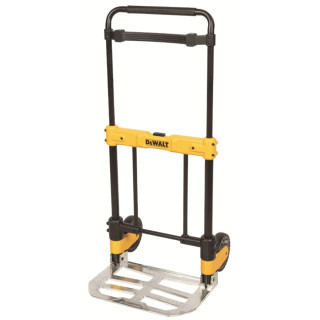
Dewalt Load Carrying & Weight Bearing
DeWalt load carrying straps secure plant, materials and awkward kit in transit, with ratchet straps and lifting slings built for proper site and yard use.
If you're shifting generators, bundling materials, or tying gear down in the van, this is the kit that stops loads moving and jobs getting held up. DeWalt ratchet straps, tie down straps and webbing slings are made for trade transport and handling, with clear ratings and tough hardware that stand up to regular site abuse. Pair them with DeWalt hand trucks when you're moving heavier kit, and check the spec properly before you buy.
What Are DeWalt Load Carrying Straps Used For?
- Securing generators, compressors and stacked boxes in the back of a van stops gear shifting on roundabouts, braking hard, or turning up to site with damaged kit.
- Strapping down plasterboard packs, timber lengths and site materials on trailers keeps awkward loads tight and stable for short yard runs or longer motorway jobs.
- Lifting and positioning heavy items with DeWalt lifting slings gives you a safer, rated way to handle loads where chains would mark finished surfaces or awkward shapes need flexible support.
- Bundling pipe, conduit, trunking and other loose stock makes loading quicker and stops bits rolling about the van or getting dragged across site.
- Holding wheeled storage and transport kit steady, especially alongside DeWalt toolboxes with wheels, helps stop expensive gear toppling over in transit.
Choosing the Right DeWalt Load Carrying Straps
Sorting the right one is simple: match the strap to the load, the way you're moving it, and the rating on the label. Guessing is how loads shift or lifts get stopped.
1. Ratchet Strap or Lifting Sling
If you're tying kit down for transport, use DeWalt ratchet straps or tie down straps. If you're actually lifting the load, use a properly rated DeWalt lifting sling or webbing sling instead. Do not treat a transport strap like lifting gear.
2. Check the Working Load, Not Just the Width
A wider strap often feels more substantial, but the safe working load is what matters. If you're securing heavier plant or dense materials, go by the marked rating first and make sure it covers the real weight with a sensible margin.
3. Think About Strap Length and Anchor Points
If the load is tall, wide or awkward, a short strap will just waste your time. Measure the route round the load and check where you're actually hooking on, especially in vans and trailers where anchor points are not always where you want them.
4. Buy for Regular Use if the Strap Lives in the Van
If you're only strapping the odd toolbox, a basic setup may do. If the straps are being tightened, loosened and dragged about every day, spend your money on trade-rated hardware and webbing that will keep its shape and stay readable on the label.
Who Uses These on Site?
- Builders, groundworkers and landscapers use DeWalt cargo straps for keeping loads secure on trailers, pickups and flatbeds when shifting plant, slabs and bulk materials.
- Sparkies and plumbers keep DeWalt ratchet straps in the van for tying down trunking, pipe, boxes and longer stock that would otherwise slide around all day.
- Warehouse teams, fitters and delivery crews reach for DeWalt lifting slings when they need a flexible, rated way to move awkward kit without damaging edges or finished surfaces.
- Service engineers and mobile trades pair these with DeWalt tool bags and DeWalt tool totes to keep smaller gear packed down and properly controlled in the van.
The Basics: Understanding DeWalt Load Carrying Straps
The main thing to understand is that transport restraint and lifting are not the same job. Get that right first, then the rest is just choosing the correct rating and length.
1. Tie Down Straps Restrain Loads
DeWalt tie down straps and ratchet straps are there to stop a load moving during transport. They tighten the load onto the vehicle or trailer bed, which is what keeps gear stable when you brake, corner or hit rough roads.
2. Lifting Slings Carry Suspended Weight
DeWalt lifting slings and webbing slings are made for lifting loads with the right equipment and procedure. They are rated for suspended loads, which is a different job entirely from strapping something down in the van.
3. The Rating on the Label Is the Bit That Matters
Whether it is a cargo strap or a sling, the marked load rating tells you what it is designed to handle. If the label is missing, damaged or unreadable, do not trust it for serious work because you cannot prove what it is safe to do.
Useful Extras for Safer Load Handling
A few sensible add-ons make strapping, lifting and moving gear quicker and stop the usual damage to hands, webbing and kit.
1. DeWalt work gloves
Get a decent pair of DeWalt work gloves if you're hauling straps tight, handling rough pallets or working in cold weather. They save your hands from frayed webbing, sharp edges and pinch points around hooks and ratchets.
2. Hand Trucks
A hand truck stops you trying to drag heavy boxes and machines by brute force, then using straps to rescue a bad lift. Move the weight properly first, then strap it down once it is in place.
3. Wheeled Storage
Wheeled boxes and stacked storage need restraining in transit or they will roll, topple and batter each other. A couple of straps across the load saves damage to both the boxes and whatever is parked next to them.
Choose the Right DeWalt Load Carrying Straps for the Job
Use this quick guide to sort transport straps from proper lifting gear.
| Your Job | Category or Type | Key Features |
|---|---|---|
| Securing toolboxes and loose kit in a van | DeWalt ratchet straps | Quick tensioning, compact length, hooks that suit van anchor points, clear load rating. |
| Tying down materials on a trailer | DeWalt tie down straps | Longer reach, hard wearing webbing, solid ratchet action, suitable restraint rating for heavier loads. |
| Lifting awkward finished items without marking them | DeWalt lifting slings | Flexible webbing, rated for suspended loads, easier on edges and coated surfaces than chain. |
| Bundling pipe, conduit or timber for transport | DeWalt cargo straps | Fast to wrap, easy to tension, keeps long stock together and stops it rolling about. |
| Regular daily van and yard use | Trade rated webbing straps | Readable labels, tougher stitching, dependable hardware and webbing that copes with repeated use. |
Common Buying and Usage Mistakes
- Using a ratchet strap for lifting is the big one. Tie down straps are for restraint in transit, not suspended loads, so use a properly rated lifting sling when the load is leaving the ground.
- Buying on width alone catches people out. A strap can look chunky, but if the marked working load does not suit the weight, you have bought the wrong bit of kit.
- Ignoring damaged webbing, bent hooks or unreadable labels is asking for trouble. If you cannot verify the condition or rating, retire it and replace it before it fails on site.
- Over tightening across sharp corners shortens strap life fast. Protect the webbing or change the setup, otherwise you will cut fibres and weaken the strap where it matters most.
- Choosing the wrong length wastes time every single day. Too short and it will not reach, too long and you end up with loose excess webbing flapping about unless it is properly managed.
Ratchet Straps vs Tie Down Straps vs Lifting Slings
DeWalt Ratchet Straps
Best for tightening loads down hard in vans, trailers and pickups. They give you proper tension and control, but they are transport restraint gear, not something to use for lifting.
DeWalt Tie Down Straps
Good for general cargo restraint where you need to keep materials, boxes or plant stable in transit. Choose these when the job is securing the load to the vehicle rather than hoisting it.
DeWalt Lifting Slings
These are for actual lifting with the right procedure and equipment. They suit awkward or delicate loads better than chain, but only when the sling rating and lift method match the job.
Webbing Slings vs Hard Hardware
Webbing slings are easier on painted, finished or odd shaped items, while hard restraint hardware comes into its own for clamping loads down firmly during transport. Pick based on whether you are lifting or restraining.
Maintenance and Care
Check Webbing Before Every Use
Look for cuts, fraying, heat damage, pulled stitching and crushed sections. If the webbing is damaged, do not chance it just because the ratchet still works.
Keep the Hardware Clean
Mud, grit and dried plaster jam up ratchet mechanisms and wear moving parts. Brush them out after use so the strap tightens and releases properly next time.
Store Them Dry and Out of the Way
Do not leave straps soaked, buried under rubble or chucked loose in the back of the van. Dry storage helps preserve the webbing and stops hooks and mechanisms corroding.
Retire Any Strap with an Unreadable Label
If you cannot read the rating, you cannot prove what the strap is safe for. That is enough reason to replace it, especially on commercial jobs or where lifting is involved.
Replace, Do Not Patch
Knotted webbing, bent hooks and makeshift repairs are false economy. Once a strap is compromised, bin it and put a sound one back in the van.
Why Shop for DeWalt Load Carrying Straps at ITS?
Whether you need DeWalt ratchet straps for van loads, tie down straps for trailers, or lifting slings for handling awkward kit, we stock the proper range in one place. That includes the sizes, ratings and strap types trades actually use, all in our own warehouse and ready for next day delivery.
DeWalt Load Carrying Straps FAQs
What's the safe working load of a DeWalt ratchet strap?
It depends on the exact strap, so always go by the rating shown on that model's label and product spec. Do not guess off the width or the look of it, because safe working load varies and that label is the only figure you should trust on site.
Are DeWalt load carrying straps rated for commercial use?
Yes, many are built for proper trade and commercial use, but you still need to check the individual product rating and intended use. A commercial job does not mean every strap suits every load, so match the spec to the task and inspect it before use.
How do you choose the correct lifting sling?
Start with the real load weight, then check the sling type, length and rated capacity for the lift you are doing. Also think about the shape of the load, where the sling sits, and whether edges or surfaces need protecting. If it is a lifting job, do not substitute a tie down strap.
Can I use a DeWalt ratchet strap for lifting a load off the ground?
No. Ratchet straps are for securing loads in transit, not for suspended lifting. If the load is being hoisted, use a properly rated lifting sling and the correct lifting procedure.
How do I know when a strap needs replacing?
If the webbing is cut, frayed, melted, heavily abraded, badly stained with chemicals, or the label is unreadable, retire it. The same goes for bent hooks or ratchets that no longer tighten and release cleanly.
Are webbing slings better than chains for finished items?
Often, yes. Webbing slings are a better choice where you want less risk of marking painted, coated or finished surfaces. They are still not damage proof though, so protect sharp edges and make sure the sling is rated for the lift.