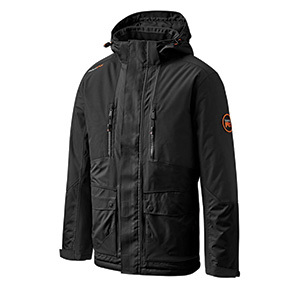
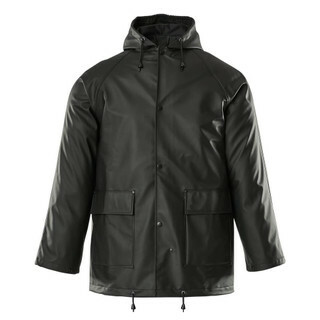
Work Jackets, Work Coats & Bodywarmers
Work jackets keep you working when the weather turns, without snagging, tearing, or soaking through halfway into the shift.
On UK sites you need layers that move with you and take abuse. From waterproof work coats for wet days to insulated workwear jackets and quilted work bodywarmers for cold starts, pick the right outer for the job and crack on.
What Jobs Are Work Jackets Best At?
- Working outside through wind and rain where a waterproof work jacket or weatherproof work coat stops you getting drenched and losing heat on long shifts.
- Cold weather starts on open sites where insulated workwear jackets and padded work coats keep your core warm without you having to over-layer and feel bulky on the tools.
- Active graft like loading out, first fix, and ladder work where breathable work jackets help you vent sweat so you are not soaked inside by mid-morning.
- Indoor refurbs and warehouse work where a work bodywarmer gives warmth on your core but keeps arms free for fixing, lifting, and overhead work.
- Everyday site wear where hard wearing work jackets with decent cuffs, zips, and pockets stand up to dust, snags, and being thrown in the van day after day.
Choosing the Right Work Jackets
Pick your outer layer like you pick your boots: match it to the weather and the way you work, not what looks good on a hanger.
1. Jacket, coat, or bodywarmer
If you are on ladders, lifting, or working overhead, a work jacket or work bodywarmer keeps you mobile. If you are standing about on exposed sites or doing long outdoor stints, a longer work coat gives better coverage and stops draughts up your back.
2. Waterproof vs weatherproof
If you are out in proper rain all day, go for a genuinely waterproof work jacket with sealed seams and a proper storm flap. If you are mostly in and out of buildings with the odd shower, a weatherproof work coat is often enough and usually breathes better.
3. Insulated, padded, or layered
If you run cold or start early, insulated work jackets and padded work coats make life easier. If you are constantly moving and heating up, a lighter shell with a thermal work bodywarmer underneath is the smarter setup because you can strip layers without changing your whole kit.
4. Fit and movement for men and women
Mens work jackets often give more room in the shoulders for lifting and carrying, while womens work jackets are cut to sit right without riding up. Whatever you choose, check you can reach, kneel, and drive without the hem pulling or the cuffs catching.
Work Jackets and Work Coats FAQs
Do I need a work coat or is a work jacket enough?
If you are outside all day in wind and rain, a longer work coat gives better coverage and stops draughts up your back when you bend and lift. If you are moving a lot, climbing, or working in and out of buildings, a work jacket is usually easier to work in.
Are waterproof work jackets actually waterproof or just shower resistant?
Proper waterproof work jackets will have sealed seams and zip protection, because that is where most jackets leak first. If it does not mention sealed seams or similar construction, treat it as weatherproof for light rain rather than an all day downpour layer.
What is better for site work in winter, an insulated jacket or a bodywarmer?
If you are standing about, driving, or doing slow paced outdoor work, an insulated work jacket is the warmer option. If you are active on the tools, a thermal work bodywarmer over a hoodie keeps your core warm but stops you overheating and sweating out your sleeves.
Will a heavy duty work jacket feel too bulky when I am working?
Some do, especially thicker padded work coats, so think about what you actually do day to day. If you are constantly reaching, fixing, and climbing, go for a better fitting workwear jacket and layer underneath, rather than one massive coat that fights you all shift.
Do mens and womens work jackets fit differently enough to matter?
Yes, it matters on site because a bad fit rides up, pulls across the shoulders, and lets cold air in. Womens work jackets are generally shaped to sit properly without excess bulk, and mens work jackets often give more room across the back and shoulders for lifting and carrying.
Who Are Work Jackets and Work Coats For on Site?
- Builders, brickies, and groundworkers who need heavy duty work jackets that take knocks, mortar dust, and wet weather without falling apart.
- Sparks, plumbers, and HVAC installers who want comfortable work coats or workwear bodywarmers that do not snag when you are crawling under floors or reaching into voids.
- Joiners, roofers, and cladders working exposed edges where waterproof work jackets and insulated work jackets stop wind chill cutting you in half.
- Site supervisors and maintenance teams who need professional workwear jackets that look tidy, carry essentials in pockets, and cope with being worn every day.
The Basics: Understanding Work Jackets
Most trade work jackets are built as a simple system: an outer to block wind and rain, and an inner to hold heat. Get that balance right and you stay warm without sweating yourself silly.
1. Shell layers (wind and rain control)
A good outer fabric and hood setup stops wind chill and keeps water off your base layers. On site, the details that matter are sealed seams, decent zip protection, and cuffs that actually close down when you are working in the wet.
2. Insulation (warmth without bulk)
Insulated work jackets use padding to trap warm air, which is ideal when you are standing around, driving plant, or doing snagging outdoors. If you are constantly on the move, a bodywarmer gives warmth on the core but stops you overheating in the arms.
3. Breathability (staying dry inside)
Breathable work jackets let sweat escape so you do not end up damp and cold when you stop moving. It is the difference between feeling comfortable all day and having to change layers at lunch.
Work Jacket Add Ons That Make Winter Easier
A decent outer layer works best when the rest of your kit backs it up, especially on wet, cold, stop start days.
1. Thermal base layers
A proper base layer stops you swinging between freezing and sweating, and it makes lighter workwear jackets feel warmer without adding bulk that catches on tools and materials.
2. Work hoodies and fleeces
These are the mid layer that lets you adapt on site; keep one in the van so you can add warmth under a shell when the wind picks up, then strip it off when you are back indoors.
3. Gloves and beanies
If your hands are numb you work slower and make mistakes, so do not rely on a heavy duty work jacket alone. A warm hat and the right gloves keep heat in and let you keep dexterity for fixings and small parts.
Shop Work Jackets at ITS.co.uk
Whether you need waterproof work jackets for wet site days, insulated work coats for winter, or work bodywarmers for indoor and outdoor layering, we stock the full range in loads of fits and sizes. It is all held in our own warehouse, in stock and ready for next day delivery.