


Ryobi Laser Levels

Ryobi Laser Levels give you fast, straight set-out for shelves, stud, tiles and fixings without wasting time marking and re-marking walls by hand.

When you're fitting kitchens, lining up sockets or setting battens, a decent laser saves a load of fiddling about and stops small errors turning into a crooked finish. Ryobi Laser Levels are a solid shout for regular home improvement tools use and light trade tools work, especially if you're already on Ryobi kit. If you want simple set-out that is quick to trust and easy to carry, this is the place to start.

What Are Ryobi Laser Levels Used For?

  • Setting out kitchen units, shelves and wall cabinets is far quicker with a clear level line across the whole run, so you are not chasing pencil marks from one end of the room to the other.
  • Lining up sockets, switches and trunking on first and second fix jobs helps keep everything neat, especially when you need repeated heights across plastered walls.
  • Marking studwork, battens and partition runs in refurbs gives you a straight visual reference before you start fixing, which cuts down on wonky timber and wasted adjustments.
  • Tiling splashbacks, bathrooms and utility rooms is easier when the laser gives you a reliable horizontal to work from, particularly when floors or worktops are not perfectly true.
  • Handling basic outside layout for fences, posts and light landscaping jobs can save time as well, provided you work within the tool's visible range and site conditions.

Choosing the Right Ryobi Laser Levels

Sorting the right one is simple. Match the laser type and power setup to the job, not the other way round.

1. Cross Line or More Coverage

If you are mostly hanging shelves, fitting kitchens or marking out indoors, a basic cross line unit usually does the job. If you need wider room coverage, multiple directions or more layout options, step up to a model with extra lines.

2. Battery Platform Matters

If you are already running Ryobi 18V ONE+, it makes sense to stay on the same system where the model allows. It keeps charging simple and means one battery platform covers more of your Ryobi cordless tools.

3. Indoor Use or Mixed Site Work

If the laser is mainly for indoor fitting-out, you can focus on visibility and ease of setup. If it is going between rooms, extensions and occasional outside jobs, look harder at working range, mounting options and how well it will cope being knocked about in the van.

4. Keep It Simple if You Only Need Set Out

Do not overbuy. If all you need is a fast level line for fixings and layout, a straightforward laser is usually the better buy than a feature-packed unit you will barely use.

Who Uses These on Site?

  • Kitchen fitters use Ryobi Laser Levels to run long cabinet lines and keep wall units, extractor points and splashback set-out looking right first time.
  • Sparkies reach for them when marking repeated socket heights, trunking runs and fixing positions, especially on refurbs where nothing in the room is properly square.
  • Joiners and chippies use them for battens, stud partitions, door furniture heights and general first fix where a straight reference saves constant measuring back and forth.
  • Decorators and tilers rely on them for border lines, feature walls and tile starts, because it is quicker than snapping lines and easier to trust across awkward surfaces.
  • DIY users and property maintenance teams swear by them for shelves, curtain rails, garden jobs and home improvement tools work where you want it level without overthinking it.

The Basics: Understanding Ryobi Laser Levels

These save time by projecting a straight reference line onto the job, so you are fixing to something level rather than relying on repeated tape marks. Here is the simple version.

1. Cross Line Lasers

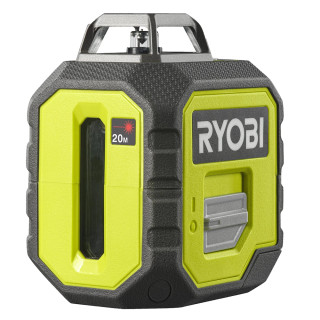
This is the standard setup for most indoor work. You get a horizontal and vertical line for jobs like shelves, cabinets, tiles, trunking and stud marking, which means less measuring and fewer chances to drift off line.

2. Self Levelling

Most users want a self levelling model because it sorts minor surface unevenness for you. Set it on a reasonably flat base, let it settle, and you have a line you can trust instead of second guessing the spirit bubble.

3. Visibility and Range

The brighter and clearer the line, the easier the job is in bigger rooms or stronger light. For simple indoor fitting, standard visibility is usually fine. For larger areas or occasional outside use, range and line brightness matter more.

Useful Extras for Ryobi Laser Levels

A couple of sensible add-ons make setup quicker and stop the laser becoming another awkward bit of kit in the van.

1. Tripods and Mounts

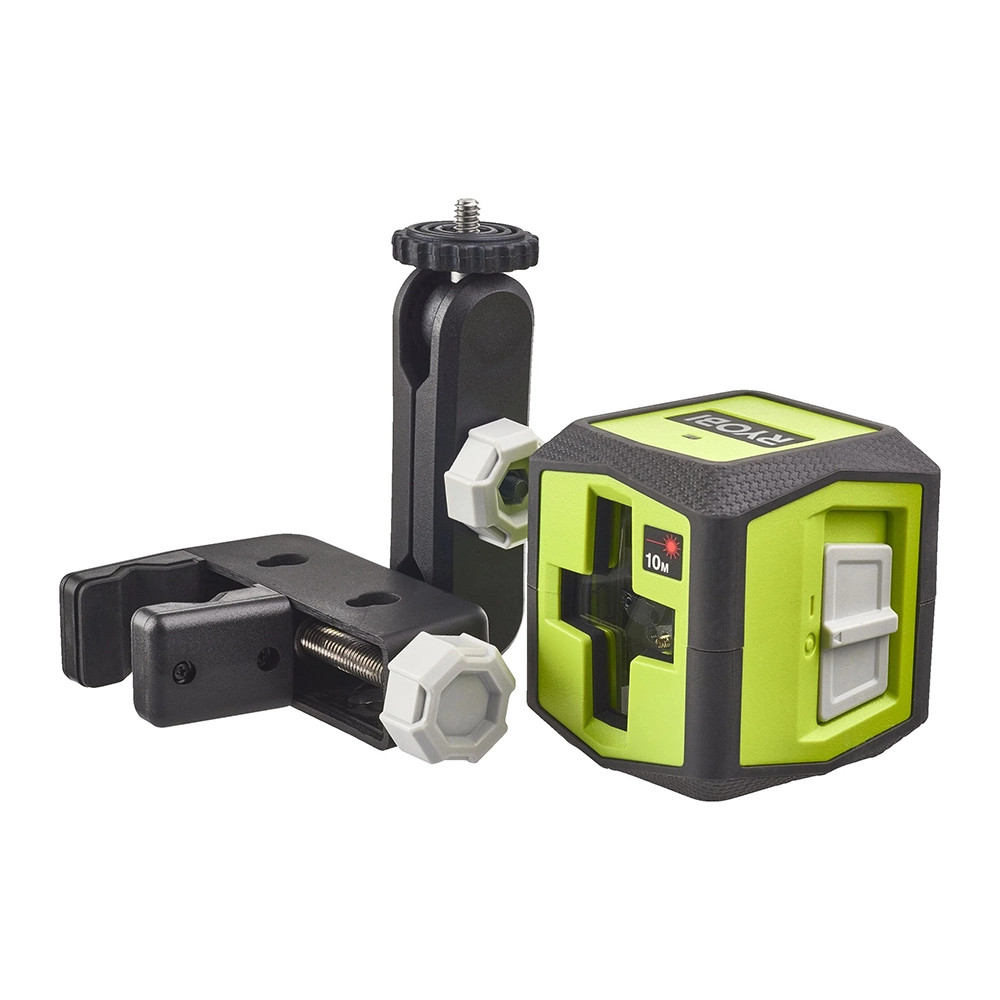
A proper mount or tripod saves you balancing the laser on paint tins, window boards or offcuts. You get the height you need, the line stays steady, and you are not wasting ten minutes building a platform just to mark a wall.

2. Spare Batteries

If your model runs on the ONE plus platform, a spare from Batteries Chargers and Mounts is the obvious backup. It stops the job grinding to a halt when the battery dies halfway through setting out a full room.

3. Carry Cases and Protective Storage

Lasers do not like being thrown in loose with drill bits, screws and hand tools. A proper case helps keep lenses, pendulums and controls from getting battered between jobs.

Choose the Right Ryobi Laser Levels for the Job

Use this quick guide to sort the right setup for the work in front of you.

Your Job Category or Type Key Features
Hanging shelves and pictures at home Basic cross line laser Simple level and plumb lines, quick setup, easy to carry round room to room
Fitting kitchen units and cabinets Self levelling cross line laser Reliable horizontal reference, good indoor visibility, mounting options for repeated fixing heights
Tiling bathrooms and splashbacks Cross line laser with clear horizontal line Consistent tile start line, easier layout across uneven walls and worktops, less remarking
Marking studwork and first fix runs Multi line or wider coverage laser More layout flexibility, vertical and horizontal references, better for repeated marks in larger rooms
Light garden and outdoor layout Laser with stronger visibility and stable mounting Better range, easier reading in brighter conditions, suited to fence lines and basic external set-out

Common Buying and Usage Mistakes

  • Buying on features instead of the actual work is a common one. If you only need indoor set-out for shelves, units or tiles, paying for extra functions you will never use is just wasted money.
  • Using a laser in bright outdoor conditions without checking visibility catches plenty of people out. The line can wash out fast, so match the tool to the environment before you assume it will handle garden work.
  • Balancing the laser on whatever is nearest instead of using a proper mount leads to bad lines and repeated adjustments. A stable setup is half the job with this sort of kit.
  • Forgetting battery compatibility can be a pain if you are trying to keep one platform across your gear. Check whether the model fits your existing Ryobi cordless tools setup before ordering.
  • Throwing the laser loose in the van shortens its life quickly. Lenses get scratched, pendulums get knocked, and accuracy can suffer if it is treated like a lump hammer.

Cross Line vs Multi Line vs Manual Levels

Cross Line Lasers

This is the best all-round pick for most Ryobi Laser Levels UK buyers. They are quick for shelves, tiles, kitchen runs and first fix marking, without overcomplicating jobs that just need a straight horizontal and vertical reference.

Multi Line Lasers

These suit bigger layout jobs or users who want more coverage in one setup. They give you more working lines and flexibility, but they only make sense if you are regularly setting out larger spaces or more involved installs.

Manual Spirit Levels

A manual level still has its place for quick checks and short runs, but it is slower once the work spreads across a whole wall. If you are measuring, marking and rechecking repeatedly, a laser saves time and usually gives a tidier result.

Maintenance and Care

Keep the Lens Clean

Dust on the lens dulls the beam and makes the line harder to read. Wipe it carefully with a soft cloth after use, especially after plastering, sanding or general dusty room work.

Store It Properly

Keep the laser in its case or protected storage instead of chucking it in with mixed kit. It is a measuring tool, not a site beater, and a few knocks too many can ruin accuracy.

Check Accuracy Now and Then

If it has had a fall or a rough week in the van, run a basic accuracy check before starting important layout work. It is better to lose five minutes checking than fit a full run of units off a bad line.

Look After the Batteries

If your unit shares power with other Ryobi power tools, charge packs properly and avoid leaving them flat for long periods. Good battery habits mean the laser is ready when you need it, not dead in the toolbox.

Replace Worn Accessories Before They Cause Trouble

If mounts, threads or brackets are damaged, swap them out before they start slipping on the job. A shaky support gives you shaky set-out, and that is where mistakes creep in.

Why Shop for Ryobi Laser Levels at ITS?

Whether you need a straightforward set-out tool for home improvement tools work or a more capable unit to sit alongside your trade tools, we stock the Ryobi Laser Levels range in one place. You will also find the wider Lasers Detectors Digital Measures range, plus backup kit from Garden Power Tools if you are already building out your Ryobi tools UK setup. It is all held in our own warehouse, in stock, and ready for next day delivery.

Ryobi Laser Levels FAQs

What are Ryobi Laser Levels used for?

They are used for straight, level set-out on jobs like hanging shelves, fitting kitchen units, tiling, marking socket runs, lining up battens and setting studwork. In plain terms, they save you from constantly measuring and remarking walls by hand.

Are Ryobi Laser Levels compatible with Ryobi batteries?

Some are, especially where they sit within the wider ONE plus system, but not every laser in any brand range is powered the same way. Check the product listing properly before buying so you know whether it runs on compatible packs or a separate power setup.

How do I choose the right ryobi laser levels?

Start with the job. For indoor shelves, cabinets and tiles, a self levelling cross line model is usually enough. If you need more layout coverage or occasional outdoor use, look harder at line configuration, visibility, range and how it mounts up on site.

Can Ryobi Laser Levels be used for DIY and garden jobs?

Yes, they are well suited to DIY tools use such as shelves, picture rails, fencing and small landscaping layout. Just be realistic outdoors, because bright sunlight and longer distances can make any laser harder to see.

Are Ryobi Laser Levels accurate enough for proper fitting work?

Yes, for the kind of fitting and layout work they are built for, they are more than up to the job when set up properly. The main thing is giving them a stable surface or mount and checking accuracy if the unit has taken a knock.

Will a laser level replace my spirit level completely?

Not completely. A laser is faster for long runs and repeated marks, but a spirit level still earns its keep for quick checks, short fixings and jobs where you do not need to set the laser up at all.
Read more

Ryobi Laser Levels

Ryobi Laser Levels give you fast, straight set-out for shelves, stud, tiles and fixings without wasting time marking and re-marking walls by hand.

When you're fitting kitchens, lining up sockets or setting battens, a decent laser saves a load of fiddling about and stops small errors turning into a crooked finish. Ryobi Laser Levels are a solid shout for regular home improvement tools use and light trade tools work, especially if you're already on Ryobi kit. If you want simple set-out that is quick to trust and easy to carry, this is the place to start.

What Are Ryobi Laser Levels Used For?

  • Setting out kitchen units, shelves and wall cabinets is far quicker with a clear level line across the whole run, so you are not chasing pencil marks from one end of the room to the other.
  • Lining up sockets, switches and trunking on first and second fix jobs helps keep everything neat, especially when you need repeated heights across plastered walls.
  • Marking studwork, battens and partition runs in refurbs gives you a straight visual reference before you start fixing, which cuts down on wonky timber and wasted adjustments.
  • Tiling splashbacks, bathrooms and utility rooms is easier when the laser gives you a reliable horizontal to work from, particularly when floors or worktops are not perfectly true.
  • Handling basic outside layout for fences, posts and light landscaping jobs can save time as well, provided you work within the tool's visible range and site conditions.

Choosing the Right Ryobi Laser Levels

Sorting the right one is simple. Match the laser type and power setup to the job, not the other way round.

1. Cross Line or More Coverage

If you are mostly hanging shelves, fitting kitchens or marking out indoors, a basic cross line unit usually does the job. If you need wider room coverage, multiple directions or more layout options, step up to a model with extra lines.

2. Battery Platform Matters

If you are already running Ryobi 18V ONE+, it makes sense to stay on the same system where the model allows. It keeps charging simple and means one battery platform covers more of your Ryobi cordless tools.

3. Indoor Use or Mixed Site Work

If the laser is mainly for indoor fitting-out, you can focus on visibility and ease of setup. If it is going between rooms, extensions and occasional outside jobs, look harder at working range, mounting options and how well it will cope being knocked about in the van.

4. Keep It Simple if You Only Need Set Out

Do not overbuy. If all you need is a fast level line for fixings and layout, a straightforward laser is usually the better buy than a feature-packed unit you will barely use.

Who Uses These on Site?

  • Kitchen fitters use Ryobi Laser Levels to run long cabinet lines and keep wall units, extractor points and splashback set-out looking right first time.
  • Sparkies reach for them when marking repeated socket heights, trunking runs and fixing positions, especially on refurbs where nothing in the room is properly square.
  • Joiners and chippies use them for battens, stud partitions, door furniture heights and general first fix where a straight reference saves constant measuring back and forth.
  • Decorators and tilers rely on them for border lines, feature walls and tile starts, because it is quicker than snapping lines and easier to trust across awkward surfaces.
  • DIY users and property maintenance teams swear by them for shelves, curtain rails, garden jobs and home improvement tools work where you want it level without overthinking it.

The Basics: Understanding Ryobi Laser Levels

These save time by projecting a straight reference line onto the job, so you are fixing to something level rather than relying on repeated tape marks. Here is the simple version.

1. Cross Line Lasers

This is the standard setup for most indoor work. You get a horizontal and vertical line for jobs like shelves, cabinets, tiles, trunking and stud marking, which means less measuring and fewer chances to drift off line.

2. Self Levelling

Most users want a self levelling model because it sorts minor surface unevenness for you. Set it on a reasonably flat base, let it settle, and you have a line you can trust instead of second guessing the spirit bubble.

3. Visibility and Range

The brighter and clearer the line, the easier the job is in bigger rooms or stronger light. For simple indoor fitting, standard visibility is usually fine. For larger areas or occasional outside use, range and line brightness matter more.

Useful Extras for Ryobi Laser Levels

A couple of sensible add-ons make setup quicker and stop the laser becoming another awkward bit of kit in the van.

1. Tripods and Mounts

A proper mount or tripod saves you balancing the laser on paint tins, window boards or offcuts. You get the height you need, the line stays steady, and you are not wasting ten minutes building a platform just to mark a wall.

2. Spare Batteries

If your model runs on the ONE plus platform, a spare from Batteries Chargers and Mounts is the obvious backup. It stops the job grinding to a halt when the battery dies halfway through setting out a full room.

3. Carry Cases and Protective Storage

Lasers do not like being thrown in loose with drill bits, screws and hand tools. A proper case helps keep lenses, pendulums and controls from getting battered between jobs.

Choose the Right Ryobi Laser Levels for the Job

Use this quick guide to sort the right setup for the work in front of you.

Your Job Category or Type Key Features
Hanging shelves and pictures at home Basic cross line laser Simple level and plumb lines, quick setup, easy to carry round room to room
Fitting kitchen units and cabinets Self levelling cross line laser Reliable horizontal reference, good indoor visibility, mounting options for repeated fixing heights
Tiling bathrooms and splashbacks Cross line laser with clear horizontal line Consistent tile start line, easier layout across uneven walls and worktops, less remarking
Marking studwork and first fix runs Multi line or wider coverage laser More layout flexibility, vertical and horizontal references, better for repeated marks in larger rooms
Light garden and outdoor layout Laser with stronger visibility and stable mounting Better range, easier reading in brighter conditions, suited to fence lines and basic external set-out

Common Buying and Usage Mistakes

  • Buying on features instead of the actual work is a common one. If you only need indoor set-out for shelves, units or tiles, paying for extra functions you will never use is just wasted money.
  • Using a laser in bright outdoor conditions without checking visibility catches plenty of people out. The line can wash out fast, so match the tool to the environment before you assume it will handle garden work.
  • Balancing the laser on whatever is nearest instead of using a proper mount leads to bad lines and repeated adjustments. A stable setup is half the job with this sort of kit.
  • Forgetting battery compatibility can be a pain if you are trying to keep one platform across your gear. Check whether the model fits your existing Ryobi cordless tools setup before ordering.
  • Throwing the laser loose in the van shortens its life quickly. Lenses get scratched, pendulums get knocked, and accuracy can suffer if it is treated like a lump hammer.

Cross Line vs Multi Line vs Manual Levels

Cross Line Lasers

This is the best all-round pick for most Ryobi Laser Levels UK buyers. They are quick for shelves, tiles, kitchen runs and first fix marking, without overcomplicating jobs that just need a straight horizontal and vertical reference.

Multi Line Lasers

These suit bigger layout jobs or users who want more coverage in one setup. They give you more working lines and flexibility, but they only make sense if you are regularly setting out larger spaces or more involved installs.

Manual Spirit Levels

A manual level still has its place for quick checks and short runs, but it is slower once the work spreads across a whole wall. If you are measuring, marking and rechecking repeatedly, a laser saves time and usually gives a tidier result.

Maintenance and Care

Keep the Lens Clean

Dust on the lens dulls the beam and makes the line harder to read. Wipe it carefully with a soft cloth after use, especially after plastering, sanding or general dusty room work.

Store It Properly

Keep the laser in its case or protected storage instead of chucking it in with mixed kit. It is a measuring tool, not a site beater, and a few knocks too many can ruin accuracy.

Check Accuracy Now and Then

If it has had a fall or a rough week in the van, run a basic accuracy check before starting important layout work. It is better to lose five minutes checking than fit a full run of units off a bad line.

Look After the Batteries

If your unit shares power with other Ryobi power tools, charge packs properly and avoid leaving them flat for long periods. Good battery habits mean the laser is ready when you need it, not dead in the toolbox.

Replace Worn Accessories Before They Cause Trouble

If mounts, threads or brackets are damaged, swap them out before they start slipping on the job. A shaky support gives you shaky set-out, and that is where mistakes creep in.

Why Shop for Ryobi Laser Levels at ITS?

Whether you need a straightforward set-out tool for home improvement tools work or a more capable unit to sit alongside your trade tools, we stock the Ryobi Laser Levels range in one place. You will also find the wider Lasers Detectors Digital Measures range, plus backup kit from Garden Power Tools if you are already building out your Ryobi tools UK setup. It is all held in our own warehouse, in stock, and ready for next day delivery.

Ryobi Laser Levels FAQs

What are Ryobi Laser Levels used for?

They are used for straight, level set-out on jobs like hanging shelves, fitting kitchen units, tiling, marking socket runs, lining up battens and setting studwork. In plain terms, they save you from constantly measuring and remarking walls by hand.

Are Ryobi Laser Levels compatible with Ryobi batteries?

Some are, especially where they sit within the wider ONE plus system, but not every laser in any brand range is powered the same way. Check the product listing properly before buying so you know whether it runs on compatible packs or a separate power setup.

How do I choose the right ryobi laser levels?

Start with the job. For indoor shelves, cabinets and tiles, a self levelling cross line model is usually enough. If you need more layout coverage or occasional outdoor use, look harder at line configuration, visibility, range and how it mounts up on site.

Can Ryobi Laser Levels be used for DIY and garden jobs?

Yes, they are well suited to DIY tools use such as shelves, picture rails, fencing and small landscaping layout. Just be realistic outdoors, because bright sunlight and longer distances can make any laser harder to see.

Are Ryobi Laser Levels accurate enough for proper fitting work?

Yes, for the kind of fitting and layout work they are built for, they are more than up to the job when set up properly. The main thing is giving them a stable surface or mount and checking accuracy if the unit has taken a knock.

Will a laser level replace my spirit level completely?

Not completely. A laser is faster for long runs and repeated marks, but a spirit level still earns its keep for quick checks, short fixings and jobs where you do not need to set the laser up at all.

ITS Click and Collect Icon
What3Words:
Get Directions
Store Opening Hours
Opening times