


Ryobi Lasers, Detectors & Digital Measures

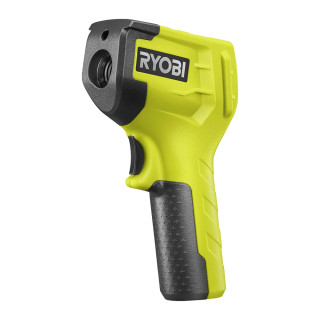
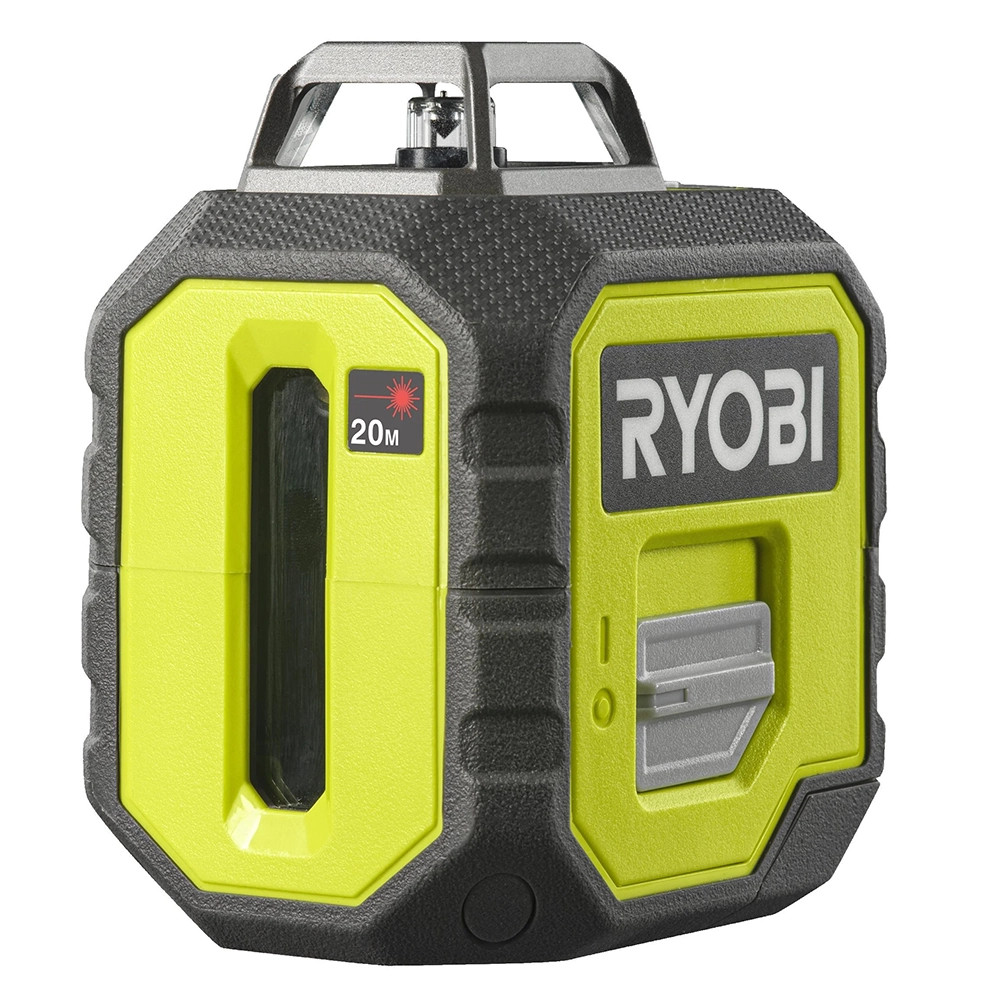
Ryobi Lasers Detectors Digital Measures help you set out straight, find hidden services, and measure up properly before the fixing starts.

On refits, kitchen installs, shelving, studwork and snagging, this is the kit that stops wonky lines and wasted cuts. Ryobi keeps it practical for site jobs and home improvement alike, especially if you're already on Ryobi 18V ONE+. If you need fast, repeatable set-out without dragging out old spirit levels and tape every five minutes, start here and buy for the work you actually do.

What Are Ryobi Lasers Detectors Digital Measures Used For?

  • Setting out kitchen units, shelves, dado rails and wall fixings is quicker with a laser that throws a clear line instead of relying on marks and a spirit level across the room.
  • Finding studs, live cables and pipe routes before drilling saves you from blowing out plasterboard or hitting something expensive behind the wall on refurb jobs.
  • Measuring room sizes, ceiling heights, floor areas and awkward spans with digital measures cuts down the back-and-forth when pricing, ordering materials or checking a cut list.
  • Working through first fix and second fix is easier when detectors and lasers help you keep socket runs, battens and brackets lined up properly from the start.
  • Sorting garden buildings, fencing runs and outdoor fixing points is far more accurate when you can measure distances quickly and keep your set-out straight.

Choosing the Right Ryobi Lasers Detectors Digital Measures

Sorting the right one is simple: buy for the job you do most, not the one job you might do once a year.

1. Laser, Detector or Digital Measure

If you're hanging units, lining up brackets or fitting out rooms, go laser first. If you're drilling into existing walls, a detector earns its keep straight away. If you're quoting, ordering materials or measuring rooms all day, a digital measure will save more time than either.

2. Indoor Set-Out or Full Property Work

For indoor fixing and short room runs, a standard line laser is usually enough. If you're measuring larger spaces or working across several rooms, go for better range and visibility so you're not forever moving the tool.

3. Battery Platform Matters

If you're already running Ryobi cordless tools, sticking with compatible gear makes sense because you're not buying into another charging setup. Have a look at Batteries Chargers and Mounts before you get caught short mid-job.

4. Accuracy Beats Extra Features

Don't get distracted by add-ons if the core job is simple. A clear beam, honest measuring performance and controls you can use quickly on site matter more than features you'll never touch.

Who Uses These on Site?

  • Sparkies use lasers and detectors for lining up back boxes, trunking and fixings, and for checking walls before drilling where cables may already be buried.
  • Kitchen fitters and chippies rely on digital measures and line lasers when setting cabinets, worktops, battens and shelves, especially where one bad mark throws the whole run out.
  • General builders and maintenance teams keep this kit close for refurbs, snagging and room fit-outs where quick measuring and straight set-out save repeat trips and rework.
  • DIY users and landlords reach for these on home improvement jobs because they make hanging, mounting and planning far easier than guessing with a tape and pencil alone.

The Basics: Understanding Ryobi Lasers Detectors Digital Measures

These tools do different jobs, but they all help you avoid bad set-out and wasted time. Here is the simple breakdown.

1. Lasers for Straight Set-Out

A laser projects a level or plumb reference line onto the work area, so you can fix battens, cabinets, rails or brackets in line without constantly remarking the wall. It is about getting the run right first time.

2. Detectors for Hidden Risks

A detector scans behind walls to help locate studs, cables or pipes before you drill or cut. On refurb work especially, that can save a lot of grief and a patch-up you did not price for.

3. Digital Measures for Fast Sizing Up

A digital measure gives you quick distance readings without wrestling a tape across empty rooms or over obstacles. It is the handy option for pricing, material checks and repeat measuring where speed matters.

Accessories That Keep Your Measuring Kit Working

A couple of sensible extras make these tools far easier to live with on site and at home.

1. Spare Batteries

A spare battery is the obvious one if your laser runs on the same platform as the rest of your gear. You do not want the line disappearing halfway through setting a kitchen or marking a full room out.

2. Charger

A proper charger stops kit being left flat in the van between jobs. If this is joining an existing Ryobi setup, make sure your charging kit matches what you already carry.

3. Tripods and Mounts

A mount or tripod saves balancing the laser on paint tins, offcuts or the nearest window board. It gives you a steady line at the height you actually need.

Choose the Right Ryobi Lasers Detectors Digital Measures for the Job

Match the tool type to the work and you will get far better results with less faff.

Your Job Category or Type Key Features
Hanging shelves, rails and cabinets Line Laser Clear level line, quick setup, easy indoor visibility
Drilling into stud walls on refurb jobs Detector Stud finding, cable detection, pipe location support
Measuring rooms for quotes and materials Digital Measure Fast distance readings, repeat measurements, easy one person use
Full room set-out and repeated fixing runs Higher Range Laser Better beam visibility, wider working area, less repositioning
DIY jobs indoors and around the garden Compact Laser or Measure Simple controls, quick checks, easy storage in the van or shed

Common Buying and Usage Mistakes

  • Buying a detector when the real need is accurate set-out means you still end up marking everything by hand. If the job is lining up fixings or units, start with a laser instead.
  • Assuming every model works on the same battery setup can catch you out. Check the power source before ordering, especially if you want it to sit with your existing Ryobi cordless tools kit.
  • Using a laser on an unstable surface gives you bad lines and bad fixings. Put it on a proper mount or steady base so the reference line is worth trusting.
  • Relying on a detector without understanding what it is reading can lead to cautious guesswork or wrong drilling points. Read the display properly and scan the area more than once before committing.
  • Buying for maximum range when you only work indoors usually means paying for spec you will never use. For most room fitting and home improvement tools jobs, clarity and speed matter more.

Lasers vs Detectors vs Digital Measures

Lasers

Best for straight lines, level fixing points and repeatable set-out across a room. If your work is cabinets, battens, sockets or rails, this is the time saver. It will not tell you what is hidden in the wall though.

Detectors

Best for checking behind surfaces before drilling or cutting. They are the right call on refurb and maintenance work where hidden cables and pipes are the real risk. They do not replace proper level marking.

Digital Measures

Best for fast room measuring, pricing up and material calculations. They save one person jobs from turning into two person tape work, but they are not a substitute for a detector when you are opening up walls.

Which One Should You Buy First

If you fit and fix, start with a laser. If you drill into unknown walls all week, get a detector. If quoting, measuring and planning takes up half your day, a digital measure will earn its keep quickest.

Maintenance and Care

Keep the Lens and Screen Clean

Dust on a laser lens or detector screen makes readings harder to trust. Wipe them down after use and do not leave plaster dust building up in the buttons and edges.

Store It Properly

Do not throw measuring kit loose in the van under drills and fixings. A case or dedicated pouch saves cracked housings, damaged screens and knocked calibration.

Check Accuracy Regularly

If a laser has taken a knock, test it before trusting it on a full run of cabinets or rails. A quick check beats finding out at the end of the job that the whole line is out.

Look After Batteries

Charge batteries before they are left flat for weeks and keep terminals clean. If you are building out your setup, matching with the right Ryobi power tools support kit makes life easier.

Replace Worn Kit Before It Costs You

If the screen is unreadable, the laser line is weak or the controls are inconsistent, do not keep battling on. Measuring kit only earns its keep when you can trust it straight away.

Why Shop for Ryobi Lasers Detectors Digital Measures at ITS?

Whether you need a simple digital measure for home jobs or accurate set-out kit to sit alongside your Ryobi setup, we stock the full range in one place. You will find measuring and detection kit alongside Hand Tools, plus the wider Ryobi tools UK range, all held in our own warehouse and ready for next day delivery.

Ryobi Lasers Detectors Digital Measures FAQs

What are Ryobi Lasers Detectors Digital Measures used for?

They are used for setting out straight lines, checking levels, finding studs or hidden services, and measuring rooms or fixing points quickly. In plain terms, they help stop bad drilling, crooked installs and wasted material on both trade tools jobs and DIY tools work.

Are Ryobi Lasers Detectors Digital Measures compatible with Ryobi batteries?

Some are, especially where they sit within the wider Ryobi cordless tools setup, but not every measuring or detection product uses the same battery arrangement. Check the product details before you buy so it matches the kit and chargers you already own.

How do I choose the right ryobi lasers detectors digital measures?

Start with the actual job. For fixing lines and room set-out, buy a laser. For checking walls before drilling, buy a detector. For measuring rooms, openings and material quantities, buy a digital measure. If you already own Ryobi power tools, it also makes sense to check platform compatibility.

Can Ryobi Lasers Detectors Digital Measures be used for DIY and garden jobs?

Yes. They are just as useful for hanging shelves, building sheds, marking fence runs and planning home improvement tools jobs as they are for site work. If you are already using Garden Power Tools, it is handy keeping your kit within the same overall system where possible.

Are these accurate enough for proper fitting work, or just rough measuring?

Yes, for normal fitting, set-out and measuring jobs they are more than up to it, provided you use them properly and check the stated accuracy. They are designed to save time on everyday install work, not replace specialist survey gear.

Do I still need a tape measure if I buy a digital measure?

Usually yes. A digital measure is faster for room sizes, long spans and repeat quoting, but a tape is still handy for quick close work, marking off cuts and checking awkward corners where line of sight is poor.
Read more

Ryobi Lasers, Detectors & Digital Measures

Ryobi Lasers Detectors Digital Measures help you set out straight, find hidden services, and measure up properly before the fixing starts.

On refits, kitchen installs, shelving, studwork and snagging, this is the kit that stops wonky lines and wasted cuts. Ryobi keeps it practical for site jobs and home improvement alike, especially if you're already on Ryobi 18V ONE+. If you need fast, repeatable set-out without dragging out old spirit levels and tape every five minutes, start here and buy for the work you actually do.

What Are Ryobi Lasers Detectors Digital Measures Used For?

  • Setting out kitchen units, shelves, dado rails and wall fixings is quicker with a laser that throws a clear line instead of relying on marks and a spirit level across the room.
  • Finding studs, live cables and pipe routes before drilling saves you from blowing out plasterboard or hitting something expensive behind the wall on refurb jobs.
  • Measuring room sizes, ceiling heights, floor areas and awkward spans with digital measures cuts down the back-and-forth when pricing, ordering materials or checking a cut list.
  • Working through first fix and second fix is easier when detectors and lasers help you keep socket runs, battens and brackets lined up properly from the start.
  • Sorting garden buildings, fencing runs and outdoor fixing points is far more accurate when you can measure distances quickly and keep your set-out straight.

Choosing the Right Ryobi Lasers Detectors Digital Measures

Sorting the right one is simple: buy for the job you do most, not the one job you might do once a year.

1. Laser, Detector or Digital Measure

If you're hanging units, lining up brackets or fitting out rooms, go laser first. If you're drilling into existing walls, a detector earns its keep straight away. If you're quoting, ordering materials or measuring rooms all day, a digital measure will save more time than either.

2. Indoor Set-Out or Full Property Work

For indoor fixing and short room runs, a standard line laser is usually enough. If you're measuring larger spaces or working across several rooms, go for better range and visibility so you're not forever moving the tool.

3. Battery Platform Matters

If you're already running Ryobi cordless tools, sticking with compatible gear makes sense because you're not buying into another charging setup. Have a look at Batteries Chargers and Mounts before you get caught short mid-job.

4. Accuracy Beats Extra Features

Don't get distracted by add-ons if the core job is simple. A clear beam, honest measuring performance and controls you can use quickly on site matter more than features you'll never touch.

Who Uses These on Site?

  • Sparkies use lasers and detectors for lining up back boxes, trunking and fixings, and for checking walls before drilling where cables may already be buried.
  • Kitchen fitters and chippies rely on digital measures and line lasers when setting cabinets, worktops, battens and shelves, especially where one bad mark throws the whole run out.
  • General builders and maintenance teams keep this kit close for refurbs, snagging and room fit-outs where quick measuring and straight set-out save repeat trips and rework.
  • DIY users and landlords reach for these on home improvement jobs because they make hanging, mounting and planning far easier than guessing with a tape and pencil alone.

The Basics: Understanding Ryobi Lasers Detectors Digital Measures

These tools do different jobs, but they all help you avoid bad set-out and wasted time. Here is the simple breakdown.

1. Lasers for Straight Set-Out

A laser projects a level or plumb reference line onto the work area, so you can fix battens, cabinets, rails or brackets in line without constantly remarking the wall. It is about getting the run right first time.

2. Detectors for Hidden Risks

A detector scans behind walls to help locate studs, cables or pipes before you drill or cut. On refurb work especially, that can save a lot of grief and a patch-up you did not price for.

3. Digital Measures for Fast Sizing Up

A digital measure gives you quick distance readings without wrestling a tape across empty rooms or over obstacles. It is the handy option for pricing, material checks and repeat measuring where speed matters.

Accessories That Keep Your Measuring Kit Working

A couple of sensible extras make these tools far easier to live with on site and at home.

1. Spare Batteries

A spare battery is the obvious one if your laser runs on the same platform as the rest of your gear. You do not want the line disappearing halfway through setting a kitchen or marking a full room out.

2. Charger

A proper charger stops kit being left flat in the van between jobs. If this is joining an existing Ryobi setup, make sure your charging kit matches what you already carry.

3. Tripods and Mounts

A mount or tripod saves balancing the laser on paint tins, offcuts or the nearest window board. It gives you a steady line at the height you actually need.

Choose the Right Ryobi Lasers Detectors Digital Measures for the Job

Match the tool type to the work and you will get far better results with less faff.

Your Job Category or Type Key Features
Hanging shelves, rails and cabinets Line Laser Clear level line, quick setup, easy indoor visibility
Drilling into stud walls on refurb jobs Detector Stud finding, cable detection, pipe location support
Measuring rooms for quotes and materials Digital Measure Fast distance readings, repeat measurements, easy one person use
Full room set-out and repeated fixing runs Higher Range Laser Better beam visibility, wider working area, less repositioning
DIY jobs indoors and around the garden Compact Laser or Measure Simple controls, quick checks, easy storage in the van or shed

Common Buying and Usage Mistakes

  • Buying a detector when the real need is accurate set-out means you still end up marking everything by hand. If the job is lining up fixings or units, start with a laser instead.
  • Assuming every model works on the same battery setup can catch you out. Check the power source before ordering, especially if you want it to sit with your existing Ryobi cordless tools kit.
  • Using a laser on an unstable surface gives you bad lines and bad fixings. Put it on a proper mount or steady base so the reference line is worth trusting.
  • Relying on a detector without understanding what it is reading can lead to cautious guesswork or wrong drilling points. Read the display properly and scan the area more than once before committing.
  • Buying for maximum range when you only work indoors usually means paying for spec you will never use. For most room fitting and home improvement tools jobs, clarity and speed matter more.

Lasers vs Detectors vs Digital Measures

Lasers

Best for straight lines, level fixing points and repeatable set-out across a room. If your work is cabinets, battens, sockets or rails, this is the time saver. It will not tell you what is hidden in the wall though.

Detectors

Best for checking behind surfaces before drilling or cutting. They are the right call on refurb and maintenance work where hidden cables and pipes are the real risk. They do not replace proper level marking.

Digital Measures

Best for fast room measuring, pricing up and material calculations. They save one person jobs from turning into two person tape work, but they are not a substitute for a detector when you are opening up walls.

Which One Should You Buy First

If you fit and fix, start with a laser. If you drill into unknown walls all week, get a detector. If quoting, measuring and planning takes up half your day, a digital measure will earn its keep quickest.

Maintenance and Care

Keep the Lens and Screen Clean

Dust on a laser lens or detector screen makes readings harder to trust. Wipe them down after use and do not leave plaster dust building up in the buttons and edges.

Store It Properly

Do not throw measuring kit loose in the van under drills and fixings. A case or dedicated pouch saves cracked housings, damaged screens and knocked calibration.

Check Accuracy Regularly

If a laser has taken a knock, test it before trusting it on a full run of cabinets or rails. A quick check beats finding out at the end of the job that the whole line is out.

Look After Batteries

Charge batteries before they are left flat for weeks and keep terminals clean. If you are building out your setup, matching with the right Ryobi power tools support kit makes life easier.

Replace Worn Kit Before It Costs You

If the screen is unreadable, the laser line is weak or the controls are inconsistent, do not keep battling on. Measuring kit only earns its keep when you can trust it straight away.

Why Shop for Ryobi Lasers Detectors Digital Measures at ITS?

Whether you need a simple digital measure for home jobs or accurate set-out kit to sit alongside your Ryobi setup, we stock the full range in one place. You will find measuring and detection kit alongside Hand Tools, plus the wider Ryobi tools UK range, all held in our own warehouse and ready for next day delivery.

Ryobi Lasers Detectors Digital Measures FAQs

What are Ryobi Lasers Detectors Digital Measures used for?

They are used for setting out straight lines, checking levels, finding studs or hidden services, and measuring rooms or fixing points quickly. In plain terms, they help stop bad drilling, crooked installs and wasted material on both trade tools jobs and DIY tools work.

Are Ryobi Lasers Detectors Digital Measures compatible with Ryobi batteries?

Some are, especially where they sit within the wider Ryobi cordless tools setup, but not every measuring or detection product uses the same battery arrangement. Check the product details before you buy so it matches the kit and chargers you already own.

How do I choose the right ryobi lasers detectors digital measures?

Start with the actual job. For fixing lines and room set-out, buy a laser. For checking walls before drilling, buy a detector. For measuring rooms, openings and material quantities, buy a digital measure. If you already own Ryobi power tools, it also makes sense to check platform compatibility.

Can Ryobi Lasers Detectors Digital Measures be used for DIY and garden jobs?

Yes. They are just as useful for hanging shelves, building sheds, marking fence runs and planning home improvement tools jobs as they are for site work. If you are already using Garden Power Tools, it is handy keeping your kit within the same overall system where possible.

Are these accurate enough for proper fitting work, or just rough measuring?

Yes, for normal fitting, set-out and measuring jobs they are more than up to it, provided you use them properly and check the stated accuracy. They are designed to save time on everyday install work, not replace specialist survey gear.

Do I still need a tape measure if I buy a digital measure?

Usually yes. A digital measure is faster for room sizes, long spans and repeat quoting, but a tape is still handy for quick close work, marking off cuts and checking awkward corners where line of sight is poor.

ITS Click and Collect Icon
What3Words:
Get Directions
Store Opening Hours
Opening times