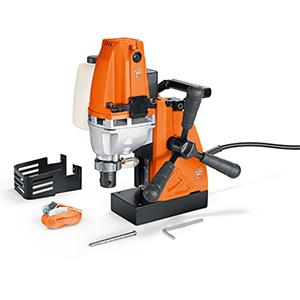
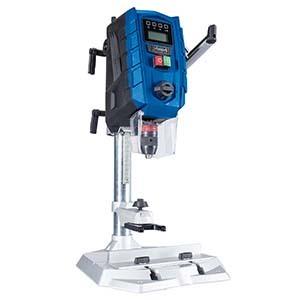
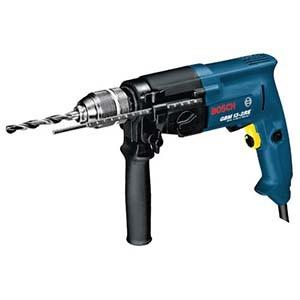
Drills and Drivers

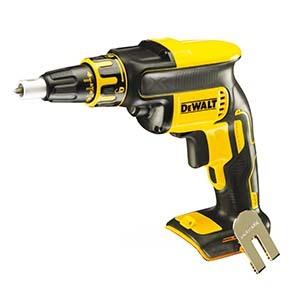
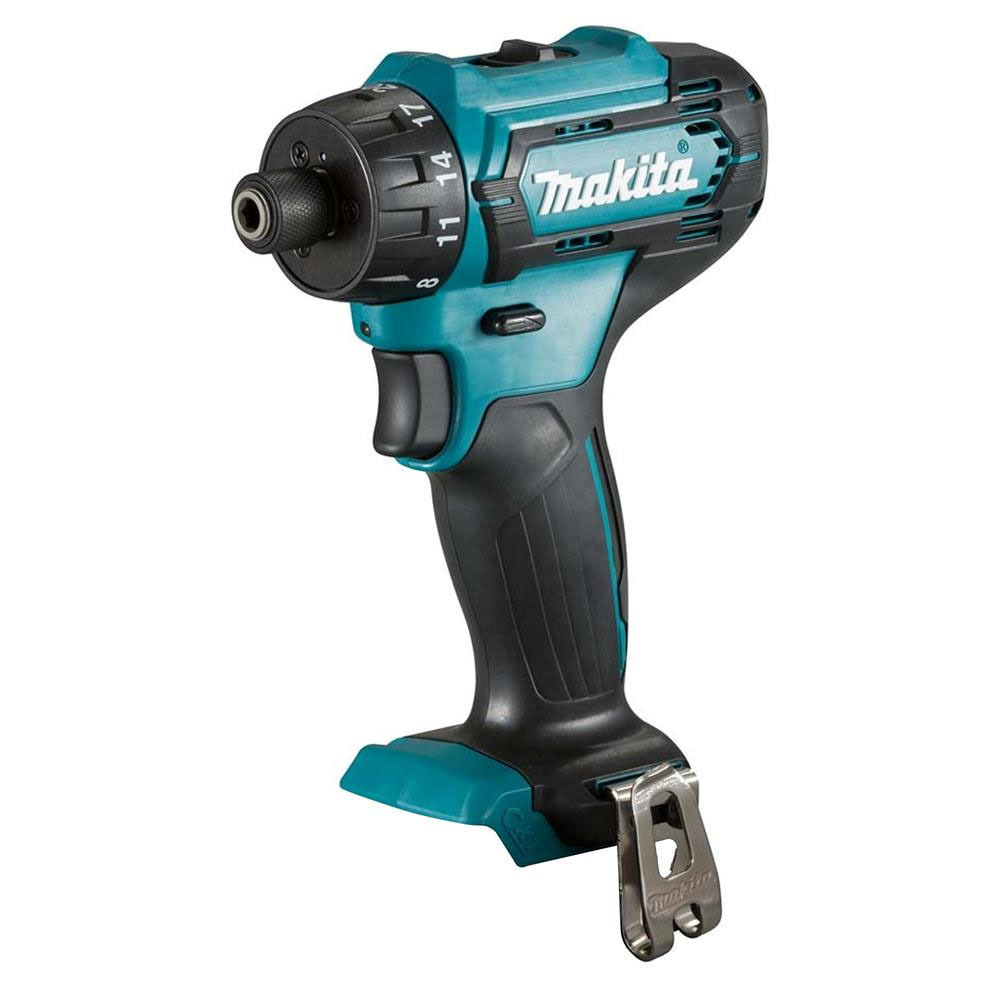
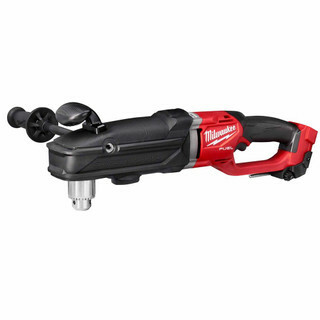
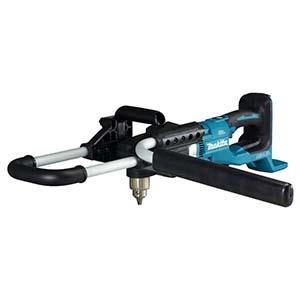
Drills and Drivers are the daily kit for fixing, drilling, and first-fix work, from pilot holes in timber to driving fixings all day without killing your wrist.

When you're on site and the fixings don't stop, the right drills & drivers save time and snapped bits. A drill handles clean holes and controlled screw work; impact drivers take the grief out of long screws and stubborn fixings. Pick the right tool for the material, and you'll work faster with less rework. Get your drills and drivers sorted below.

What Jobs Are Drills and Drivers Best At?

  • Drilling clean, accurate holes in timber, metal, and plastics for first-fix, second-fix, and general install work where you need control more than brute force.
  • Driving screws into stud, joists, decking, and sheet materials without stripping heads, especially when you match the driver to the fixing and keep the bit seated.
  • Running impacts and impact drivers for repetitive fixing like roofing battens, fencing, and structural screws where a standard drill starts fighting back.
  • Handling masonry drilling with the right drill type when you're fitting into block and brick, so you're not burning out a standard chuck drill on hard work.
  • Doing refurbs and maintenance where you're swapping between drilling and driving all day, so having the right drills & drivers stops you constantly changing bits and settings.

Choosing the Right Drills and Drivers

Sorting the right drills & drivers is simple: match the tool to the fixing and the material, not whatever's closest in the box.

1. Drill vs Impact Driver

If you need neat holes and controlled screw driving, pick a drill with a clutch and proper speed control. If you're driving long screws, coach screws, or doing repetitive fixing, get an impact driver, because the hammer action drives without you leaning on it all day.

2. Combi Drill vs SDS

If you're only doing the odd plug hole in brick, a combi drill will cope. If you're drilling masonry regularly, go SDS, because it drills faster, bites cleaner, and you're not wrecking chucks and burning bits on hard walls.

3. Torque, Gearing, and Clutch Control

If you're doing cabinetry, fix-out, or anything delicate, you want a wide clutch range and a smooth low gear so you don't chew heads and split timber. If you're into structural fixings and big holes, prioritise higher torque and a solid gearbox, and accept it'll be bigger in the hand.

4. Batteries and Runtime

If it's all-day site work, don't kid yourself with tiny batteries, because impacts and drills will drain them fast under load. For van kit, pick a platform you can share across drills, drivers, and impacts so you're not juggling three different chargers.

Who Uses Drills and Drivers on Site?

  • Chippies and joiners for first-fix framing, kitchen fitting, and hanging doors, where a drill keeps holes tidy and an impact driver powers fixings home without wrist twist.
  • Sparkies and plumbers for drilling pilot holes, running fixings into joists and studs, and mounting brackets and boards without cracking materials or rounding screws.
  • Fit-out teams and maintenance lads who need drills and drivers that live in the van and get grabbed all day for quick repairs, installs, and snagging.
  • Groundworkers and steel fixers using impacts for site bolts and heavy fixings, where a standard drill just isn't built for the repeated shock load.

The Basics: Understanding Drills and Drivers

They look similar in the box, but they do different jobs. Once you know what's happening at the chuck, you'll stop rounding screws and fighting brickwork.

1. Drill Driving (Smooth Rotation and Clutch)

A drill turns smoothly and uses a clutch to limit torque, so you can drive screws to the same depth without snapping heads or burying fixings. That control is why drills are the safer bet for hinges, cabinets, and anything you don't want to overdo.

2. Impact Drivers (Hammer Action for Fixings)

Impact drivers add rotational impacts as resistance builds, so they keep driving when a drill starts camming out and twisting your wrist. That's why impacts are the go-to for long screws, ledger fixings, and repetitive work where speed matters.

3. Hammer and SDS (For Masonry)

Hammer drills add a light hammer action for brick and block, but SDS is a different league for regular masonry drilling because the bit and chuck system is built to take the hammering without slipping or overheating.

Drills and Drivers Accessories That Save Time on Site

The right add-ons stop the usual headaches like snapped bits, wobbling holes, and constantly swapping between drilling and driving.

1. Impact-rated driver bit sets

Use impact-rated bits in impact drivers, because standard bits twist, shatter, and round screws when you're driving hard all day, especially on structural fixings and stubborn heads.

2. Drill bit sets for wood, metal, and masonry

Keep a proper mixed set in the bag so you're not trying to force one bit through everything and ending up with burnt metal bits or blown-out timber holes.

3. Countersinks and step drills

A countersink stops screws sitting proud and splitting edges in joinery, and a step drill makes cleaner holes in sheet metal without grabbing and tearing like a big twist bit can.

4. Bit holders and magnetic extensions

A decent holder keeps the bit seated and helps in awkward corners, so you're not chewing heads or dropping screws when you're working one-handed up steps or in tight service voids.

Shop Drills and Drivers at ITS

Whether you need a compact drill for day-to-day installs, impact drivers for heavy fixing, or full drills & drivers kits for site work, we stock the full range in the key types and sizes. It's all held in our own warehouse, in stock and ready for next day delivery, so you can order today and get back on the tools tomorrow.

Shop by Sub Category

Combi Drills

Combi Drills

Combi Drills are the go-to for general site drilling and driving, with a hammer mode that covers the odd masonry fixing. They suit chippies, sparks, and plumbers who want one drill that lives in the van and handles most day-to-day jobs.

SDS Drills

SDS Drills

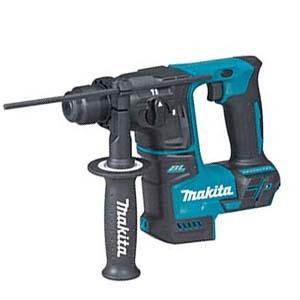
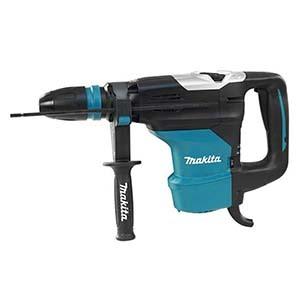
SDS Drills are for regular masonry drilling where speed and clean holes matter, like fixings into concrete, brick, and block all day. If you're doing installs, bracketry, or refurb work on hard walls, SDS saves time and saves your wrists.

Impact Wrenches

Impact Wrenches

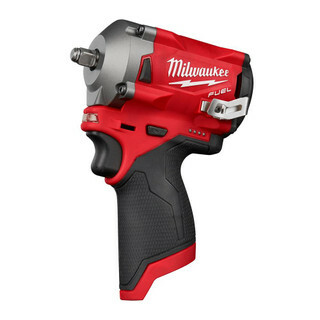
Impact Wrenches are for shifting nuts and bolts when hand tools and standard drivers aren't touching it, like anchors, steelwork, and vehicle or plant maintenance. They're the right choice when you need proper torque without rounding fixings.

Impact Drivers

Impact Drivers

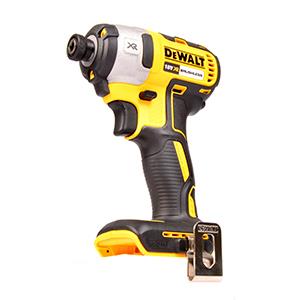
Impact Drivers are built for driving fixings fast without the drill twisting your arm, especially on long screws and repetitive work. If you're doing decking, stud walls, roofing battens, or structural screws, impacts make the day easier.

Breakers & Demolition Drills

Breakers & Demolition Drills

Breakers & Demolition Drills are for chasing out, breaking up concrete, and heavy strip-out where drilling tools won't cope. They're what you grab for refurb knock-throughs, lifting tiles and screed, and any job where you need material gone, not a neat hole.

Drills and Drivers FAQs

What's the difference between drills and drivers?

A drill is for making holes first and foremost, and it gives you controlled screw driving with a clutch. A driver, especially an impact driver, is built to drive fixings hard and fast, using impacting to keep turning when resistance ramps up.

Do I need a separate drill and driver?

If you're doing proper site work, yes, it's worth it. Keeping a drill set up with a bit for holes and an impact driver set up for screws saves constant swapping, and you'll drive fixings cleaner without cooking the drill or rounding heads.

Can a drill work as a driver?

Yes, a drill can drive screws fine, and for lighter fixings it's often the better choice because of the clutch control. Where it struggles is long screws and repetitive work, because it'll cam out more and it'll try to twist your wrist when it bites.

Do I need an impact driver if I have a hammer drill?

Most of the time, yes, because they do different jobs. A hammer drill is for drilling into masonry with a hammer action; an impact driver is for driving screws and fixings under load, and it's noticeably quicker and easier on your arm for that work.

Why don't woodworkers use impact drivers?

They do use them, but not for everything. For fine joinery and cabinetry, an impact can be too aggressive and can overdrive screws or mark timber, so many prefer a drill or an installation driver with a clutch for consistent depth and better feel.

What to look for when buying a drill driver?

Look at the jobs you actually do: drilling size and material, and the fixings you drive most. For drills, prioritise a solid chuck, two-speed gearbox, and a clutch that doesn't slip randomly; for impact drivers, look for good speed control and use impact-rated bits so you're not constantly snapping or rounding.

Read more

Drills and Drivers

Drills and Drivers are the daily kit for fixing, drilling, and first-fix work, from pilot holes in timber to driving fixings all day without killing your wrist.

When you're on site and the fixings don't stop, the right drills & drivers save time and snapped bits. A drill handles clean holes and controlled screw work; impact drivers take the grief out of long screws and stubborn fixings. Pick the right tool for the material, and you'll work faster with less rework. Get your drills and drivers sorted below.

What Jobs Are Drills and Drivers Best At?

  • Drilling clean, accurate holes in timber, metal, and plastics for first-fix, second-fix, and general install work where you need control more than brute force.
  • Driving screws into stud, joists, decking, and sheet materials without stripping heads, especially when you match the driver to the fixing and keep the bit seated.
  • Running impacts and impact drivers for repetitive fixing like roofing battens, fencing, and structural screws where a standard drill starts fighting back.
  • Handling masonry drilling with the right drill type when you're fitting into block and brick, so you're not burning out a standard chuck drill on hard work.
  • Doing refurbs and maintenance where you're swapping between drilling and driving all day, so having the right drills & drivers stops you constantly changing bits and settings.

Choosing the Right Drills and Drivers

Sorting the right drills & drivers is simple: match the tool to the fixing and the material, not whatever's closest in the box.

1. Drill vs Impact Driver

If you need neat holes and controlled screw driving, pick a drill with a clutch and proper speed control. If you're driving long screws, coach screws, or doing repetitive fixing, get an impact driver, because the hammer action drives without you leaning on it all day.

2. Combi Drill vs SDS

If you're only doing the odd plug hole in brick, a combi drill will cope. If you're drilling masonry regularly, go SDS, because it drills faster, bites cleaner, and you're not wrecking chucks and burning bits on hard walls.

3. Torque, Gearing, and Clutch Control

If you're doing cabinetry, fix-out, or anything delicate, you want a wide clutch range and a smooth low gear so you don't chew heads and split timber. If you're into structural fixings and big holes, prioritise higher torque and a solid gearbox, and accept it'll be bigger in the hand.

4. Batteries and Runtime

If it's all-day site work, don't kid yourself with tiny batteries, because impacts and drills will drain them fast under load. For van kit, pick a platform you can share across drills, drivers, and impacts so you're not juggling three different chargers.

Who Uses Drills and Drivers on Site?

  • Chippies and joiners for first-fix framing, kitchen fitting, and hanging doors, where a drill keeps holes tidy and an impact driver powers fixings home without wrist twist.
  • Sparkies and plumbers for drilling pilot holes, running fixings into joists and studs, and mounting brackets and boards without cracking materials or rounding screws.
  • Fit-out teams and maintenance lads who need drills and drivers that live in the van and get grabbed all day for quick repairs, installs, and snagging.
  • Groundworkers and steel fixers using impacts for site bolts and heavy fixings, where a standard drill just isn't built for the repeated shock load.

The Basics: Understanding Drills and Drivers

They look similar in the box, but they do different jobs. Once you know what's happening at the chuck, you'll stop rounding screws and fighting brickwork.

1. Drill Driving (Smooth Rotation and Clutch)

A drill turns smoothly and uses a clutch to limit torque, so you can drive screws to the same depth without snapping heads or burying fixings. That control is why drills are the safer bet for hinges, cabinets, and anything you don't want to overdo.

2. Impact Drivers (Hammer Action for Fixings)

Impact drivers add rotational impacts as resistance builds, so they keep driving when a drill starts camming out and twisting your wrist. That's why impacts are the go-to for long screws, ledger fixings, and repetitive work where speed matters.

3. Hammer and SDS (For Masonry)

Hammer drills add a light hammer action for brick and block, but SDS is a different league for regular masonry drilling because the bit and chuck system is built to take the hammering without slipping or overheating.

Drills and Drivers Accessories That Save Time on Site

The right add-ons stop the usual headaches like snapped bits, wobbling holes, and constantly swapping between drilling and driving.

1. Impact-rated driver bit sets

Use impact-rated bits in impact drivers, because standard bits twist, shatter, and round screws when you're driving hard all day, especially on structural fixings and stubborn heads.

2. Drill bit sets for wood, metal, and masonry

Keep a proper mixed set in the bag so you're not trying to force one bit through everything and ending up with burnt metal bits or blown-out timber holes.

3. Countersinks and step drills

A countersink stops screws sitting proud and splitting edges in joinery, and a step drill makes cleaner holes in sheet metal without grabbing and tearing like a big twist bit can.

4. Bit holders and magnetic extensions

A decent holder keeps the bit seated and helps in awkward corners, so you're not chewing heads or dropping screws when you're working one-handed up steps or in tight service voids.

Shop Drills and Drivers at ITS

Whether you need a compact drill for day-to-day installs, impact drivers for heavy fixing, or full drills & drivers kits for site work, we stock the full range in the key types and sizes. It's all held in our own warehouse, in stock and ready for next day delivery, so you can order today and get back on the tools tomorrow.

Shop by Sub Category

Combi Drills

Combi Drills

Combi Drills are the go-to for general site drilling and driving, with a hammer mode that covers the odd masonry fixing. They suit chippies, sparks, and plumbers who want one drill that lives in the van and handles most day-to-day jobs.

SDS Drills

SDS Drills

SDS Drills are for regular masonry drilling where speed and clean holes matter, like fixings into concrete, brick, and block all day. If you're doing installs, bracketry, or refurb work on hard walls, SDS saves time and saves your wrists.

Impact Wrenches

Impact Wrenches

Impact Wrenches are for shifting nuts and bolts when hand tools and standard drivers aren't touching it, like anchors, steelwork, and vehicle or plant maintenance. They're the right choice when you need proper torque without rounding fixings.

Impact Drivers

Impact Drivers

Impact Drivers are built for driving fixings fast without the drill twisting your arm, especially on long screws and repetitive work. If you're doing decking, stud walls, roofing battens, or structural screws, impacts make the day easier.

Breakers & Demolition Drills

Breakers & Demolition Drills

Breakers & Demolition Drills are for chasing out, breaking up concrete, and heavy strip-out where drilling tools won't cope. They're what you grab for refurb knock-throughs, lifting tiles and screed, and any job where you need material gone, not a neat hole.

Drills and Drivers FAQs

What's the difference between drills and drivers?

A drill is for making holes first and foremost, and it gives you controlled screw driving with a clutch. A driver, especially an impact driver, is built to drive fixings hard and fast, using impacting to keep turning when resistance ramps up.

Do I need a separate drill and driver?

If you're doing proper site work, yes, it's worth it. Keeping a drill set up with a bit for holes and an impact driver set up for screws saves constant swapping, and you'll drive fixings cleaner without cooking the drill or rounding heads.

Can a drill work as a driver?

Yes, a drill can drive screws fine, and for lighter fixings it's often the better choice because of the clutch control. Where it struggles is long screws and repetitive work, because it'll cam out more and it'll try to twist your wrist when it bites.

Do I need an impact driver if I have a hammer drill?

Most of the time, yes, because they do different jobs. A hammer drill is for drilling into masonry with a hammer action; an impact driver is for driving screws and fixings under load, and it's noticeably quicker and easier on your arm for that work.

Why don't woodworkers use impact drivers?

They do use them, but not for everything. For fine joinery and cabinetry, an impact can be too aggressive and can overdrive screws or mark timber, so many prefer a drill or an installation driver with a clutch for consistent depth and better feel.

What to look for when buying a drill driver?

Look at the jobs you actually do: drilling size and material, and the fixings you drive most. For drills, prioritise a solid chuck, two-speed gearbox, and a clutch that doesn't slip randomly; for impact drivers, look for good speed control and use impact-rated bits so you're not constantly snapping or rounding.

ITS Click and Collect Icon
What3Words:
Store Opening Hours
Opening times