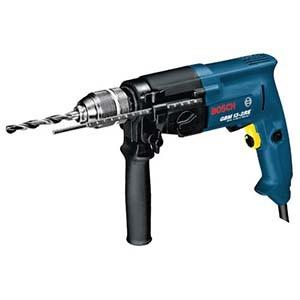
Drills and Drivers

Drills and drivers are the first bits you reach for on site, from pilot holes and fixings to masonry drilling, studwork and second fix.

If you're hanging doors, running first fix, fitting kitchens or punching into block, this is the kit that earns its place in the van. Cordless drills keep you moving round site, corded drills make sense when you're on one spot all day, and compact drills are handy where bigger bodies just get in the way. Match the drill driver or hammer drill to the material and you'll work quicker, strip fewer screws and stop fighting the tool.

What Jobs Are Drills and Drivers Best At?

  • Driving fixings into timber stud, sheet material and carcassing is where drill drivers earn their keep, especially on first fix when you are moving fast and do not want to keep swapping tools.
  • Drilling clean pilot holes in softwood, hardwood and sheet metal is straightforward with the right clutch and speed setting, which saves split timber, snapped screws and rough finishes.
  • Chasing brackets, clips and fittings into brick and block is where hammer drills come into their own, giving you the percussion action needed for plugs and masonry anchors.
  • Working in cupboards, ceiling voids and awkward corners suits compact drills, because the shorter body gets into places a full size battery drill will not.
  • Staying on one bench or one area for repetitive drilling often suits corded drills, as you get steady power all day without watching battery charge or rotating packs.

Who Uses These on Site?

  • Sparkies use drills and drivers for back boxes, cable clips, tray, trunking and general fixing work, and most keep a compact drill close for cupboards, lofts and overhead runs.
  • Chippies rely on drill drivers for first fix timber, hinges, kitchen units and second fix ironmongery, where decent clutch control stops screws burying too deep and wrecking the finish.
  • Kitchen fitters and joiners swear by compact cordless drills for cabinet work and pilot holes, because a short body is easier to handle inside units and tight corners.
  • Plumbers and heating engineers use hammer drills for brackets and clips into masonry, then switch to drill drivers for screws, pipe clips and access panels.
  • General builders, maintenance teams and site fixers need a mix of cordless drills and corded drills, depending on whether the job is mobile site work or bench based repetitive drilling.

Choosing the Right Drills and Drivers

Sorting the right one is simple: match the drill to the material and the way you work, not just the biggest number on the box.

1. Cordless or Corded

If you are moving round plots, lofts, roofs or finished rooms, cordless drills make far more sense because you are not dragging leads and hunting sockets. If you are bench drilling, workshop fitting or staying in one area all day, a corded drill gives steady power without battery swaps.

2. Drill Driver or Hammer Drill

If most of your work is screws, pilot holes and timber or metal, a drill driver is the better everyday tool. If you regularly drill brick, block or light masonry for plugs and anchors, get a hammer drill so you are not forcing the wrong machine through hard material.

3. Full Size or Compact

If you are fitting kitchens, working in risers or drilling inside cabinets, compact drills are easier on the wrist and easier to place accurately. If you are on bigger auger bits, larger fixings or tougher day to day site work, a full size body usually gives you more torque and better runtime.

4. Modes and Clutch Settings

Do not ignore the settings. If you drive a lot of screws, make sure the drill has a usable clutch so you are not chewing heads or sinking screws too deep. If you need one tool for mixed jobs, pick a model with clear drill, drive and hammer modes so you are not constantly compromising.

The Basics: Understanding Drills and Drivers

These all spin a bit or a screw, but the way they do it changes what they are actually good at on site. Here is the simple version.

1. Drill Driver

This is your everyday all rounder for screws, pilot holes and general drilling in timber, plastics and metal. It gives you speed control and clutch settings, which matters when you want neat fixing work without stripping screws or damaging finished surfaces.

2. Hammer Drill

A hammer drill adds a forward percussion action as it spins. That is what helps it break into brick and block for plugs, clips and bracket fixings. It is not a breaker, but for light to medium masonry drilling it saves a lot of effort.

3. Cordless vs Corded

Cordless drills give you freedom to move and are now the standard for most site work drills. Corded drills still make sense where constant runtime matters more than mobility, especially for repetitive drilling in one place.

Drill Accessories That Save Time on Site

The right add ons stop needless trips back to the van and make drills and drivers far more useful across mixed jobs.

1. Drill Bit Sets

A proper mixed bit set covers timber, metal and masonry so you are not trying to force one tired bit through everything. It saves ragged holes, burnt tips and that usual site problem of having the drill but not the bit you actually need.

2. Screwdriver Bit Sets

Keep a decent range of PZ, PH, TX and hex bits with your cordless drill driver. It stops cam out, rounded heads and the waste of time that comes from trying to drive site fixings with the wrong profile.

3. Spare Batteries

A spare battery is a no brainer for cordless drills. If one pack dies halfway through a run of fixings or when you are up steps, you will wish you had not tried to get through the day on a single battery.

4. Fast Chargers and Cases

A fast charger keeps rotation going on busy jobs, while a hard case or box stops chucks, batteries and bits getting battered in the van. It is basic housekeeping, but it keeps your site work drills usable for longer.

Choose the Right Drills and Drivers for the Job

Use this quick guide to sort the type you actually need.

Your Job Drill Type Key Features
General fixing, pilot holes and day to day site work Cordless drill driver Clutch settings, variable speed, good battery platform, comfortable weight
Drilling into brick and block for plugs, clips and brackets Hammer drill Hammer mode, solid chuck, enough torque for masonry bits, side handle on larger models
Working inside cabinets, lofts and awkward corners Compact drill Short body, lighter weight, easy one handed control, useful for tight access
Bench work or repetitive drilling in one area Corded drill Constant power, no battery downtime, ideal where a lead is not a problem
Mixed material jobs across timber, metal and light masonry Cordless hammer drill Drill, drive and hammer modes, adjustable clutch, two speed gearbox

Common Buying and Usage Mistakes

  • Buying a drill driver for regular masonry work is a common mistake. It will get through the odd soft brick, but on repeated block and brick drilling you waste time, overheat bits and end up fighting the tool. Get a hammer drill if masonry is part of the weekly workload.
  • Choosing the biggest drill for every job sounds sensible until you are working in cupboards and overhead all day. Too much size and weight slows you down and wears your wrist out. A compact drill is often the better buy for fit out and snagging work.
  • Ignoring clutch settings wrecks screws, strips heads and damages finished joinery. If you are driving fixings, set the clutch properly instead of treating every screw like a coach bolt.
  • Using blunt or wrong type bits makes even a good drill feel useless. Timber, metal and masonry all need the right bit, otherwise holes wander, edges burn and the drill takes the blame for poor cutting.
  • Relying on one battery for a full shift catches plenty of people out. If your cordless drill is central to the job, keep spare batteries charged and ready or expect downtime at the worst point of the day.

Cordless Drills vs Corded Drills vs Hammer Drills

Cordless Drills

Best for moving round site, working at height and general fixing where a lead just gets in the way. They are the go to for most trades, but runtime depends on battery size and how hard you are pushing the tool.

Corded Drills

Best when you need steady power all day in one spot, such as workshop prep or repetitive drilling. They save battery management, but they are less convenient on active sites and awkward where access is tight.

Hammer Drills

Best for brick and block where a standard drill driver starts struggling. They cover mixed site work well, but if you mainly drive screws and drill timber, a plain drill driver is often the nicer tool to use all day.

Compact Drills

Best for kitchen fitting, second fix and tight access work where control matters more than outright size. They are easier to live with in awkward spaces, though they are not the first pick for heavier holes and large fixings day in day out.

Maintenance and Care

Clean the Chuck and Vents

Blow out dust and wipe the chuck down after messy work, especially after masonry drilling. Packed dust around the jaws and vents shortens tool life and affects grip on the bit.

Look After Batteries Properly

Do not leave battery drills rolling round the van flat for days. Recharge packs before they are fully neglected, keep the terminals clean and store them somewhere dry rather than on a freezing dashboard or damp floor.

Check Bits Before Blaming the Drill

If drilling slows down or driving gets sloppy, inspect the bit first. Worn bits, rounded driver tips and blunt masonry bits make the tool work harder and give you rougher results.

Store It in a Case or Box

A drill chucked loose in the van gets battered, picks up grit and ends up with damaged batteries and bent clips. Keeping it boxed with its charger and bits means it is ready when you grab it, not half missing.

Repair or Replace at the Right Time

If the chuck slips, the mode selector stops engaging or the battery fit goes loose, deal with it early. Small faults become wasted time on site very quickly, and sometimes replacing a tired everyday drill is cheaper than nursing it through another month.

Why Shop for Drills and Drivers at ITS?

Whether you need compact drills for fitting work, cordless drills for everyday site use, corded drills for steady bench work or hammer drills for masonry, we stock the full range. That means body only tools, kits, different power platforms and the site work drills trades actually use, all in our own warehouse and ready for next day delivery.

Drills and Drivers FAQs

What is the difference between a drill driver and a hammer drill?

A drill driver is mainly for screws and standard drilling in timber, metal and plastic. A hammer drill does the same basic job but adds a hammer action for brick and block. If you are mostly fixing into wood and driving screws, a drill driver is usually enough. If masonry comes up regularly, buy the hammer drill and save yourself the grief.

Should I choose a cordless drill or a corded drill for site work?

For most site work, cordless drills are the right choice because you can move room to room, work off steps and get into awkward places without dragging a lead behind you. Corded drills still suit fixed bench work or repetitive drilling in one area, but on active jobs a cordless drill driver is usually the more practical bit of kit.

What type of drill is best for masonry, timber, and metal?

For masonry, use a hammer drill with the correct masonry bit. For timber and metal, a standard drill driver is usually the better tool because it gives cleaner control and smoother drilling. One mixed use hammer drill can cover all three materials, but it still needs the right mode and the right bit for each one.

Is a compact drill powerful enough for everyday site use?

Yes, for plenty of trades it is. Compact drills are more than capable of pilot holes, fixings, cabinet work, second fix and general snagging. Where they start to feel out of their depth is heavier masonry, larger augers or constant big fixings. For everyday fitting work they are a sound choice, but for harder all day graft go up a size.

How do I choose the right drill for screws and pilot holes?

Pick a drill driver with a proper clutch, variable speed and a comfortable body shape you can control one handed if needed. For screws and pilot holes, you want control more than brute force. Too much speed and no clutch just means stripped heads, split timber and poor finishes.

What drill modes do I need for drilling and driving?

At minimum, you want a screwdriving mode with clutch control and a standard drill mode. If you need to drill brick or block as well, add hammer mode. That basic combination covers most real site jobs without carrying separate tools for every small task.

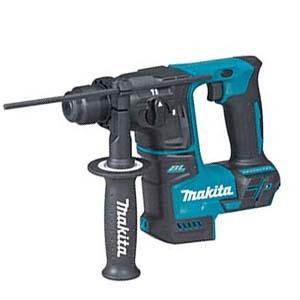
Read more

Drills and Drivers

Drills and drivers are the first bits you reach for on site, from pilot holes and fixings to masonry drilling, studwork and second fix.

If you're hanging doors, running first fix, fitting kitchens or punching into block, this is the kit that earns its place in the van. Cordless drills keep you moving round site, corded drills make sense when you're on one spot all day, and compact drills are handy where bigger bodies just get in the way. Match the drill driver or hammer drill to the material and you'll work quicker, strip fewer screws and stop fighting the tool.

What Jobs Are Drills and Drivers Best At?

  • Driving fixings into timber stud, sheet material and carcassing is where drill drivers earn their keep, especially on first fix when you are moving fast and do not want to keep swapping tools.
  • Drilling clean pilot holes in softwood, hardwood and sheet metal is straightforward with the right clutch and speed setting, which saves split timber, snapped screws and rough finishes.
  • Chasing brackets, clips and fittings into brick and block is where hammer drills come into their own, giving you the percussion action needed for plugs and masonry anchors.
  • Working in cupboards, ceiling voids and awkward corners suits compact drills, because the shorter body gets into places a full size battery drill will not.
  • Staying on one bench or one area for repetitive drilling often suits corded drills, as you get steady power all day without watching battery charge or rotating packs.

Who Uses These on Site?

  • Sparkies use drills and drivers for back boxes, cable clips, tray, trunking and general fixing work, and most keep a compact drill close for cupboards, lofts and overhead runs.
  • Chippies rely on drill drivers for first fix timber, hinges, kitchen units and second fix ironmongery, where decent clutch control stops screws burying too deep and wrecking the finish.
  • Kitchen fitters and joiners swear by compact cordless drills for cabinet work and pilot holes, because a short body is easier to handle inside units and tight corners.
  • Plumbers and heating engineers use hammer drills for brackets and clips into masonry, then switch to drill drivers for screws, pipe clips and access panels.
  • General builders, maintenance teams and site fixers need a mix of cordless drills and corded drills, depending on whether the job is mobile site work or bench based repetitive drilling.

Choosing the Right Drills and Drivers

Sorting the right one is simple: match the drill to the material and the way you work, not just the biggest number on the box.

1. Cordless or Corded

If you are moving round plots, lofts, roofs or finished rooms, cordless drills make far more sense because you are not dragging leads and hunting sockets. If you are bench drilling, workshop fitting or staying in one area all day, a corded drill gives steady power without battery swaps.

2. Drill Driver or Hammer Drill

If most of your work is screws, pilot holes and timber or metal, a drill driver is the better everyday tool. If you regularly drill brick, block or light masonry for plugs and anchors, get a hammer drill so you are not forcing the wrong machine through hard material.

3. Full Size or Compact

If you are fitting kitchens, working in risers or drilling inside cabinets, compact drills are easier on the wrist and easier to place accurately. If you are on bigger auger bits, larger fixings or tougher day to day site work, a full size body usually gives you more torque and better runtime.

4. Modes and Clutch Settings

Do not ignore the settings. If you drive a lot of screws, make sure the drill has a usable clutch so you are not chewing heads or sinking screws too deep. If you need one tool for mixed jobs, pick a model with clear drill, drive and hammer modes so you are not constantly compromising.

The Basics: Understanding Drills and Drivers

These all spin a bit or a screw, but the way they do it changes what they are actually good at on site. Here is the simple version.

1. Drill Driver

This is your everyday all rounder for screws, pilot holes and general drilling in timber, plastics and metal. It gives you speed control and clutch settings, which matters when you want neat fixing work without stripping screws or damaging finished surfaces.

2. Hammer Drill

A hammer drill adds a forward percussion action as it spins. That is what helps it break into brick and block for plugs, clips and bracket fixings. It is not a breaker, but for light to medium masonry drilling it saves a lot of effort.

3. Cordless vs Corded

Cordless drills give you freedom to move and are now the standard for most site work drills. Corded drills still make sense where constant runtime matters more than mobility, especially for repetitive drilling in one place.

Drill Accessories That Save Time on Site

The right add ons stop needless trips back to the van and make drills and drivers far more useful across mixed jobs.

1. Drill Bit Sets

A proper mixed bit set covers timber, metal and masonry so you are not trying to force one tired bit through everything. It saves ragged holes, burnt tips and that usual site problem of having the drill but not the bit you actually need.

2. Screwdriver Bit Sets

Keep a decent range of PZ, PH, TX and hex bits with your cordless drill driver. It stops cam out, rounded heads and the waste of time that comes from trying to drive site fixings with the wrong profile.

3. Spare Batteries

A spare battery is a no brainer for cordless drills. If one pack dies halfway through a run of fixings or when you are up steps, you will wish you had not tried to get through the day on a single battery.

4. Fast Chargers and Cases

A fast charger keeps rotation going on busy jobs, while a hard case or box stops chucks, batteries and bits getting battered in the van. It is basic housekeeping, but it keeps your site work drills usable for longer.

Choose the Right Drills and Drivers for the Job

Use this quick guide to sort the type you actually need.

Your Job Drill Type Key Features
General fixing, pilot holes and day to day site work Cordless drill driver Clutch settings, variable speed, good battery platform, comfortable weight
Drilling into brick and block for plugs, clips and brackets Hammer drill Hammer mode, solid chuck, enough torque for masonry bits, side handle on larger models
Working inside cabinets, lofts and awkward corners Compact drill Short body, lighter weight, easy one handed control, useful for tight access
Bench work or repetitive drilling in one area Corded drill Constant power, no battery downtime, ideal where a lead is not a problem
Mixed material jobs across timber, metal and light masonry Cordless hammer drill Drill, drive and hammer modes, adjustable clutch, two speed gearbox

Common Buying and Usage Mistakes

  • Buying a drill driver for regular masonry work is a common mistake. It will get through the odd soft brick, but on repeated block and brick drilling you waste time, overheat bits and end up fighting the tool. Get a hammer drill if masonry is part of the weekly workload.
  • Choosing the biggest drill for every job sounds sensible until you are working in cupboards and overhead all day. Too much size and weight slows you down and wears your wrist out. A compact drill is often the better buy for fit out and snagging work.
  • Ignoring clutch settings wrecks screws, strips heads and damages finished joinery. If you are driving fixings, set the clutch properly instead of treating every screw like a coach bolt.
  • Using blunt or wrong type bits makes even a good drill feel useless. Timber, metal and masonry all need the right bit, otherwise holes wander, edges burn and the drill takes the blame for poor cutting.
  • Relying on one battery for a full shift catches plenty of people out. If your cordless drill is central to the job, keep spare batteries charged and ready or expect downtime at the worst point of the day.

Cordless Drills vs Corded Drills vs Hammer Drills

Cordless Drills

Best for moving round site, working at height and general fixing where a lead just gets in the way. They are the go to for most trades, but runtime depends on battery size and how hard you are pushing the tool.

Corded Drills

Best when you need steady power all day in one spot, such as workshop prep or repetitive drilling. They save battery management, but they are less convenient on active sites and awkward where access is tight.

Hammer Drills

Best for brick and block where a standard drill driver starts struggling. They cover mixed site work well, but if you mainly drive screws and drill timber, a plain drill driver is often the nicer tool to use all day.

Compact Drills

Best for kitchen fitting, second fix and tight access work where control matters more than outright size. They are easier to live with in awkward spaces, though they are not the first pick for heavier holes and large fixings day in day out.

Maintenance and Care

Clean the Chuck and Vents

Blow out dust and wipe the chuck down after messy work, especially after masonry drilling. Packed dust around the jaws and vents shortens tool life and affects grip on the bit.

Look After Batteries Properly

Do not leave battery drills rolling round the van flat for days. Recharge packs before they are fully neglected, keep the terminals clean and store them somewhere dry rather than on a freezing dashboard or damp floor.

Check Bits Before Blaming the Drill

If drilling slows down or driving gets sloppy, inspect the bit first. Worn bits, rounded driver tips and blunt masonry bits make the tool work harder and give you rougher results.

Store It in a Case or Box

A drill chucked loose in the van gets battered, picks up grit and ends up with damaged batteries and bent clips. Keeping it boxed with its charger and bits means it is ready when you grab it, not half missing.

Repair or Replace at the Right Time

If the chuck slips, the mode selector stops engaging or the battery fit goes loose, deal with it early. Small faults become wasted time on site very quickly, and sometimes replacing a tired everyday drill is cheaper than nursing it through another month.

Why Shop for Drills and Drivers at ITS?

Whether you need compact drills for fitting work, cordless drills for everyday site use, corded drills for steady bench work or hammer drills for masonry, we stock the full range. That means body only tools, kits, different power platforms and the site work drills trades actually use, all in our own warehouse and ready for next day delivery.

Drills and Drivers FAQs

What is the difference between a drill driver and a hammer drill?

A drill driver is mainly for screws and standard drilling in timber, metal and plastic. A hammer drill does the same basic job but adds a hammer action for brick and block. If you are mostly fixing into wood and driving screws, a drill driver is usually enough. If masonry comes up regularly, buy the hammer drill and save yourself the grief.

Should I choose a cordless drill or a corded drill for site work?

For most site work, cordless drills are the right choice because you can move room to room, work off steps and get into awkward places without dragging a lead behind you. Corded drills still suit fixed bench work or repetitive drilling in one area, but on active jobs a cordless drill driver is usually the more practical bit of kit.

What type of drill is best for masonry, timber, and metal?

For masonry, use a hammer drill with the correct masonry bit. For timber and metal, a standard drill driver is usually the better tool because it gives cleaner control and smoother drilling. One mixed use hammer drill can cover all three materials, but it still needs the right mode and the right bit for each one.

Is a compact drill powerful enough for everyday site use?

Yes, for plenty of trades it is. Compact drills are more than capable of pilot holes, fixings, cabinet work, second fix and general snagging. Where they start to feel out of their depth is heavier masonry, larger augers or constant big fixings. For everyday fitting work they are a sound choice, but for harder all day graft go up a size.

How do I choose the right drill for screws and pilot holes?

Pick a drill driver with a proper clutch, variable speed and a comfortable body shape you can control one handed if needed. For screws and pilot holes, you want control more than brute force. Too much speed and no clutch just means stripped heads, split timber and poor finishes.

What drill modes do I need for drilling and driving?

At minimum, you want a screwdriving mode with clutch control and a standard drill mode. If you need to drill brick or block as well, add hammer mode. That basic combination covers most real site jobs without carrying separate tools for every small task.
ITS Click and Collect Icon
What3Words:
Get Directions
Store Opening Hours
Opening times