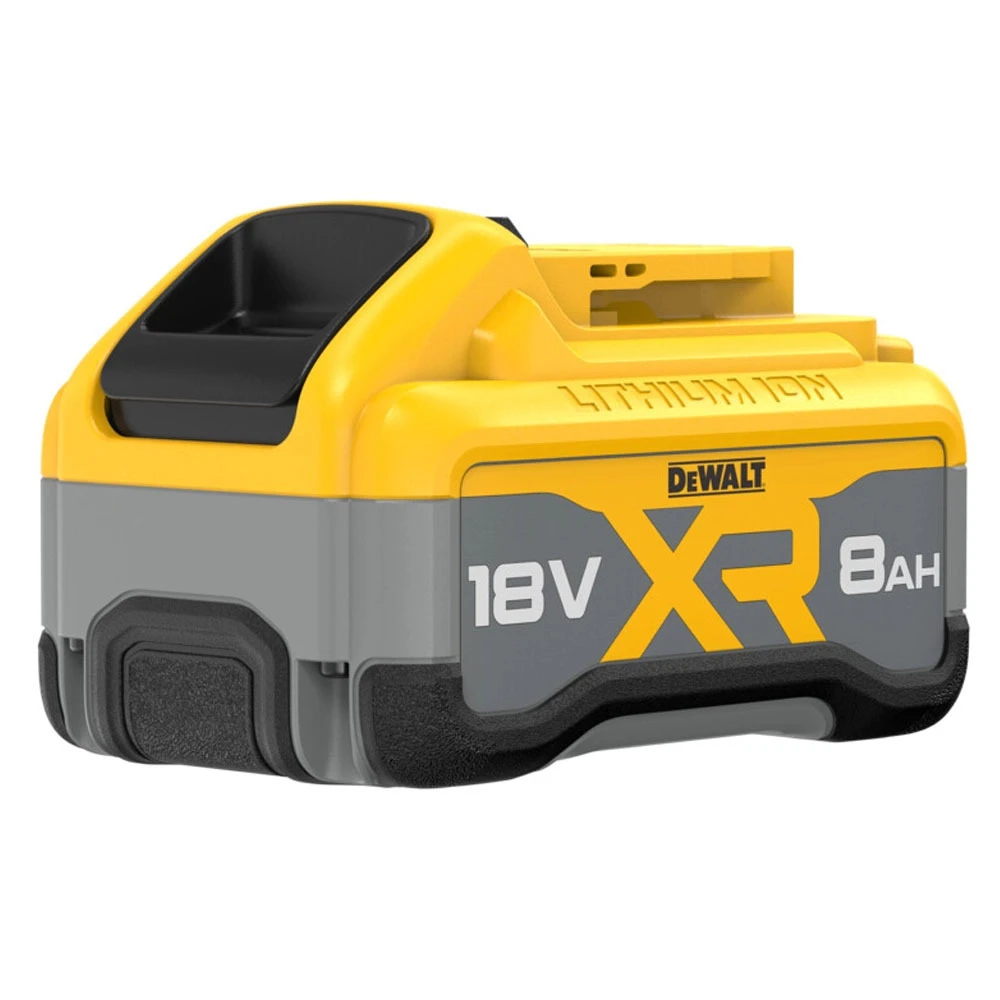
Batteries
Power tool batteries keep your cordless kit earning its keep, whether you need a spare drill battery, more runtime, or a straight replacement that fits properly.
If your tools are sat dead by dinner or you're swapping one pack between three bits of kit, this is where you sort it. These power tool batteries cover compact packs for lighter overhead work, 5Ah tool batteries for everyday site use, and 8Ah tool batteries when saws, grinders and SDS drills need proper runtime. Stick to the right brand and voltage platform, buy for the job, and keep a charged spare on the van.
What Are Power Tool Batteries Used For?
- Keeping first fix moving when your main cordless drill batteries run flat, so you can carry on drilling joists, driving fixings and fitting boxes without waiting on a charge.
- Running higher-draw kit like grinders, recip saws and circular saws where high capacity tool batteries and high output power tool batteries stop the tool bogging down halfway through a cut.
- Swapping in a compact tool battery for snagging, second fix and overhead work, where less weight in the hand matters more than having the biggest pack on the tool.
- Replacing old lithium ion power tool batteries that no longer hold charge properly, so your gear starts strong in the morning and still works by the last job.
- Backing up busy site teams with genuine tool batteries, giving one battery on the charger, one in the tool and one ready to go when the pace picks up.
Choosing the Right Power Tool Batteries
Sorting the right battery is simple: match the pack to your tool platform and the kind of graft it actually does.
1. Brand and Platform First
If your tool is 18V, buy the correct 18V battery for that exact brand platform and nothing else. Do not assume packs swap across brands or even across older and newer ranges. If you need brand-specific options, look at Makita batteries, Dewalt batteries or Milwaukee M18 batteries and keep it matched properly.
2. Compact or High Capacity
If you are using a drill or impact overhead, a compact tool battery is easier on the wrist and less awkward in tight spots. If you are on grinders, saws or SDS work for long spells, step up to 5Ah tool batteries or 8Ah tool batteries so you are not changing packs every five minutes.
3. Ah Rating and Runtime
Higher Ah mainly means longer runtime, not magic extra performance in every tool. For everyday combi and impact work, 4Ah or 5Ah is usually the sensible middle ground. If the tool pulls hard under load, bigger packs often help it hold performance better for longer.
4. Charger Speed and Battery Rotation
If you only own one pack and one slow charger, you are asking for downtime. Pair your batteries with the right Power tool battery chargers and keep at least one spare charged if the tool is earning money every day.
Who Uses These Power Tool Batteries?
- Sparkies rely on replacement cordless tool batteries for drills, impacts and lights, especially on first fix where dead packs slow cable runs and back box work right down.
- Chippies and kitchen fitters keep a spare drill battery close because saws, combis and drivers get hammered all day on cut lists, fixings and final fitting.
- Roofers and steel fixers usually go for 18V tool batteries with more capacity, as fewer trips down the ladder or scaffold for a fresh pack saves time and hassle.
- Groundworkers and landscapers lean on high output power tool batteries for grinders, cut-off saws and heavy cordless kit that needs proper current delivery under load.
- Maintenance teams and van-based fitters often carry both compact tool batteries and larger packs, using the lighter ones for short call-outs and the bigger ones when a job drags on.
The Basics: Understanding Power Tool Batteries
The main things that matter are voltage, capacity and output. Get those right and your cordless kit will run properly instead of feeling flat, heavy or mismatched.
1. Voltage Must Match the Tool
This is the non-negotiable bit. An 18V tool needs the correct 18V battery from the same platform. Get that wrong and it either will not fit, will not run, or is simply the wrong kit for the job.
2. Ah Is Your Fuel Tank
Ah tells you how long the battery is likely to run before charging. A compact 2Ah or 3Ah pack keeps weight down for quick jobs. A 5Ah or 8Ah pack lasts longer when you are cutting, grinding or drilling all day.
3. High Output Means Better Heavy Load Performance
Some lithium ion power tool batteries are built to deliver current more efficiently to hungrier tools. That matters most on saws, grinders and bigger drills where standard packs can get hot, drain fast or feel weaker under pressure.
Power Tool Battery Extras That Save Time on Site
A decent battery setup is more than just the pack itself if you want less downtime and less clutter in the van.
1. Chargers
A fast charger stops the usual mess of one flat battery and two lads waiting around. If you are rotating several packs through the day, the right charger makes a bigger difference than most realise.
2. Storage Mounts
Loose batteries rolling around the van get knocked about, buried under fixings and forgotten when you need them. Battery storage mounts keep packs tidy, visible and where they should be.
3. Spare Battery Packs
One battery is never enough once the pace picks up. A spare means one in the tool, one on charge, and no standing about waiting for enough bars to finish the cut.
Choose the Right Power Tool Batteries for the Job
Use this quick guide to match battery size and type to the work in hand.
| Your Job | Battery Type | Key Features |
|---|---|---|
| Snagging, second fix, light drilling and driving | Compact tool batteries | Lower weight, easier overhead use, less bulky on impacts and drills |
| Everyday first fix with combi drills and impact drivers | 4Ah to 5Ah tool batteries | Good runtime without making the tool overly heavy, solid all-round site choice |
| Long cutting sessions with circular saws and recip saws | High capacity tool batteries | Longer runtime, fewer battery swaps, better suited to sustained load |
| Grinding, chasing and heavier cordless applications | High output power tool batteries | Built to deliver stronger performance under load and cope better with heat draw |
| Replacing a worn out pack on existing kit | Genuine tool batteries | Correct fit, proper charger compatibility and no guesswork on platform match |
Common Buying and Usage Mistakes
- Buying the wrong platform because the voltage looks right. An 18V pack from one brand will not usually fit another, so always match brand, range and battery connection properly before ordering.
- Using only compact packs on hungry tools like grinders and saws. They will run, but runtime drops off fast and the tool can feel flat, so step up to a larger or high output pack where the job demands it.
- Assuming higher Ah always means more power. What you mainly get is longer runtime and extra weight, so do not hang a massive pack on a drill if you are working overhead all day.
- Leaving batteries loose in the van or damp on site. That shortens life, risks damaged terminals and makes it harder to know what is charged, so store them properly and keep them dry.
- Running too few batteries for the workload. If your kit is in use all day, one pack and one charger will slow the whole job down, so build in enough battery rotation from the start.
Compact vs High Capacity vs High Output Batteries
Compact Batteries
Best for drills, impacts and lighter jobs where balance matters. They keep the tool smaller and easier to handle, but they are not the right shout for long cutting or grinding sessions.
High Capacity Batteries
These are the everyday workhorses for trades wanting longer runtime without constant swapping. They suit regular site use well, though the extra size and weight can be a pain overhead.
High Output Batteries
Built for tools that pull harder, these packs are worth it on saws, grinders and bigger cordless gear. If you mostly drive screws and drill pilot holes, you probably do not need to pay extra for them.
Maintenance and Care
Keep the Terminals Clean
Wipe dust and site muck off the contacts now and then, especially if packs live in a dusty van. Dirty terminals can cause poor connection, weak charging or tools cutting out under load.
Store Them Dry and Out of Extreme Heat
Do not leave lithium ion power tool batteries baking on the dashboard or sat wet in the back of the van. Heat and damp both shorten battery life and can leave you with a pack that never quite recovers.
Do Not Run Every Pack Flat
Modern packs cope well with site use, but constantly driving them into the ground is still not great practice. Swap them when they are low and rotate them evenly if you own several.
Check for Cracks or Loose Casings
A battery that has been dropped off steps or scaffold wants checking before it goes back into service. If the casing is split or the fit is loose, stop using it and replace it.
Replace Worn Packs Before They Slow the Job
If a battery charges fully but dies quickly, gets unusually hot or has clearly lost punch, it is done. Replace it before it starts turning a half day job into a full day headache.
Why Shop for Power Tool Batteries at ITS?
Whether you need a compact spare for your impact, a 5Ah all-rounder, or high output replacement cordless tool batteries for harder use, we stock the range properly. That means genuine tool batteries across the key platforms, all held in our own warehouse and ready for next day delivery.
Power Tool Batteries FAQs
How do I find the correct replacement battery for my cordless tools?
Match three things exactly: brand, battery platform and voltage. If your tool is part of an 18V range, stick to that same 18V range from the same maker. Do not go by shape alone and do not assume older packs fit newer tools. Check the tool label and the battery fit before you buy.
Does a higher Ah battery give longer runtime or more power?
Mainly longer runtime. A bigger Ah rating means the battery stores more energy, so it lasts longer between charges. On heavier tools, a larger pack can also help hold performance better under load, but the main difference most lads notice day to day is fewer battery swaps and extra weight.
Should I choose a compact battery or a larger pack for my drill?
If you are doing short bursts, overhead fixing or snagging, a compact pack keeps the drill lighter and easier to use. If you are drilling all day, driving long fixings or using the same drill for heavy work, a larger pack makes more sense because you will get better runtime and less downtime.
Are batteries interchangeable between different brands or voltage platforms?
No, not in normal site use. Brand platforms are built differently and the connections, electronics and fit are not the same. Even within one brand, some older systems do not cross over cleanly. The safe answer is always to buy the exact platform your tool was built for.
When is a high-output battery worth buying for a cordless saw or grinder?
It is worth it when the tool is under heavy load for more than the odd quick cut. On saws, grinders and bigger SDS drills, high-output packs usually run cooler, last longer per charge and help the tool feel less strangled. For light drill and driver work, standard packs are often enough.
How many power tool batteries should I keep for one tool on site?
For proper site use, two is the bare minimum and three is better on busy jobs. One in the tool, one on charge and one ready to go keeps work moving. If the tool is used all day, anything less usually ends with someone waiting around.