Batteries, Chargers and Mounts
Power tool batteries and chargers keep your cordless kit earning, not sat dead in the van. Pick the right platform, charge speed and storage for proper site use.
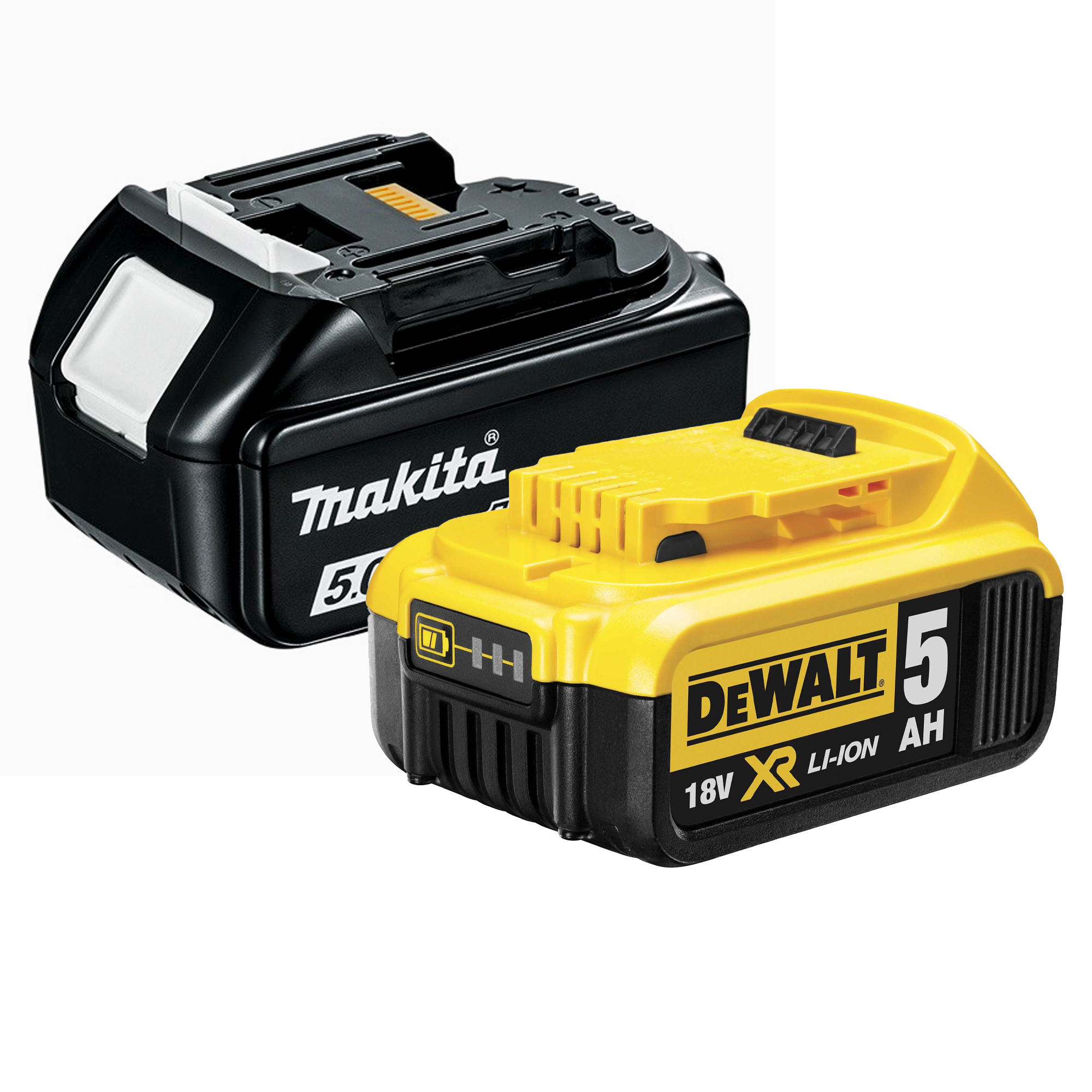
If your drill packs up halfway through second fix or your saw batteries are always on red, this is the bit of kit to sort first. Good cordless tool batteries and chargers keep crews moving, cut downtime and stop the usual hunt for a half-charged spare. Match your voltage, check your charger output, and if you're running tools all day, keep proper battery charging and storage in place so packs last longer. For site swaps and worn-out packs, start with Replacement power tool batteries and buy what actually fits the tools you use.
What Are Power Tool Batteries and Chargers Used For?
- Keeping cordless drills, impact drivers, saws and lights running through full shifts means less standing about waiting for one flat pack to come back to life.
- Swapping tired packs for fresh replacement tool batteries gets older cordless kit back on site without binning a tool that still does the job.
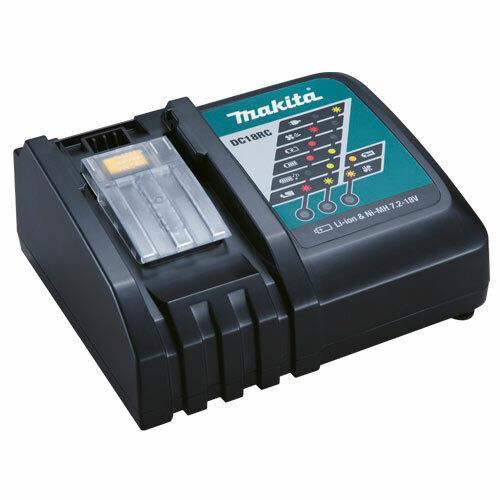
- Using fast tool battery chargers in the van, workshop or canteen cuts dead time between tasks, especially when one crew is sharing a battery platform.
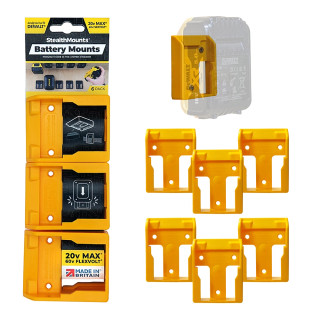
- Setting up battery and tool mounts in vans and stores stops loose packs getting knocked about, damaged or buried under fixings and hand tools.
- Managing battery charging and storage properly helps lithium ion tool batteries last longer and keeps them ready for first fix, snagging and call-out work.
Choosing the Right Power Tool Batteries and Chargers
Sorting the right setup is simple: match it to the platform and the workload, not just the cheapest pack on the shelf.
1. Start With the Platform
If your tools are on one cordless range, stick to that exact battery fitment and charger type. Do not assume packs from another range will clip on or charge safely just because the voltage looks the same.
2. Choose Capacity for the Job
If you're doing light punch-list work, smaller amp-hour packs keep the tool lighter. If you're cutting, drilling big holes or running kit all day, go up in capacity so you're not swapping batteries every half hour.
3. Charger Speed Matters More Than People Think
If one or two lads are sharing batteries, a standard charger can become the hold-up. For busy site use, look at Power tool battery chargers with faster charge times so packs are back in rotation before the next task starts.
4. Do Not Ignore Storage
If your batteries live loose in the van, expect damaged casings, dirty terminals and lost time. Proper Battery and tool mounts make a bigger difference than most lads realise.
Who Uses These on Site?
- Sparkies rely on cordless drill batteries and chargers every day for first fix drilling, tray work and second fix installs, and most keep at least one charged spare in the van.
- Chippies and kitchen fitters burn through 18V batteries and chargers on saws, combis and multi tools, especially when they're moving room to room with no easy power nearby.
- Roofers, landscapers and groundworkers use power tool battery packs because dragging leads across muddy or awkward ground just slows the job down.
- Maintenance teams and snagging crews swear by genuine power tool batteries for grab-and-go jobs where they need reliable charge, quick swaps and no messing with compatibility.
- Van fitters and workshop teams use battery and tool mounts to keep packs visible, protected and ready instead of rolling round drawers or getting damaged on transit.
The Basics: Understanding Power Tool Batteries and Chargers
Most buying mistakes come from mixing up voltage, capacity and charger speed. Here is the simple version that matters on site.
1. Voltage Is the Tool Platform
Voltage tells you what cordless system the battery belongs to and what tools it is meant to power. In simple terms, your 18V batteries and chargers need to match the 18V platform your tools are built around.
2. Amp Hour Is Runtime
Amp-hour capacity is about how long the battery lasts before it needs charging. Higher Ah usually means more runtime, but it also means more weight, so pick it around how long and how hard the tool is being used.
3. Charger Output Affects Turnaround
A faster charger will not change how powerful the tool feels, but it will get packs back to work quicker. That matters when you are rotating batteries between combis, impacts and saws across a full shift.
Accessories That Keep Batteries Working Harder
A few simple add-ons make charging tidier, storage safer and daily tool swaps much less of a faff.
1. Battery and Tool Mounts
Get the packs off the van floor and out of mixed drawers. Mounts stop terminals getting knocked about, make stock checks easier and mean you are not wasting ten minutes every morning hunting the last charged battery.
2. Tool Cases and Case Systems
If you are carrying chargers, spare packs and bare tools between jobs, proper Tool cases and case systems stop it all being thrown in together and damaged in transit.
3. Workshop Storage
For fixed charging stations, decent Workshop storage keeps packs dry, organised and away from all the usual bench clutter that blocks vents and leads to damaged chargers.
Choose the Right Power Tool Batteries and Chargers for the Job
Use this quick guide to match battery type and charger speed to the work in front of you.
| Your Job | Battery or Charger Type | Key Features |
|---|---|---|
| Light snagging, punch-list work and short call-outs | Compact lithium ion tool batteries | Lower weight, easier overhead use, enough runtime for drills, drivers and odd cuts |
| Full-day drilling, fixing and cutting on one platform | Higher capacity power tool battery packs | Longer runtime, fewer swaps, better for combis, circular saws and heavier cordless kit |
| Shared site batteries across a small crew | Fast tool battery chargers | Quicker turnaround, less waiting, better battery rotation through the day |
| Replacing worn or dead packs on existing tools | Genuine replacement tool batteries | Correct fit, proper charger compatibility, less risk of poor charge performance |
| Van fit-outs and workshop charging stations | Battery and tool mounts | Cleaner storage, protected terminals, faster grab-and-go access every morning |
Common Buying and Usage Mistakes
- Buying the right voltage but the wrong battery fitment is a common one. Same number does not mean same platform, so always match the exact tool range before you order.
- Choosing the cheapest charger for a busy setup usually means lads are standing about waiting on batteries. If packs are in constant use, step up to a faster charger and keep the work flowing.
- Running one battery between several tools all day sounds cheap, but it costs time. For proper site use, spare packs are usually the better fix than hoping one battery will stretch far enough.
- Leaving batteries loose in a damp van or under a pile of gear shortens their life fast. Store them clean, dry and secure so the contacts and casings stay in decent nick.
- Going too large on every battery pack can make drills and drivers heavy for overhead or repetitive work. Use compact packs where balance matters and save bigger batteries for the hungrier tools.
Compact Batteries vs High Capacity Batteries vs Fast Chargers
Compact Batteries
Best when you want a lighter drill or driver for overhead fixings, kitchen installs or snagging. They are easier on the wrist, but runtime drops off quickly if you move onto saws, grinders or repeated heavy drilling.
High Capacity Batteries
These suit lads running tools hard all day, especially circular saws, SDS drills and bigger cordless kit. You get longer runtime and fewer swaps, but the extra weight is noticeable on compact tools.
Fast Chargers
A fast charger is the better spend if your main problem is downtime between swaps rather than lack of batteries. It will not replace the need for spare packs, but it keeps a small battery fleet moving much better through the day.
Maintenance and Care
Keep Terminals Clean
Dust, plaster and metal swarf around the contacts can cause poor charging and bad connection on the tool. Wipe packs down before charging and keep the battery foot free of site muck.
Store Them Dry and Out the Heat
Batteries do not like being cooked on a dashboard or left damp in the van overnight. A cool, dry shelf or mounted storage area will do far more for lifespan than most people realise.
Check Casings for Damage
If a pack has cracked after a drop or the clips are worn, stop using it. Damaged casings let dirt and moisture in and can lead to charging faults or poor fit on the tool.
Do Not Ignore Slow Charging
If a charger is suddenly taking far longer than usual, check vents, leads and battery contacts first. If the problem stays, sort it before it leaves you short on site.
Replace Tired Packs Before They Cost You Time
A battery that drops charge quickly or cuts out under load is past its best. Replace it before it starts turning every simple job into a stop-start day.
Why Shop for Power Tool Batteries and Chargers at ITS?
Whether you need cordless tool batteries and chargers for one drill or a full site setup of power tool battery packs, chargers and mounts, we stock the full range. From cordless drill batteries and chargers to battery charging and storage, it is all in our own warehouse and ready for next day delivery.
Power Tool Batteries and Chargers FAQs
How do I match a battery and charger to my cordless tool platform?
Match the exact platform first, not just the voltage printed on the pack. The battery fitting, electronics and charger system all need to suit the same cordless range, otherwise it may not fit, may not charge properly, or should not be used at all.
Should I buy a spare battery or a faster charger for all-day site work?
For most lads on the tools, a spare battery is the first fix because it keeps you working while one pack is charging. A faster charger makes sense once you are rotating several batteries through the day or sharing packs across a team.
Can I use batteries and chargers from different power tool brands?
No, not as a rule. Even when the voltage looks the same, different brands use different battery slides, terminals and charging controls, so mixing them is usually a non-starter and can cause damage or unsafe charging.
What is the difference between battery voltage and amp-hour capacity?
Voltage tells you the platform the battery belongs to and what tools it is meant to run. Amp-hour capacity tells you how long the pack is likely to last between charges, so bigger Ah usually means more runtime but also more weight.
Which mounts help organise batteries and cordless tools in a van or workshop?
The best mounts are the ones made to hold your battery shape securely without letting packs rattle loose in transit. In vans, go for fixed holders you can reach quickly. In a workshop, a clear wall or bench setup keeps chargers, batteries and tools in one place and easier to manage.
Are genuine power tool batteries worth paying more for?
Yes, if you rely on the tools for work. Genuine power tool batteries are built to match the charger, tool electronics and expected site use properly. They usually give better fit, more consistent charging and fewer headaches than unknown replacements.