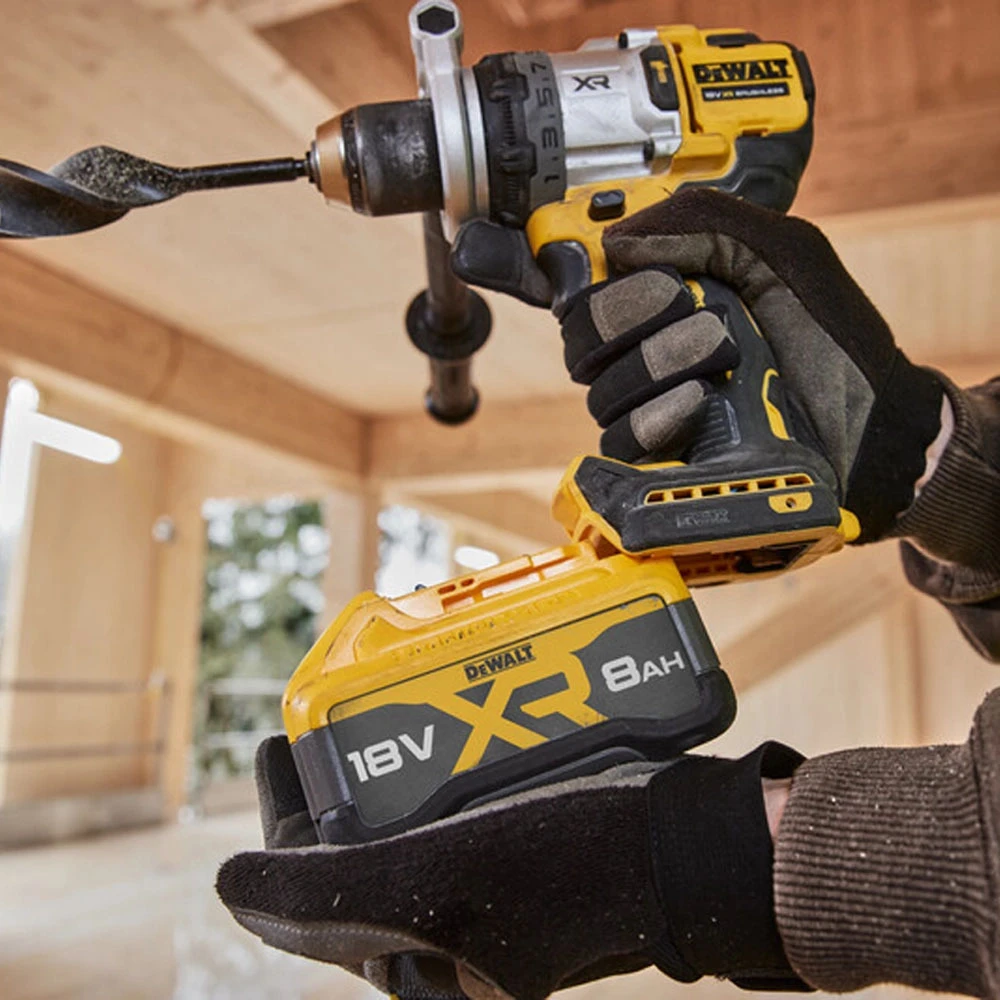
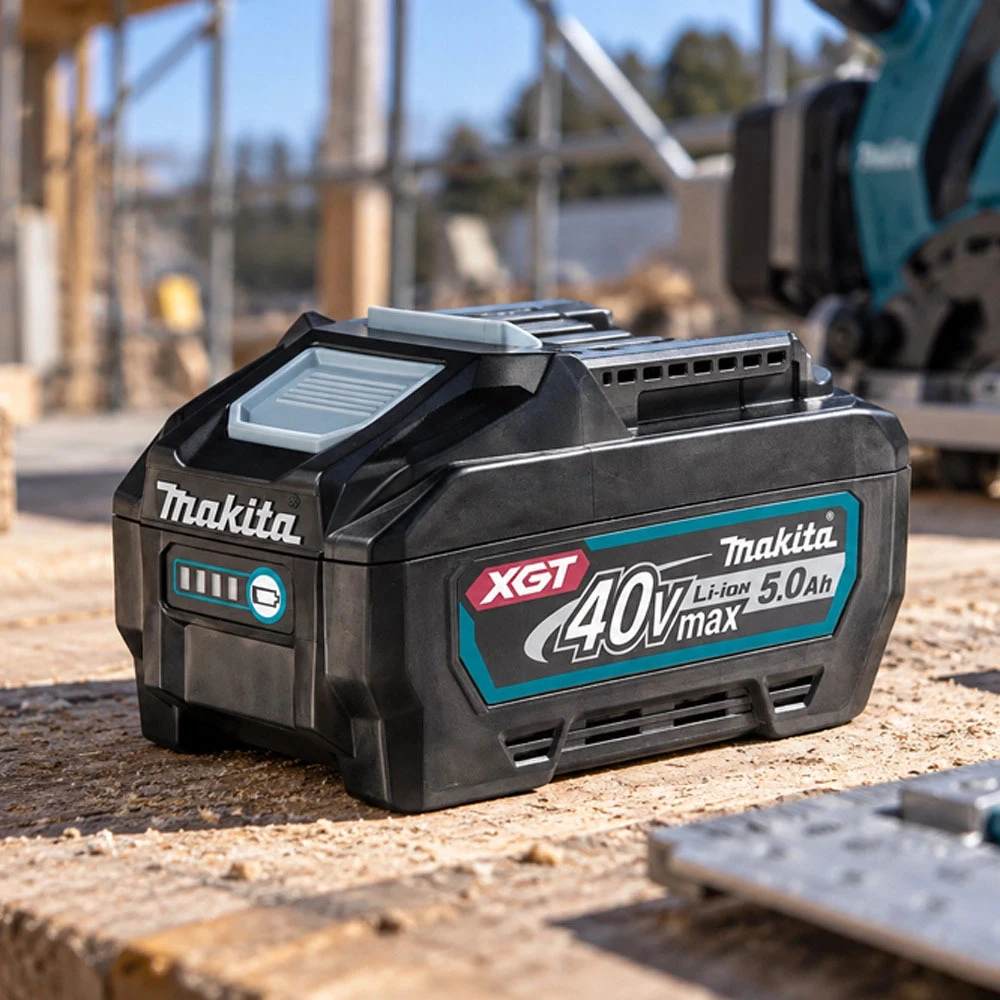
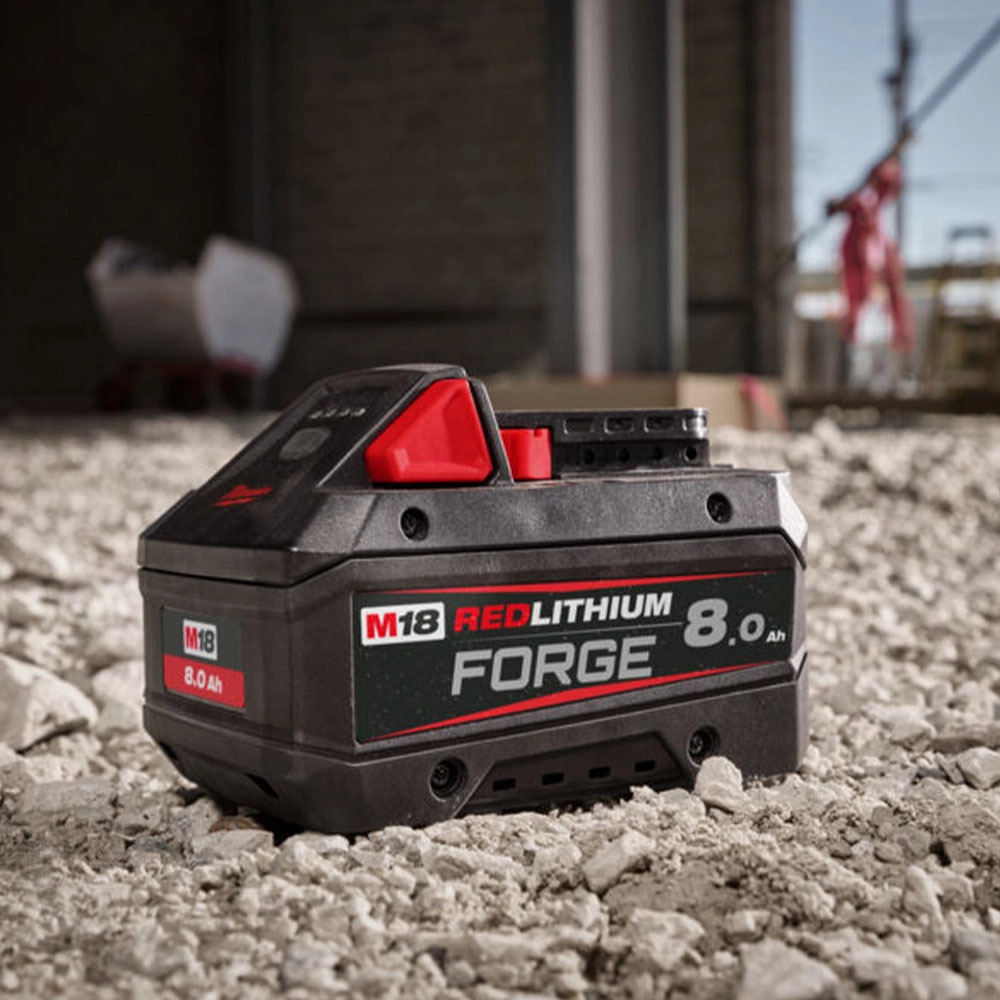
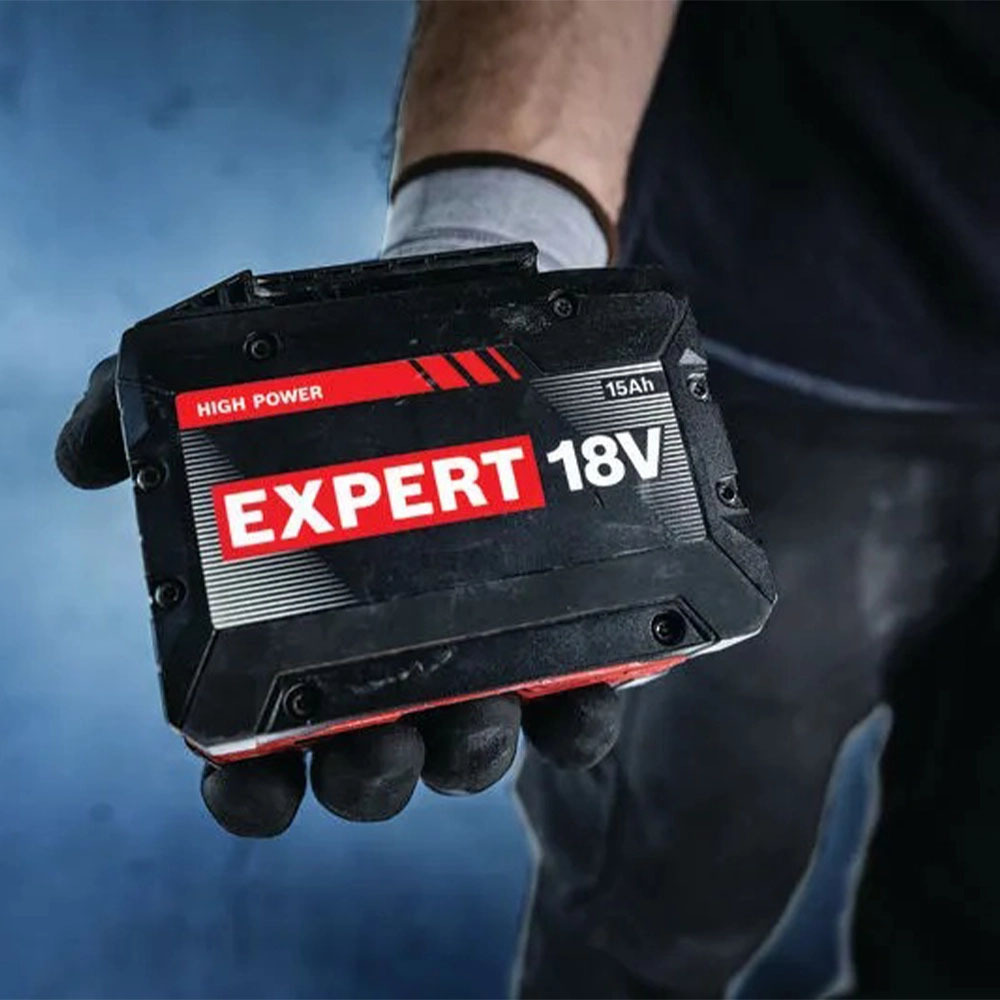
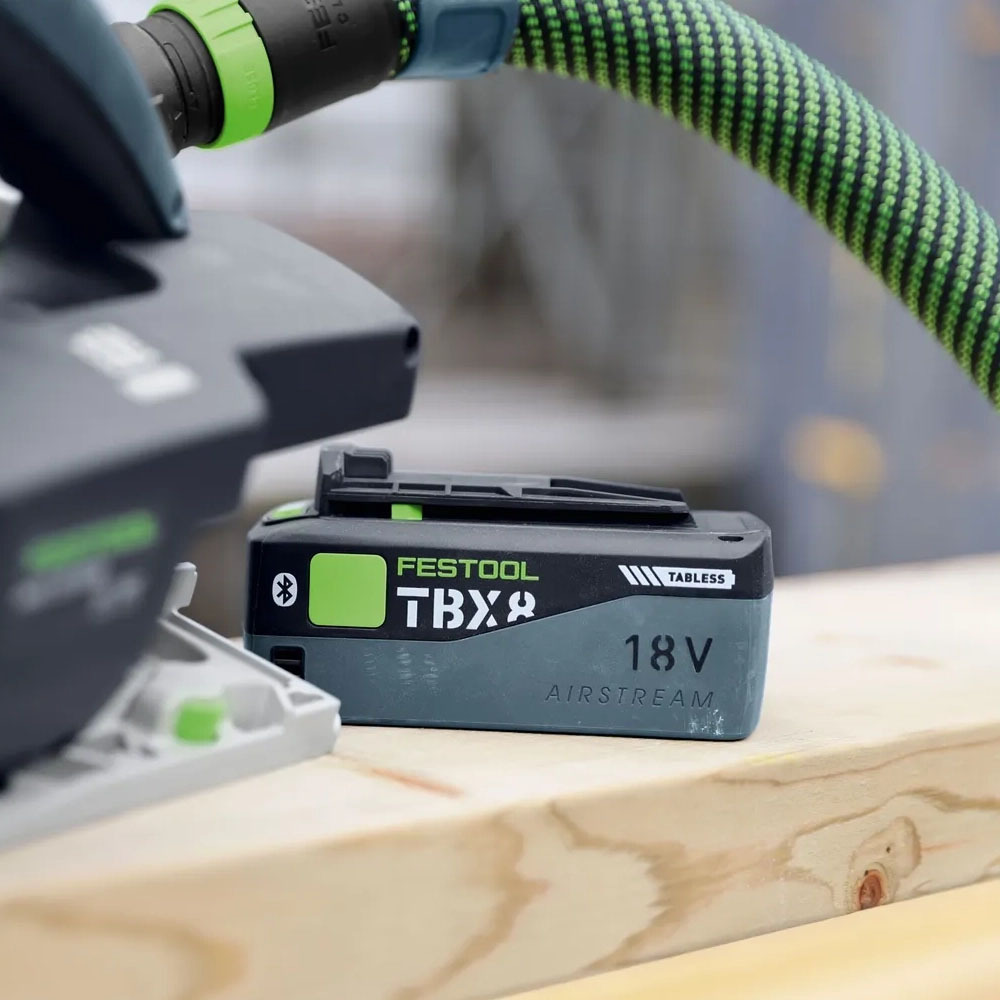
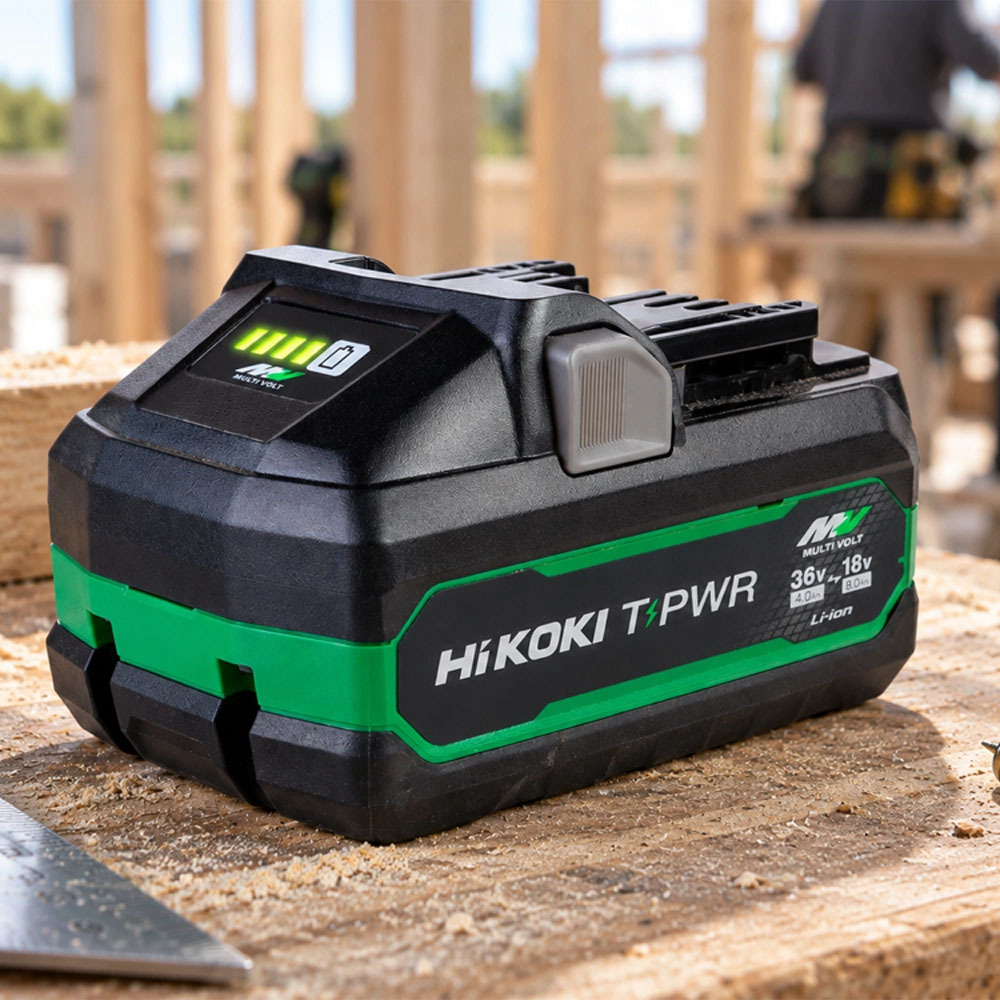
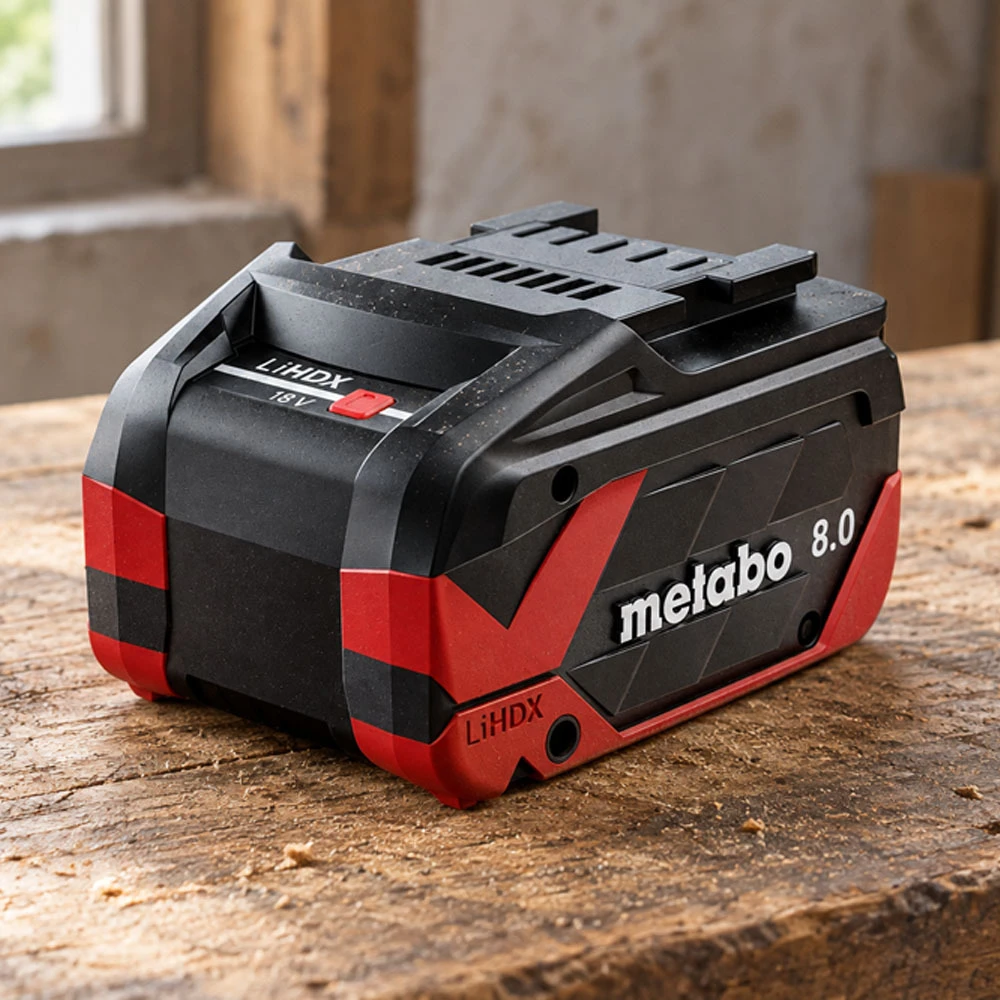
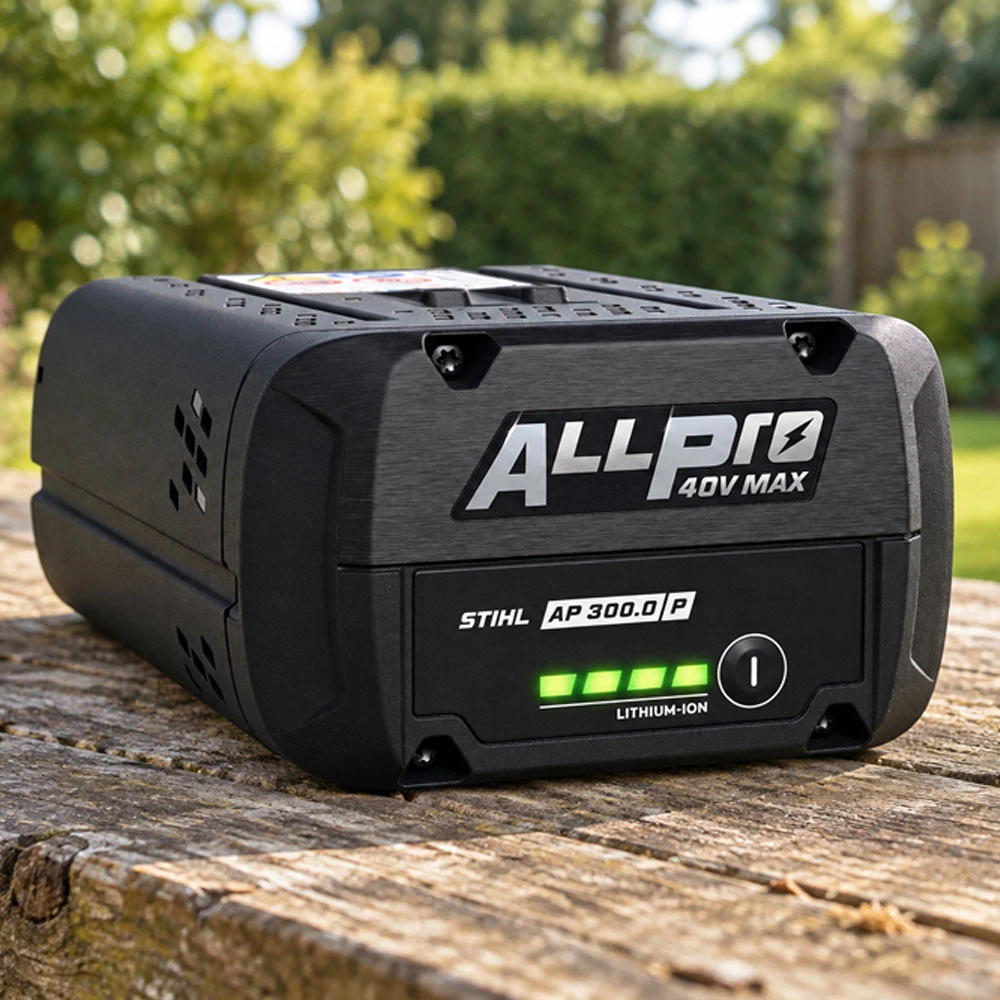
Tabless Batteries
Tabless batteries are built for tools that pull hard all day, giving better heat control and stronger output on demanding site cutting, drilling and fixing jobs.
If your saw, grinder or combi starts feeling flat under load, this is the upgrade worth looking at. Tabless power tool batteries are made to shift current cleaner, run cooler and hold performance better on repeated heavy jobs. That matters when you're drilling big holes, ripping sheet after sheet, or driving long fixings without waiting around for a pack to recover. If you're weighing up Compare power tool batteries first, then match the right tabless battery packs to the tools you lean on most.
What Are Tabless Batteries Used For?
- Driving long structural screws and coach bolts into timber frame, roofing and first fix work is where tabless batteries earn their keep, because the tool stays punchy instead of tailing off halfway through the fixing.
- Cutting heavy stock with circular saws, recips and grinders on refurbs and site fit-out suits high output tabless batteries, especially when standard packs start getting hot and performance drops off.
- Drilling repeated large diameter holes in masonry, timber and steel is easier with 18V tabless batteries, as they cope better with high current draw and repeated trigger time through the shift.
- Running outdoor kit and harder working cordless gear on long maintenance days benefits from tabless lithium ion batteries, because cooler running helps when the pack is being pushed job after job.
- Keeping busy install teams moving with fewer slowdowns on charger rotation is another real use, as these tabless battery packs are aimed at crews who use cordless tools properly, not just for the odd snag.
Choosing the Right Tabless Batteries
Sort the battery around the tool doing the hardest work, not the tool you use least.
1. High Draw Tools First
If the pack is mainly going on grinders, big combis, recip saws or circular saws, tabless batteries make more sense. If you only use impact drivers and lights, you will not feel the benefit as much day to day.
2. Voltage Platform Matters
Do not buy on the word tabless alone. Match the pack to your platform first, whether that is 18V tabless batteries or another system, because the gain means nothing if it does not fit the tools you already own.
3. Output Over Just Ah
If you are comparing two packs with similar Ah, the tabless one is often about cooler running and better delivery under load, not just a longer number on paper. That is why heavy users notice them more than occasional users.
4. Charger Compatibility
Before you buy tabless tool batteries, check what charger you are using now. Some ranges work straight on your existing charger, others are best paired with a faster unit, so it pays to Find a compatible battery charger before you get caught short.
Who Uses These on Site?
- Chippies and roofers go for tabless batteries when they are sawing carcassing, fixing battens and driving big screws all day, because high draw tools expose weak packs straight away.
- Sparkies and plumbers doing first fix use them on hole saws, SDS drills and repeated pipe or cable routes, where a battery that keeps its output under load saves time over a full plot or floor.
- Groundworkers, landscapers and external maintenance teams rate tabless power tool batteries for tougher cordless kit and longer trigger time, especially when the work is too constant for lighter packs.
- Fitters and joiners using cordless saws and grinders in shopfitting or site install work swear by them because they keep tools cutting properly instead of bogging down on dense material.
- Anyone already running brand systems like Bosch EXPERT batteries, Makita XGT batteries and chargers or Festool 18V batteries will be looking at this type of pack for the harder graft in those ranges.
The Basics: Understanding Tabless Batteries
The point of tabless battery design is simple. It helps the pack move power more efficiently and shed heat better, so the tool keeps working harder for longer when the job is properly demanding.
1. What Tabless Actually Means
In a standard cylindrical cell, power moves through tabs inside the cell. In tabless cylindrical cells, that path is reduced or redesigned so current flow is more direct. On site, the outcome is less heat build-up and stronger performance when the tool is under strain.
2. Why Trades Notice It
You usually feel the benefit on tools that pull hard for longer spells, not quick little jobs. Sawing thick timber, chasing, grinding or drilling repeated large holes is where tabless batteries can hold output better than a standard pack.
3. Tabless vs Pouch Cell Batteries
Tabless vs pouch cell batteries is not just about which is newer. Pouch cells are built differently and can offer high output in the right design, while tabless cylindrical cells aim to improve the familiar pack format most trades already use. The right choice comes down to the tool platform and how hard you work it.
Battery Extras That Keep You Working
A decent pack is only half the story if you want less downtime and fewer hold-ups on site.
1. Fast Chargers
A fast charger stops your best battery sitting dead while the job carries on without it. If you are rotating packs through saws, SDS drills or grinders, quicker charge times make a real difference by the second half of the day.
2. Spare Battery Packs
One pack is never enough if the tool is earning money all day. A second or third battery pack saves that pointless wait when a hot pack needs charging and the next cut or hole cannot be put off.
3. Battery Mounts and Storage
Loose batteries getting knocked about in the van is asking for damaged casings and dirty contacts. Proper mounts or organised storage keep packs protected, easier to grab and less likely to disappear under a pile of kit.
Choose the Right Tabless Batteries for the Job
Match the pack to the tool load and how often you lean on it.
| Your Job | Tabless Battery Type | Key Features |
|---|---|---|
| Daily first fix drilling and fixing | 18V tabless batteries | Stronger output under load, cooler running, suits combis and impact drivers used all day |
| Heavy cutting with saws and grinders | High output tabless batteries | Better current delivery, improved heat management, less drop-off on long cuts |
| Occasional snagging and light install work | Standard platform tabless battery packs | Good if you want added efficiency without jumping to the biggest pack in the range |
| Outdoor maintenance and repeated trigger time | Larger capacity tabless lithium ion batteries | Longer working time, better suited to kit that stays in hand for longer spells |
| Upgrading an existing cordless kit | Platform matched tabless power tool batteries | Check tool and charger compatibility first, then buy for the tools that work hardest |
Common Buying and Usage Mistakes
- Buying tabless batteries just for the newest tech without checking your actual tool load is a common one. If your work is mostly light driving and snagging, you may not see enough gain to justify paying more.
- Assuming higher Ah always means a better pack can leave you with extra weight and not much real benefit. For plenty of trades, the real win with tabless power tool batteries is how they hold output under strain, not just runtime.
- Ignoring charger suitability slows the whole system down. A better battery still wastes your time if the charger cannot turn packs around quickly enough for the way your crew works.
- Running batteries too hot and throwing them straight on charge every time shortens service life. Let hard-worked packs cool off first, especially after grinding, heavy cutting or long drilling runs.
- Leaving packs loose in the van or on damp floors trashes contacts and casings quicker than most admit. Keep them clean, dry and stored properly if you want the money spent on them to last.
Tabless Batteries vs Standard Batteries vs Pouch Cell Batteries
Tabless Batteries
These are the ones to look at if your cordless kit gets pushed hard most days. They are aimed at better heat control and stronger delivery under load, so saws, grinders and heavy drilling tools feel more consistent through the job.
Standard Batteries
Standard packs still do the job fine for lighter use, general fixing and mixed site work. They are often the sensible buy if your tools are not constantly pulling high current or you just need extra packs for backup.
Pouch Cell Batteries
Pouch cell batteries use a different cell construction again and can deliver serious performance in the right platform. The main thing is not chasing cell type in isolation. Buy into the battery system that matches your tools, charger setup and workload.
Maintenance and Care
Keep Contacts Clean
Wipe dust and grime off the battery terminals now and then, especially if the packs live with saws or masonry tools. Dirty contacts mean poor connection, patchy charging and avoidable power loss.
Let Hot Packs Cool Down
After heavy cutting, grinding or drilling, do not ram a hot battery straight on charge if you can help it. Giving it a few minutes to cool is better for long term battery health.
Store Them Dry and Protected
Do not leave battery packs rolling round the van, sitting in direct heat or getting damp overnight. Proper storage protects the casing, terminals and pack electronics from the sort of damage that creeps up on you.
Watch for Cracked Casings
If a pack has taken a drop and the housing is split, stop using it until it is checked or replaced. A damaged case lets dirt and moisture in, and that is not something to ignore with lithium ion batteries.
Retire Weak Packs Before They Slow the Job
If a battery is clearly dropping off, charging badly or getting hotter than the rest, do not keep forcing it through site work. One tired pack can drag your whole rotation down and waste more time than it is worth.
Why Shop for Tabless Batteries at ITS?
Whether you need tabless batteries for a single upgrade or you are replacing hard-worked site packs across a cordless platform, we stock the proper range. That means leading system options, key capacities and the chargers to match, all in our own warehouse and ready for next day delivery.
Tabless Batteries FAQs
What is a tabless power tool battery and how does it differ from a standard battery?
A tabless power tool battery uses cells designed to move current more directly than a standard tabbed cell setup. In real use, that usually means better heat control and stronger performance when the tool is pulling hard. You notice it most on saws, grinders and heavy drilling, not so much on quick light-duty jobs.
Which tools benefit most from a tabless battery upgrade?
The biggest gains are normally on high draw tools. Think circular saws, recip saws, grinders, SDS drills, combi drills doing large holes, and anything that stays under load for long spells. If your day is mostly impact driving small fixings, you may not notice the jump as much.
Are tabless batteries compatible with existing tools and chargers?
Often yes, but not automatically across every range, so check the platform details properly. A tabless battery still has to match the tool voltage, battery interface and charger system from that brand range. Do not guess from the shape alone.
Does tabless technology increase runtime when the Ah rating stays the same?
Not always in a simple headline way. If the Ah stays the same, the main benefit is usually better power delivery and less heat under load, rather than magically huge extra runtime. On harder jobs, that can still feel like a better battery because the tool holds its performance properly for longer.
What is the difference between tabless cylindrical cells and pouch cells?
They are different cell constructions. Tabless cylindrical cells refine the familiar round-cell format used in many power tool packs, while pouch cells use a flatter layout with different packaging and thermal behaviour. Neither is automatically better in every case. What matters is how well the battery pack is built for the tools it is meant to run.
Are tabless batteries worth it for everyday site work?
Yes, if your tools are worked hard enough to expose the difference. For trades running heavy cordless gear day in, day out, tabless batteries can be a smart buy. For lighter snagging, occasional drilling and general backup use, standard packs may still be the more sensible spend.