OX Tools Tool Storage
OX tool storage is built for keeping site kit protected, sorted and easy to move, from van loadout and first fix through to snagging and handover.
If you're fed up with rooting round a wrecked van for missing gear, this is the sort of storage worth buying properly. OX covers boxes, bags, totes, belts and cases that stand up to daily site abuse, with practical layouts and tough materials that actually earn their space. If you need grab-and-go kit for first fix, modular stacks for the van, or a belt that does not sag by midday, start with OX tool boxes and organisers, OX tool bags and totes, OX tool belts and pouches, OX tool cases and case systems and OX TOOLTREK.
What Is OX Tool Storage Used For?
- Loading out the van for first fix work, where an OX tool box or case keeps fixings, hand tools and test gear in one place instead of loose under seats and covered in dust.
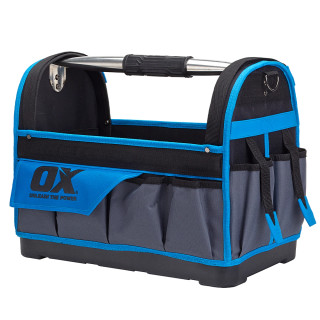
- Carrying daily essentials around refurbs and fit-outs, where an OX tool bag or tote gives you fast access to the bits you reach for all day without unpacking half your kit.
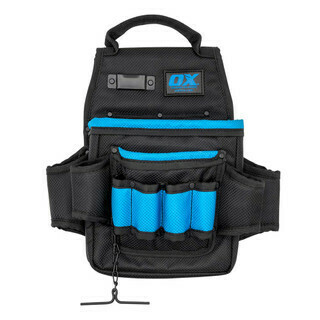
- Working off ladders, hop-ups and scaffold, where an OX tool belt or pouch keeps fasteners, knives and core hand tools on you so you're not up and down every two minutes.
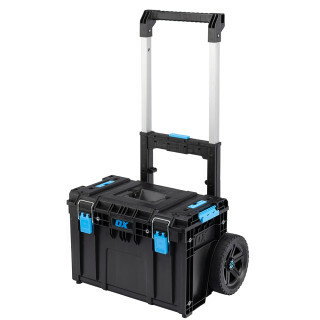
- Stacking and moving heavier site kit between jobs, where modular OX Tooltrek storage helps keep drills, chargers, blades and consumables together and easier to shift in one go.
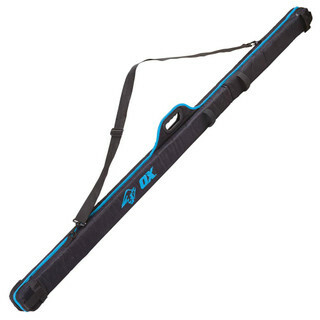
- Protecting measuring gear, cutters and finishing tools during transport, where a proper OX tool case cuts down on knocks, lost parts and damaged kit before you even start the job.
Choosing the Right OX Tool Storage
Sorting the right one is simple: match the storage to how you actually work, not just how much kit you own.
1. Box, Bag or Belt
If your gear mostly lives in the van and needs better protection, go for an OX tool box or case. If you are carrying tools through occupied jobs or up stairs all day, an OX tool bag or tote is usually the better shout. If you only need the core bits on you, buy the belt or pouch and save your shoulders.
2. Daily Carry vs Full Kit
Do not buy a massive storage unit if you only ever carry a tester, drivers and a few hand tools. A smaller tote or compact case is quicker to work from. If you are hauling power tools, batteries and consumables job to job, you want larger boxes or a modular stack that keeps the whole setup together.
3. Soft Storage vs Hard Storage
Soft storage is better when you need quick access and lighter carry weight. Hard storage is the one for expensive kit, van stacking and rough transport. If the box is getting thrown in with breakers, levels and site gear, buy hard storage and be done with it.
4. Modular Systems for Van Setup
If you are building a proper van setup, look at OX Tooltrek or matching stackable units from the start. Mixing random boxes sounds cheaper until nothing locks together, everything slides about, and you waste ten minutes every morning finding the charger.
Who Uses These on Site?
- Sparkies rely on OX tool storage for splitting out testers, screwdrivers, glands and fixings, especially when they need one bag for first fix and another for board work or snagging.
- Chippies and joiners use OX tool bags and boxes to keep hand tools, squares, chisels and fixings organised, so they are not digging through mixed gear when cutting in doors or fitting kitchens.
- Plumbers and heating engineers like tool totes and cases for carrying copper cutters, grips, consumables and jointing bits room to room without dragging a full van load indoors.
- Brickies, roofers and general builders go for OX tool belts and tougher storage because it stands up better to dirt, knocks and wet site conditions when working outside all week.
- Maintenance teams and snagging crews keep modular boxes and compact bags ready to grab, because small jobs go quicker when the right bits stay packed and easy to find.
The Basics: Understanding OX Tool Storage
With storage like this, the main thing is not just where tools go, but how quickly you can move, protect and get at them on site. Here is the simple version.
1. Soft Storage for Fast Access
Tool bags, totes and belts are built for jobs where you need tools in and out all day. Open tops, side pockets and wide access save time on service work, second fix and room-to-room jobs.
2. Hard Storage for Protection
Tool boxes and cases protect gear better in the van, yard or back of a pickup. They are the better option when your kit gets stacked, knocked about, or left stored between jobs.
3. Modular Storage for Moving More in One Go
Interlocking systems like OX Tooltrek are made to stack and travel as one setup. That means fewer trips from van to job, tidier storage, and less chance of smaller cases or organisers getting left behind.
Accessories That Make OX Tool Storage Work Harder
A few sensible add-ons make the storage easier to carry, better organised and less of a headache on busy jobs.
1. Organisers and Small Parts Inserts
These stop screws, clips, connectors and bits ending up loose in the bottom of the box. If you do electrical, fixings or kitchen work, proper organisers save loads of rummaging and cut down on wasted consumables.
2. Shoulder Straps and Replacement Handles
If your bag is going in and out of plant rooms, lofts or upper floors all day, a decent strap matters. It is a lot better than one awkward hand carry that wrecks your wrist before lunch.
3. Foam Inserts and Dividers
Worth having for testers, laser levels, cutters or finish tools that you do not want bouncing around in transit. They keep expensive kit from knocking together in the van.
4. Extra Modular Boxes
If you are on a stackable system, adding the right size box is usually better than overloading one big unit. Split power tools, batteries and consumables properly and the whole setup is easier to move and quicker to work from.
Choose the Right OX Tool Storage for the Job
Use this as a quick guide before you load the van with the wrong setup.
| Your Job | Category or Type | Key Features |
|---|---|---|
| Daily service calls and room to room work | OX tool bag or tote | Open access, lighter carry, pockets for hand tools and consumables |
| Working off ladders or moving fast on first fix | OX tool belt or pouch | Hands free carry, quick access to fixings, less climbing up and down |
| Keeping power tools and batteries safer in the van | OX tool box or hard case | Better impact protection, stackable storage, tidier transport |
| Building a proper modular van setup | OX Tooltrek system | Interlocking boxes, easier loading, fewer loose cases sliding about |
| Protecting measuring gear or specialist kit | OX tool case | Structured storage, better internal support, less risk of damage |
Common Buying and Usage Mistakes
- Buying one oversized box for everything usually sounds tidy, but it ends up too heavy to move properly and wastes time every time you need one small hand tool. Split daily carry from stored kit.
- Using a soft bag for fragile or expensive gear is asking for trouble if it lives under other tools in the van. Put testers, lasers and anything costly in a proper hard case.
- Ignoring how the storage fits your van setup leads to boxes that will not stack, slide about in transit and block access to other kit. If you want a modular setup, start with matching units.
- Overloading tool belts and pouches just wrecks comfort and drags the belt down all shift. Keep only the tools you genuinely use every few minutes on your hip.
- Leaving wet or dusty tools shut in storage all week shortens the life of both the tools and the bag or box. Empty it out, brush it down and dry things off before the next job.
Tool Boxes vs Tool Bags vs Modular Storage
OX Tool Box
Best when protection matters more than carry comfort. An OX tool box suits van storage, rough transport and heavier kit, but it is not as quick to work from as an open bag when you are moving room to room.
OX Tool Bag or Tote
Best for daily access and lighter hand tool loads. An OX tool bag is quicker on service work, snagging and internal fit-outs, but it will not shield expensive gear from knocks as well as a hard case or box.
OX Tooltrek Modular Storage
Best for trades building a full transport system. OX Tooltrek makes more sense if you carry a mix of power tools, batteries and consumables and want it all stacked together, though it is more system-led than a simple grab bag.
OX Tool Belt and Pouch
Best for keeping the essentials on you while you work. Belts and pouches are ideal for first fix, roofing and repetitive install work, but they are there to support your main storage, not replace it.
Maintenance and Care
Clear Out Dust and Debris
Empty out the box or bag regularly and brush out plaster dust, swarf and broken fixings. Leaving sharp offcuts and grit inside just chews pockets, linings and tool handles.
Dry Wet Storage Properly
If your OX tool bag or belt gets soaked, open it up and let it dry before loading it back into the van. Damp storage leads to mildew, rust on tools and stiffened materials.
Check Handles, Zips and Latches
Have a look over carry handles, shoulder straps, clips and catches before they fail under load. A worn latch or split stitch is cheaper to sort early than after a box spills down a stairwell.
Do Not Store Dead Weight
Get rid of bent bits, empty boxes and dead batteries that live in the bottom for months. Keeping storage lean makes it easier to carry and a lot faster to work from.
Replace When Structure Goes
Scuffed storage is normal on site, but once the base, frame or fasteners are failing, replace it. There is no point trusting costly tools to a bag with a torn base or a box that no longer locks shut.
Why Shop for OX Tool Storage at ITS?
Whether you need an OX tool box for van storage, an OX tool bag for daily carry, or a full OX Tooltrek setup, we stock the proper range in one place. That means boxes, belts, totes, cases and modular storage, all in our own warehouse and ready for next day delivery.
OX Tool Storage FAQs
What tool storage solutions does OX Tools offer?
OX covers most of the storage setups trades actually use day to day. That includes tool boxes, organisers, tool bags, open totes, belts, pouches, hard cases and the OX Tooltrek modular box system. So whether you need van storage, a grab bag for service work, or a belt for first fix, there is usually a proper OX option for it.
Are OX tool bags and totes waterproof on the base?
Many OX bags and totes are built with tough, water-resistant base sections to cope better with wet floors, muddy ground and van mess, but do not treat them like a sealed dry box. They are there to stop the bottom soaking through straight away and to handle site abuse better, not to sit in standing water all day.
How does the OX Tooltrek modular box system interlock?
OX Tooltrek boxes are made to stack and lock together so the whole setup moves as one unit instead of separate loose boxes. In plain terms, the top and bottom sections engage with each other and secure in place for transport. It is the sort of setup that makes van loading and site moves much tidier, especially when you carry a few boxes at once.
What material is used in OX heavy-duty leather tool belts?
OX heavy-duty leather tool belts use thick leather built to handle repeated site use, loaded pouches and rough treatment better than lighter fabric-only options. The main benefit is support and durability. If you are carrying fixings, hammer loops and core hand tools every day, leather tends to hold its shape better over time.
Will OX tool storage stand up to being thrown in and out of the van every day?
Yes, that is exactly the sort of use it is aimed at, provided you pick the right type. Hard boxes and cases are the safer bet for power tools and heavier transport abuse. Bags, totes and belts are tough enough for daily graft too, but they still need matching to the load rather than being crammed past what they are meant to carry.
Is a tool bag better than a tool box for site work?
Depends on the job. If you are carrying hand tools around the building and need quick access all day, an OX tool bag is often more practical. If your kit is staying in the van, getting stacked, or needs more protection, an OX tool box is the better call. Most trades end up using both for different parts of the job.