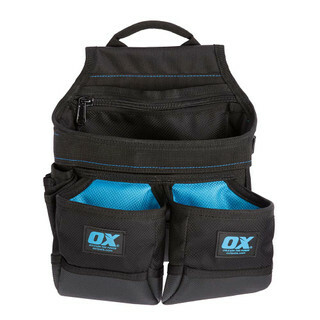
OX Tools Tool Belts, Pouches & Rolls
An OX tool belt keeps your fixings, hand tools and pouch kit where you need them, whether you're first-fix, roofing out or banging through second-fix.
If you're fed up climbing down for screws, nails or a tape every five minutes, this is the sort of kit that earns its keep fast. An OX tool belt is built for lads working out of pouches all day, with hard-wearing leather and site-tough layouts that suit joiners, roofers and general builders. If you want an OX tool belts setup that actually carries right and stands up to daily graft, start here.
What Are OX Tool Belts Used For?
- Working through first-fix timber and stud jobs, an OX tool belt keeps your tape, square, pencils, fixings and hammer on you so you are not up and down the ladder all morning.
- Roofing and battening work is easier with an OX nail pouch setup, because you can keep nails, snips and a hammer at your side instead of balancing loose gear on scaffold boards.
- Second-fix and kitchen fitting jobs suit an OX tool pouch layout, where smaller hand tools, driver bits and fixings stay separated and easy to grab in tight rooms.
- Site maintenance and snagging work benefits from belt-mounted storage, especially when you are moving room to room sorting loose hinges, catches, screws and quick hand tool jobs.
Choosing the Right OX Tool Belt
Sorting the right one is simple: match the belt layout to what stays in your hands all day, not what looks busiest on the peg.
1. Leather or Fabric Build
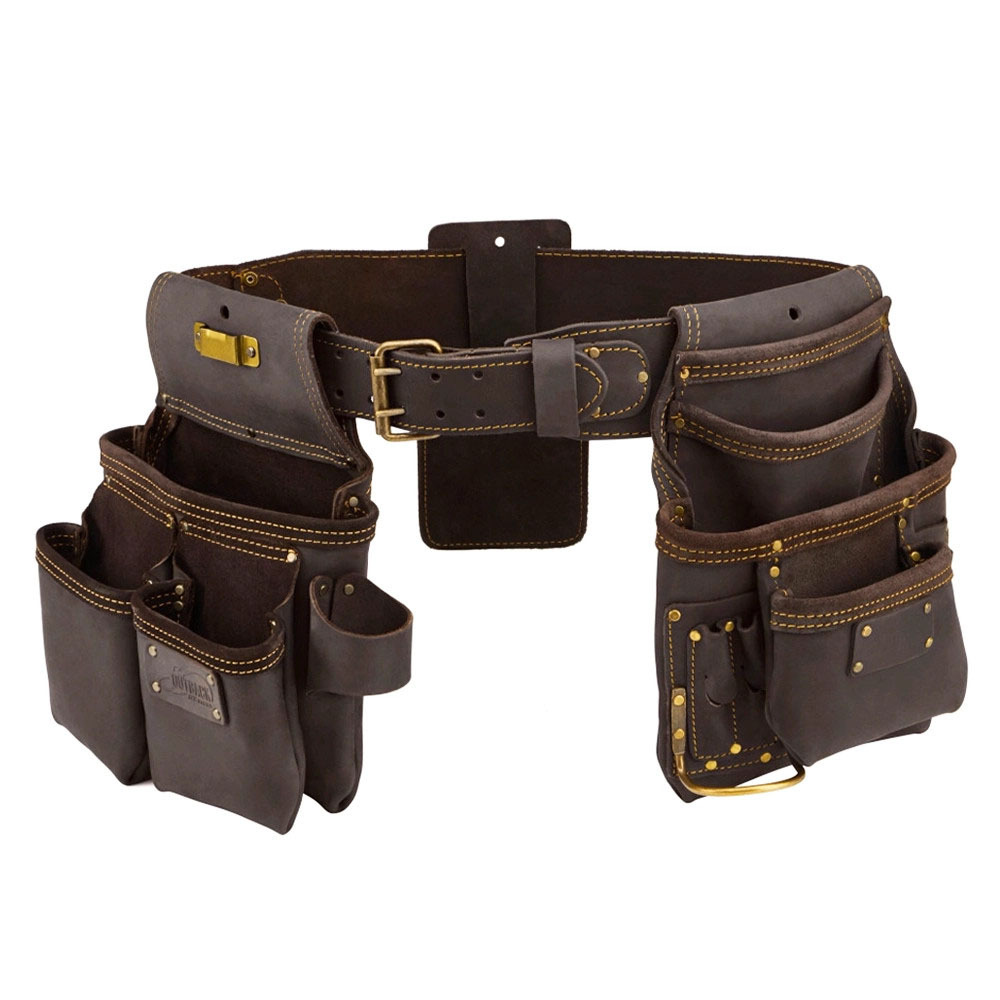
If you are on site five days a week and your belt gets dragged through timber, dust and scaffold, an ox oil tanned leather belt is usually the better long-term buy. If you want something lighter for mixed snagging and occasional use, fabric or synthetic options keep the weight down.
2. Full Belt or Single Pouch
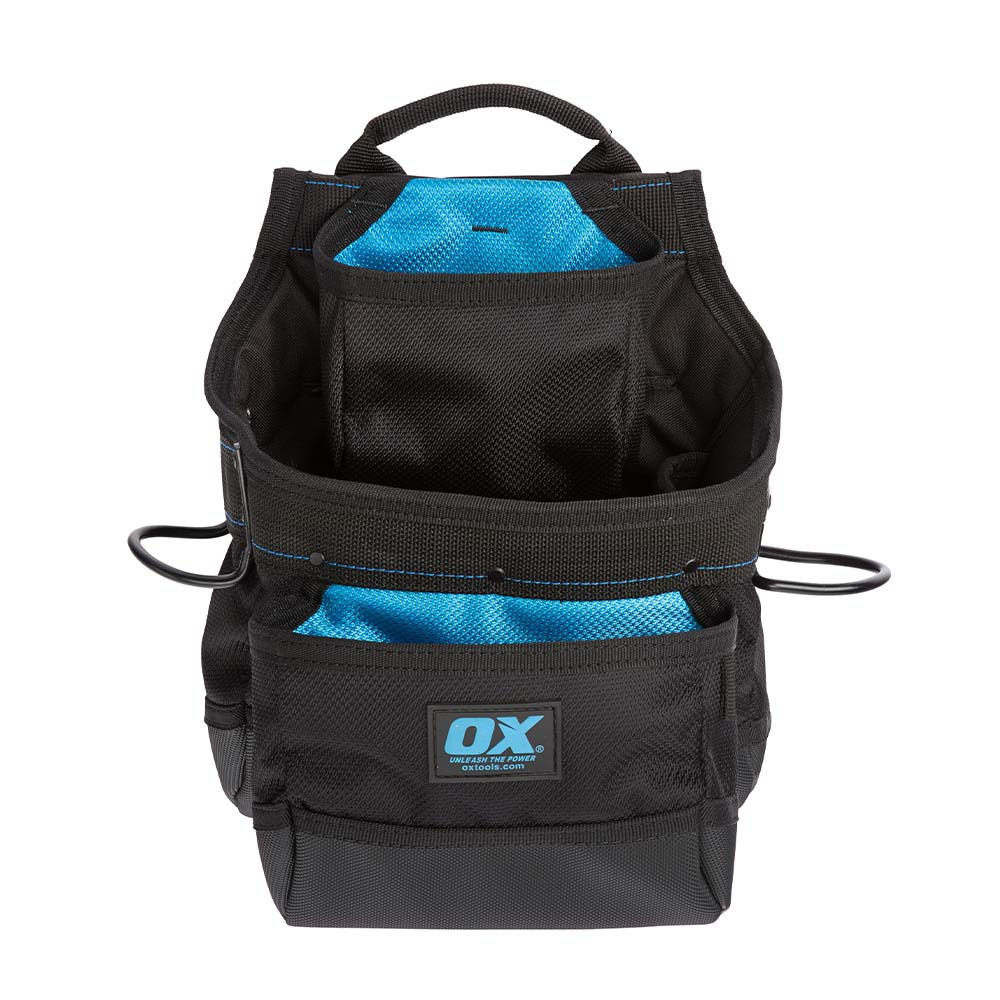
If you carry fixings, hammer, tape and hand tools all shift, go for a full ox pro tool belt. If you just need a few essentials for shorter jobs or trade-specific work, look at OX tool pouches and build a simpler setup.
3. Trade Specific Layout
A carpenter will want wider storage for squares, pencils, nails and fixings, while other trades may be better off with slimmer pocket layouts that do not catch when working indoors. Buy for the tools you actually carry, otherwise half the pockets sit empty and the belt just gets in the way.
4. Add Ons That Matter
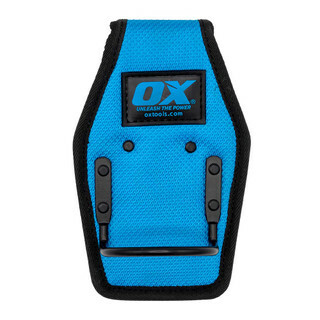
Do not overlook the small bits that finish the setup properly. A decent hammer holder makes a real difference on framing and roofing jobs, and OX hammer loops are worth adding if your belt does not already have the carry point you need.
Who Uses These on Site?
- Chippies swear by an ox leather tool belt for first-fix framing, joist work and boarding out, because the tools they reach for all day stay on the hip instead of in a box across the room.
- Roofers and timber frame teams use an ox carpenters pouch or OX nail pouches setup to carry nails, a hammer and layout gear when they are working off ladders, scaffold or trusses.
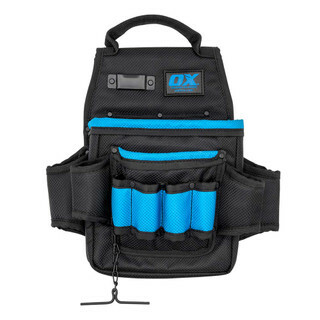
- Sparks doing containment, trunking or quick first-fix often reach for OX electricians pouches when they only need cutters, drivers, connectors and testers close to hand.
- General builders and maintenance fitters use belt kits for snagging and small works, because they can carry the day-to-day bits without lugging a full tote into every room.
OX Belt Accessories That Make the Setup Work Better
A belt is only useful if it carries the right gear in the right place, so these add-ons help tailor it to the jobs you actually do.
1. Tool Pouches
Adding the right pouch stops you stuffing mixed fixings and hand tools into one pocket where nothing comes out clean. Separate pouches keep screws, nails and daily tools organised, especially when the job keeps moving.
2. Nail Pouches
A proper nail pouch saves you fishing around for loose fixings when you are up on rafters, battens or flooring runs. It is a simple add-on, but it speeds the day up and cuts dropped fixings on site.
3. Hammer Loops
If your hammer keeps ending up balanced in a pouch or left on the deck, fit a hammer loop. It gives the tool a proper home and frees up pocket space for what actually needs storing.
Choose the Right OX Tool Belt for the Job
Use this quick guide to sort the right belt or pouch layout for your trade.
| Your Job | Category or Type | Key Features |
|---|---|---|
| First-fix carpentry and timber framing | OX carpenters pouch or full leather belt | Large pockets for fixings, tape clip, hammer carry and room for squares and pencils. |
| Roofing, battening and joist work | OX nail pouch with hammer loop | Quick access to nails, solid hammer storage and a layout that works when climbing and moving. |
| Snagging and general site maintenance | Single OX tool pouch | Lighter carry, enough room for core hand tools and less bulk in finished rooms. |
| Trade specific electrical small works | Electricians pouch | Compact storage for drivers, cutters, connectors and testers without a full belt rig. |
Common Buying and Usage Mistakes
- Buying the biggest belt setup you can find sounds sensible, but if half the pockets stay empty it just adds weight and catches on door linings, ladders and finished work. Buy for the tools you use every day.
- Ignoring waist adjustment is a common one, especially if you work in layers through winter. If the belt does not cinch properly, it rides down all day and ends up more annoying than useful.
- Using one pouch for mixed fixings and tools wastes time on site because you are constantly rummaging. Split nails, screws and hand tools into the right pockets so you can grab what you need first time.
- Leaving leather belts wet and filthy after a muddy shift will dry them out and shorten their life. Brush them down and let them dry naturally instead of chucking them in the back of the van soaked.
Leather Tool Belts vs Tool Pouches vs Nail Pouches
OX Leather Tool Belt
Best for full-day site use where you are constantly reaching for fixings, tape, hammer and hand tools. Heavier than a single pouch, but it spreads the load better and stands up well to rough treatment.
OX Tool Pouch
Better for lighter carry, indoor fitting work and snagging jobs where you only need a handful of tools. Easier to wear in tight spaces, but it will not replace a full belt if you carry a proper first-fix loadout.
OX Nail Pouch
Made for fast access to nails and fixings on framing, roofing and flooring jobs. Brilliant when that is the main task, but too specialised if you need broader storage for mixed hand tools.
Maintenance and Care
Brush Out Dust and Debris
Empty the pockets properly after site use and brush out sawdust, plaster and grit. Leaving abrasive muck in the seams wears the inside faster and makes tools sit badly.
Dry Leather Naturally
If your ox leather tool belt gets soaked, let it dry naturally in the workshop or at home. Do not force it with direct heat, as that can stiffen the leather and shorten its life.
Check Stitching and Rivets
Give stress points a quick look every week, especially around loaded pockets, belt joints and hammer holders. Catching loose stitching early is better than dumping nails across a finished floor.
Do Not Overload One Side
Packing one pouch with all the weight twists the belt, pulls fixings out of shape and makes it uncomfortable by mid-morning. Balance the load so it carries properly and wears more evenly.
Why Shop for OX Tool Belts at ITS?
Whether you need a full ox pro tool belt, an ox leather tool belt, a single pouch or trade-specific storage, we stock the proper OX range in one place. That means belt rigs, pouches and matching accessories all held in our own warehouse, in stock and ready for next day delivery.
OX Tool Belt FAQs
What materials are OX tool belts made from?
Across the range, you will see hard-wearing options like leather, including ox oil tanned leather belt designs, plus fabric and reinforced synthetic builds depending on the pouch or belt. Leather is the one most lads go for when the kit is getting used daily and thrown through proper site work.
Is oil-tanned leather better than synthetic canvas for tool belts?
Yes, for heavy daily use it usually is. Oil-tanned leather tends to handle abrasion, loaded pockets and rough treatment better over time, while synthetic canvas can feel lighter and suits lighter duties or shorter wear. If you are first-fix every day, leather is normally the safer buy.
How adjustable is the waist size on an OX Pro tool belt?
They are made to give you usable adjustment for site wear, including working over shorts in summer or layers in winter. The main thing is to check the listed size range before buying, because a badly sized belt will sag once the pouches are loaded.
Can individual tool pouches be reconfigured along the OX belt?
On compatible setups, yes, that is one of the main advantages. It lets you shift pouches around to suit whether you want fixings front and centre, a hammer on your strong side, or a slimmer setup for indoor fitting work. Always check the product layout, as not every belt is built the same way.
Will an OX tool belt be too bulky for indoor second-fix jobs?
Not if you choose the right setup. A full carpenters rig can be a bit much in tight finished spaces, but a smaller ox tool pouch or stripped-back belt works well for second-fix, snagging and kitchen fitting where you only need the basics.
Do leather OX belts need much looking after?
Nothing fussy, but do not abuse them for the sake of it. Empty the pockets, brush out grit, dry them naturally if they get wet and keep them out of direct heat. Do that and a leather belt will stay usable far longer than one left filthy in the van.